Step One
All ice cream is made up of one of three different bases, these form the starting point from which ice cream is made. The three different bases, cream, milk and syrup are the key to producing top quality ice cream at home. Once you have made your base, you can then begin adding in the specific ingredients and start whipping up a storm.
Cream base
1 litre of double cream
½ litre of full-cream milk
225 grams of sugar
6 egg yolks, pasteurised
This is enough to make two litres, which is good for two or three kinds of ice cream. First, mix together the cream, milk and sugar, and heat to boiling on a low heat. Remove the mixture from the heat and slowly pour about 100 ml of the warm cream mixture into the egg yolks as you whip. Now pour the egg-yolk mixture back into the pot with the rest of the cream mixture and let it simmer on a low heat for 6–8 minutes or until thickened. Do not let it boil. Strain the cream and cool it, possibly in an ice bath. Refrigerate until you are ready to use it.
Milk base
1 litre of full-cream milk
2 decilitres of double cream
250 grams of sugar
50 grams of grape sugar
60 grams of powdered skimmed milk
This is enough to make 1.75 litres, which is good for two or three kinds of gelato. Firstly, mix all the ingredients in a pot, and heat to boiling while stirring. Let it simmer for a few minutes before straining the mixture and cooling, possibly in an ice bath.
Syrup
500 grams of sugar
½ litre of water
This is enough to make 1.75 litres, which is good for two or three kinds of ice cream. Firstly, add all of the sugar to 100 ml of water and heat until the sugar is completely dissolved. Add the remaining 400 ml of cold water and stir. The mixture will now be almost cold and ready for use.
Step Two
Using the bases above, you can create any number of traditional, or more exotic offerings. Ice cream differs from granité and sorbet because it is made using cream, milk or yoghurt. Usually ice cream also contains egg yolks, which surround the ice mass’s water-based ingredients, binding water and fat into a homogenous cream (similar to the processes involved in making mayonnaise). Ingredients like vanilla, chocolate, coffee or fruit are added to this creamy mixture, which is frozen while being stirred by hand (every 30 minutes) or using a machine. It is important to whip in air to soften the ice cream and prevent noticeable ice crystals from forming. Gelato is an ice made of milk; it contains less fat than ice cream but is still creamy. The same is true of frozen yoghurt, which has become popular in recent years; yoghurt has a distinctive, refreshing taste – completely different from that of ice cream and gelato. At this point, your imagination is the only limit. However, here are a few ideas to get you started, all the recipes below serve four:
Chocolate ice cream
200 grams of dark chocolate with a high cocoa content
4 decilitres of the cream base
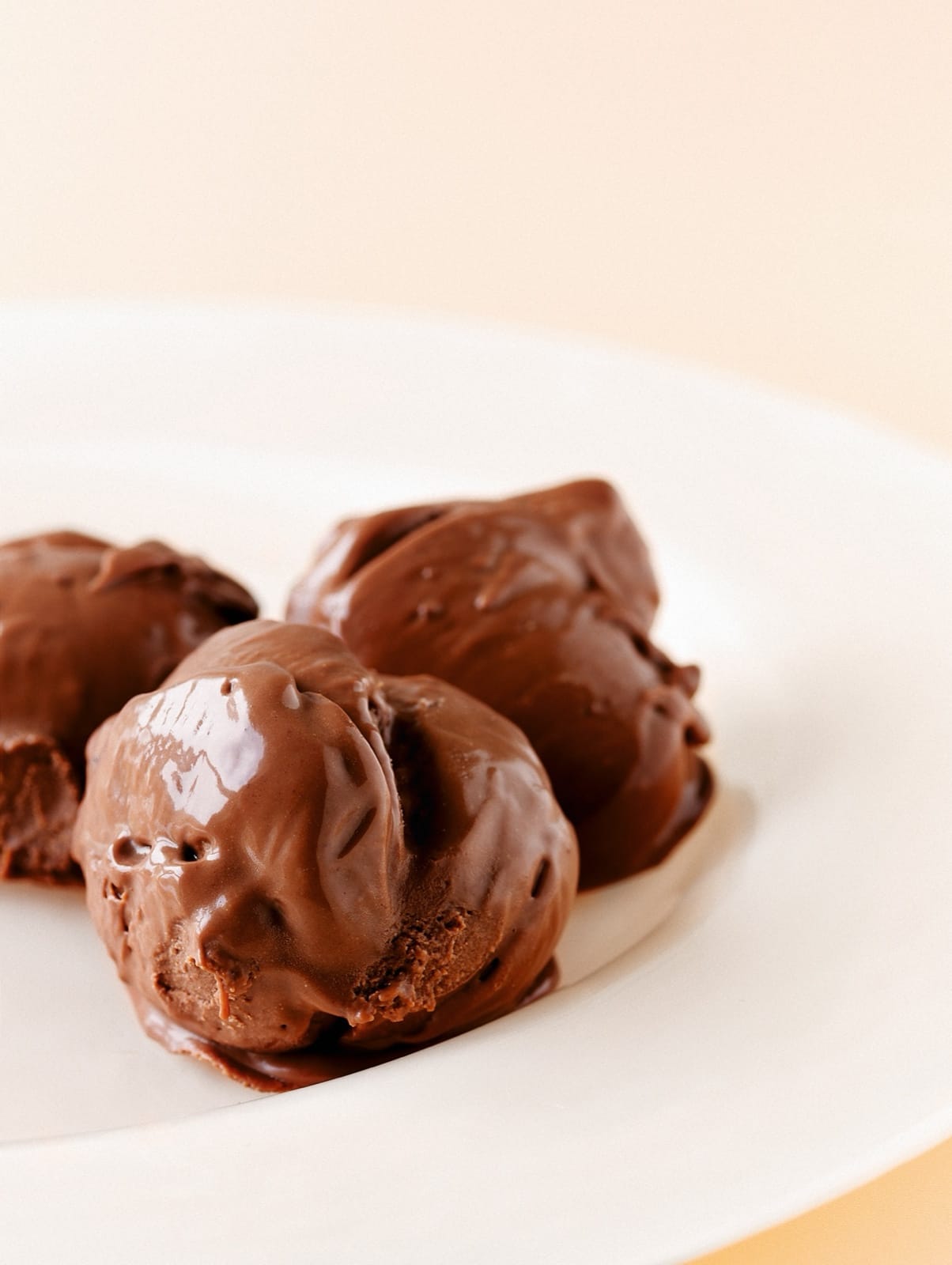
Break the chocolate into small pieces and melt in a double boiler. Combine the melted chocolate with the cream base, and mix using a hand blender. Pour the mixture into a plastic container and put in the freezer. Stir the mixture with a fork every 30 minutes for the first two hours. Remove from the freezer 15 minutes before serving.
Vanilla ice cream
½ a decilitre of the cream base
1 vanilla pod
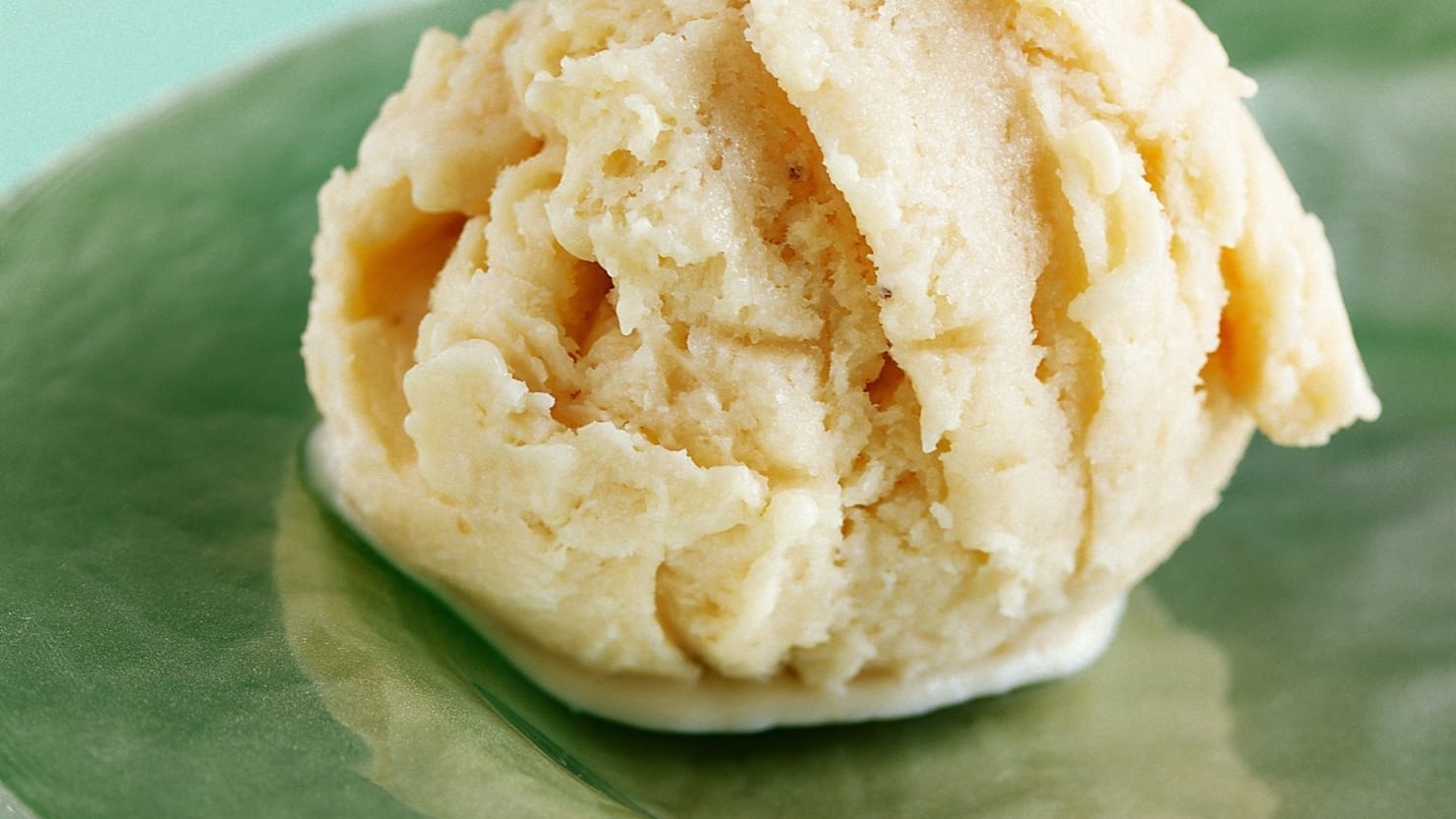
Combine the cream base with the vanilla grains from the pod, and mix using a hand blender. Pour the cream mixture into a plastic container and put in the freezer. Stir the mixture with a fork every 30 minutes for the first two hours. Remove from the freezer 15 minutes before serving.
Mint ice cream
1 bunch of mint
⅓ of a decilitre of sugar syrup
4½ decilitres of the cream base
Rinse the mint leaves and cut into thin strips. Bring the sugar syrup to the boil, add the mint strips and remove the pot from the heat immediately. Pour the mixture into the cream base, and mix using a hand mixer. Pour the mint cream into a plastic container and put in the freezer. Stir the mixture with a fork every 30 minutes for the first two hours. Remove from the freezer 15 minutes before serving.
Passion fruit gelato
14 passion fruits
3 decilitres of the milk base
Lemon juice to taste
Cut the passion fruits in half and put the seeds and juice of three of them to one side. Deseed the remaining fruit, and pour the seeds and pulp into a strainer. Mash out the juice and discard the seeds. Combine the passion fruit juice with the milk base and mix using a hand blender, stirring in the seeds and juice of the three passion fruits. Add lemon juice to taste. Pour the mixture into a plastic container and put in the freezer. Stir the mixture with a fork every 30 minutes for the first two hours. Remove from the freezer 15 minutes before serving.
Coffee and Kahlúa gelato
3½ decilitres of the milk base
¾ of a decilitre of espresso/strong coffee, cooled
¾ of a decilitre of Kahlúa
Mix the milk base and espresso together using a hand blender, and pour the mixture into a plastic container. Put the container in the freezer for one hour. Remove the container, mix the liqueur into the coffee mixture and put back in the freezer. Stir the mixture with a fork every 30 minutes for the first two hours. Remove from the freezer 15 minutes before serving.
Banana gelato
4 ripe bananas
3 decilitres of the milk base
Lemon juice to taste
Peel the bananas and cut into small pieces. Blend the banana pieces with the milk base using a hand blender. Add lemon juice to taste. Pour the mixture into a plastic container. Put the container in the freezer, and stir the mixture with a fork every 30 minutes for the first two hours. Remove from the freezer 15 minutes before serving.
Mango and cayenne gelato
250 grams of fresh mango
3 decilitres of the milk base
2 tablespoons of cayenne powder
Lemon juice to taste
Peel the mangoes, remove the pits and coarsely chop the pulp. Use a hand blender to blend the mango pulp, milk base and cayenne powder into a uniform mixture. Add lemon juice to taste. Pour the mixture into a plastic container and put in the freezer. Stir the gelato with a fork every 30 minutes for the first two hours. Remove from the freezer 15 minutes before serving.
Frozen yoghurt with mixed berries and eucalyptus honey
3 decilitres of full-cream yoghurt
125 grams of mixed berries (e.g. raspberries, blackberries, blackcurrants and redcurrants), fresh or frozen
125 grams of eucalyptus honey
Use a hand blender to blend the yoghurt, berries and honey, and pour the mixture into a plastic container. Put the container in the freezer. Stir the mixture with a fork every 30 minutes for the first two hours. Remove the frozen yoghurt from the freezer 15 minutes before serving.
Sorbet
Sorbet is a soft water-ice containing fruit juice/pulp or spirits and sugar syrup. Whipped egg whites are added to some sorbets for texture, enabling you to reduce the amount of sugar used to add texture. The higher the content of sugar syrup, the softer the sorbet, because the sugar syrup encapsulates the ice crystals. In making sorbet, it is better to retain the fruit pulp instead of straining it off, because the pulp enhances the sorbet’s creaminess.
Lemon and lime sorbet
3 decilitres of sugar syrup
2 decilitres of lemon juice, freshly squeezed. Save the lemon peels for serving
Zest of two limes
Mix the sugar syrup and lemon juice using a hand blender. Add the lime zest. For a stronger lime taste, replace some of the lemon juice with lime juice. Pour the mixture into a plastic container and put in the freezer. Stir the sorbet with a fork every 30 minutes. Make sure to mix well to keep the lime zest from sinking to the bottom. After about two hours, scoop the sorbet into the empty lemon skins to serve.
Raspberry sorbet
3 decilitres of sugar syrup
100 grams of fresh raspberries
Combine and mix the sugar syrup and raspberries. Pour the mixture into a plastic container and put in the freezer. Stir the mixture with a fork every 30 minutes for the first 2 hours. The sorbet is now ready to serve.
Orange sorbet/orange ice-lollies
2 decilitres of sugar syrup
4 decilitres of freshly squeezed orange juice
Mix together the sugar syrup and orange juice using a hand blender, and pour the mixture into a plastic container or ice lolly trays, put the container or the tray in the freezer. The ice lollies need no further attention, but stir the sorbet in the container with a fork every 30 minutes for the first 2 hours. The sorbet will be ready after about 2 hours.
Granité
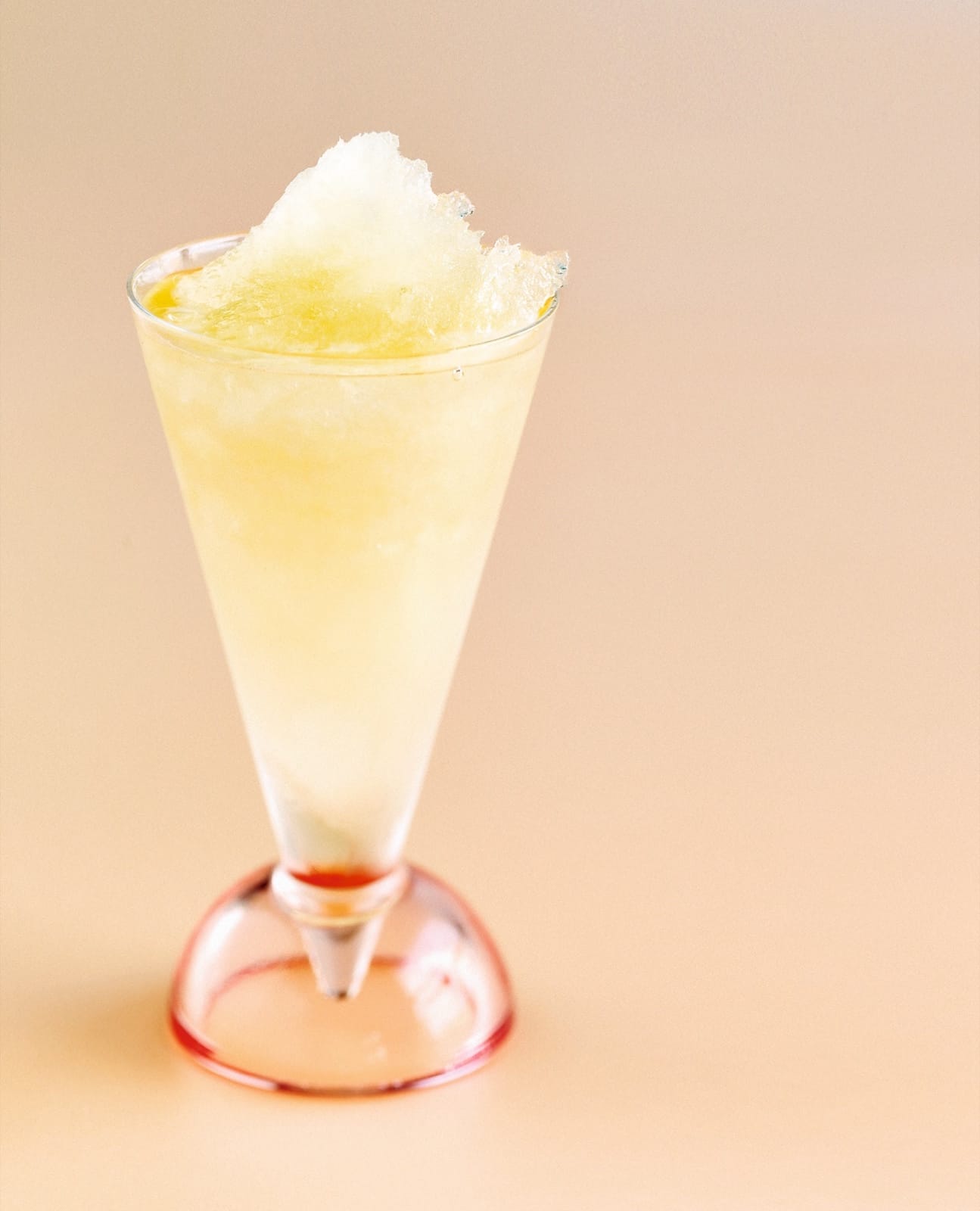
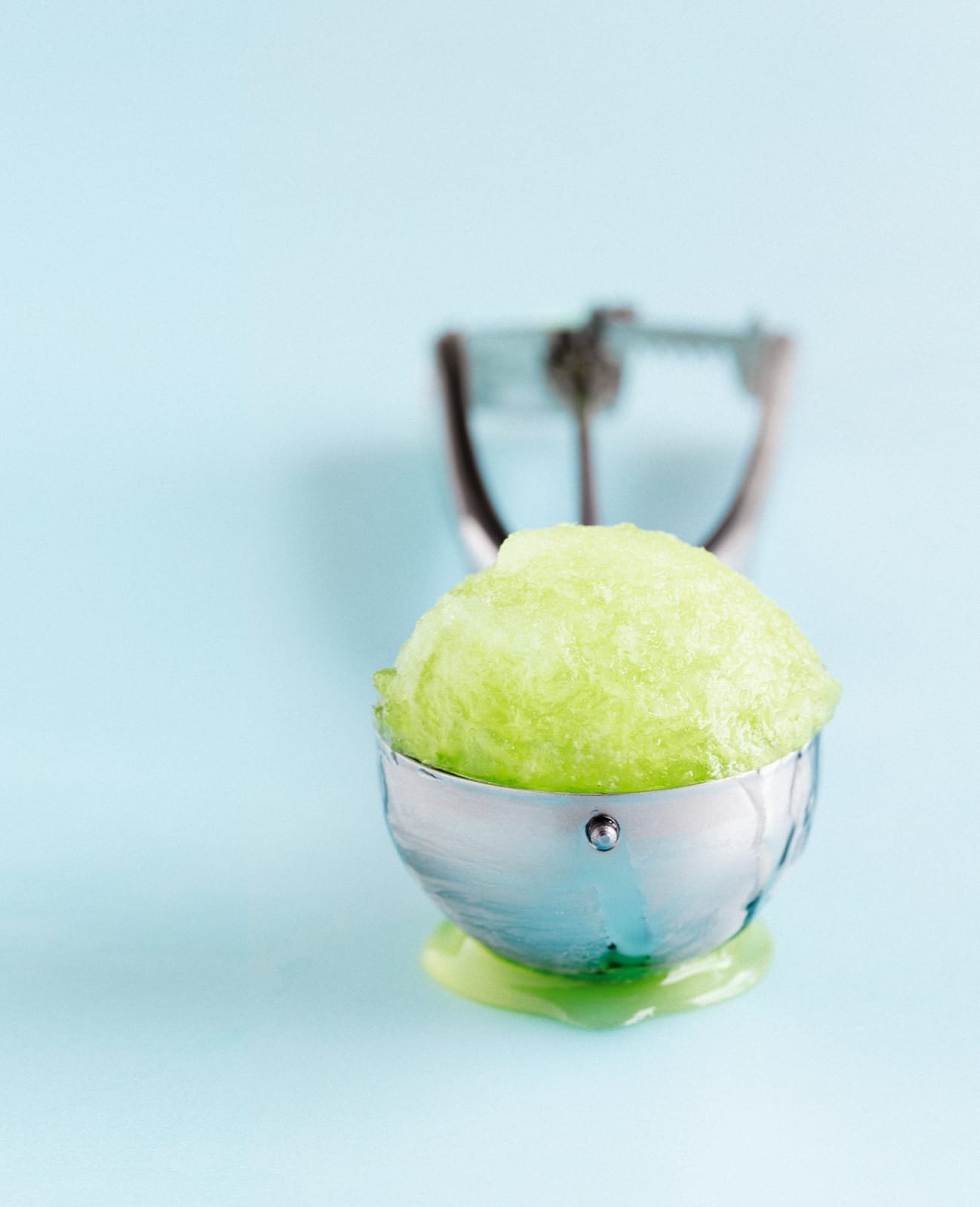
Like sorbet, granité is a water-ice made of sugar syrup, enhanced with fruit juice, coffee or spirits. But unlike soft sorbet, the texture of granité is similar to ice flakes or snow. Granité must be scraped with a fork every thirty minutes until frozen. If the water-ice contains spirits, it will not freeze completely. Although easier to scoop, it also melts quickly and must be served right away, preferably in iced sorbet glasses. Granité is often served as a palate cleanser during a meal.
Melon granite
4 decilitres of sugar syrup
1 decilitre of melon liqueur
Combine the sugar syrup with the liqueur, and mix using a hand blender. Pour the mixture into a plastic container and put in the freezer. Scrape the granité with a fork every 30 minutes. After about two hours, it is ready to eat, but is best if made the day before. Serve in cold sorbet glasses, iced in the freezer.
Muscatel granité
3 decilitres of sugar syrup
1½ decilitres of muscatel or other sweet dessert wine
Lemon juice to taste
Use a hand blender to blend the sugar syrup and wine. Add lemon juice to taste. Pour the mixture into a plastic container. Put the container in the freezer. Scrape the granité with a fork every 30 minutes. After about 2 hours, it is ready to eat, but again, try to make it the day before. Serve in cold sorbet glasses, iced in the freezer.