In October 2012, Guiseppe Verdi’s classic Aida became the first opera to be performed in Qatar, at the Katara Opera House where the Qatar Philharmonic Orchestra runs a flourishing programme. And 2016 is set to see the opening of two more world-class opera houses, currently under construction, in Kuwait and Dubai, signalling a new fascination with this classical art form throughout the Gulf region.
So why is classical opera, with its roots in 16th century Italy, suddenly catching on in the 21st century Middle East? The answer appears to be that it’s part of a wider shift away from the prevalent mall culture, or what we would call fast food culture, towards a slower, more evolved Culture – with a capital C.
Take Kuwait, where the Emir, Sheikh Sabah Al Ahmad Al Jaber Al Sabah, has put ambitious plans into place to construct a total of seven enormous cultural centres across the country over the coming years. British architect Richard McDowell, whose firm, BDP Architects was appointed by the state to design the first of these centres, known as the Sabah Al Ahmad Cultural Centre, explains that the aim of the project is to change local attitudes towards how leisure time is spent.
“Kuwait’s a very proud country but it doesn’t have a very long history – it’s only 50 years old,” he notes. “[The government] was looking to enrich the lives and the experiences of the people and emphasise feelings of national pride. So the cultural centre we worked on isn’t just about performance, it has a children’s library and a museum of calligraphy; they’re looking to educate as well as entertain. The idea was that instead of going to a mall in the evening, you'd go to a cultural centre.”
Plans for the site set to contain the new opera house, the Sheikh Jaber Al Ahmad Cultural Centre, began after those for the Sabah Al Ahmad Cultural Centre, but McDowell says it’s on target to be completed first. “The foot is very much on the gas to get the opera house finished, because one of the crown princes has an interest in opera,” he explains. “I think all eyes are on the opera house at the moment, because that is the jewel of the cultural centre that they’re starting off with, the first of the seven.”
Designed by SSH Architects, the Sheikh Jaber Al Ahmad Cultural Centre is set to contain state-of-the-art theatres, concert halls, cinemas, conferences and exhibitions halls and a library, in addition to the opera house. Full details have yet to be released but the facilities will be housed within four buildings set within an expanse of parkland. The exterior contrasts decorative geometric patterns inspired by traditional Islamic architecture with a sleek, contemporary composition made up of titanium, while the interior is set to feature world-class facilities, including an interior for the opera house that is characterised by flowing, ergonomic lines and minimalist décor.
Meanwhile in Dubai, a multi-billion dirham masterpiece designed by architecture giants Atkins is set to open in March this year, giving its name to the new Opera District (even though the district is set to feature a museum of modern art, galleries and design studios, as well as luxury hotels and residences, parks and a waterfront promenade). At the centre of it all sits Dubai Opera, whose swooping metal roof and slanting glass façade are reminiscent of the shape of a traditional Arabian dhow fishing boat. The bow of the building will contain the main stage, orchestra and 2,000-seat auditorium, as well as a sky garden and restaurant, while the hull features waiting areas for spectators, a taxi-drop off area and parking.
What makes the venue truly unique however, is its versatility. The Dubai Opera is designed to switch between three modes – theatre, concert hall and “flat floor” form. In theatre mode, it will be perfectly adapted to host operatic, theatrical and ballet performances, as well as lectures and conferences. It can be transformed into a concert hall by a series of towers erected on stage, which form an acoustic shell that surrounds the orchestra, while overhead reflectors further enhance the sound, making it ideal for concerts, comedy shows and children’s entertainment. In “flat floor” mode it can host seated banquets for up to 1000 guests, as well as weddings, trade shows, receptions and exhibitions.
Dubai Opera was announced by Dubai’s ruler Sheikh Mohammed Bin Rashid Al Maktoum in March 2012 and the developer, Emaar began talks with prominent international performers and ensembles as early as 2013. The programming looks set to have an international bent, bringing world-famous talent to perform in Dubai, but local artists will also participate, according to Emaar’s chairman Mohamed Alabbar. In early 2015 Jasper Hope, former chief operating officer of London’s Royal Albert Hall, was appointed as chief executive of the new opera house.
Over in Doha, the Katara Opera House seems to have struck a balance between international and local talent. Since opening in 2010, the venue has served as the permanent home of the Qatar Philharmonic Orchestra, which performs both Western and Arabic music. With a diverse make-up of international musicians, the orchestra has been led by prestigious conductor Dmitrij Kitajenko since September 2015.
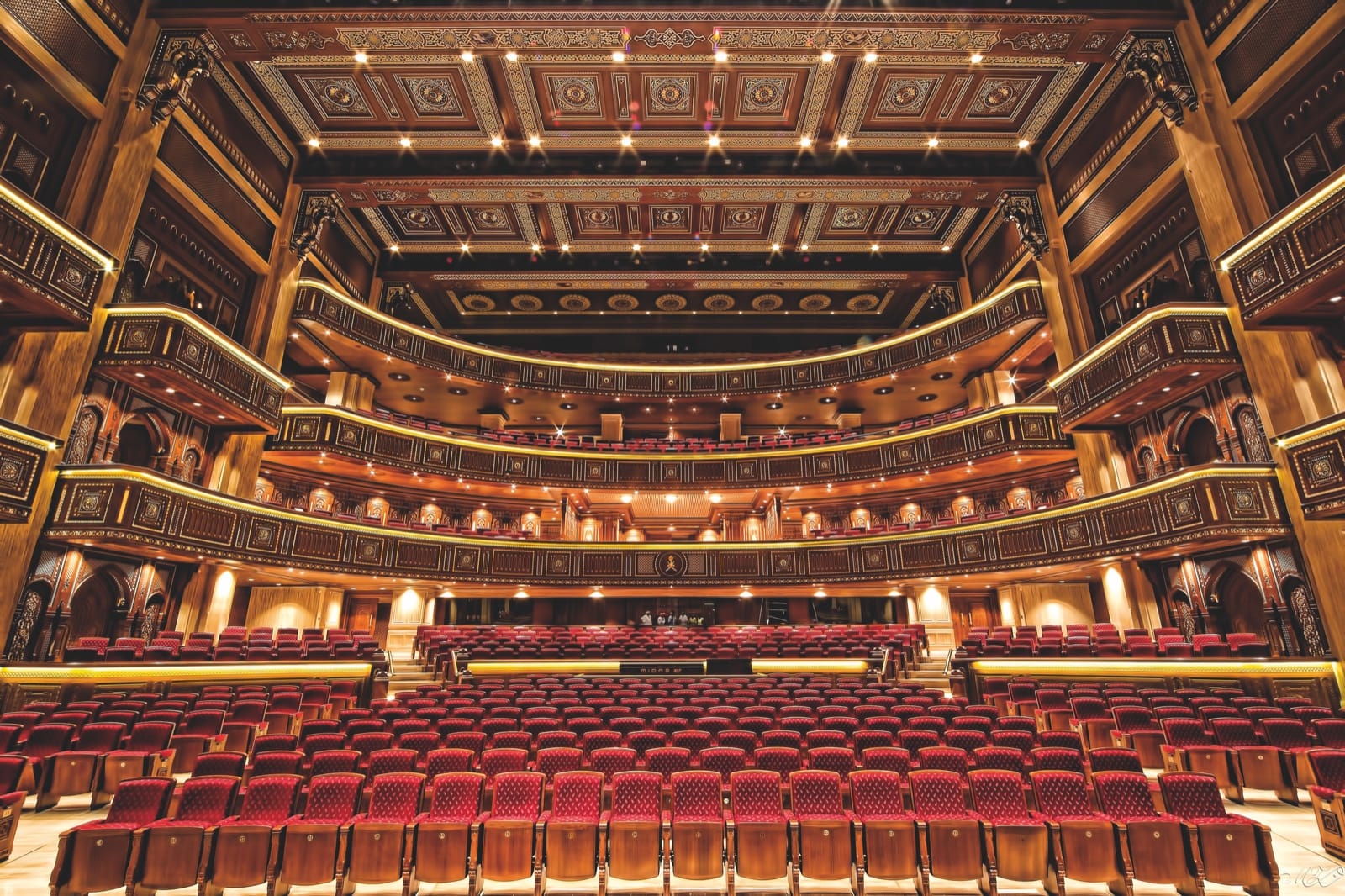
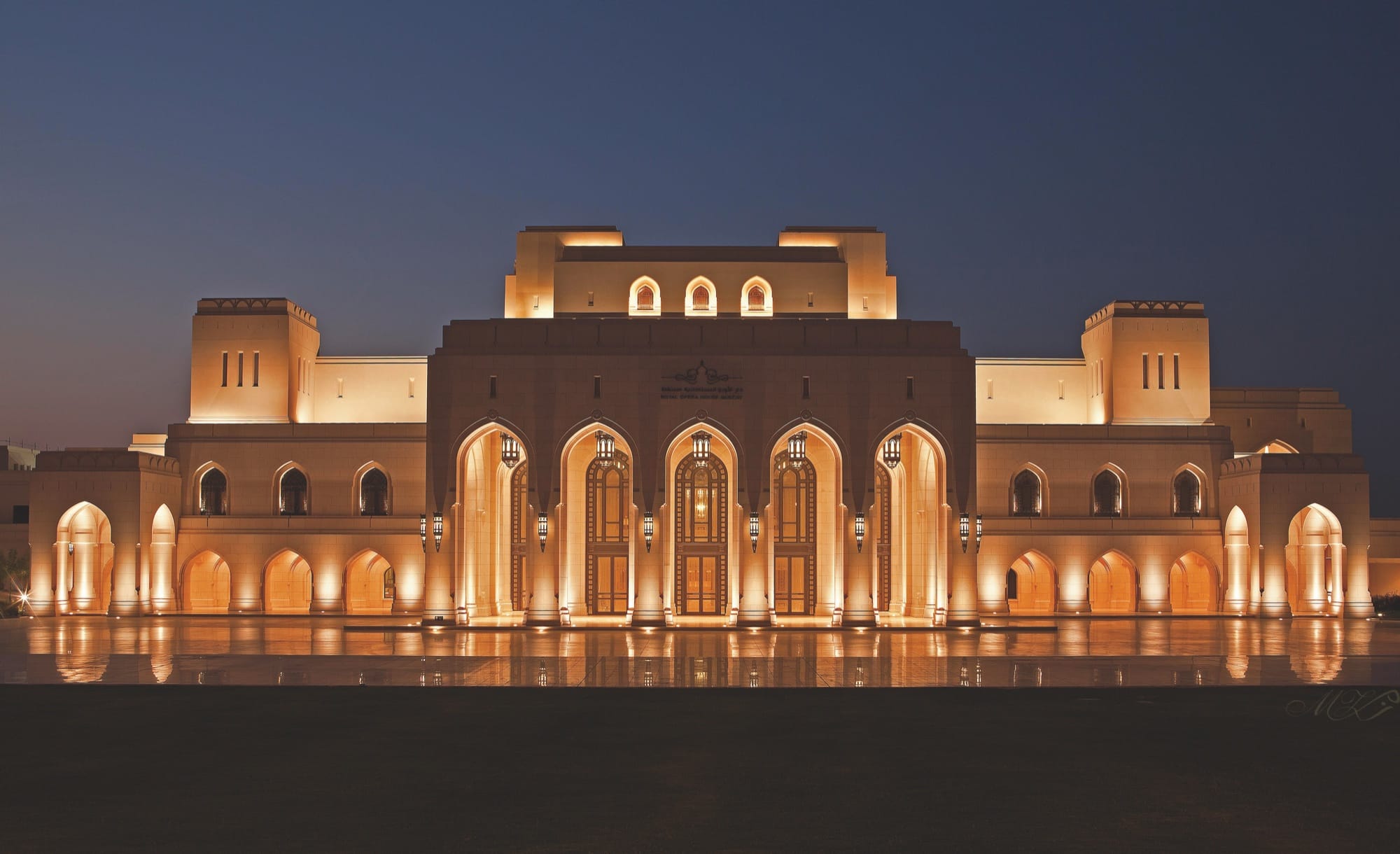
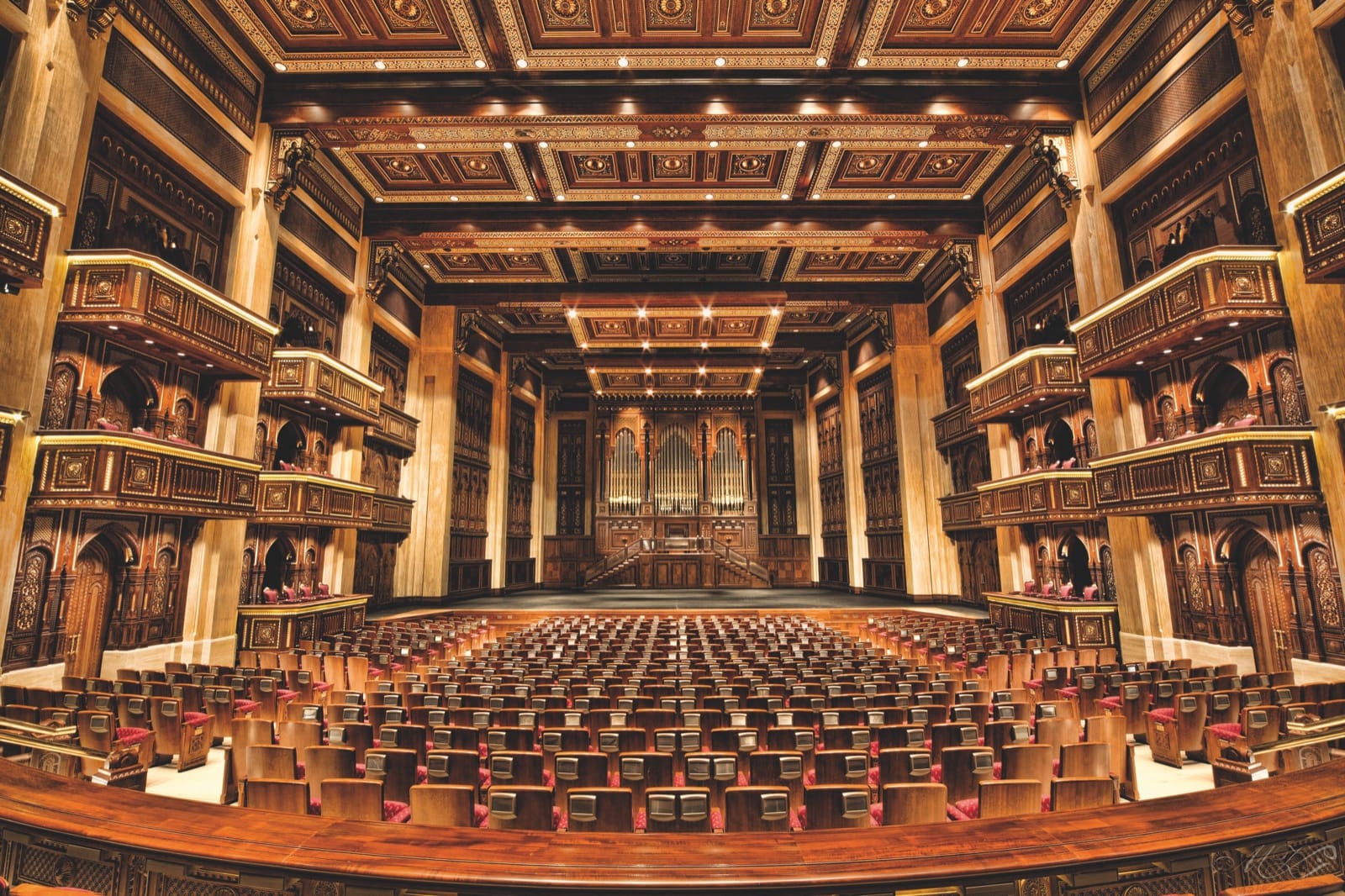
Meanwhile, back in Muscat, the trailblazing Royal Opera House is has settled into its stride. Over the past few years it has hosted operatic performances by stars including Placido Domingo, Andrea Bocelli and Renée Fleming, concerts by Yo Yo Ma and the London Philharmonic Orchestra and productions by the American Ballet Theatre, the Paul Taylor Dance Company and the Mariinsky Ballet. It also boasts the only orchestra in the Middle East comprising musicians entirely from the region.
While the regional trend towards opera as an art form is still in its burgeoning stages, the early success of Muscat’s Royal Opera House and the Doha’s Katara Opera House bode well for the ambitious projects underway in Kuwait and Dubai. Perhaps the emphasis on opera as part of a drive towards cultural pursuits more generally comes down to its reputation as High Art, an acquired taste for those with a certain calibre of finesse and education. Whatever the basis of its appeal, opera may yet come to be synonymous with this region’s state-of-the-art venues – so, watch this space.