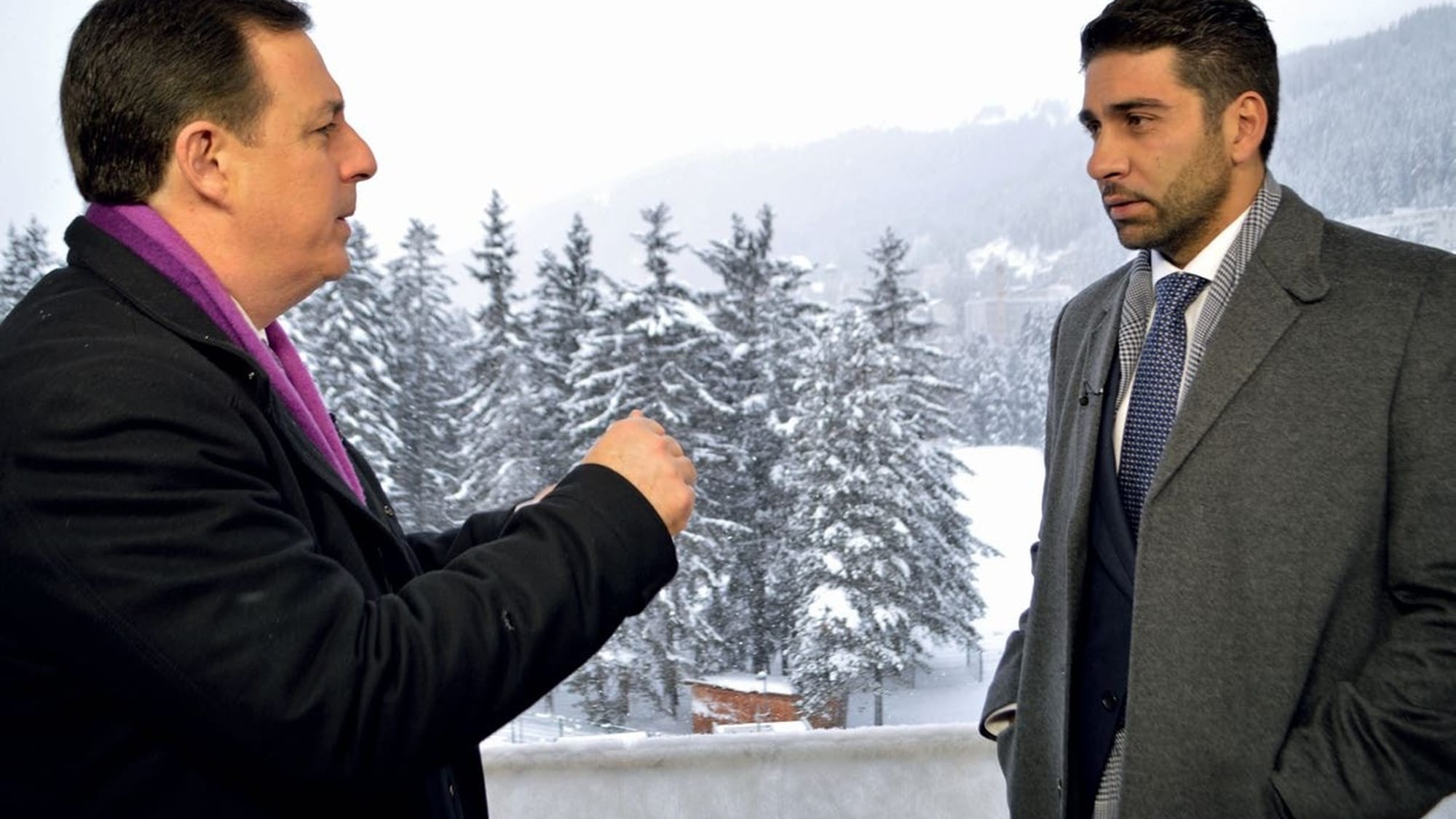
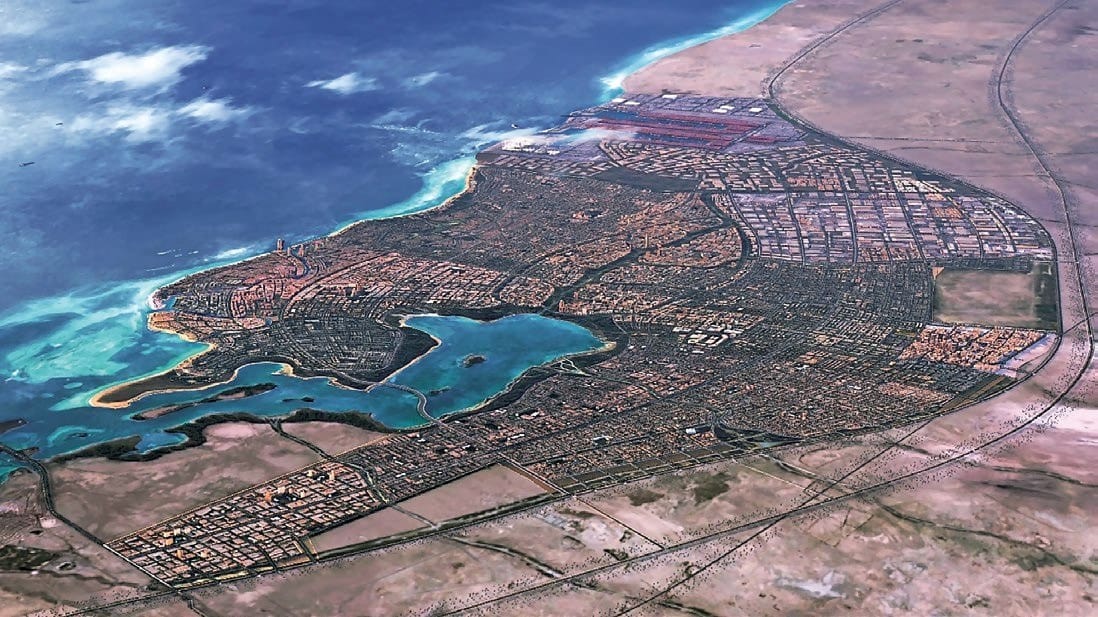
At this year's Davos World Economic Forum, CNN's John Defterios caught up with Fahd Al Rasheed, Managing Director and CEO of King Abdullah Economic City, to learn more about the 100 billion dollar megaproject in Saudi Arabia that will one day span an area the size of Washington DC. Located around 100km north of Jeddah, KAEC is a joint venture in which Emaar holds a 30 per cent stake, with high-speed rail links planned to connect it to the holy cities of Mecca and Medina.
The scale of the ambition is striking. The city currently has just 5,000 residents, yet the target is two million, with 50,000 expected by 2020 and more than 100,000 by 2025. "We're doubling our population every year," Al Rasheed explains. "In a typical town in Saudi Arabia, it takes 30 years to get to 50,000. You have to create the jobs first and then you move the residents in." He frames the project as inducing an economic cycle rather than simply adding housing: the first ten years built the economy, the next ten will reap the rewards.
Inevitably, the conversation turns to oil. With Saudi Arabia having burned through 110 billion dollars in cash in a single year, Defterios presses on whether the transition away from oil and towards the private sector has changed the country's ability to grow. Al Rasheed is sanguine. "Oil prices are very important to the Saudi Arabian economy but they are becoming less and less so," he says, noting that the private sector has grown 8 to 10 per cent outside oil for the past decade. Falling prices, he argues, are allowing the government to focus on subsidy reform, generate new revenue and spend more efficiently. "It's making the government slimmer and allowing more private sector participation."
On the pace of reform under Deputy Crown Prince Mohammad bin Salman, widely seen as a reformer but, to some, too aggressive, Al Rasheed counsels patience. "We are seeing a youthful, dynamic government that is willing to take on the tough challenges of Saudi Arabia. So it takes people getting used to it both internally and externally." On the Kingdom's decision to fight for market share rather than act as the world's swing producer, he is more circumspect, describing it as a supply-and-demand game in which shale producers are now learning the inherent risk in prices.
As for the project itself, Al Rasheed insists the traction is real. The port already handles three million containers a year and is set to exceed four million by the end of 2016, making it the largest on the Red Sea. KAEC has become the country's largest residential developer and has attracted more than 120 companies, 23 of which signed in 2015. Tourism is the third pillar: with Saudi Arabia the sixteenth most visited country in the world and Umrah numbers projected to climb towards 30 or 40 million, KAEC has announced plans for 36 assets, including zoos and hotels.
City building, he acknowledges, is a fiercely competitive space, with some 240,000 cities and towns worldwide. KAEC was the first of Saudi Arabia's new cities, and getting it right matters for the others to follow. When Defterios asks what people at Davos say when he describes the project, Al Rasheed smiles. "Wow, fascinating." "Big!" And what else? "They want a piece of the pie."