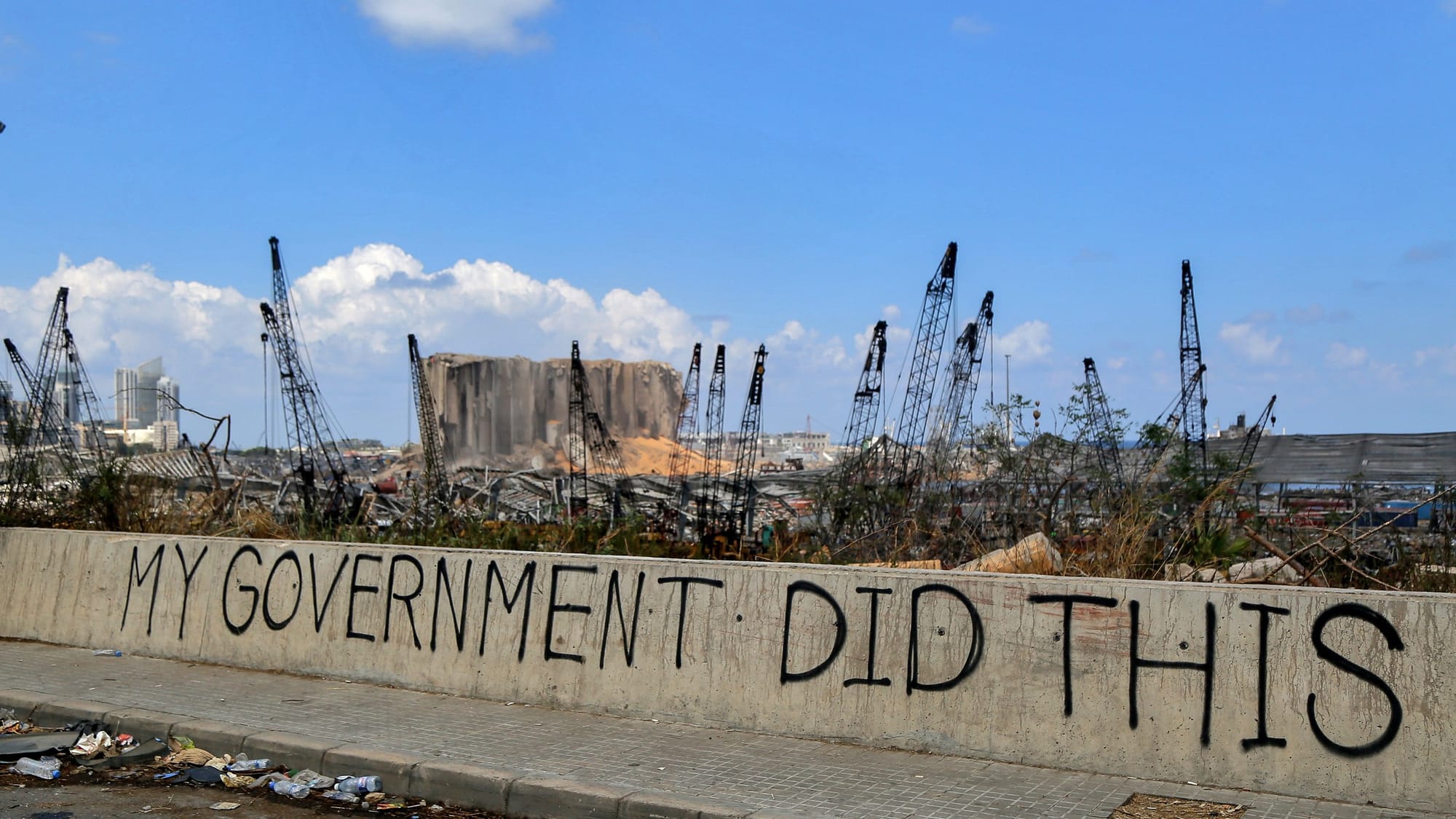
As Fairuz once said, Beirut has a glory of ashes. It has been destroyed seven times. This is the eighth. Following the devastating explosion that took place on 4 August 2020, more than 200 people were killed, 6,500 were injured and hundreds of thousands needed tending to.
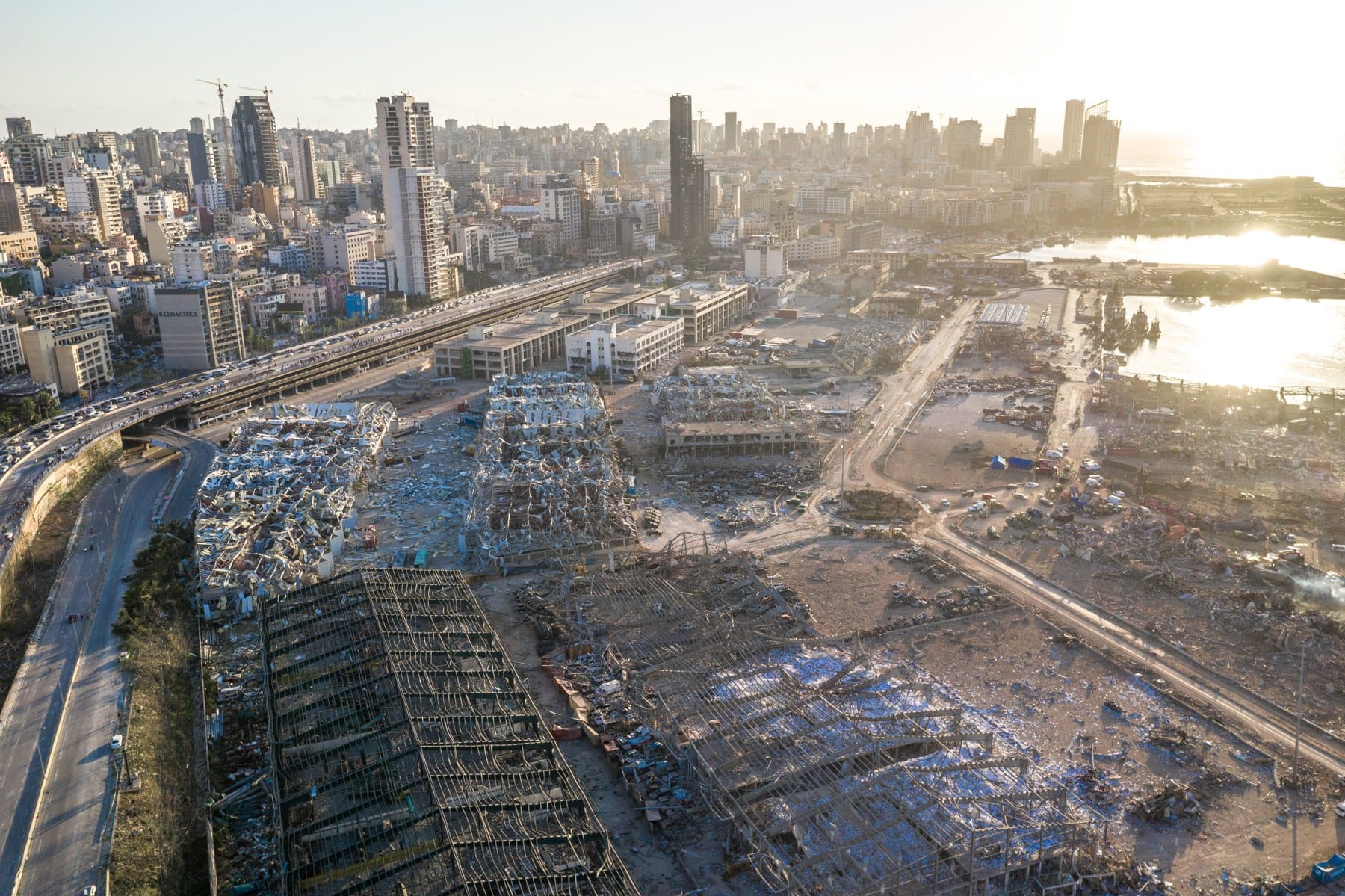
The blast wave caused close to 15 billion US dollars of damage and displaced over 300,000 people. Explosive ordnance experts even proclaimed it to be the biggest non-nuclear explosion of all time, and that feels about right considering its scale is indescribable.
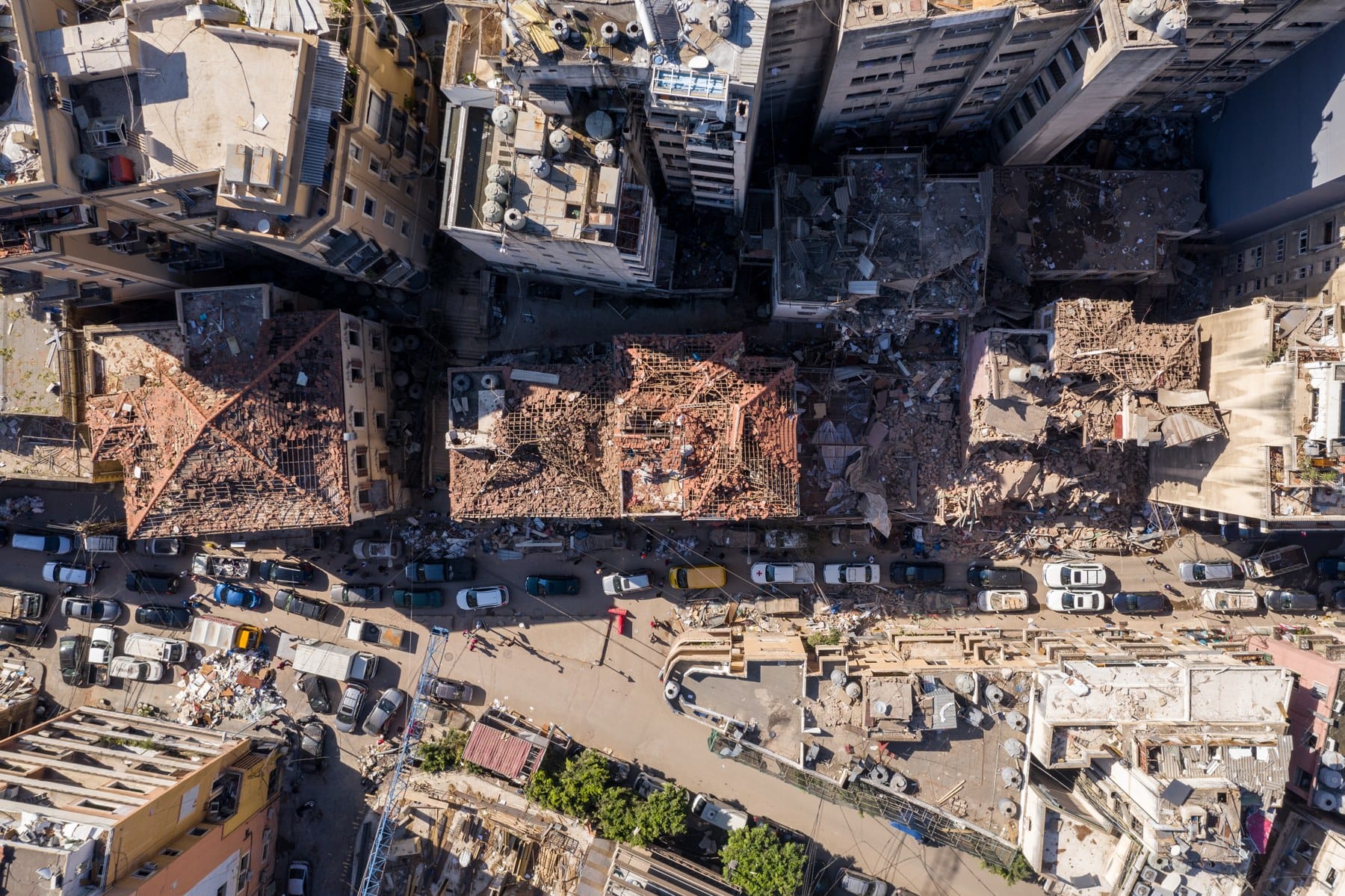
It was in 1984 that Fairuz released her song 'Li Beirut', a work that became an expression of how Lebanon's nationalism had been corrupted, and how its people were paying the price. Has anything changed?
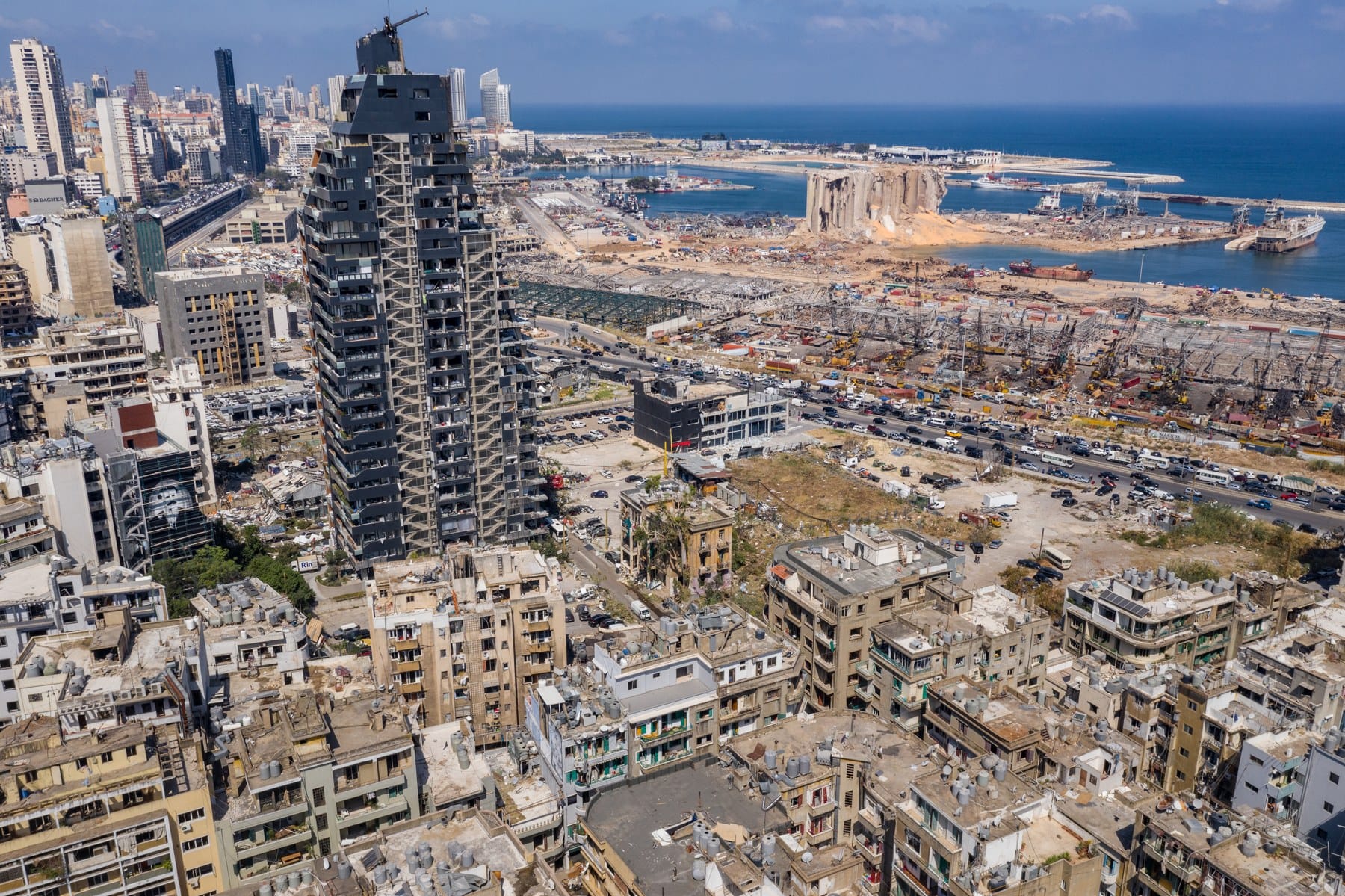
To Beirut. From my heart, a greeting of peace to Beirut, and kisses to the sea and the houses, to a rock shaped like the face of an old fisherman. She is wine from the spirit of its people; from their sweat, she is bread and jasmine. So how did its taste become that of fire and smoke?
A glory of ashes, for Beirut. Of blood, of a child held in its palm. My city has extinguished her lantern; she has closed her door. The question remains: how much more must this city suffer?