
Q&A Anisa Kamadoli Costa Chief Sustainability Officer at Tiffany & Co. and Chairwoman and President of The Tiffany & Co. Foundation,
Official Bespoke October / November issue
Word count: Total 1,000
• How did you move into your current position at Tiffany & Co?
It’s been an interesting journey, and I’m lucky to say I’m right where I belong. Graduating with my master’s degree from Columbia University’s School of International and Public Affairs (SIPA) provided a strong foundation for understanding global challenges and strategies for solving them. Working in finance and private philanthropy helped me develop a strong grasp of business issues and stakeholder engagement. My current job leading The Tiffany & Co. Foundation and corporate sustainability initiatives at Tiffany & Co. weaves these themes together.
• You have a dual role as both CSO for Tiffany & Co. and CEO of the foundation. How do you balance these two roles?
For me, balancing these two roles is about identifying where they intersect and the ways that corporate responsibility and strategic philanthropy complement each other. By leading both corporate sustainability and strategic philanthropy at Tiffany, I have different strategies to draw from when it comes to identifying solutions and finding partners for progress. Having a seat at both the company and the foundation tables allows my teams to drive more holistic, collaborative, and complementary solutions.
• How do you ensure your suppliers operate in an environmentally and socially responsible way?
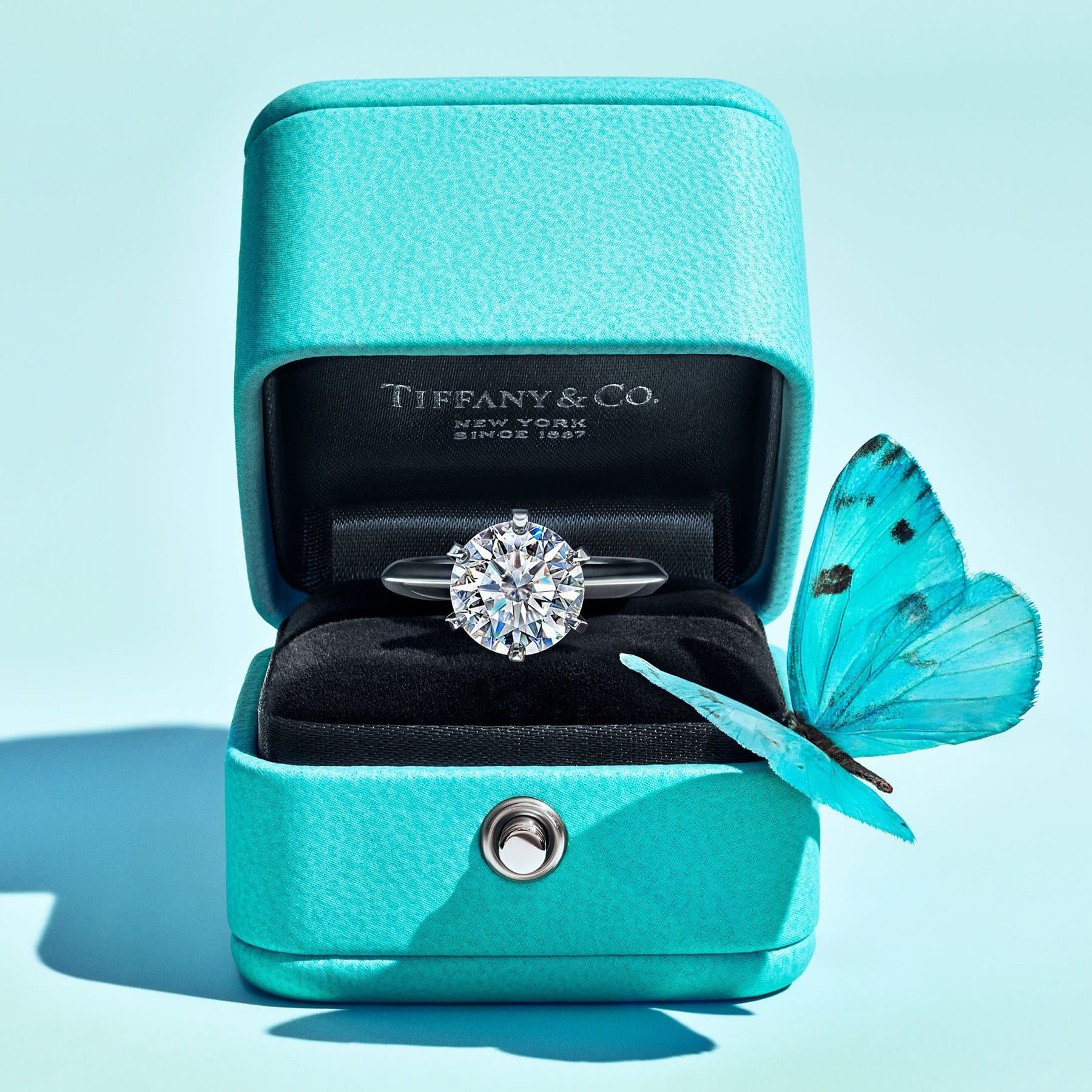
Knowing the origin of our precious metals and gemstones is key to ensuring that the mines we are sourcing from are operated in environmentally and socially responsible ways. That goes further than where a diamond was unearthed and continues until it makes its way to the Blue Box.
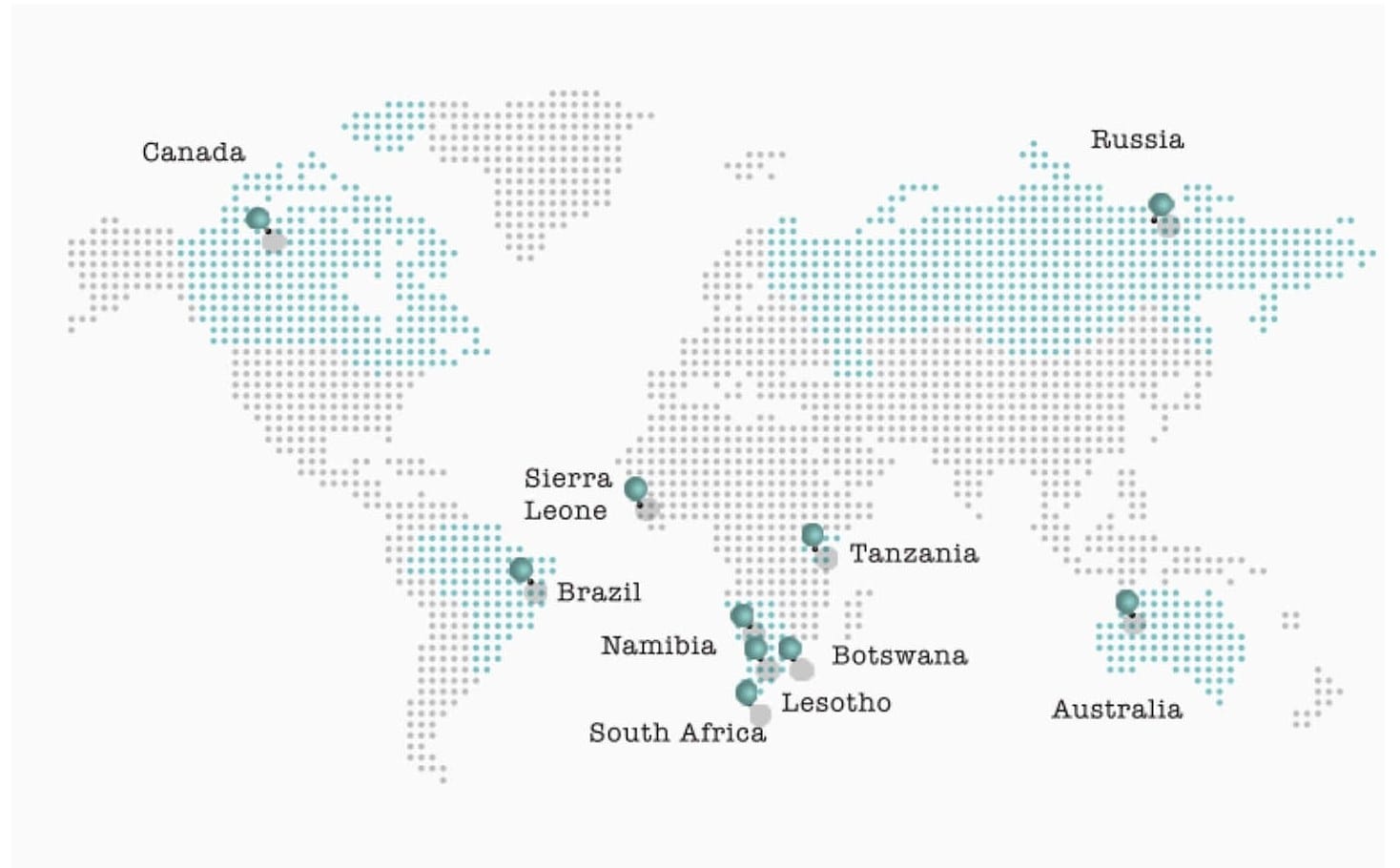
We go above and beyond the Kimberley Process to source our diamonds with even greater respect for the environment and human rights. In fact, we’re the most vertically integrated company in the luxury jewelry space. We know more about the provenance of our diamonds than anyone else. We do not mine ourselves, but we have direct supply agreements with particular mines or suppliers. We have our own diamond cutting and polishing workshops, and we have our own manufacturing facilities, which helps us maintain safe, healthy, and welcoming work environment, contribute to local economies, and improve traceability. So, we have not only this transparency throughout the supply chain, but we’re setting high standards for the way we operate those workshops.
• How does Tiffany motivate consumers to make more informed and responsible purchasing decisions?
It’s important for consumers to feel empowered that their purchases make a statement and have a real impact. More and more people recognize that both their buying habits and their advocacy matters. We all have a role to play in protecting our planet and its irreplaceable creatures. Being a responsible consumer today is easier than ever: People can look at the company’s sustainability report or website; they can look for recognized labels like Fairtrade, FSC, Marine Stewardship Council; and, when it doubt, they can ask the company directly about how a certain product was made and how the raw materials were sourced.

• Looking ahead, how long will the jewelry industry need to achieve regulation that addresses such issues?
Today, it’s not enough for companies to just ensure that their own operations are sustainable. They need to look at their role in the industry, and their role in the lives of the people they reach through their company—including employees, people in their supply chain and surrounding communities, and customers. Leading companies really need to go above and beyond to push for improvements in the global system and speak out in support of positive change.
In the luxury industry, we also have this amazing opportunity through our connection to our customers. At Tiffany, we are talking a lot about the customer journey and how to engage our community in our conservation efforts. Tiffany is an iconic global jewelry brand, and we’re perhaps most famous for our engagement rings. We want to bring this idea of engagement—of making a lifelong commitment to something you love—to protecting and conserving the ocean and the natural world.
• Is it even possible to practice a one hundred percent sustainable jewelry production?
We believe that ultimately the jewellery industry can be a force for positive change. We believe that as a company that uses mined materials, we have an opportunity to improve the jewellery sourcing and production landscape. Our sourcing strategy, including vertical integration, gives us a strong chain-of-custody and direct oversight of our manufacturing operations.
• You have been involved in several projects for Tiffany & Co. Is there a particular one which you are most proud of?
I’m honored to be able to work with local organizations in their own communities, while partnering with global nonprofits that can provide impact at scale. I am proud of Tiffany & Co.’s willingness to take a stance on vital issues. Tiffany & Co. has long used the power of its brand to speak out and raise awareness about critical issues of importance to us.
• Are there any inspiring new projects coming up with Tiffany & Co. in regard to sustainability?
We just advanced our commitment to diamond traceability one step further by sharing the full craftmanship journey of our individually registered diamonds. Tiffany will now share the diamond craftmanship journey, including the cutting, polishing, and setting location - making an industry first. Our customers deserve to know that a Tiffany diamond was sourced with the highest standards, not only in quality but also in social and environmental responsibility. We believe that diamond traceability is the best means to ensure both.
• What advice would you give to company leaders on how to be change agents on sustainability issues?
It’s important to understand that change is much harder if we work alone. It takes partnership between business, government, civil society, and individuals so we are able to accelerate the positive impact that we can have on consumerism on a global scale. More attention on our inter-dependencies – not just to each other but also to local communities and to the environment – could make a meaningful difference.