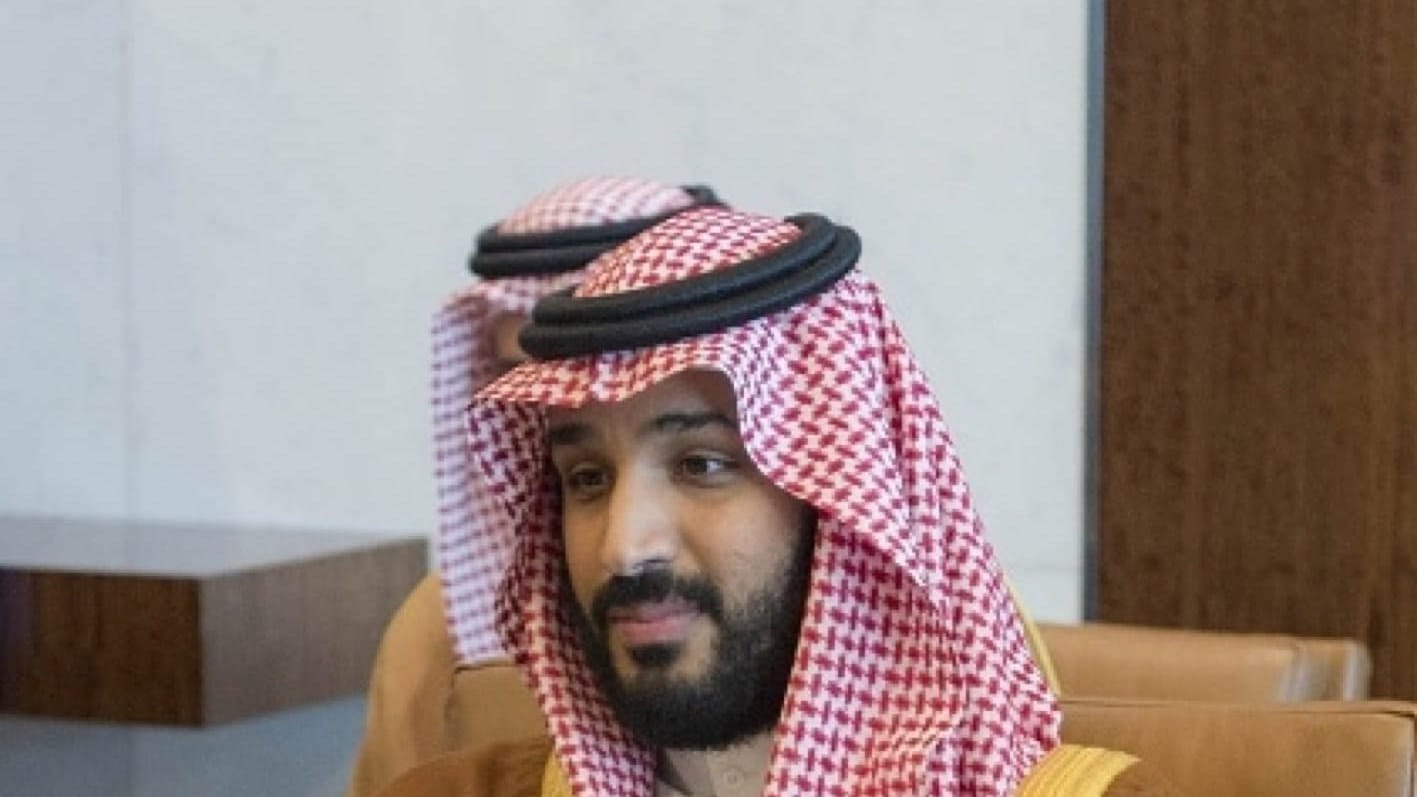
Born in August 1985, HRH Prince Mohammed bin Salman bin Abdulaziz Al Saud grew up overshadowed by three older half brothers who were among the most accomplished princes in the kingdom – the first Arab astronaut; an Oxford-educated political scientist who was once a research fellow at Georgetown and also founded a major investment company; and a highly regarded deputy oil minister. But that was before their father, King Salman ascended to the throne. Now Prince Mohammed, the eldest son of the king’s third and most recent wife, Fahda bint Falah bin Sultan Al Hithalayn, is the Deputy Crown Prince and a rising star. What’s more, both his appointment and that of his 58-year-old cousin, Crown Prince Mohammad bin Nayef, shattered decades of tradition, for they are the first of the third generation of Al Saud to top the succession plan.
To say MbS’s – as he has become known by the foreign diplomatic corps – rise has been rapid would be an understatement, and it has generated much debate, both in Saudi Arabia and abroad. But, like it or not, he’s now second in line to the throne and brimming with confidence, he represents the majority of the Kingdom (where more than half of the population is under the age of 25) and has wowed many with his promises to overhaul the realm and usher in a bold new future.
In order to fully enable him to achieve what he has set out to do, the King has granted him total control over the country’s oil monopoly, the national investment fund, economic affairs, and the colossal Ministry of Defence. Subsequently, last April, MbS showed just what he’s going to do with all that power when he revealed an ambitious plan for the Kingdom’s future. This road map, which he named Vision 2030, seeks to reduce the country’s bureaucracy and improve its education, health and other government services while, perhaps even more importantly, transforming Saudi life by diversifying its economy away from oil and allowing for more productive work for all its citizens, women included.
With global oil prices less than half of what they were in 2014 and a burgeoning population comprising hundreds of thousands of young Saudis who are entering the job market yearly, the need for change is greater now than it is ever has been. Yet, contrary to what many sceptics initially predicted, the prince’s inexperience has not proven to be an impediment. In fact, many Saudis say MbS’ unencumbered ambition is advantageous at a time when old ways of thinking must be changed. “He is speaking in the language of the youth,” explained Hoda Al-Helaissi, a member of the Kingdom’s advisory Shura Council at the debating society, The Cambridge Union, just over a year ago. “The country for too long has been looking through the lenses of the older generation, and we need to look at who is going to carry the torch to the next generation.”
Since coming to power, he has implemented cuts to various subsidies, raised taxes and geared up to sell major state assets, while pushing to introduce a new culture of efficiency and accountability in the notoriously intractable public sector.
Whether he will succeed in his vision is still unclear, but as Saudi journalist, Sultan Al-Saad Al-Qahtani, wrote last June in The Riyadh Post, “The prince’s popularity among Saudis is based on a sweeping desire for great change. The people love him based on the hope that he can turn their dreams into reality.”
But therein lies the risk. For as Al-Qahtani goes on to say: “If he fails, then this love will wither quickly, as if it never existed, and be replaced by a deep feeling of frustration and hatred.”
The stakes could not be greater.