Are they an odd pairing, Breguet and the Louvre? It’ll probably seem so, at least at first, for the 10 million yearly visitors that come to learn of the association between the French museum and the Swiss watch manufacturer. Whatever people might think, there’s no getting around the fact that the latter is clearly committed to promoting European culture and history, whether that’s horology or the decorative arts.
We asked the Breguet President and CEO, Marc A. Hayek, for his take on the 33.5 million USD renovation of 18th century French decorative arts display, including the Louis XIV and Louis XVI rooms in the Sully wing that Breguet personally financed, and he told us that it marked the fruition of a dream initiated by his late grandfather many years before.
“My grandfather [Nicolas G. Hayek] was keen to protect our historical and cultural heritage,” Marc Hayek says. “He used to say that preserving Europe’s cultural heritage constituted an investment for all of us and that we were duty bound to care for and preserve the beauty of Europe.”
Dig a little further into this brand, which was founded by Abraham-Louis Breguet in 1775 (after receiving financing from his new bride’s dowry) and you’ll come to find all sorts of historical connections between the two. “Quite so,” affirms Hayek. “The Louvre that Abraham-Louis Breguet could see from the windows of his company on the Quai de l’Horloge, where he lived, worked and quietly revolutionised watch-making, is the Louvre where on three occasions – in 1802, 1816 and 1819 – he exhibited the most amazing and most famous creations at the National Exhibitions of Industrial Products, the ancestor of today’s World’s Fairs. It was at the Louvre that he introduced the public to the tourbillon regulator, the sympathique clock, double movement watches, as well as pedometers designed for the Tsar of Russia. It was at the Louvre that he witnessed the collapse of the Old World, seeing this former house of kings become a museum, whose first director, Mr. Denon, purchased a watch and a clock from him. It was also at this Louvre that he took his last stroll on September 11th 1823.”
One of the renovation’s goals was to provide a clearer understanding of the art of royal living à la française. The collections on display trace the stylistic and aesthetic evolution across three main periods: the reign of Louis XIV, the flourishing of Rococo and finally, the return to Classicism under the reign of Louis XVI.
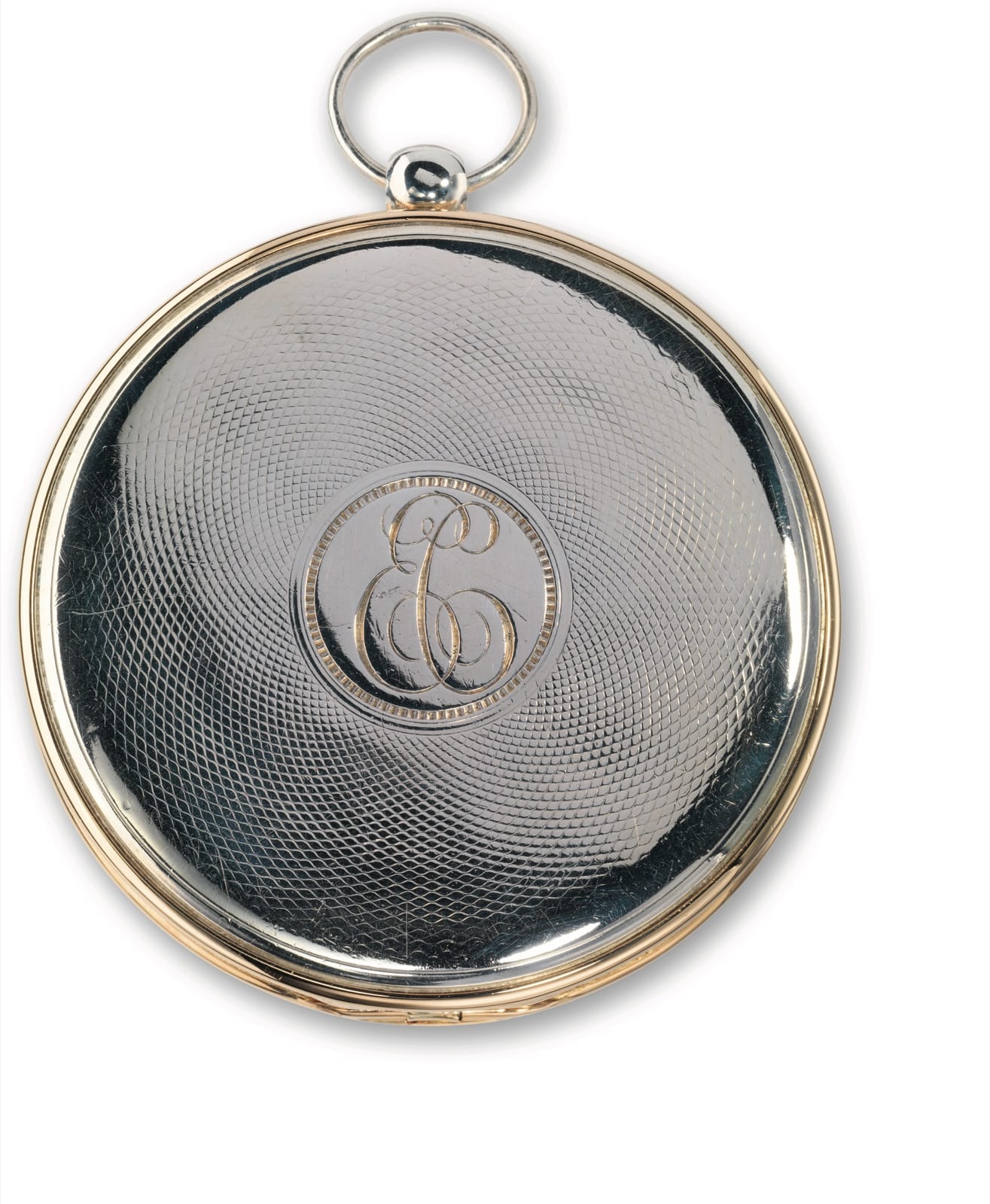
Wood panelling is offset by remarkable fabric-lined walls. Light dances off the crystal chandeliers to be diffused by the soft, worn gold leaf. The space has been restored to its original splendour – drawing rooms, libraries and bedchambers set as if they were still inhabited by kings. They also display countless royal possessions and treasures: silverware, jewellery, scientific instruments and spectacular examples of European faience and porcelain. The exhibition design reconstructs the living spaces of the past and highlights the interior decoration and master craftsmanship of the period.
To leave the museum, visitors exit via a spiral staircase that leaves them in the middle of the Louvre’s central square, not far from I.M.Pei’s graceful glass pyramid. The period effect of the rooms is so complete that walking through the arcades that connect the square with the street afterwards, one can almost imagine the clatter of horse shoes on cobblestones the royal inhabitants of this great palace would once have heard.
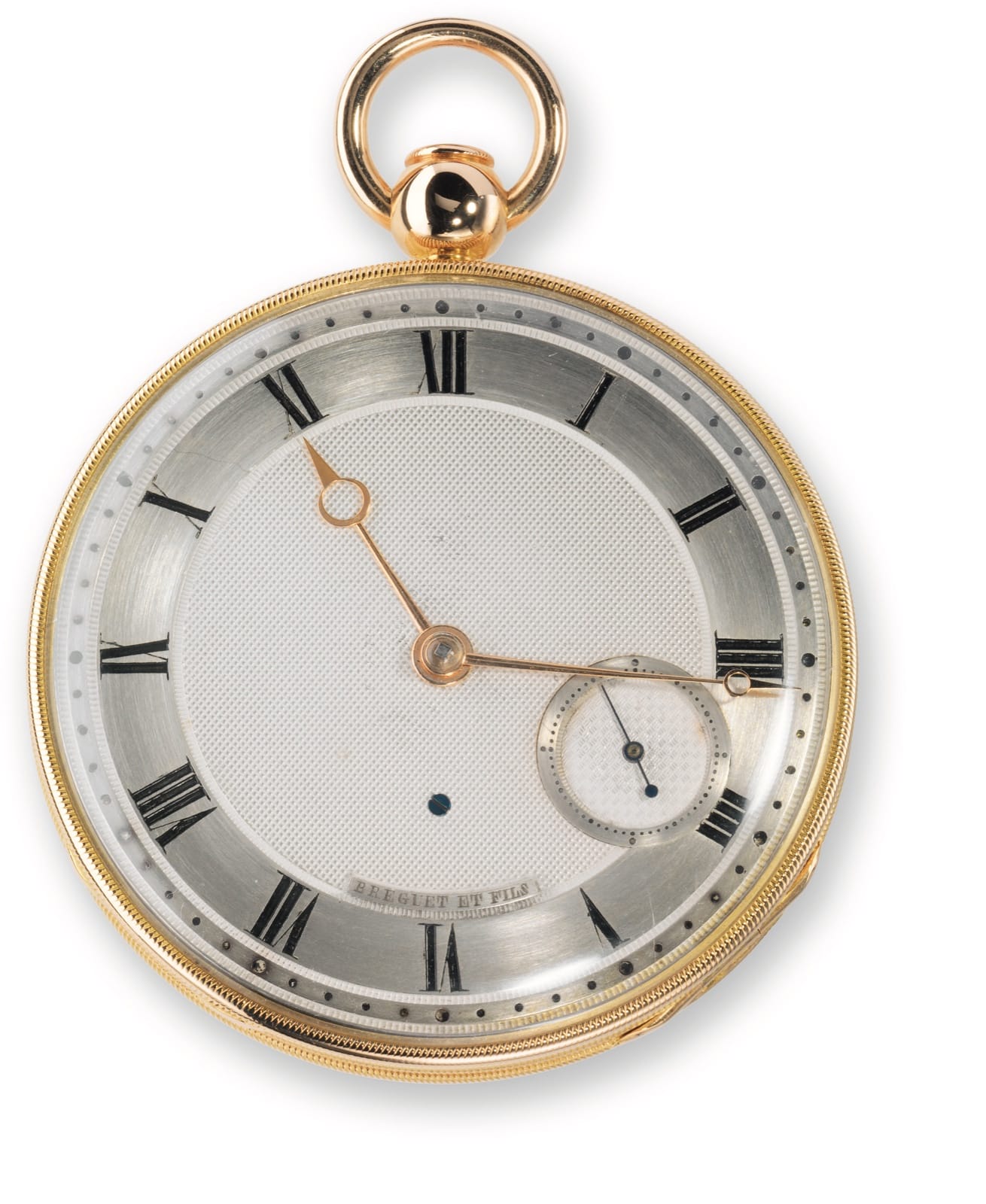
A time capsule of treasures, master craftsmanship and art, the Louvre continues today in part through the generous support of passionate connoisseurs of history and culture. Indeed as Hayek affirms, “History is at the heart of the relationship between the Louvre and Breguet. Of course, art based on rare skills transmitted from generation to generation and centuries-old expertise are common to the two companies. These similarities are among the reasons why we can find very beautiful Breguet creations included to the Louvre’s 18th century art collection.”