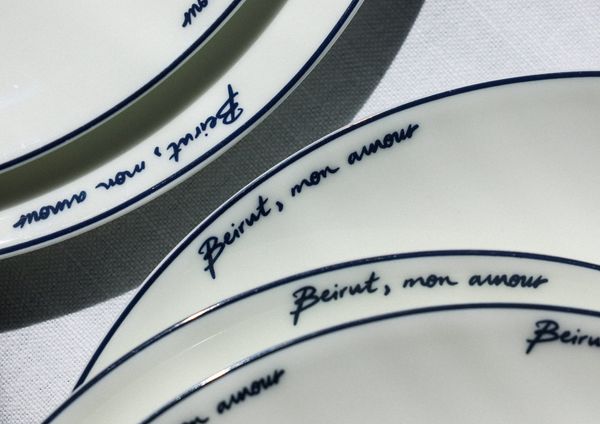
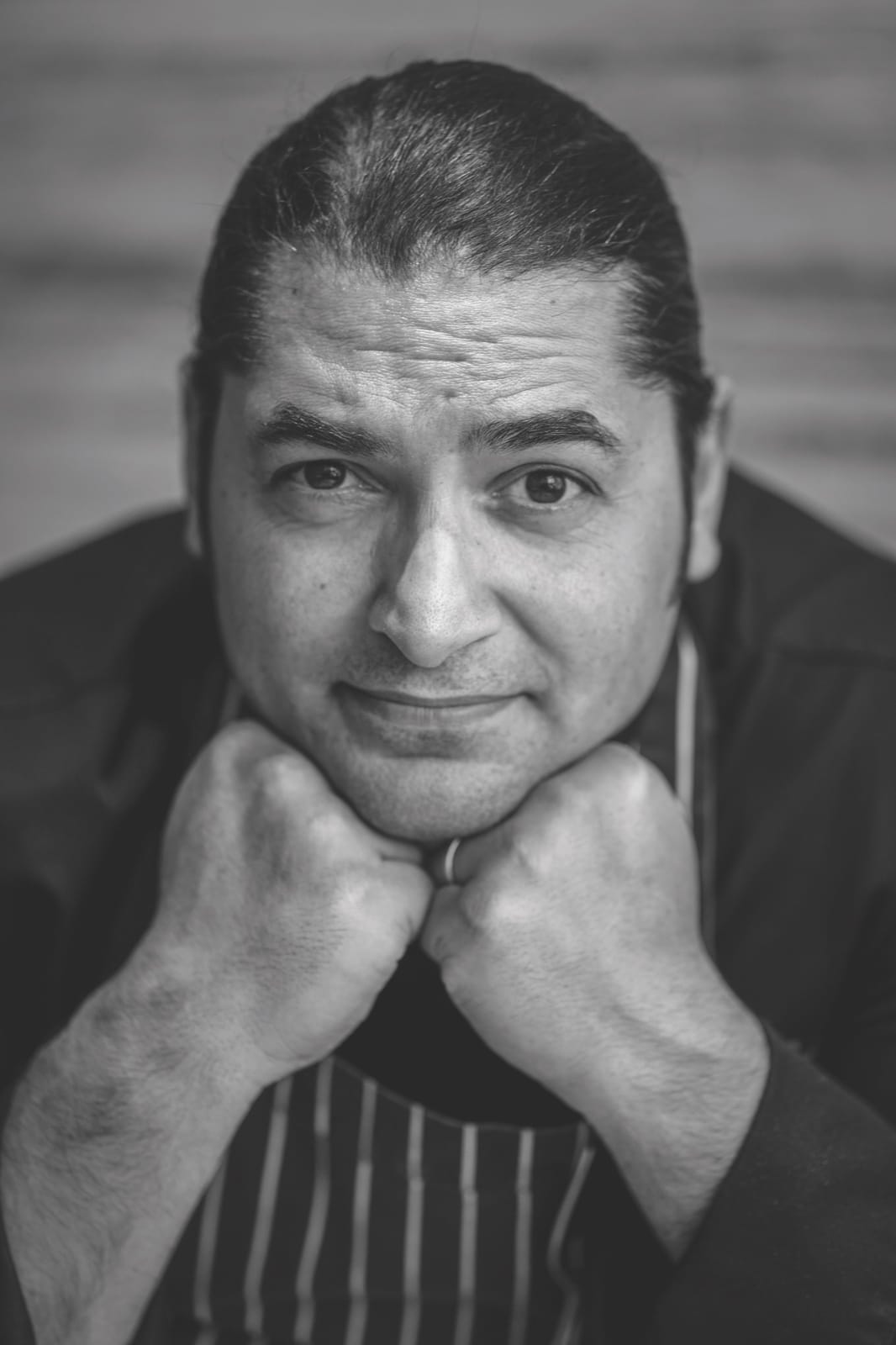
Granted, 44-year-old Alain Geaam may not be close to being as decorated as Joël Robuchon or Alain Ducasse but having been awarded a Michelin star last year, and maintained his star for a second year in a row, he has managed to put himself on the list of the world’s greatest chefs. That’s quite some feat for a Lebanese immigrant who landed in Paris in the wake of the Civil War with no French and little more than 200 Francs (30 Euros).
But with an innate understanding of the culinary delights of his native land and a strong will to succeed, Geaam braved the unknown in a city where he knew no one, and somehow managed to secure a couple of jobs to survive: one was by day, painting the façades of buildings, and the other by night, washing dishes in a small Lebanese restaurant. Hungry to learn more, Geaam would observe the chef at work, that is, until his moment came. “One day the chef cut his hand and had to go to hospital. I could see that the boss was stressed. So I said, ‘I can do it, I can cook.’ And so I did. What I cooked that night turned out to be delicious: moussaka, tabbouleh and hummos,” he recalls. In retrospect, that was the day he graduated from dirty dishes – at least for a while. His employer at that fateful eatery gave Geaam his first break as a chef and eventually also helped him get his work papers.
A year later, Geaam saught out his next challenge, namely to learn everything there was to know about French cuisine. Starting once again as a dishwasher, this time at a French restaurant, the determined, budding chef immersed himself in the techniques and principles of French cuisine. “I lived in a chambre de bonne, a tiny room where I learned everything about cooking French food from a book. I never went to a school, I’m self-taught,” he reveals. “Every night I used to practice. I learned the techniques and philosophy of French food. We respect the seasonal products nature gives us, for example, while in Lebanon you eat tabbouleh year round,” he points out.
To be fair, it’s worth noting that Geaam in fact came to France with at least some basic knowledge of what it meant to run a kitchen. He fondly recounts growing up in Lebanon, a country known for its generous cuisine. “My mother showed me how to cook for others with emotion,” he says. By the age of 18, Geaam joined the army where he was assigned to food services. “I cooked in a big training camp for around 4,000 to 5,000 people, so we would use like 20 kilos of rice or 100 kilos of potatoes and things like that,” he laughs.
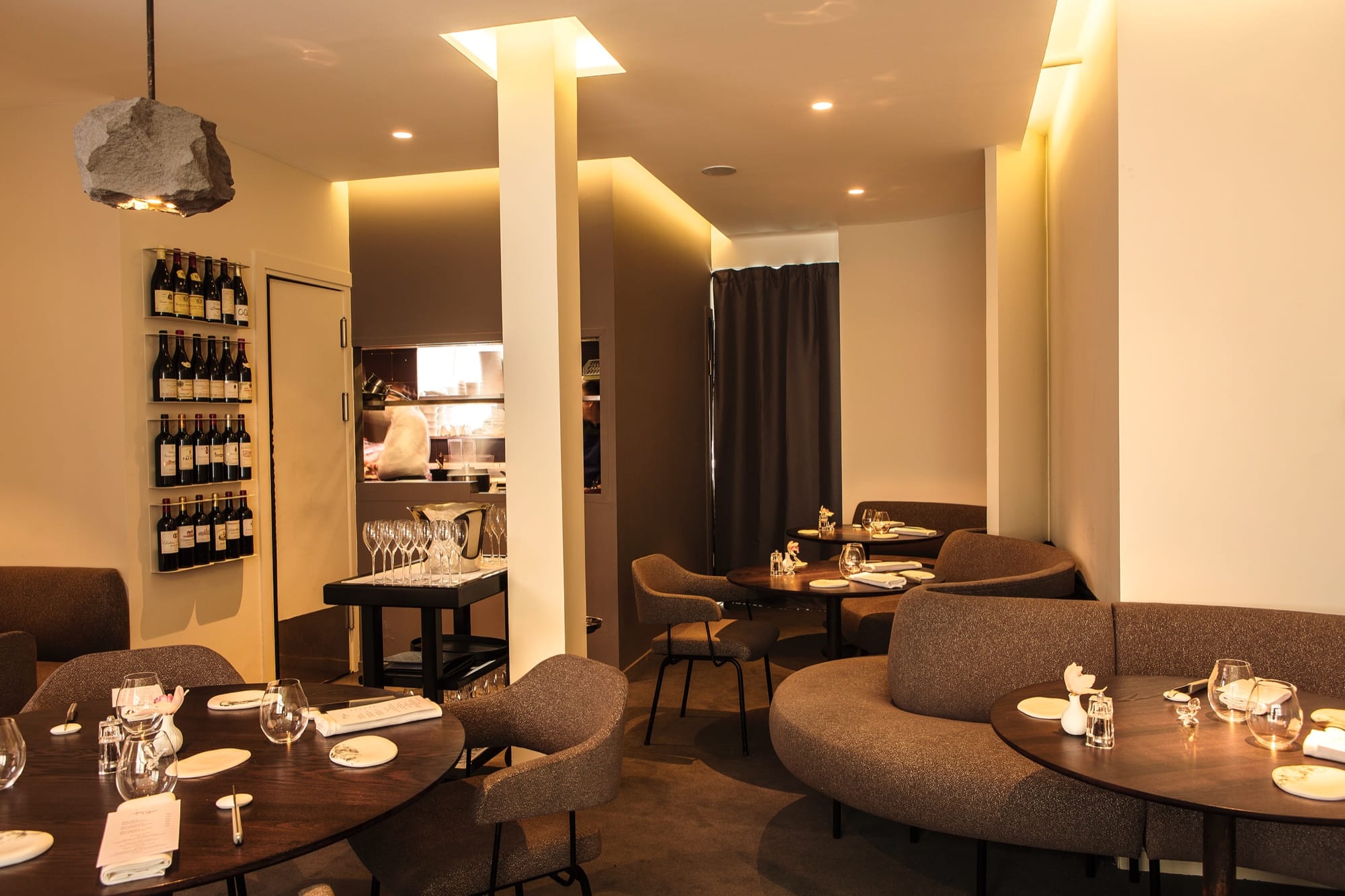
Today, Geaam favours quality over quantity, of course, the precept of French food. His eponymous restaurant in Paris’ 16th arrondissement serves up the Mediterranean flavours of his youth fused with the ingredients and rigour of French gastronomy. Signature dishes are a kind of hybrid, merging the best of both worlds. On the menu you’ll find hummos paired with salmon eggs, pigeon served with pomegranate syrup, fish enhanced with the bold flavour of sujok or labneh elevated with truffle oil. “These are not just recipes, they represent my experience,” he explains.
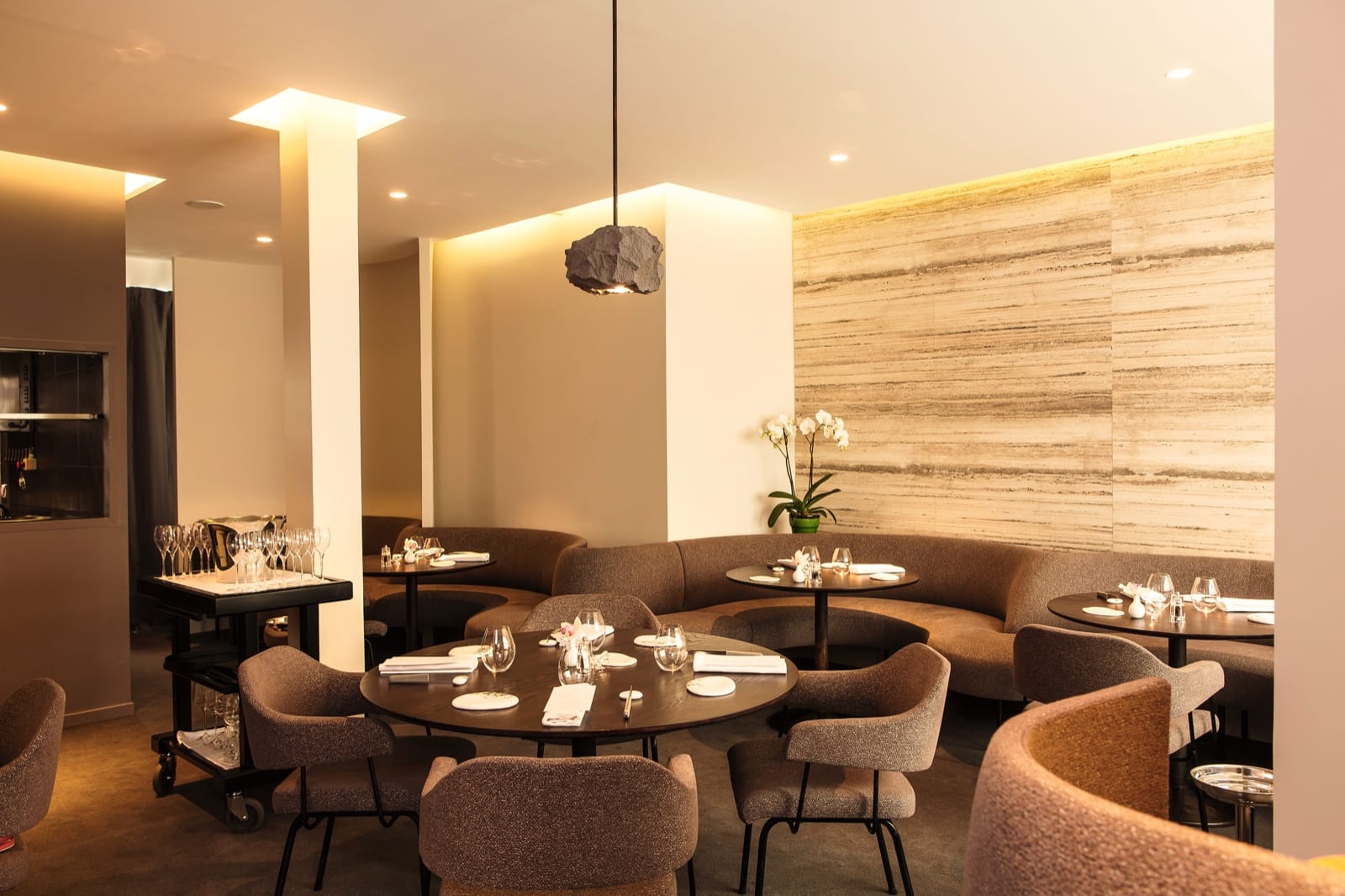
Geaam’s Michelin star, which he was awarded in 2018, is a bit of a departure for an organisation, which has a long history of celebrating French culinary excellence in its purest forms and shying away from Middle Eastern influences. Yet, the exotic and soulful twist Geaam has stamped on local favourites has seduced even the harshest critics, something the chef hopes will inspire a new generation. “In Lebanese food, they always use the same old recipes but I hope new chefs will be courageous and start to explore French techniques,” he says. “But it’s very important to live in this culture to understand French food,” he says.
Live, learn and prosper, it’s a philosophy we can all live by.