As I amble southwards on a hot train journey to Weligama along the southwestern coast, the glue-thick heat of summer makes it difficult to stay focused on the sights beyond my window. I could have taken a shorter, air-conditioned journey in one of the country’s countless Toyota Prius taxis buzzing along the smooth billion-dollar Chinese-built motorways from Colombo but then I would have missed the packets of rejuvenating chilli-sprinkled pineapple from hawkers on the train platform, and the kindness of Sri Lanka’s ever-smiling strangers – one of whom, at the age of 70 or so, offered me his seat.
It’s worth it, I tell myself as we clip along the tracks. To my left I can see the equatorial sun flickering and bleaching the island’s lush green vegetation, as well as towns and cities in motion. There are motorists at traffic lights, palm and paddy fields, thatch-roof houses and advertisements for Elephant House ice cream (a local brand that enjoys a share of around two thirds of the market). The views from the right are even more surreal. Beyond the tracks is a meagre hem of Sri Lanka’s famous white beaches and beyond that is the roar of the Indian Ocean; the hush and fizz of the waves is tantalizingly close but achingly out of reach.
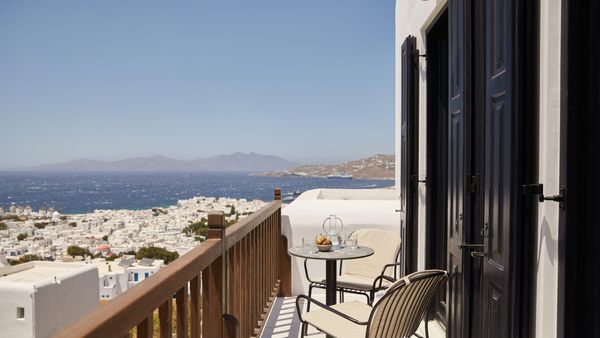
Eventually, I arrive at Cape Weligama through a series of homes and hotel signs that skirt the coast, and snake through century-old trees. A gate opens and I’m greeted with the overarching visual representation of where luxury hospitality is heading in Sri Lanka. It’s a vision of red-roofed villas, wicker and palm-appointed verandas and golf buggies sweeping past croquet lawns. Then there’s the location: the hotel stretches along a precipice overlooking entire beaches below.
Where some of the country’s leading exponents in architecture, including the renowned Geoffrey Bawa, have made thrift in construction materials a cornerstone of the island’s boutique design sensibilities, the Dilmah Group threw that idea to the wind at the Cape Weligama. “We put ourselves in the shoes of the luxury traveller,” says Malik Fernando, son of Merril J Fernando, the company founder. “This is our second property but our core business is still tea.” Indeed, it is thanks to the success of their tea, (which happens to be one of the most gifted products on the island) that Dilmah is now a global brand (and also by the way a sponsor of the national cricket team). 'Ceylon Tea Trails’, their first venture into hospitality business, evolved from them taking informal tours through their plantations. “We wanted to do it our way,” says Fernando, “focusing on one guest at a time. And for this beach resort, I wondered what I would want if I were staying there.”
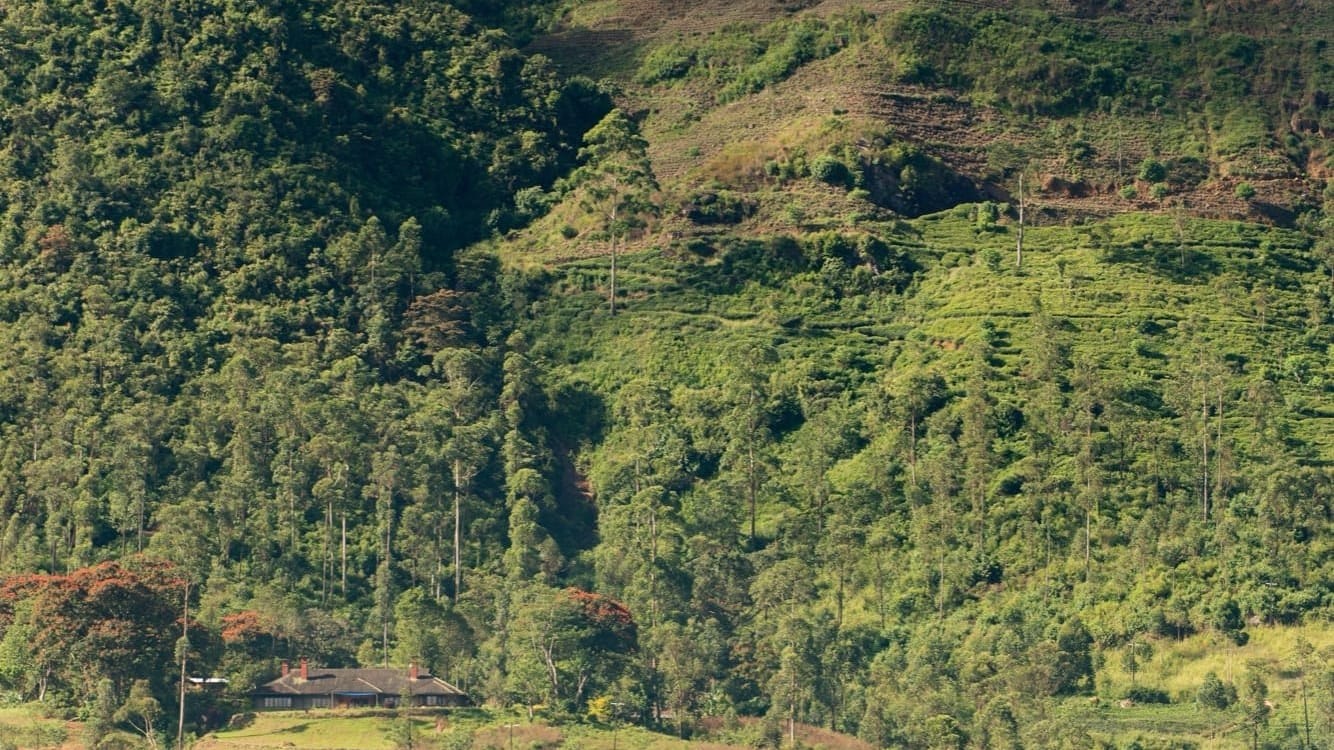
In a departure from the Trails, which can best be described as chic planter’s bungalows replete with fireplaces, infinity pools and four-poster beds positioned neatly in the midst of hillside tea-estates and waterfall country, Cape Weligama ditches the colonial recipe and looks to the Mediterranean and Thailand for some inspiration. A cluster of villas radiate across grassy slopes from a crescent pool overlooking the Indian Ocean. Several of these villas come with their own pools and gardens and guests can select from a tier of rates that include levels of butler services, meals and drinks.
Brush-metal lanterns, Indochinese fans, rich bamboo towel holders and wicker cabinets alongside polished wood, cane and marble accoutrement make the rooms here a blend of Eastern sophistication. Delightfully powerful Sonos speakers have been installed in the bathrooms and bedrooms and I was pleased to discover they’re capable of playing independently in each zone. If you don’t care for cable TV and don’t do iTunes, I’d recommend you check out their comprehensive online libraries of film and music. I watched ‘2001: A Space Odyssey’ and was lulled convincingly into dreams of Kubrickian terror. “Cape Weligama has been a labour of love,” says Fernando. “When I first saw that this coconut estate was sat on a cliff edge and had a 270-degree view of the ocean, I knew we had to do something special with it.”
On the other end of the luxury spectrum is an old-world hotel, roughly in the centre of the island, which goes by the name of Heritance Kandalama. The Heritance trades on the singular currency of how architecture, monkeys and bats can become an integral part of your stay. Perched in the middle of boulder-country, this hotel is a hill-hugging behemoth designed by the island’s favourite architect son, Geoffrey Bawa. Stretching along a rock plinth, it cuts a classically 1960s block symmetry and is placed in a seeming petri-dish of tropical overgrowth. Reassuringly far-flung from the capital, and within a quick drive to the incredible climb atop the ruins of the Sigiriya Fortress, the hotel is also a convenient short distance from the wonderfully meditative Dambulla cave temples, both of which make for great day trips.
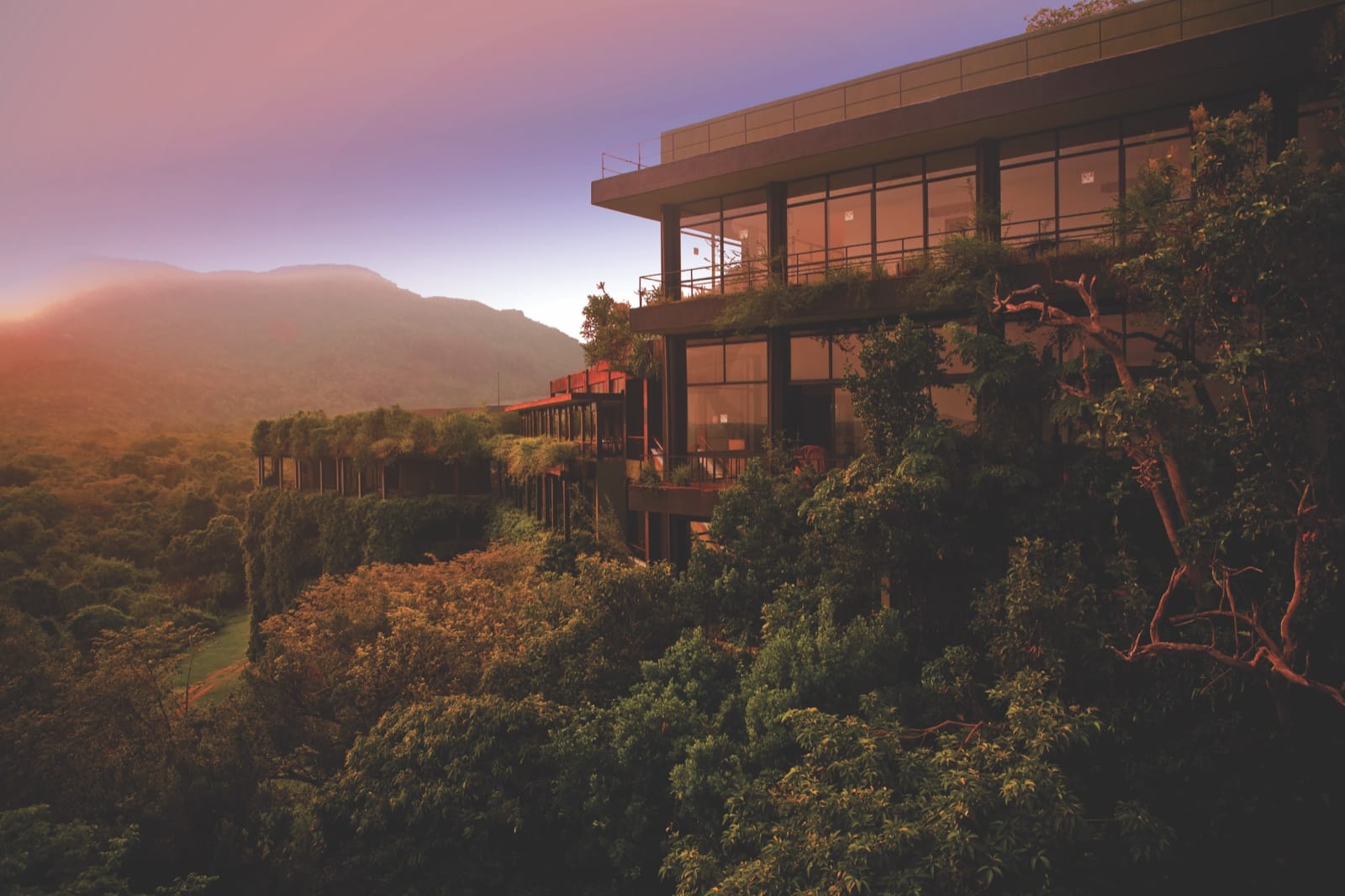
Geoffrey Bawa’s signature style, in which he carefully marries nature with cement without his manipulation appearing forced, has now been immortalised in a style known as Tropical Modernism and this property is a wonderful example of it. Expansive corridors and stairwells lead onto beautifully framed views of the elements, gigantic iron sculptures and the hills around Dambulla Lake. The furniture is rakishly part vintage and part village in its composition. And despite the hotel’s penchant for grand buffets, its Sri Lankan food is on point for both taste and presentation. The home-smoked meats – from fish to duck – are somewhat less acknowledged but are delicious. Although the hotel feels a bit tired and the peeling paint on the exterior façade isn’t exactly inspiring, you need not be put off by such factors. This is a hotel that is experienced for its restraint, for grand architecture and the kind of charm that doesn’t come with generic glass and steel.
In Katugoda, some ten kilometres from Bandaranaike International Airport, The Wallawwa hotel has moved away from Sri Lanka’s pack of centuries-old bungalows that commit to the ‘Dutch-tea-chests-and-vintage-maps-of-Ceylon’ brand of interior design. Having remodelled an 18th century villa that belonged to a former chieftain of Galle, the Teardrop group of hotels has created a mansion of 17 rooms with exposed-rafter ceilings, sweeping verandas awash in bold striped walls, a cosy little reading room, a sprawling fruit and vegetable garden spanning several acres, and one breathtaking suite named after Lord Mountbatten (who commanded the British Royal Air Force stationed here during WWII).
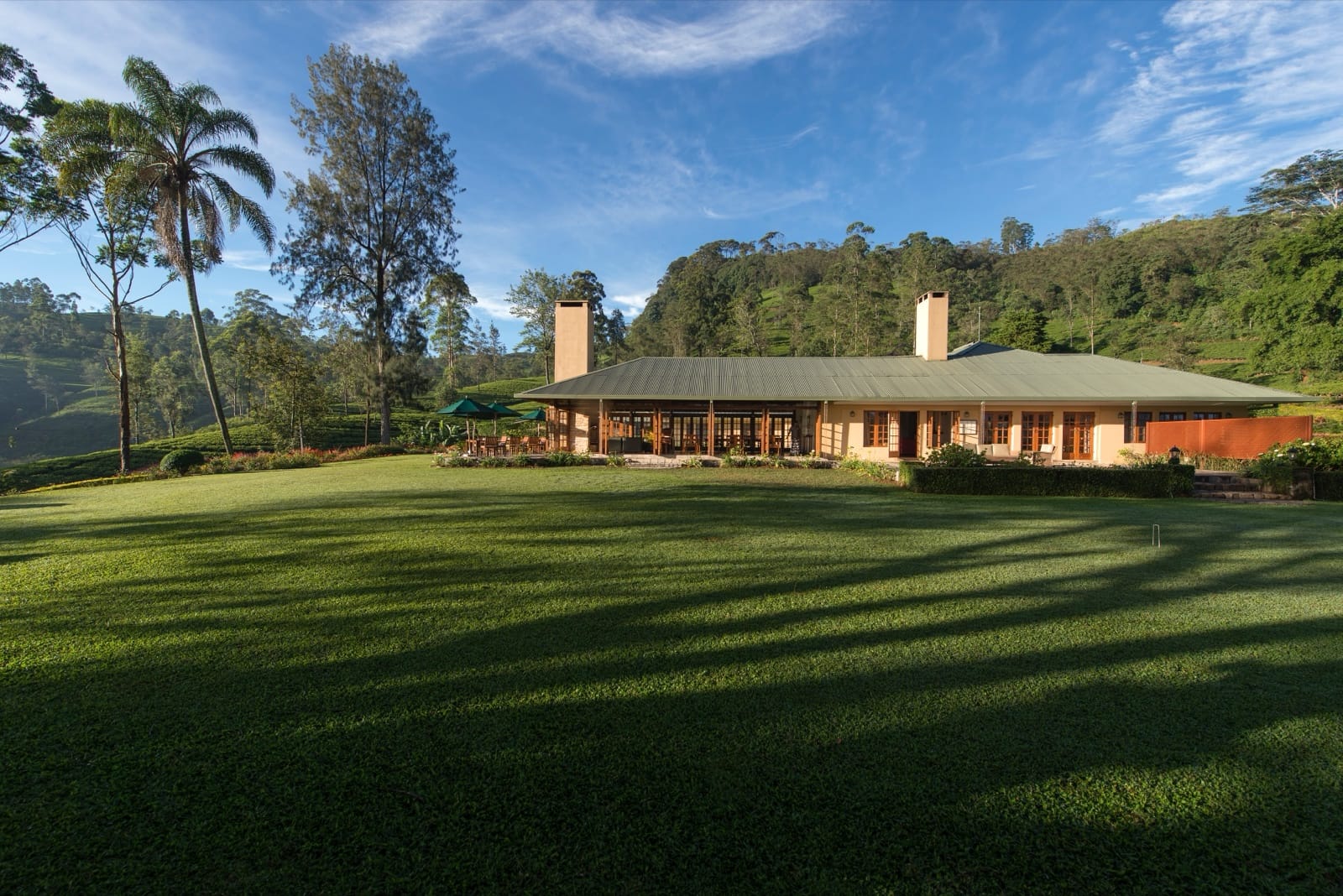
The designers of The Wallawwa have taken some of the common architectural concepts seen in colonial ancestral homes and modernised them; concrete fixtures have been given a grain of crushed stone, and bathrooms have stepped atria to allow in light. The silhouette of the traditional Doric columns has been updated so that the cement pedestals now flare from their wooden shafts to the ground and the general effect is a neat infusion of a dapper English country home within Ceylonese splendour (dropping Balinese lily ponds and bamboo gardens in between). The hotel group has repeated the feat to stunning effect in Fort Bazaar, their latest property within the 16th century Dutch fort in Galle.
Sri Lanka’s place in the tropical firmament of beach hotels and bungalows is on the rise. Although people try to compare it to its neighbours Thailand and Bali, they find it difficult to pinpoint what makes this place so unique. Perhaps it’s the warm and friendly people. With its Dutch and Portuguese ancestry, Sri Lanka brings an inimitable maritime culture to its idiom and customs and, more importantly, its cuisine, which makes the most of an abundance of local fresh produce and marries it to an arsenal of spices. Then again, perhaps it’s the fact that in its diminution, it offers a sense of community that’s lost in other places. It’s worth noting that over the centuries, many of its foreign inhabitants who came just to visit, ended up staying for good. Which makes us wonder: if you follow our lead and come to the Pearl of the Indian Ocean, would you be able to resist its charms?