Persimmon (Kharma)
Plump, orangey red and juicy, Persimmons are common in the Levant, and may be even confused with tomatoes by those uninitiated with the fruit of the region. There’s a lot of fibre in this fruit, which helps digestion and controls cholesterol and blood pressure, thanks in part to the potassium. Vitamins such as A and C help strengthen your immunity, while Vitamin B2 enhances your metabolism and gives your skin a healthy complexion. Tannins in persimmons ultimately reduce the risk of four major health problems: stroke, heart failure, cancer and diabetes. In other words, grab a persimmon while you’re still healthy.
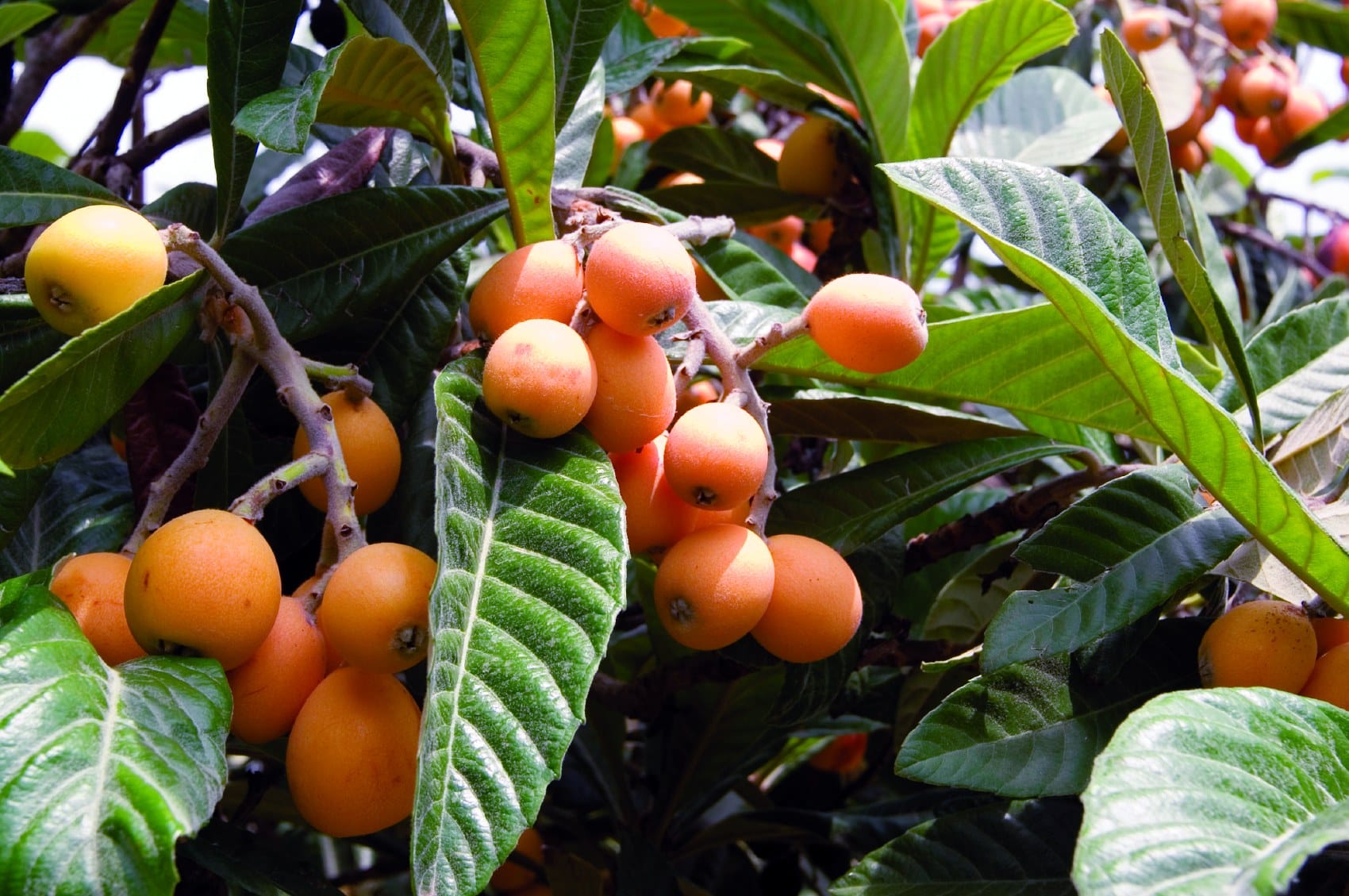
Loquat (Akkidineh)
The tart little loquat has more of a Chinese ring to it, but is very common in the Arab world. Its high content in pectin and fibre makes it a useful weapon against a runny tummy. While the Asians make jam, chutney and even cough syrup out of it, the Arabs enjoy it raw with all its benefits. Loquats, after all, are an important source of Vitamin A, potassium and beta-carotene which enhance overall immunity. Another health benefit is its relatively low calorie count. About 100g have only 40 calories, which makes loquats excellent to snack on during a diet.
Custard Apple (Ashta)
Foreigners look at this fruit with amazement, as it doesn’t even resemble anything they know. The sweetness of a custard apple can be actually good for you. These fruit release their sugar into the system slowly, providing sustained energy that doesn’t affect the body’s insulin like processed sugar. Also good for conditions like low blood pressure, the custard apple is considered a well-balanced food with protein, fibre, minerals, vitamins, energy and even a little bit of healthy fat, all rolled into one. Lastly, there are reports that insect bites can be cured by applying the juice from an unripe fruit – great if you live in mosquito areas.
Dates
Perhaps the most Arabian of fruit, dates have been a staple food in the region for thousands of years. The Prophet Mohammad reportedly said “break your fast with dates.” Due to their high fibre content, reports suggest that they may prevent abdominal cancer. They outdo other fruit in the variety of nutrients, such as calcium, sulphur, iron, potassium, phosphorous, manganese, copper and magnesium. Dates also contain stimulants that are said to strengthen the uterus during the last months of pregnancy and are considered a good food in the Arab world during breast feeding. There are reports that they may even combat post-natal depression in women and hyperactivity in children. Calcium in dates may strengthen the bones (and avoid rickets in children). Western medicine considers dates as cleanser for the intestines, whose syrup could combat colds and fever. Whether all these benefits have been scientifically documented or not, the last 6000 years of cultivation are a testament to the usefulness of dates across many civilizations, from the Persians to the ancient Egyptians.
Guava
Common in Egypt, exotic guavas can be called super fruit due to their extremely rich content in vitamins A, B, and C. In fact, a single guava fruit contains more vitamin C than an orange. It also contains high amounts of immune-boosting calcium, which is generally not the case amongst other fruit. Guava can improve heart health by helping to control blood pressure and cholesterol. Its ability to lower blood pressure could be the result of potassium. The fruit boasts hypoglycemic and anti-bacterial properties. Interestingly, while the fruit itself is highly effective in combating constipation, the astringent roots, bark, leaves and immature examples are commonly employed to halt gastroenteritis, diarrhoea, dysentery and vomiting in cholera patients.
Mango
Another common Egyptian favourite yet not widely available in Europe and the Americas, mangoes are packed with vitamins, minerals and anti-oxidants. They are considered ideal for replenishing salts, vitamins and energy after physical exercise. Some folklore traditions believe that mangoes strengthen and invigorate the nerve tissues in muscles, heart and brain among other parts of the body. The enzymes of the mango, such as magneferin, katechol oxidase and lactase, clean the bowels and are considered antidote for all toxic effects inside the body. There are claims that they provide sufficient resistance for fighting germs and infections overall. In the book titled Plants Used Against Cancer, Dr. Jonathan L. Hartwell believes that the phenols in mangoes (quercetin, astragalin, etc.) as well as the abundant enzymes, have healing and cancer-preventing properties. The fruit may also have a protective effect in treating gall bladder cancer. Lastly, mangos contain a lot of tryptophan, the precursor of the “happiness-hormone” serotonin. In other words, don’t be surprised if you’re the life of the party after drinking some fresh mango juice.
Quince (Safarjal)
Quince isn’t usually eaten raw. In Lebanon, quince is used to make jam, while in Syria it is used to make kibbeh safarjalieh. The Iranians use it in stews. There are reports that the seeds are used as a remedy for pneumonia and lung disease. The fruit contains healthy minerals such as iron, potassium, potash and phosphorus, and it is high in Vitamins A, B2 and C. It also has healthy amounts of fibre and pectin, useful in preventing coronary heart disease, reducing cholesterol and protecting against atherosclerosis. In alternative western medicine, quince syrup may be used to alleviate loosening of bowels thanks to their astringency. There’s even evidence that the wine and cider made from the quince fruit could benefit asthma sufferers.
Pomegranate
It is interesting to note that the ancient city of Granada in Spain was renamed after the fruit during the Moorish period. Today, pomegranate concentrate is extensively used in Iranian, Syrian and North Lebanese cuisine. The pomegranate provides 16 per cent of an adult’s daily vitamin C requirement per 100ml serving. Preliminary studies have revealed that pomegranate juice is effective in reducing heart disease risk factors, including atherosclerosis and cardiovascular disease. A first for any fruit, the juice may also have antiviral and antibacterial effects against dental plaque. Still, you’re advised to continue visiting your dentist.
Pomelo
Grown abundantly on the Levantine coast, this citrus fruit, according to the
University of Florida’s Institute of Food and Agriculture Sciences (IFAS), Pomelo is fat-free, sodium-free and cholesterol-free. As a citrus fruit, it is a good source of vitamin C and potassium, and low in calories as well. One cup of pomelo sections contains just 72 calories. A chemical compound found in pomelo called furanocoumarin can boost the effect of certain medications, especially those for controlling blood pressure and lowering cholesterol, as well as organ transplant drugs, HIV drugs and sedatives. Ancient medical practices believe that the fruit may have been used to calm seizures and coughs. Even the leaves are used as a pumice to reduce skin swellings and cure ulcers.