As a family business, Ermenegildo Zegna goes back to the second half of the 19th century. Angelo Zegna a watchmaker by trade, decided to open a wool mill when he married his second wife and inherited four looms in the process. Yet, of his ten children it was the last, Ermenegildo (born in 1892) who took over the business.
As a young man, Ermenegildo who had studied textile production at a local college, made a trip to England specifically to visit, then famous, Yorkshire’s mills. Subsequently in 1910, at just 18-years of age, he founded his eponymous clothing brand.
“The citizens of Trivero didn’t know whether to consider Ermenegildo Zegna a madman or a dreamer but they all agreed he wasn’t in that category of people said to have their feet on the ground,” Aldo Zegna, Ermenegildo’s late son, wrote. “In practice, however, Ermenegildo Zegna’s feet were planted far more firmly on the ground than the good inhabitants of Trivero were willing to believe”.
Ermenegildo broke down his vision into three pillars. The first was quality. In this pursuit he recognised the need for an international vision and therefore scoured the globe for the very finest raw materials, buying them directly in the countries of origin. The second pillar was technological innovation and here he saw the need to procure machinery from his established rivals in Great Britain. The last pillar (which was ground-breaking for its time) was to devise a communication strategy capable of giving the Ermenegildo Zegna brand worldwide visibility. The result? His insights proved sound and his brand was a ravaging success even in as far away markets as New York.
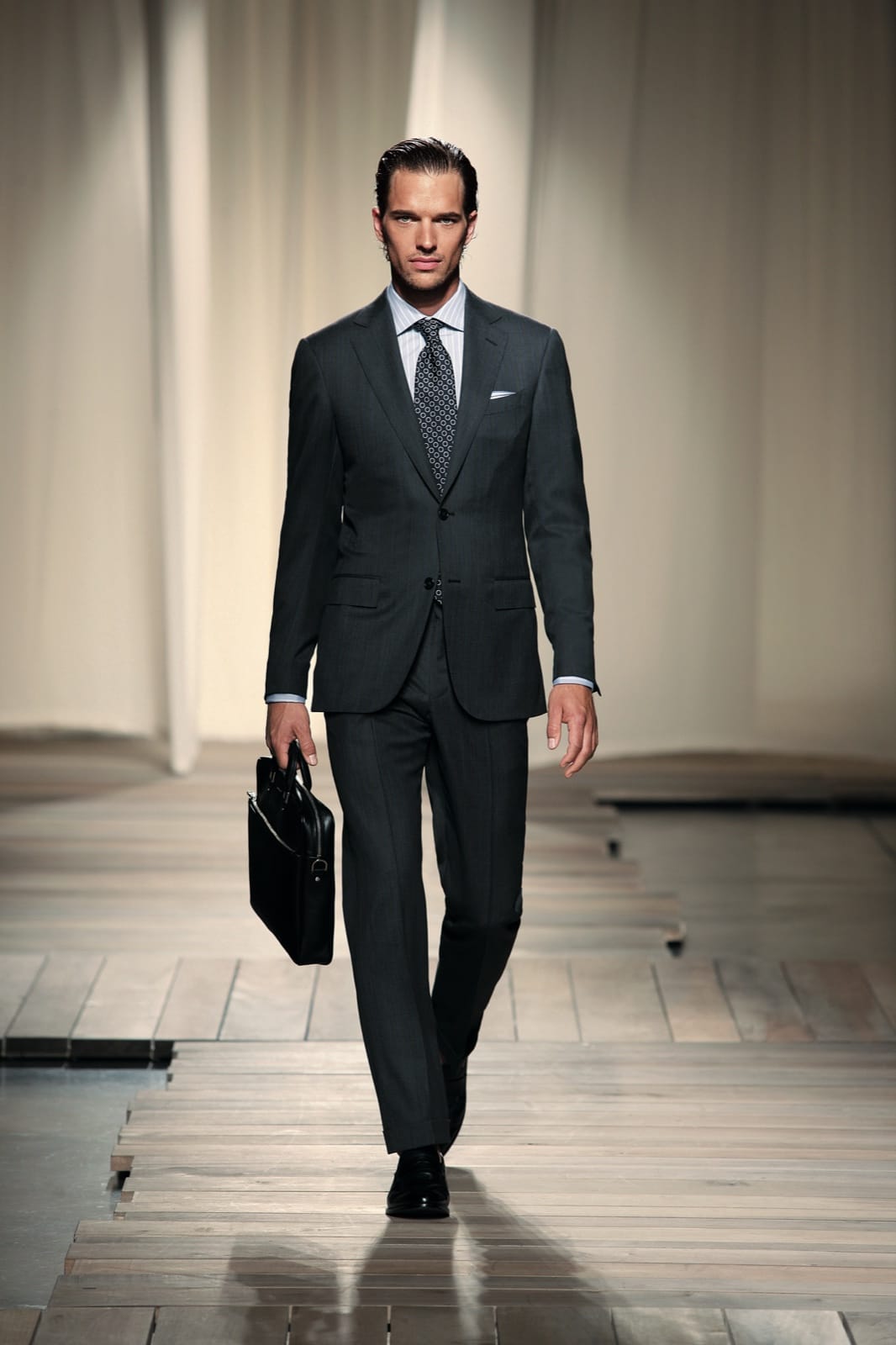
Back in 1910, Ermenegildo’s first ultra-high-quality wool fabric weighed only 500 grams per square metre – astounding for early-20th century suit making standards. More than half a century later, his sons, Aldo and Angelo, put their own stamp on the family business with the introduction of Su Misura (made-to-measure), a method of producing custom suits partly by machine and partly by hand, something that transformed the Zegna company. Today, with the Trivero plant turning out more than 2 million metres of fabric a year and the range of menswear encompassing the top quality suits and other official wear in the main Zegna line to the more casual and sports items oriented towards younger customer in Z Zegna and Zegna Sport collections, the founder’s grandchildren carry on this tradition of innovation. Under their tutelage, the business has expanded beyond textile production and suit making to achieve wide recognition as a vendor of footwear and fine leather goods.
Indeed since the turn of the millennium the company consolidated this growth with the acquisitions of Agnona (a cashmere mill and women’s clothing maker), and Longhi (the Italian leather goods manufacturer) that helped Zegna enter the leather outerwear business. Zegna’s additional newer offerings include small leather goods, fragrances, and eyewear, and there’s talk of possible further ventures into underwear and even watches. “People think we are developing all these new products to satisfy our own egos, but it’s really out of necessity,” says Anna Zegna, director of worldwide communications. Anna manages the privately held company together with her siblings, Ermenegildo (known as Gildo) and Benedetta.
Another modern age necessity was to become a worldwide retailer, and Zegna recognised the effectiveness of anticipating trends and investing in opportunities that have the potential to become profit centres in the future. Consequently the brand has been rapidly opening stores in emerging markets such as Russia, China, India, South America and our own region – the Middle East. Gildo Zegna, chief executive of the company explains that, “What we used to call the emerging markets have emerged.”
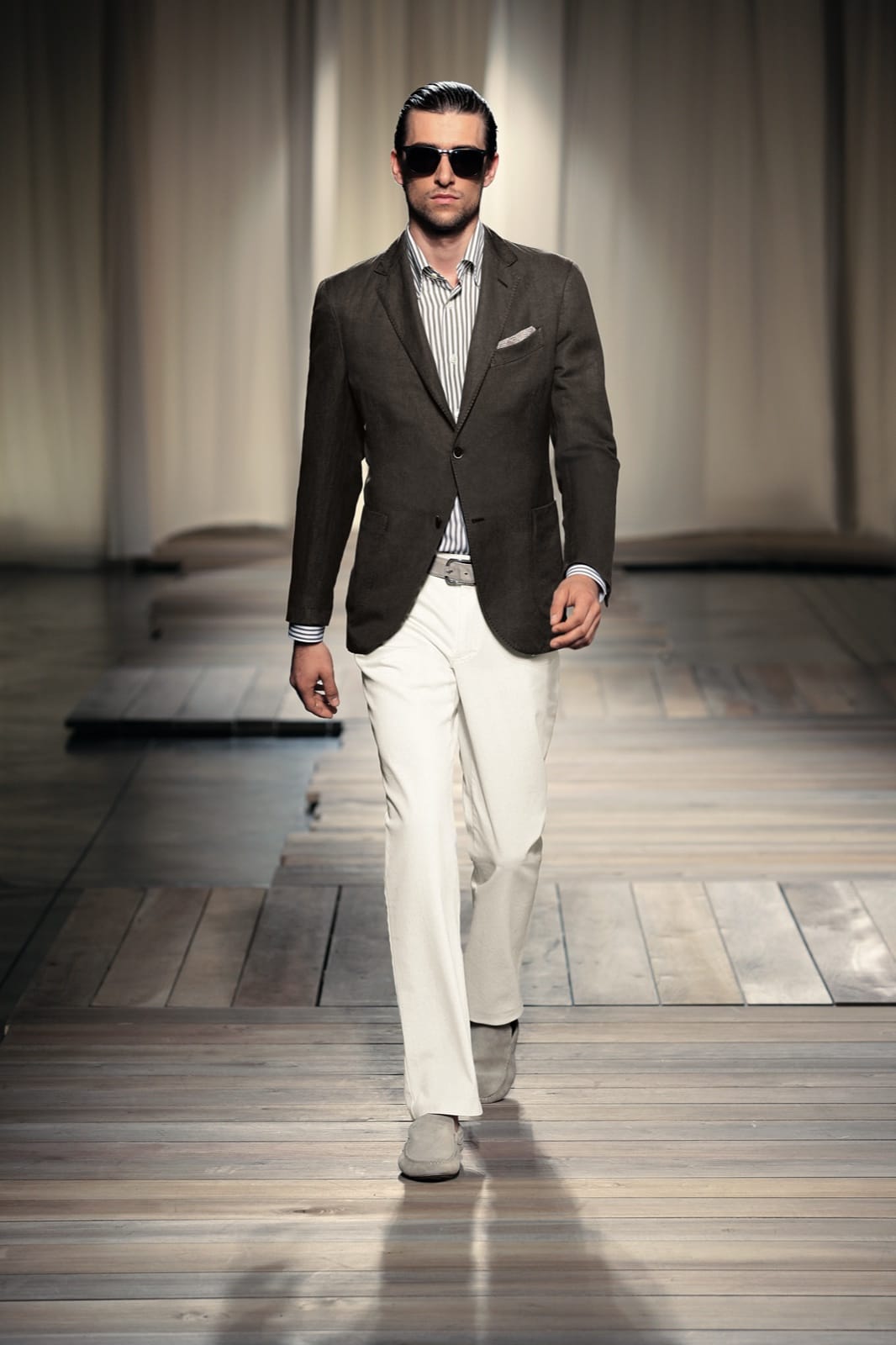
One of the more standout aspects of contemporary Zegna is that it has become a philanthropic entity that is especially devoted to addressing environmental concerns. With suppliers across the globe, the company goes to great lengths to promote the sound origins of the wools used in their clothes. To this end, Zegna created a number of annual awards, regional and international, to be given to the producers of the finest wool used in their products. This year, the prize for the best superfine wool was won by an Australian farm in New South Wales which had set a new world record for the fineness of its fleece. All this is designed to promote the origins of Zegna’s cloth, and is echoed in the precise naming of the material. It’s not merely cashmere, it’s Inner Mongolian Cashmere, and wool is, for instance, Superfine Australian Wool. It all harks back to the founder’s wish to source and celebrate the very best the world has to offer.
In something of a new chapter for the company, Zegna has been closely involved with the development of the Mongolian cashmere and, perhaps most importantly, the Peruvian vicuña markets. It is only in relatively recent times that companies have become involved in the production of these fine wools. Through the Peru and Mongolia Projects, the company has committed to assisting in the drilling of much-needed water wells for the herders and their livestock. In the case of Peru, the main habitat of the alpaca and vicuña herds, the company has liaised closely with the Peruvian government and other international firms to promote the survival and wellbeing of the animals.
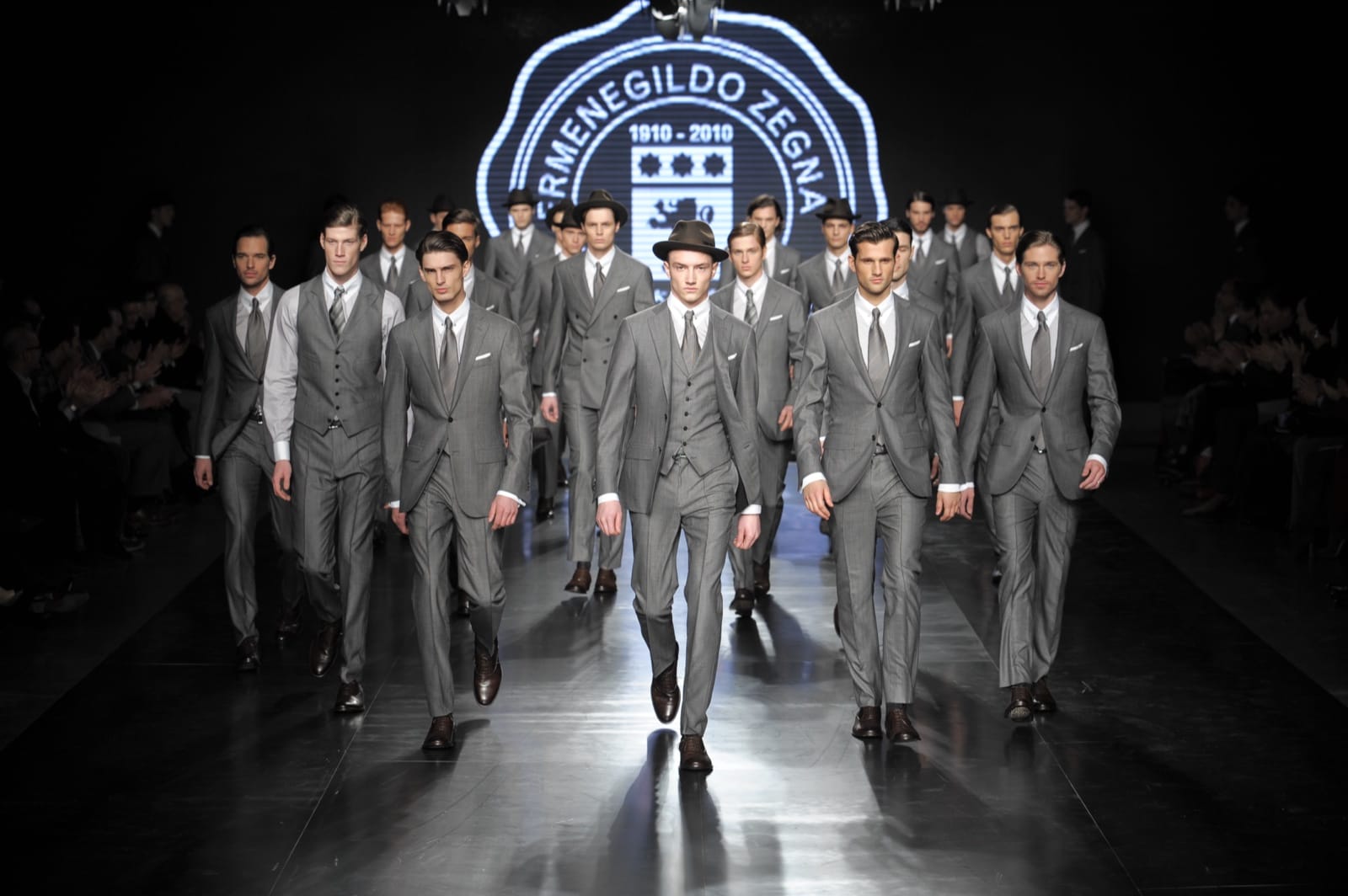
Zegna remains a leading luxury brand, world-famous for its menswear and traditional appeal. The enduring strength of the company lies in its family heritage and close commitment to using the finest products on the market. Moreover, the efforts taken by Zegna to promote the industries on which it relies are laudable. For devotees to luxury tailoring the world over, Zegna is at once a leading brand and a cause for celebration.
HYPERLINK "http://www.zegna.com"www.zegna.com