Welcome to OFFICIAL BESPOKE’s dedicated supplement exploring the science shaping our future and the breakthroughs redefining what is possible. From pioneering research and emerging technologies to transformative discoveries, this issue brings together the ideas, minds and innovations pushing the boundaries of human knowledge. We spotlight the scientists, entrepreneurs and visionaries turning bold hypotheses into real-world impact across medicine, technology, sustainability and beyond. Consider this your guide to the discoveries that matter today—and the innovations poised to define tomorrow.
Science Rules
If you thought the spirit of science in the Arab world is as dry as the desert, think again.
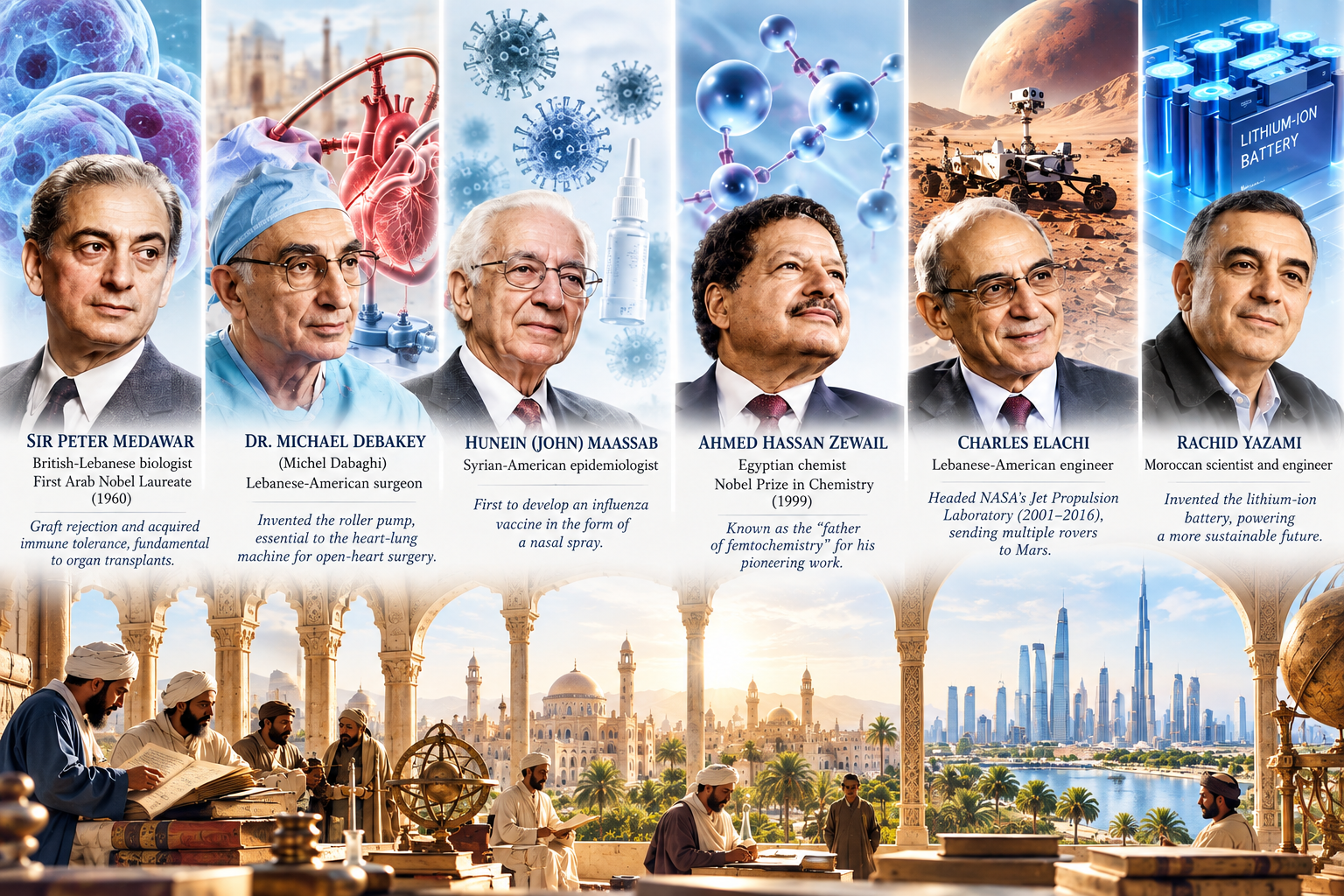
The Golden Age of science in the Middle East may have been between the 8th and 13th centuries, but we’re still actually producing a brilliant few, capable of leaving an indelible mark in the annals of history. A prime example is the late British-Lebanese biologist Sir Peter Medawar. He was the first Arab Nobel Laureate, honoured in 1960 for his work on graft rejection and the discovery of acquired immune tolerance, both of which proved fundamental to the medical practice of tissue and organ transplants. Then there’s another Lebanese man of sciences, Dr. Michael DeBakey (born Michel Dabaghi), who passed away in 2008. He invented the roller pump, an essential component of the heart-lung machine that permits open-heart surgery. Or how about Hunein (John) Maassab, the now 86-year-old Syrian-American professor of Epidemiology, who was the first person to develop an influenza vaccine in the form of a nasal spray. Then we have Ahmed Hassan Zewail, who sadly recently passed away. Known as the “father of femtochemistry”, this Egyptian chemist was awarded the 1999 Nobel Prize in Chemistry for his pioneering work. And there’s Charles Elachi. He headed NASA’s Jet Propulsion Laboratory from 2001 to 2016, during which time he sent multiple rovers to Mars. And finally, let’s take a moment to reflect on where we’d be were it not for Rachid Yazami, the Moroccan scientist and engineer who invented the lithium-ion battery. All of whom go to show there is still a strong link between science and the Arab World.
Real Solar Energy
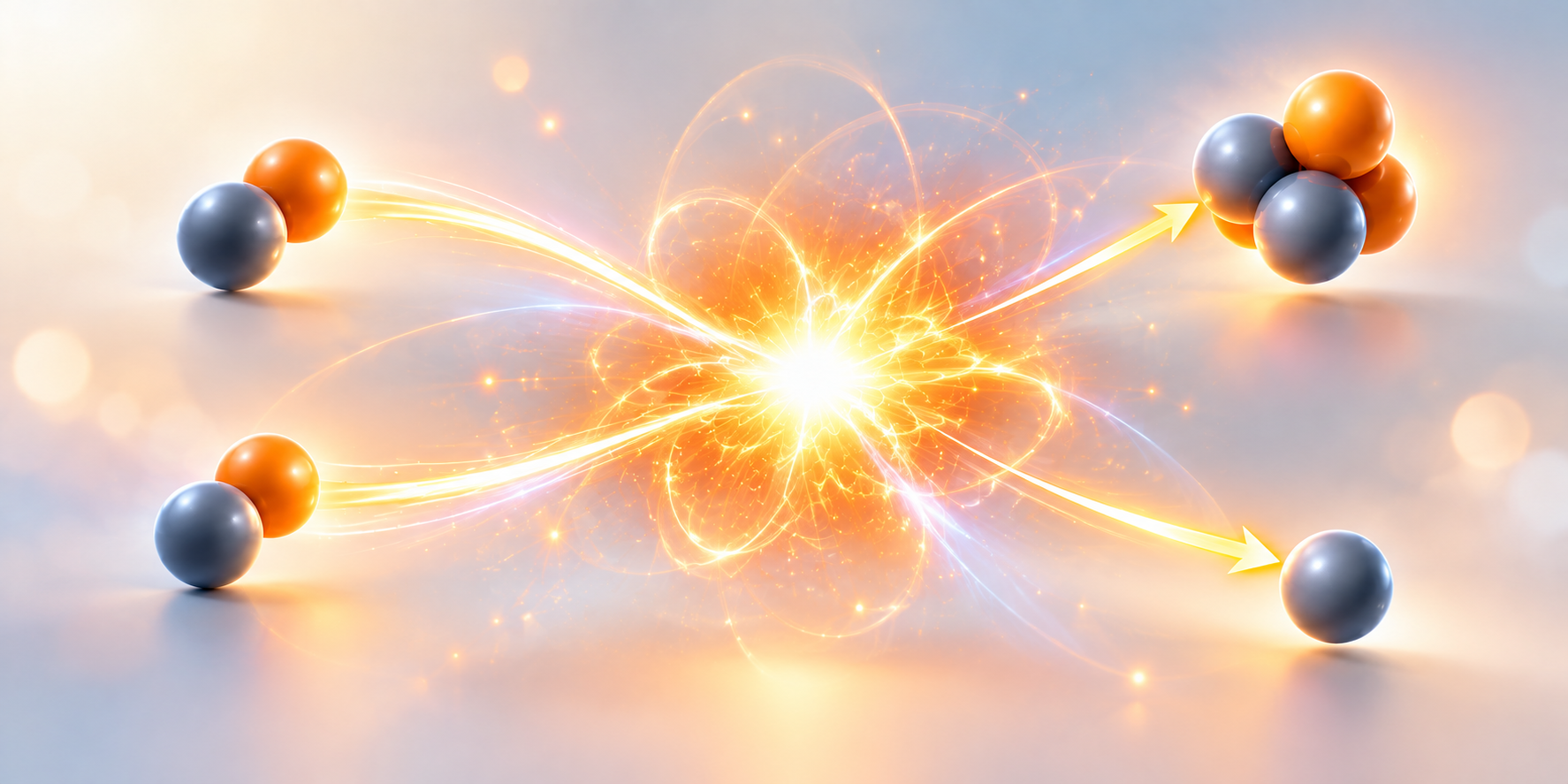
Nuclear fusion is our most promising option for clean, cheap and safe energy.
What is Nuclear Fusion? It’s the energy that fuels the Sun and is therefore the fundamental source of all power in the solar system. It is also the opposite of what the world’s nuclear power plants have been running on since the 1950s – fission. You see, where fission splits heavy atoms, fusion combines light ones. And unlike fission, fusion doesn’t produce substantial volumes of radioactive waste. It is not a new science though, and its tag line of being ‘just a decade away’ is growing tired after nearly 50 years now.
The good news though is that research – and funding – into the area has lately escalated. For example, the European Investment Bank just pumped 300 million USD into a ground-breaking experimental reactor to be built in Italy. Similarly, the UK recently announced plans to build a new 30 million USD nuclear fusion research facility. And then there is the International Thermonuclear Experimental Reactor based in France, which plans to start running the first experiments in 2025.
Will nuclear fusion be achieved next year? No. But the key that opens the door to its success might finally be around the corner.
The Eyes Have It
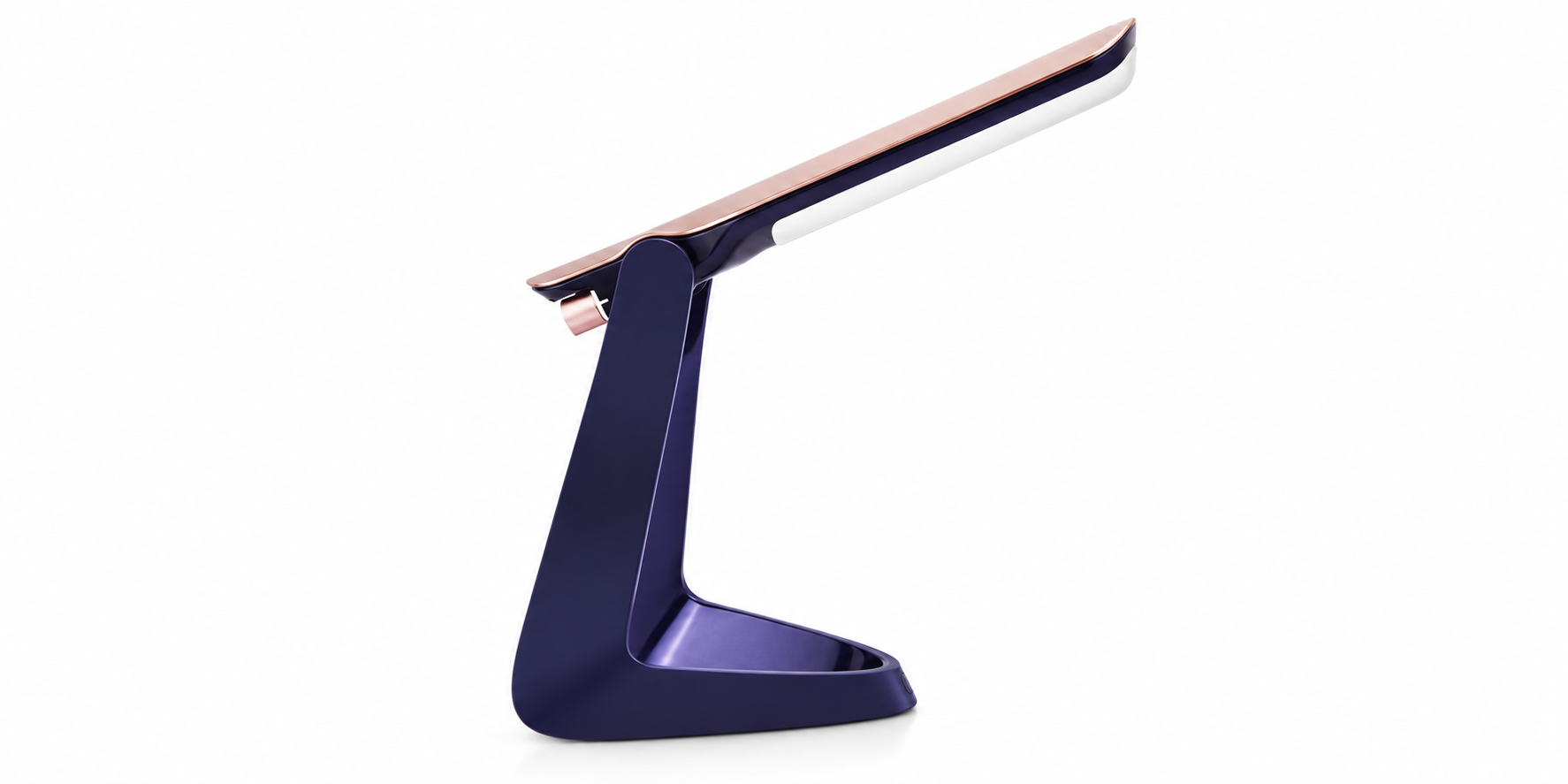
A reading aid lamp designed specifically for dyslexics.
A small study published in 2017 found evidence that dyslexia – something that afflicts one in ten people – might be caused by a patch of light-sensitive cells in the eye. In non-dyslexics, the cells are arranged differently between the two eyes, with information from one eye overriding the other. However, in dyslexics, both eyes have the same pattern, meaning that two pieces of information are sent to the brain at the same time and creating a mirroring effect.
This pioneering 660 USD Lexilight claims to reduce this mirroring effect by using pulsed light to allow one eye to take dominance. As such, it could be a real game changer for those with dyslexia.
Abreast of Tech
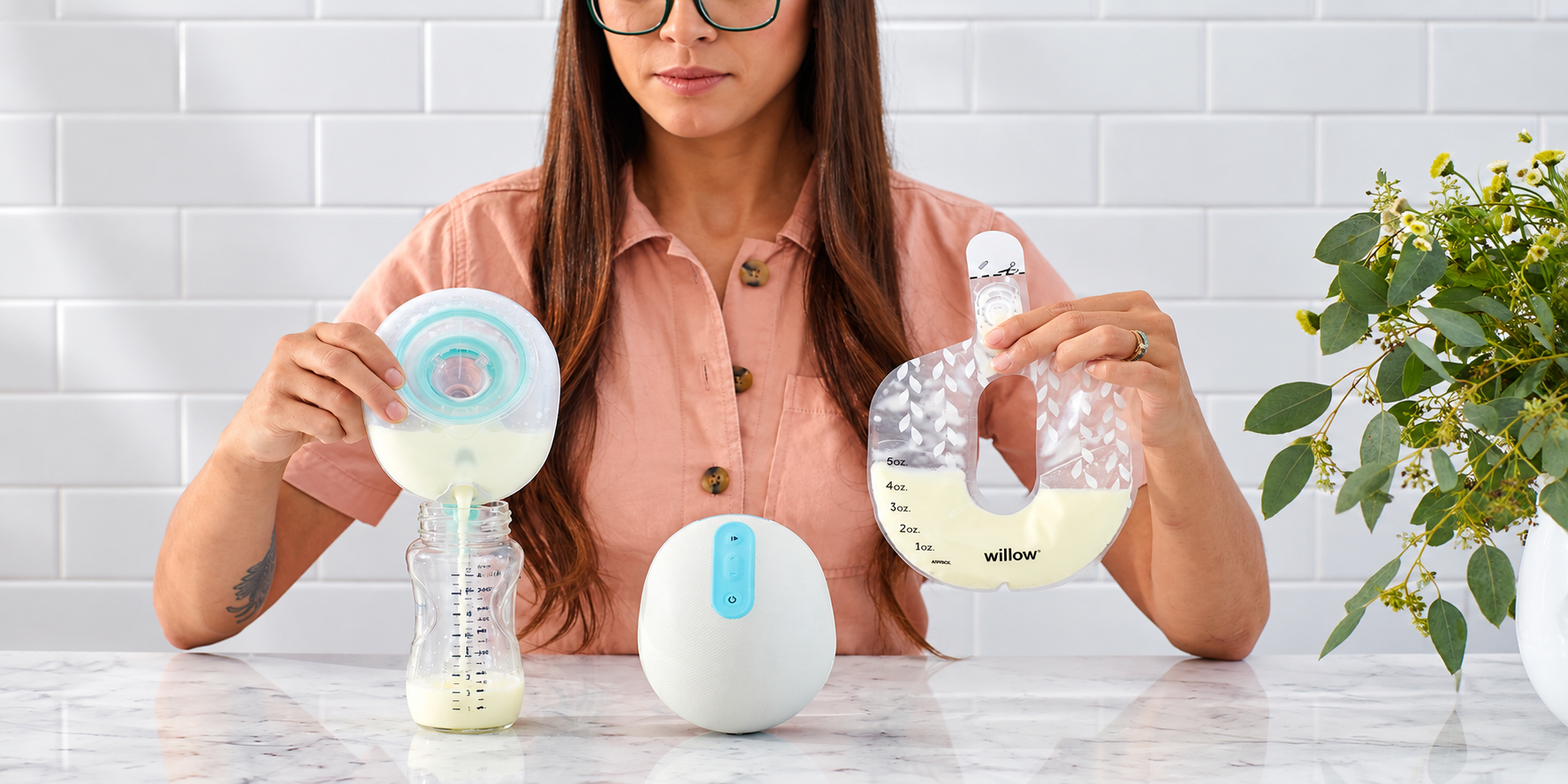
A no-spill all-in-one breast pump that fits in your bra and goes where you go.
It’s a fact that not all medical breakthroughs can ever be fully comprehended by all and that’s certainly the case for Willow, which actually revolutionised the breast pump for women. That’s because, where previously women had to endure something more akin to a milking machine used in commercial dairy production, Willow freed women through its patented technology. Not only does it fit in your bra, it’s also cordless, hands-free, and runs so discreetly it can be worn while commuting, cooking dinner or even working at your desk. All you have to do is wear the 500 USD ‘2.0 Breast Pump’ and let it suckle – everything else is done with the smart app. Not only does it tell you how much you’ve pumped in real time, it also compares the volume to all your past sessions.
Come to Life
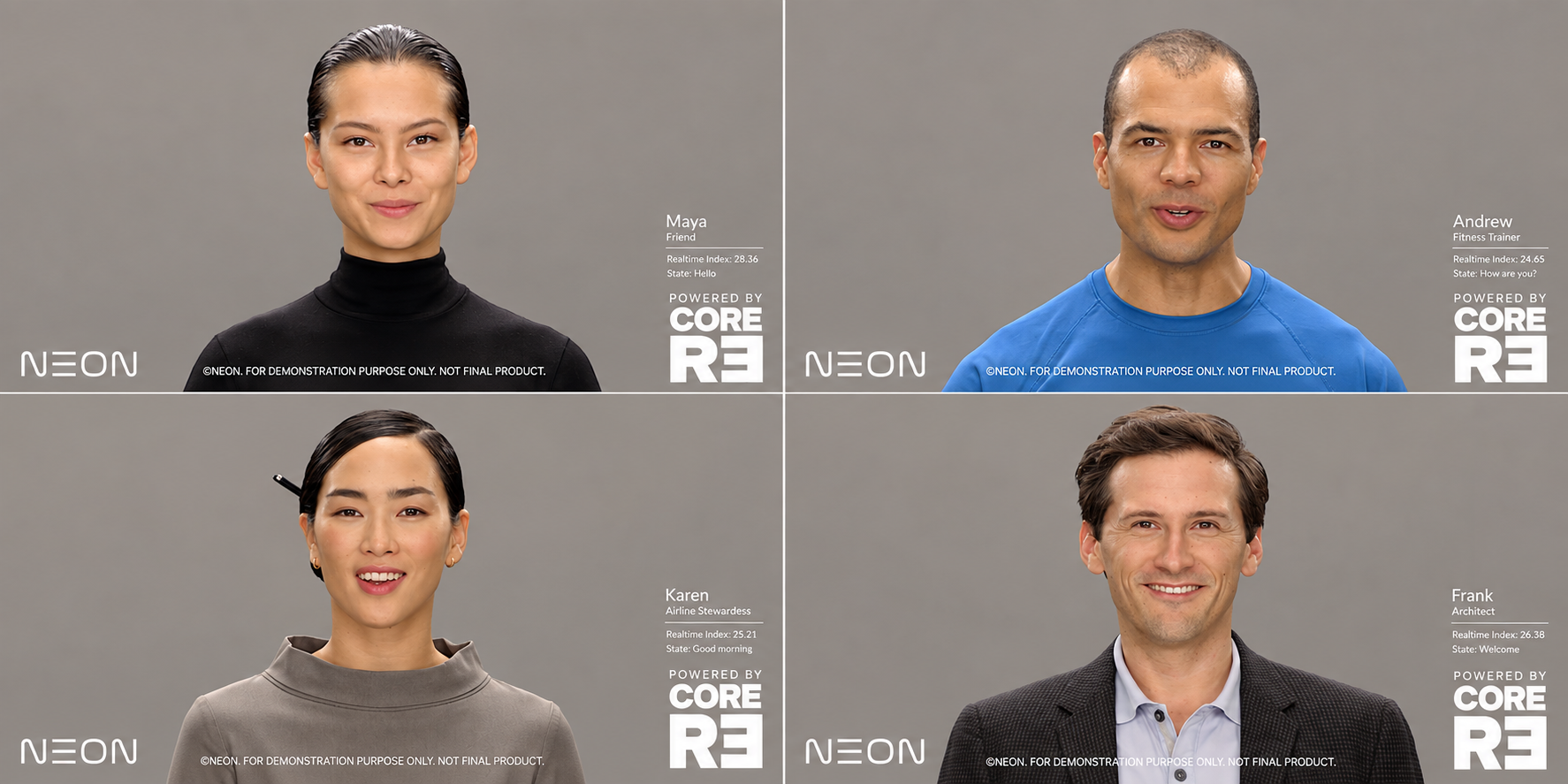
An ‘artificial human’ project by Samsung involving realistic human avatars that’ll work as guides, receptionists, and more.
STAR Labs (short for Samsung Technology & Advanced Research) announced at the beginning of this year that they had developed a new ‘artificial human’. It isn’t a robot or a voice assistant like Siri or Alexa. Instead, it’s a simulated human assistant that appears on a screen and learns about people to help it give seemingly intelligent and life-like responses – think of it like an animated chatbot.
The company hasn’t yet gone into any details on the AI behind Neon. However, we know that the platform should rely on their new Core R3 (reality, real-time and responsive) and Spectra proprietary technologies, the latter of which lends its artificial intelligence to Neons. Therefore, Neons should, at least in theory, be self-sufficient without exterior AI components.
What’s more, Samsung’s on-stage demonstration at CES in January included questions in English, Korean, Chinese, and Hindu, so it seems like Neons will be able to provide a bridge to cultural barriers too.
“Over time, Neons will work as TV anchors, spokespeople or movie actors; or they can simply be companions and friends,” a spokesperson from Samsung revealed. “We plan to make Neon available to business partners as well to consumers all around the world. It is too early for us to comment on the business model or pricing for Neon, but we plan to beta launch Neon in the real world with selected partners later this year.”
Body of Work
Non-invasive surgery now allows people to easily create the body they want.
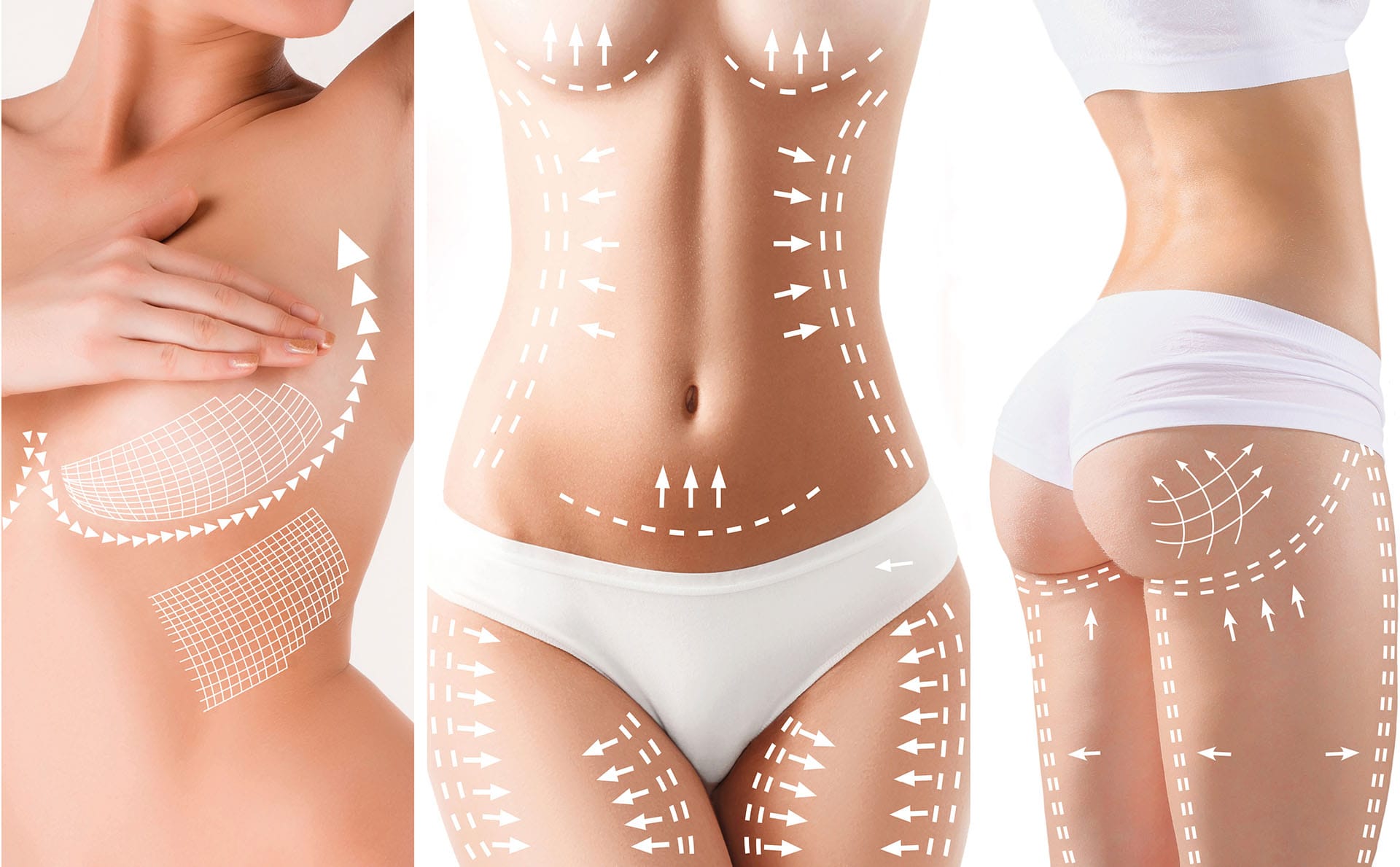
Though the words “body contouring” sound rather self-explanatory, the procedures used to achieve it are wide and varied. Liposuction and tummy tucks both fall under the body-contouring umbrella, but nonsurgical procedures such as temperature-based fat reduction, skin tightening, muscle enhancements, or even cellulite-reducing injectables have wildly increased lately and experts believe non-invasive options will only continue to flourish in the coming years.
Take Lumenis NuEra Tight, for example. It’s a painless and fast-acting technology that uses powerful radiofrequency waves to treat both superficial and deep tissue to improve the appearance of skin laxity, achieve skin tightening, skin toning, and improve cellulite. Or TruSculpt Flex, which increases muscle mass by an average of 30 per cent in just two weeks. It’s no wonder then that they’re saying body contouring has become the future of beauty.
A Calmer Life
Reduce stressful frequencies, not sound.
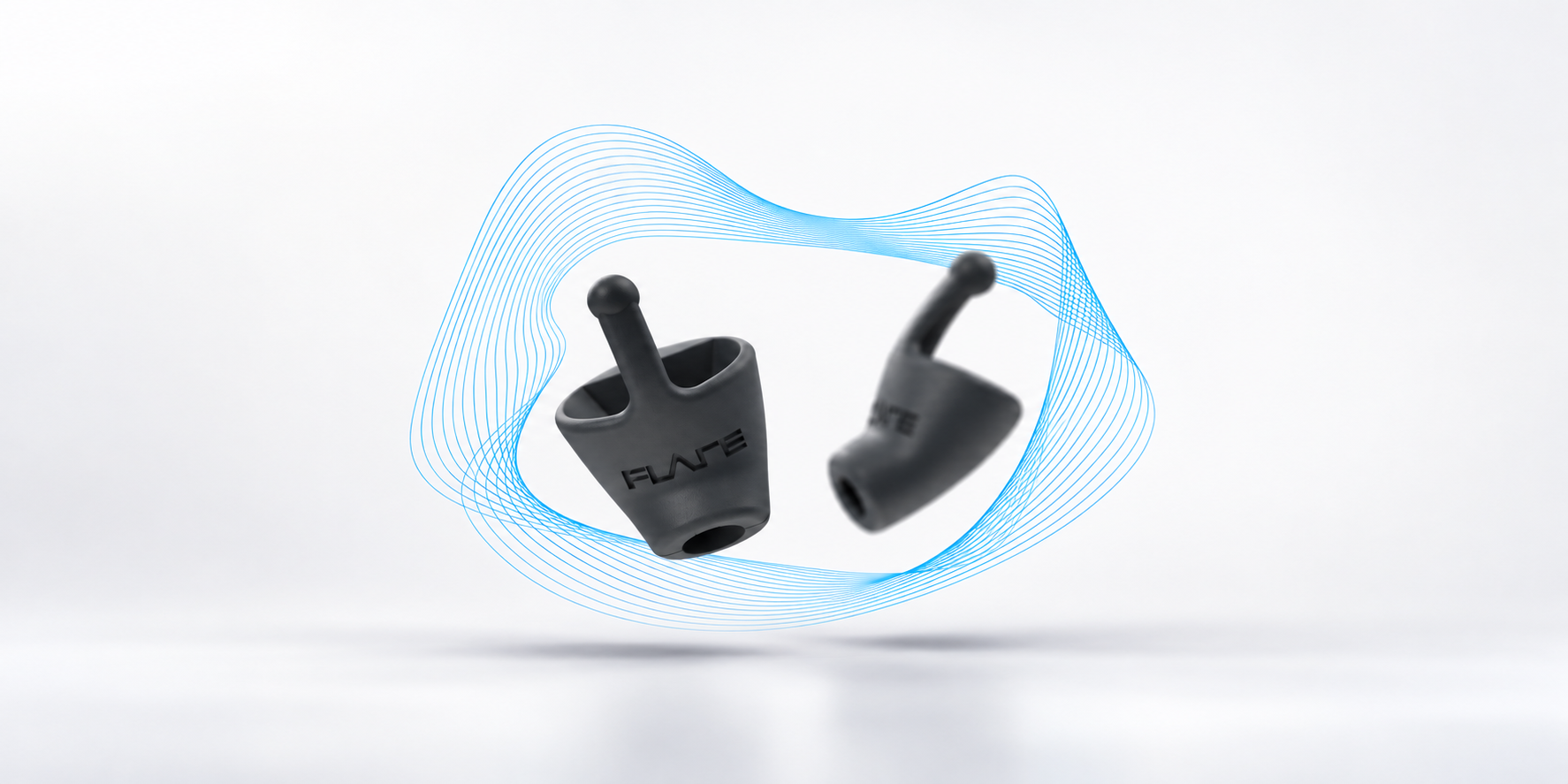
Calmer is a unique single piece hearing device that’s designed to improve your daily audio experience and lower stress levels by reducing distortion in your ears. Think of it as a set of 27 USD earplugs that filters out stress triggers, without muffling sound. Plus, some great news is that its ability to reduce unwanted energy between 2 kHz and 8 kHz has helped a few people with tinnitus too.
Boggles the Mind
New bio-mimetic pleasure device breaks technological and cultural barriers.
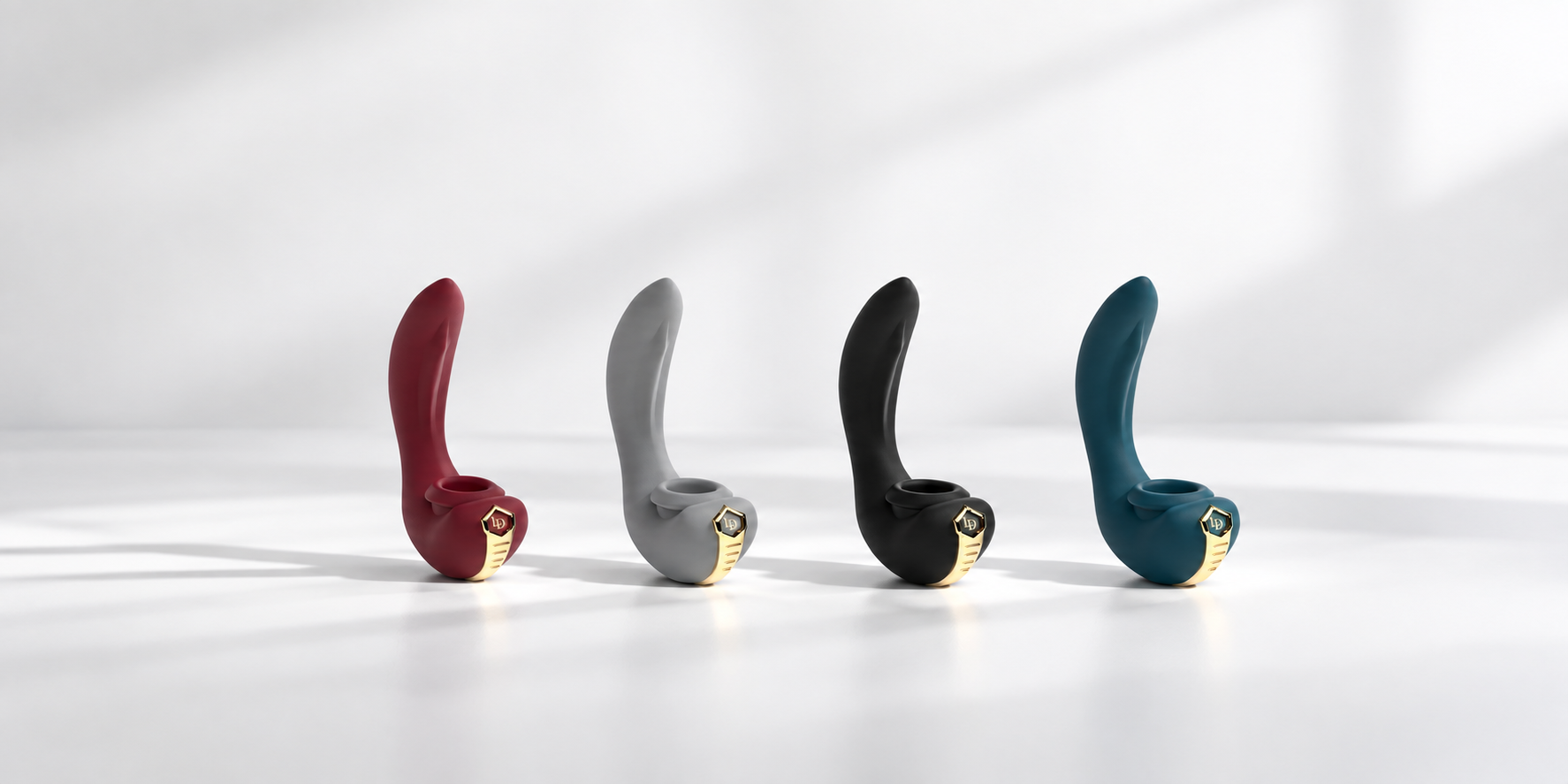
The Consumer Electronics Show (CES) in Las Vegas created a public relations disaster last year when they nominated start-up Lora DiCarlo for the radical micro-robotics it had developed for a new massage product – Osé – only to then unceremoniously revoke the award once they realised it was an “immoral, obscene and indecent” sex product.
The incident led to immediate public outcry, which eventually forced the show’s organisers to give back the award. But the sorry affair helped turn the hands-free product – designed for “blended combination clitoral and g-spot stimulated orgasms” – into an overnight success. The company’s founder, Lora Haddock, has since admitted CES did them a huge favour.
Robo-Ramp Agent
The future is superhuman handlers.
The challenges put on large airports’ baggage systems can be summarised as: handling a high number of bags in a short period of time, in a limited space, with all sorts of disruptions, whilst complying with stringent regulation upon security, sustainability and health and safety.
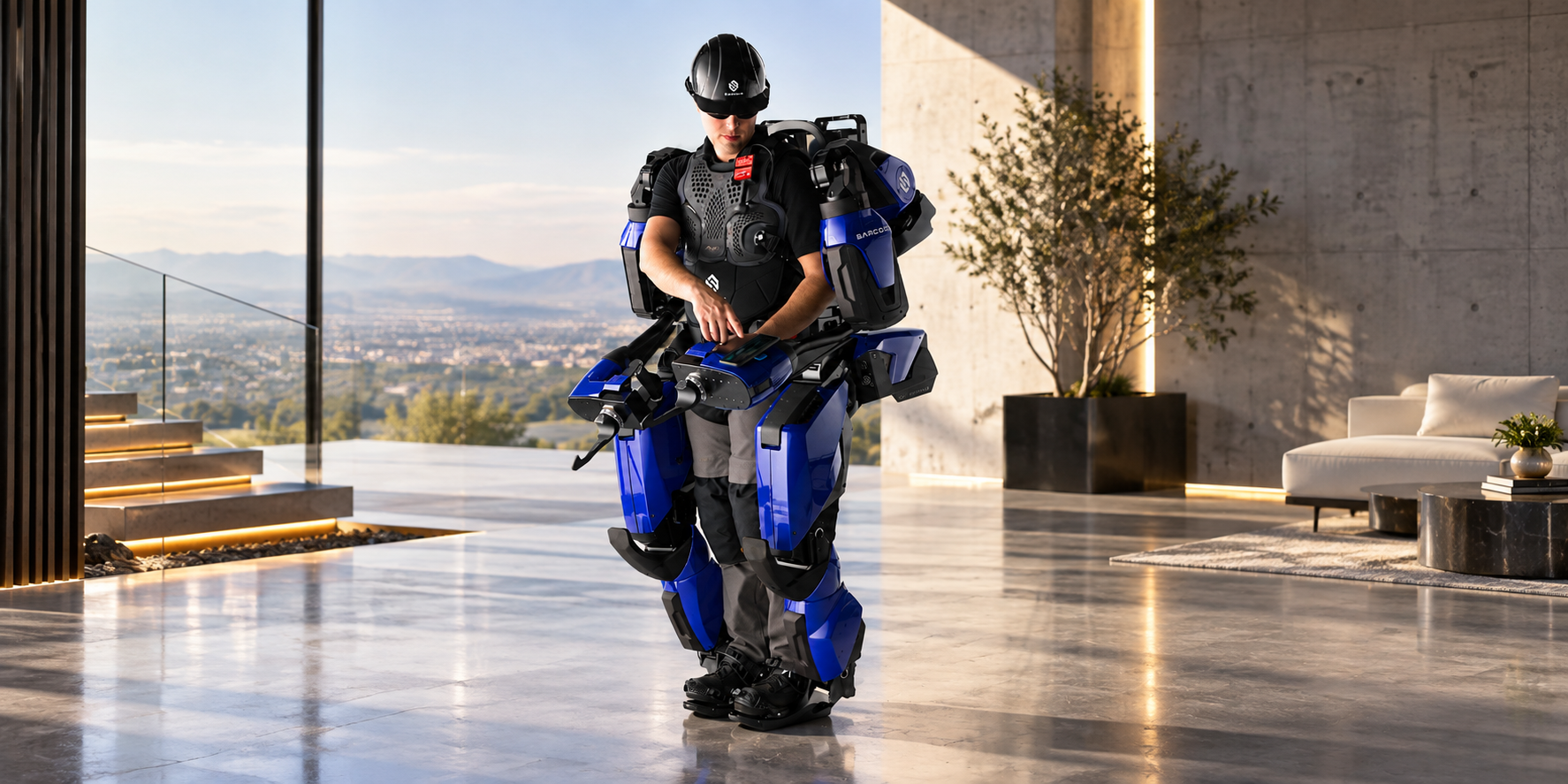
But Sarcos, the world’s leader in exoskeleton development, in partnership with Delta Airlines, has presented a novel solution in the form of a battery-powered, robotic suit, designed specifically with the baggage handler in mind.
“We owe it to the best airline employees on the planet to explore how emerging technology can make their jobs safer and easier,” said Gareth Joyce, Delta’s Senior Vice President of Airport Customer Service & Cargo. “That’s why we sought out a partnership with Sarcos.”
In short, the exoskeleton suit literally handles all the heavy lifting. And by bearing the weight of the suit and the payload, it enables each ramp agent to become superhuman and lift 100-kilogram payloads repeatedly for up to eight hours at a time, without the slightest strain or fatigue. Interestingly, such an advancement will also level the playing field in terms of baggage handler recruitment, both in terms of gender and strength.
Clearing Heads
Say goodbye to nasty hangovers.
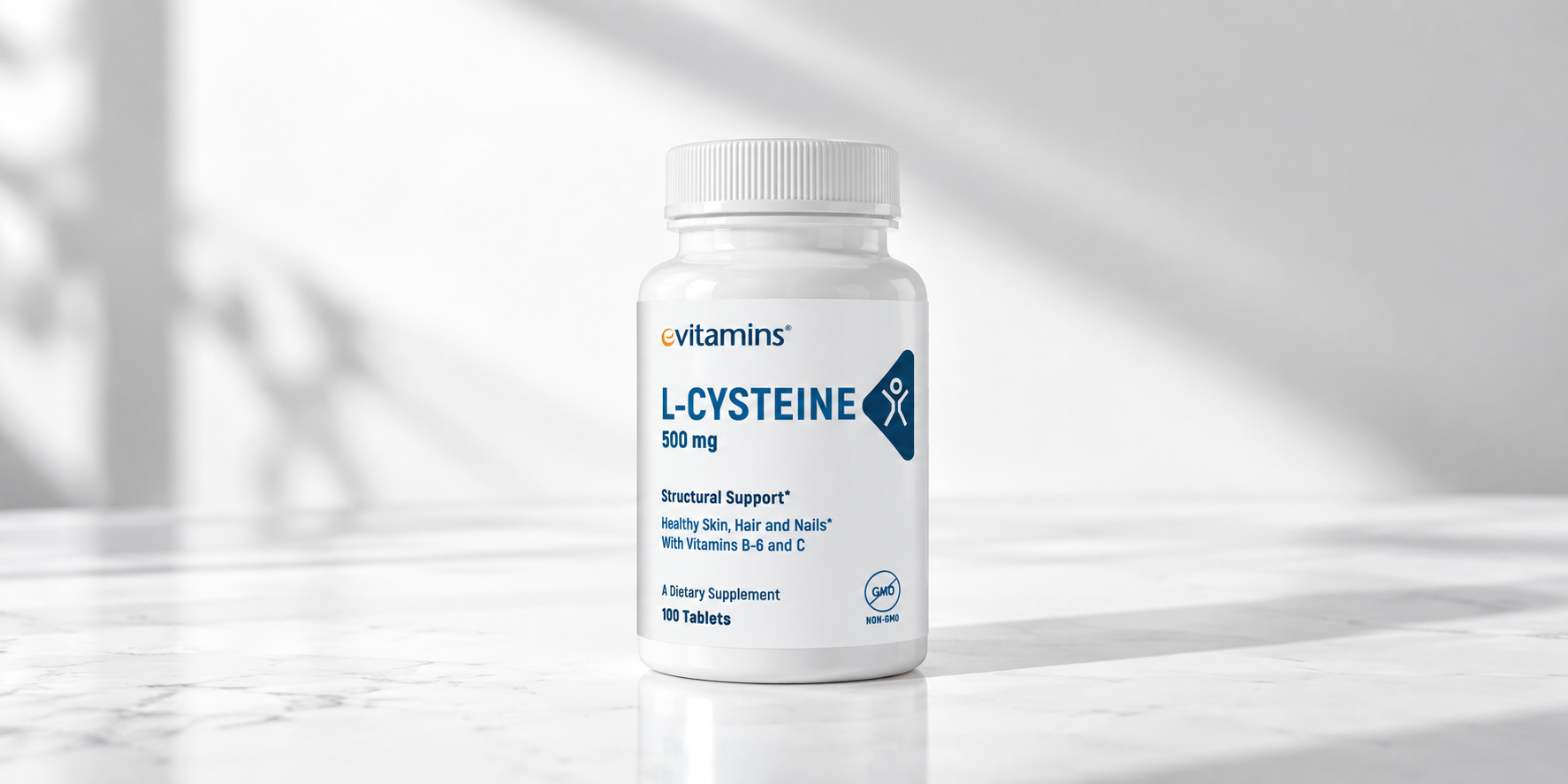
A study led by the University of Helsinki has claimed that simple old L-cysteine dietary supplement pills might just be the long-lost cure for hangovers. That’s because when ethanol is ingested, the body converts it into acetaldehyde and L-cysteine can actually help the body destroy any build-up of acetaldehyde, thereby preventing the possibility of a hangover.
Worldwide Coverage
Forget about costly fibre optic deployment, the future of the internet comes down to satellites, according to Elon Musk.
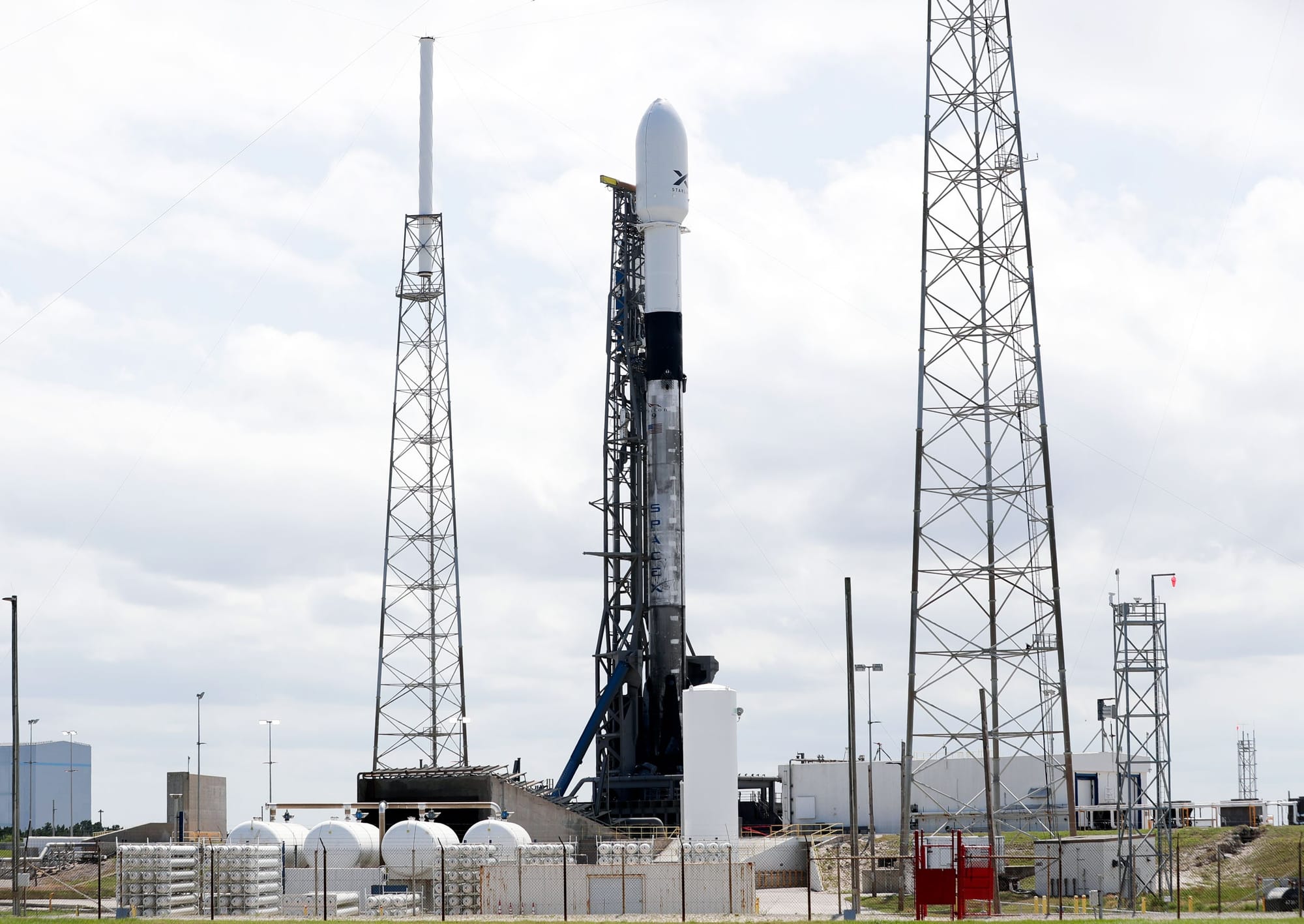
Have you heard of Starlink? It’s Elon Musk’s ambitious 10 billion USD SpaceX satellite internet service. Unlike traditional satellite internet though, Starlink promises fast speeds and reliable service even in the most remote places on Earth. Its satellite network consists of a “constellation” of over 12,000 small, highly agile satellites surrounding the globe. (Compare this to the 2,000 total satellites currently orbiting the Earth, and you get an idea of just how large Starlink’s network will be.) And, just like satellite TV, Starlink users will need to buy a dish and pay around 80 USD a month in order to tap into the service.
Now, how close are they to getting this system off the ground? Well, SpaceX has already launched over 700 satellites, including the latest 60 or so that flew up in SpaceX’s Falcon 9 payload in early September. That means they’re already well beyond the 400 Starlinks they say they needed to provide “initial operational capability,” and are edging close to the 800 needed to provide “significant operational capabilities.”
It’s also why they were recently able to begin beta testing the constellation with initial findings in August submitted to America’s Federal Communications Commission (FCC). The two benchmark tests, conducted using the Speedtest.net service, apparently show Starlink achieving a 102 to 103Mbps download rate, a 40 to 42Mbps upload rate and a latency of 18 to 19ms. (For comparison, the average latency for fixed broadband is 25ms, while the average rate on 4G networks is 50ms.)
This is all sounds wonderfully impressive right? It does, except Musk had initially promised gigabit speeds. But SpaceX maintains such speeds are still achievable, but only after they’ve deployed their first full constellation of more than 4,400 satellites.
“Our network, of course, is very much a work in progress,” said Kate Tice, a spokesperson at SpaceX during the launch broadcast in September, “And over time, we will continue to add features to unlock the full capability of that network.”
There are other issues too: early satellites have been reflecting so much sunlight at night that they’re actually visible to the naked eye. SpaceX has acknowledged this issue and are now working with astronomers to make sure they don’t pollute our view of the heavens.
Step one was an antireflective coating that helped make the satellites shine a little less brightly. Step two was a tweaking of their orientation so the solar panels edge-on relative to Earth and reflect less sunlight back toward the ground after their initial deployment. And finally, the latest Starlinks have been deployed with a shield, which blocks the light from hitting the highly reflective antennas in the first place.
Patrick Seitzer, a professor of astronomy emeritus at the University of Michigan who has been running analyses of the satellites, is hopeful that SpaceX’s changes have ultimately helped make all future launches invisible to the naked eye.
The world is your oyster, Mr. Musk.
Covering the Field
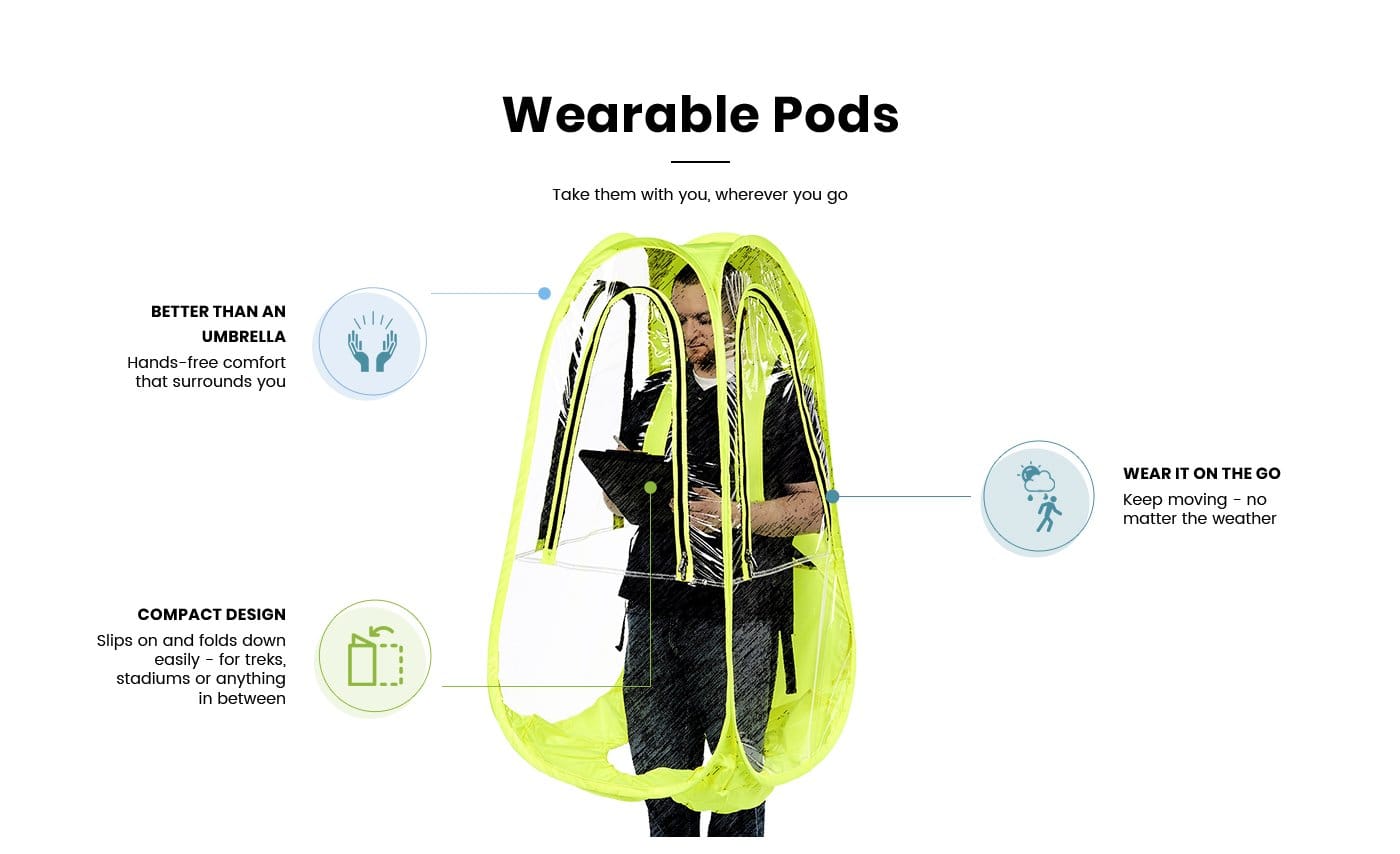
What started out as a way to keep sports spectators dry has since evolved.
Remember those quirky, pop-open, Under the Weather plastic pods (that protect users from the elements) from season 8 of the Shark Tank, three years ago? The founder, Rick Pescovitz, claims the company has sold over 40,000 units since then and are now growing in response to COVID-19.
“I watched what was happening around me and I’m always thinking about ideas for products that can help solve problems,” says Pescovitz. “Listening to news stories about medical professionals on the frontline not having adequate protection was alarming. I knew right away I could use existing patented designs as a basis for developing new lines.”
So he released four new models: IntubationPod, WoWPod, MediPod and WalkingPod Pro and demonstrated the ability to go from concept to finished, patent-pending product in less than a month. “Our company’s growth is fuelled by listening and evolving to meet customer’s needs expeditiously,” says Pescovitz.
Coming Full Circle
The implant-less boob job has arrived.
There are countless reasons why women want larger, fuller breasts but understanding why a large number decide against implants is more straightforward: they just don’t want to have a foreign object placed in their bodies, and are concerned the end result will not look natural. The good news for those in that segment is that there’s an alternative: a scar-less, implant-less, breast augmentation procedure that’s been gaining a lot of popularity lately. It’s called Fat Transfer Breast Augmentation and while its name may not be snappy like a Brazilian Butt Lift it’s essentially the same thing, but for breasts. The only down side of this fat grafting technique is the limitation on the volume: one full cup size is the maximum doctors can achieve, for now.

Face Jet Printer
P&G’s magic wand offers flawless skin without the need for foundation.
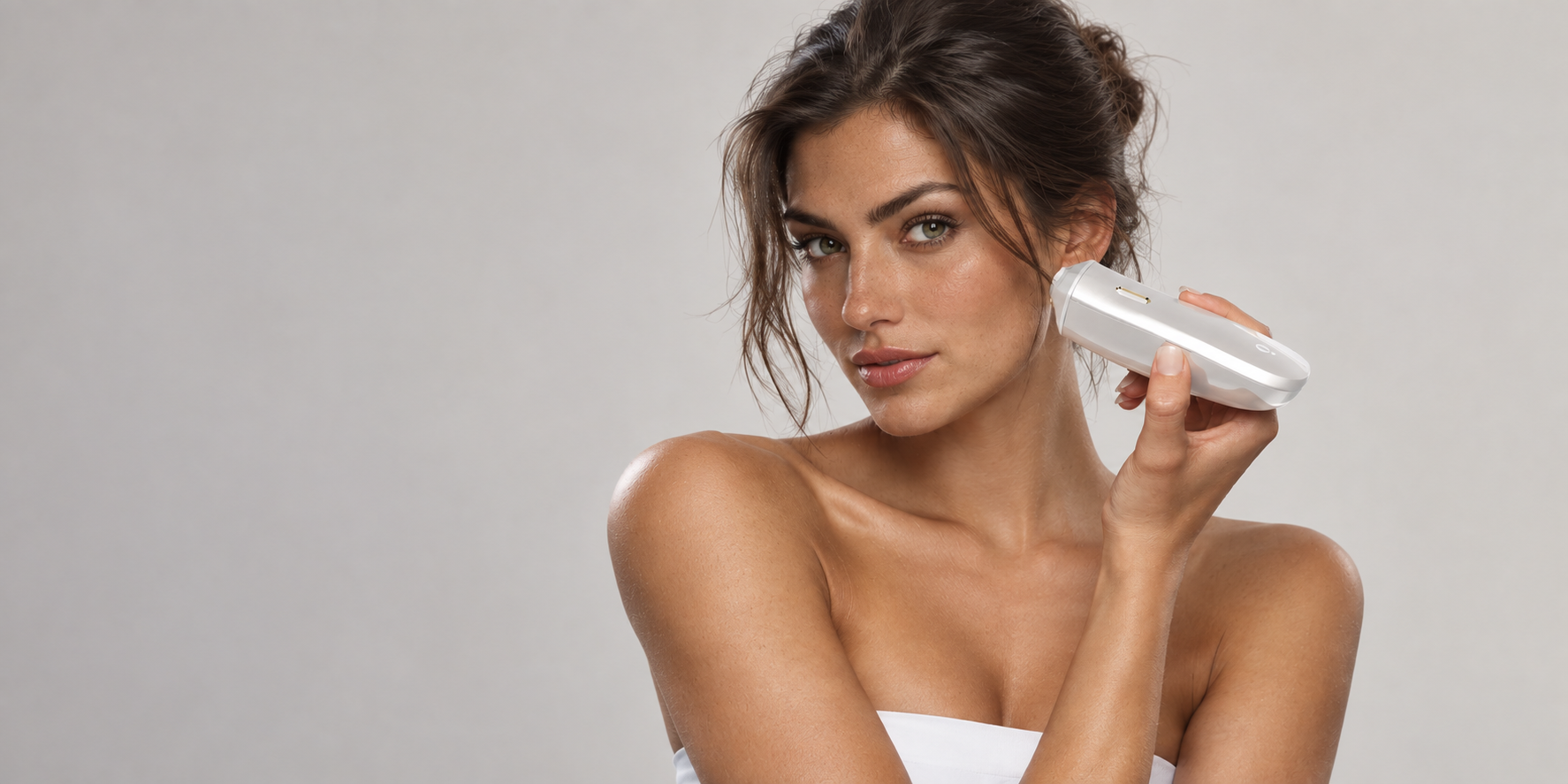
Due out before the end of the year, P&G’s 600 USD Opté Precision Skincare System is going to make the company a fortune. Think of it as a portable inkjet that uses precision 200-frame-per-second cameras to examine the colour and pigmentation of your skin, spot blemishes such as age spots and hyperpigmentation, and then cover them perfectly, all while you’re running it over your face. Its patented ink even contains a niacinamide vitamin B3 serum designed to permanently fade dark spots in just 8 to 12 weeks.
Putting a Smile on Your Face
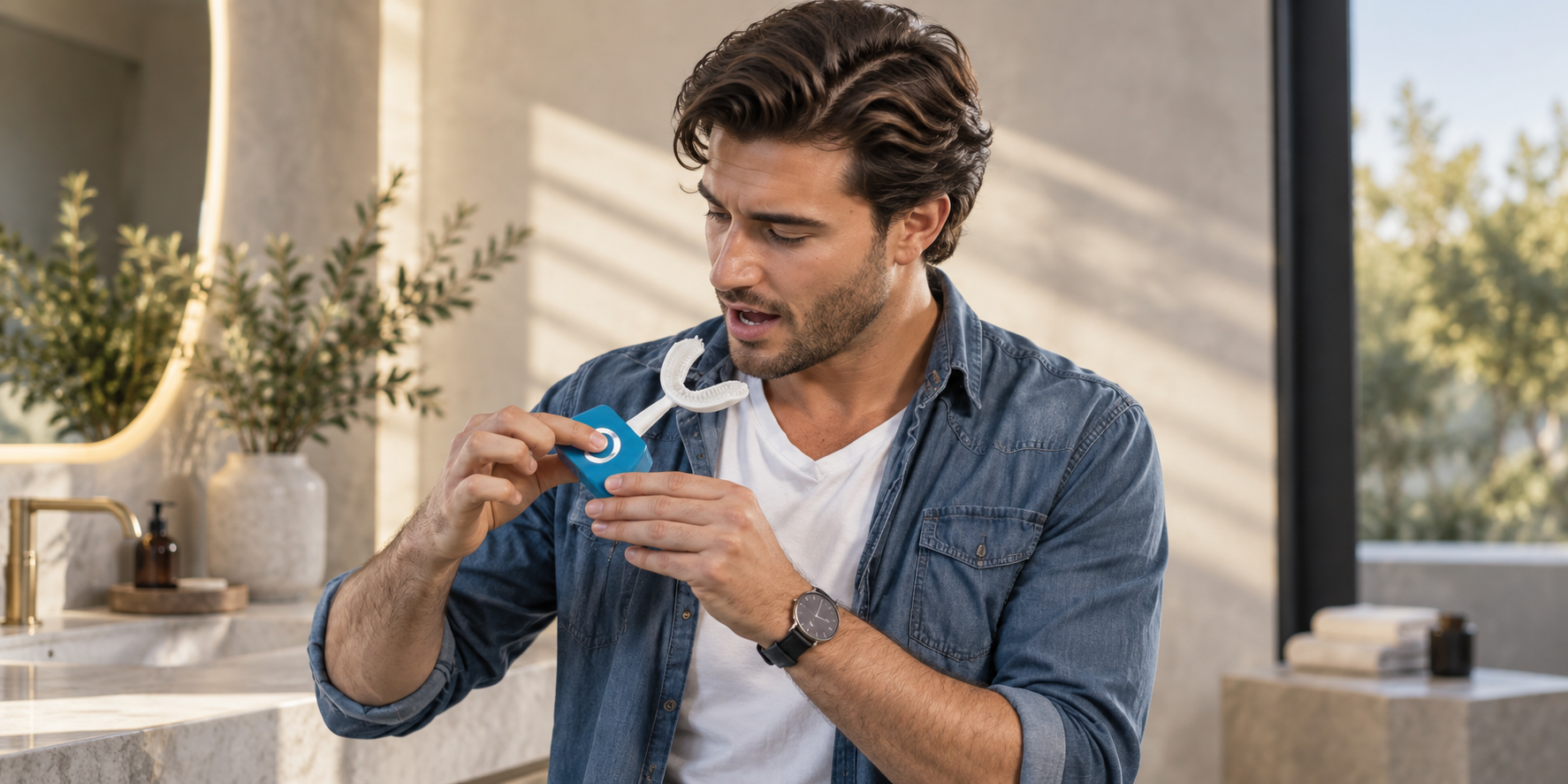
A mouthpiece toothbrush that can brush your teeth in just ten seconds.
A year on from its first unveiling, Y-Brush returned to the Las Vegas Consumer Electronics Show this past January in its final form, and the good news is that it’s now available to purchase. So, what makes the 155 USD device so unique? In a word: efficiency. With this brush you don’t need time, technique or even a mirror. You see, rather than having to move the small head of a regular toothbrush from tooth to tooth over the course of two minutes, with a Y-Brush, all you have to do is bite down on it and let it clean an entire row of your teeth, at once, in just five seconds. Then, take it out, flip it over, do the other half of your mouth and you’re done. How does it work? The French device, which went through four years of research and development, uses nylon bristles rather than silicon strips and its handle conveys vibrations that power the efficient cleaning of your teeth, gums and gum line.
Hold On
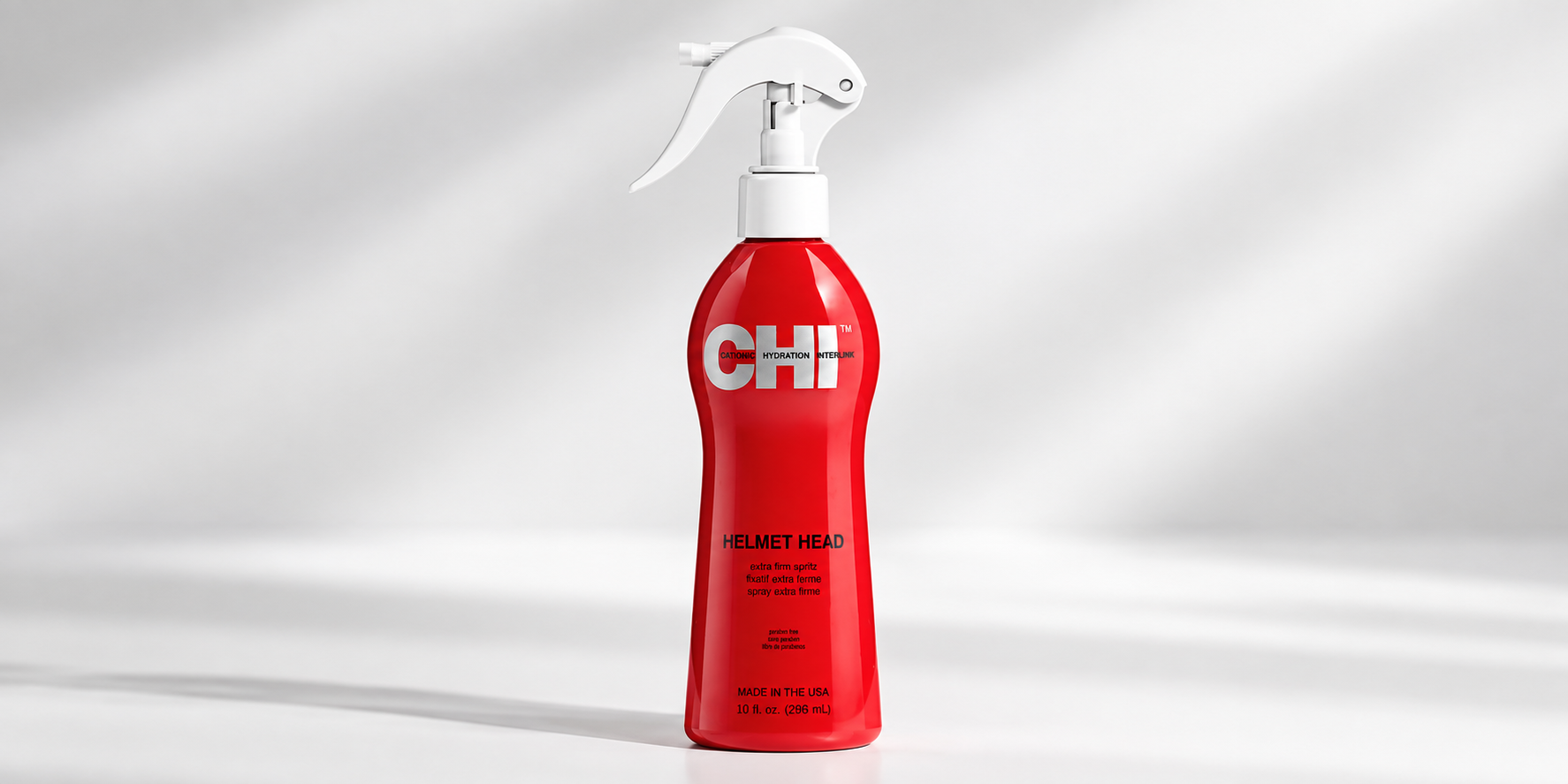
The world’s longest lasting, no-residue hair spray was developed by an Arab.
CHI’s Helmet Head may smell like a berry slushy but it isn’t the slightest bit sticky and the amount of hold it delivers makes it unrivalled. No wonder then that it’s a firm favourite at Victoria’s Secret fashion shows, Miss America beauty pageants and of course the White House, being Donald Trump’s hairspray of choice.
Even more interesting is the fact CHI was founded by Farouk Shami, a Palestinian-American who arrived in the US with a mere 71 USD in his pocket, yet somehow built a billion-dollar hair product business out of Houston called Farouk Systems that’s probably best known for its Biosilk shampoos.
Breaking Records
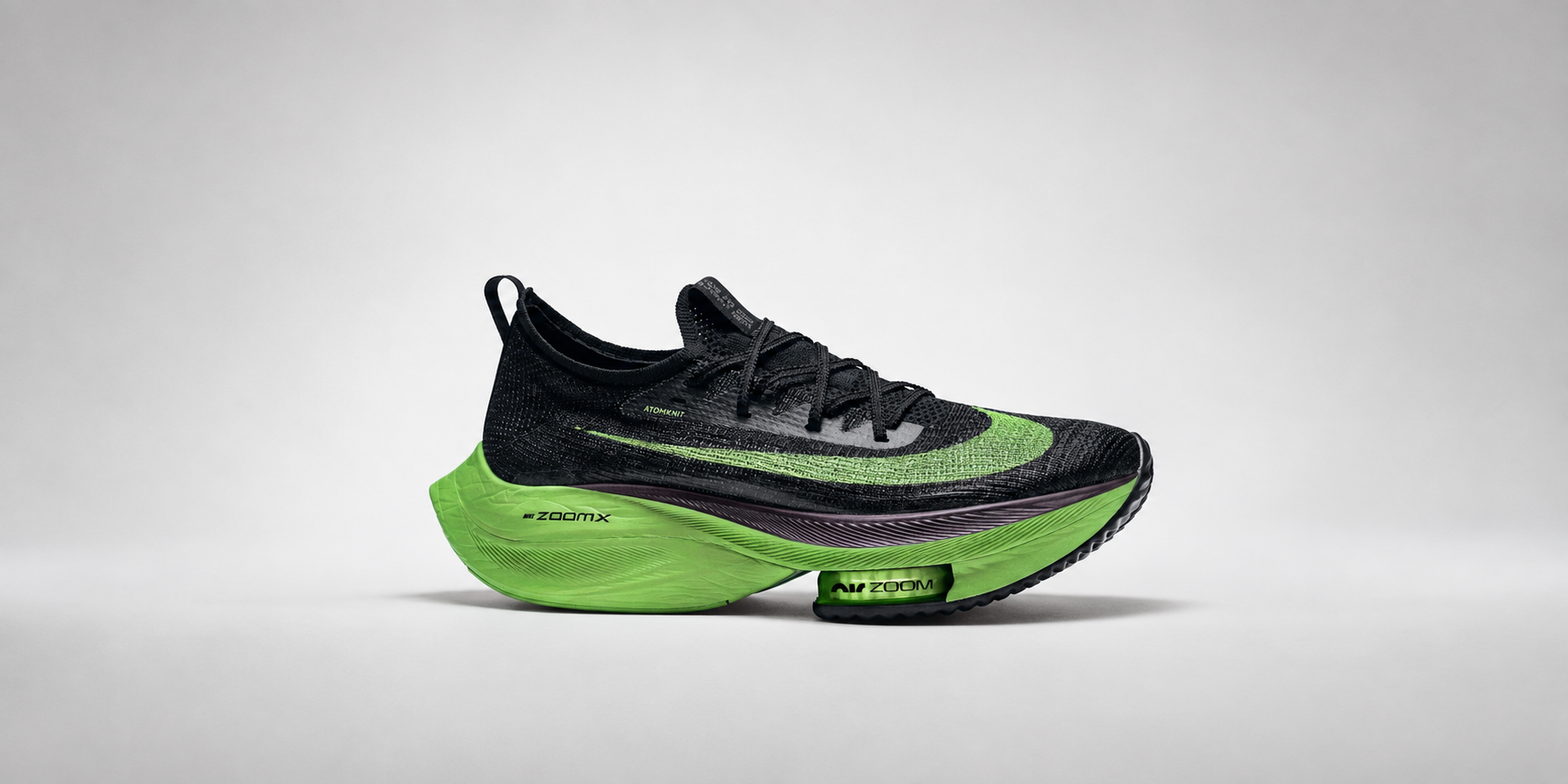
Nike changes the marathon game.
Nike kicked up a real fuss with their latest marathon trainers. Not only did they help Eliud Kipchoge break the sub-2-hour marathon for the first time in Vienna last October, they also racked up 31 of the 36 podium positions in the six world marathon majors of 2019. Of course, many people were calling for them to receive a World Athletics ban. They didn’t get one, but one thing’s for certain, they represent the next frontier of footwear innovation and in February, at their Olympic Summit in New York, Nike announced the launch of the Nike Air Zoom Alphafly NEXT% – a shoe with a full-length carbon fibre plate and zoom air pods. It’s not exactly the same shoe Kipchoge wore, but is based on the technology he ran in. And you can buy them. Get set, go!
Wake Up Call
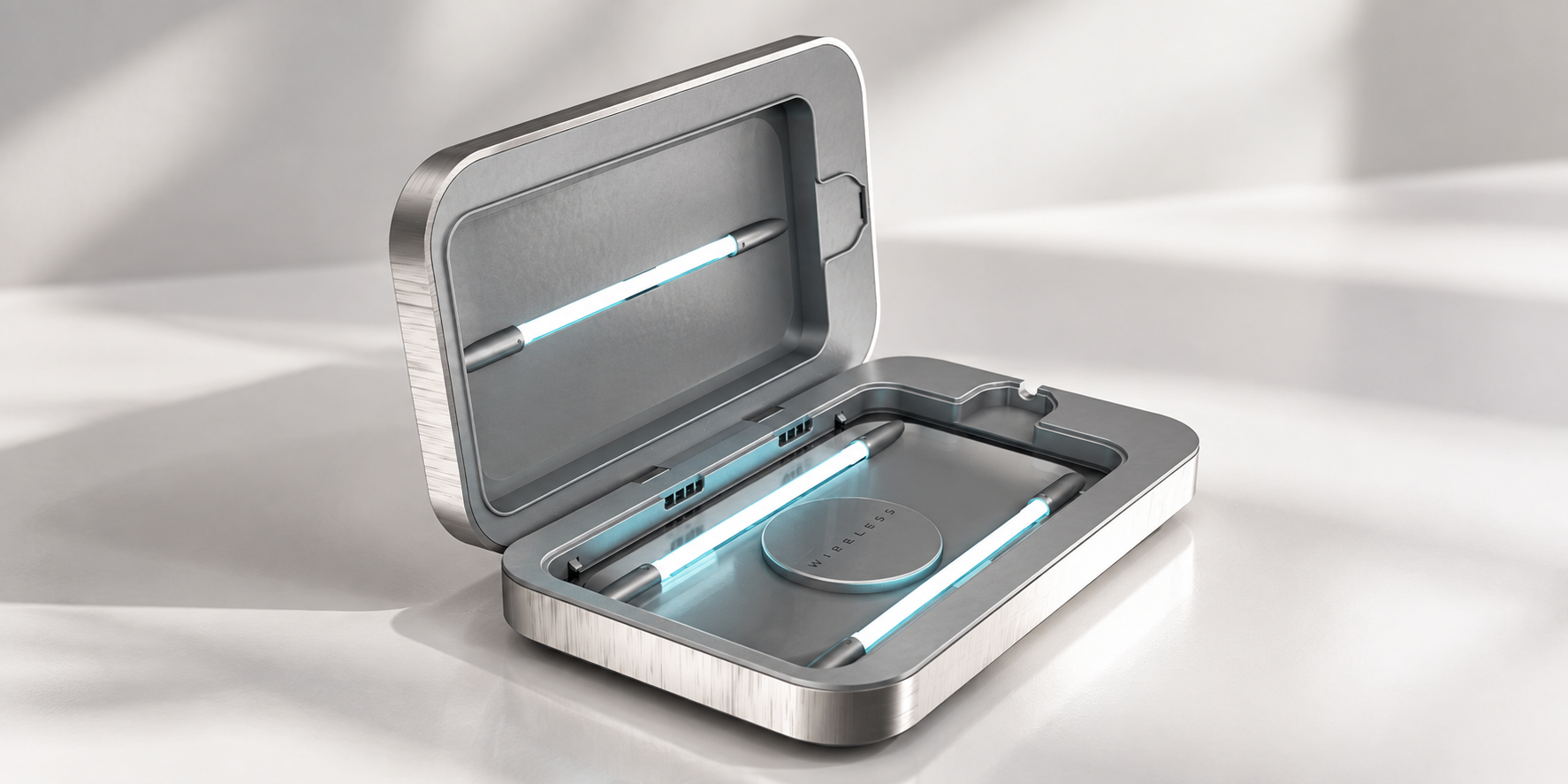
Sanitising your phone just got easy.
It’s been said that mobiles hold 18 times more bacteria than a public restroom. The good news is that there’s a medical-grade solution called Phonesoap. Simply place your phone inside this miniature tanning bed, close it and blast it for ten minutes with UV-C light to kill up to 99.99% of the bacteria living on it. Sadly, they haven’t tested it on COVID-19 yet.
Plastic Fantastic
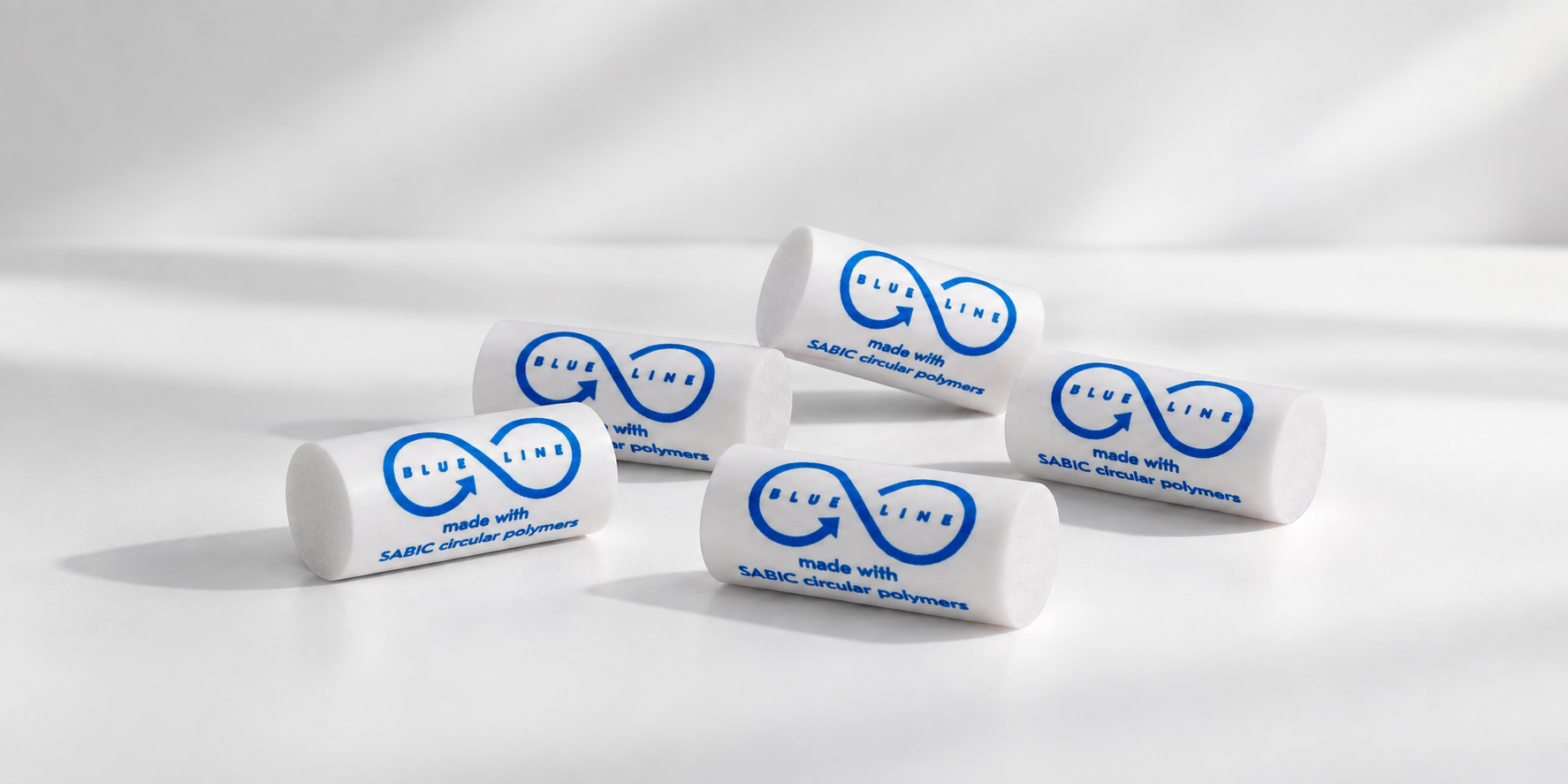
Saudi is driving the circular economy.
Each year, consumers around the world throw away approximately 150 million tonnes of plastic, and dealing with that waste has become a top priority for the plastics industry and its main supplier, the petrochemical industry. In fact, earlier this year, SABIC (Saudi Basic Industries Corporation, a subsidiary of Saudi Aramco) announced it was going to use a majority of non-recyclable post-consumer waste otherwise destined for incineration or landfill as the feedstock to make plastic resins for major customers such as Unilever and Tupperware. The company said its ‘Trucircle’ solutions will help close the plastics loop.
Screen Saver
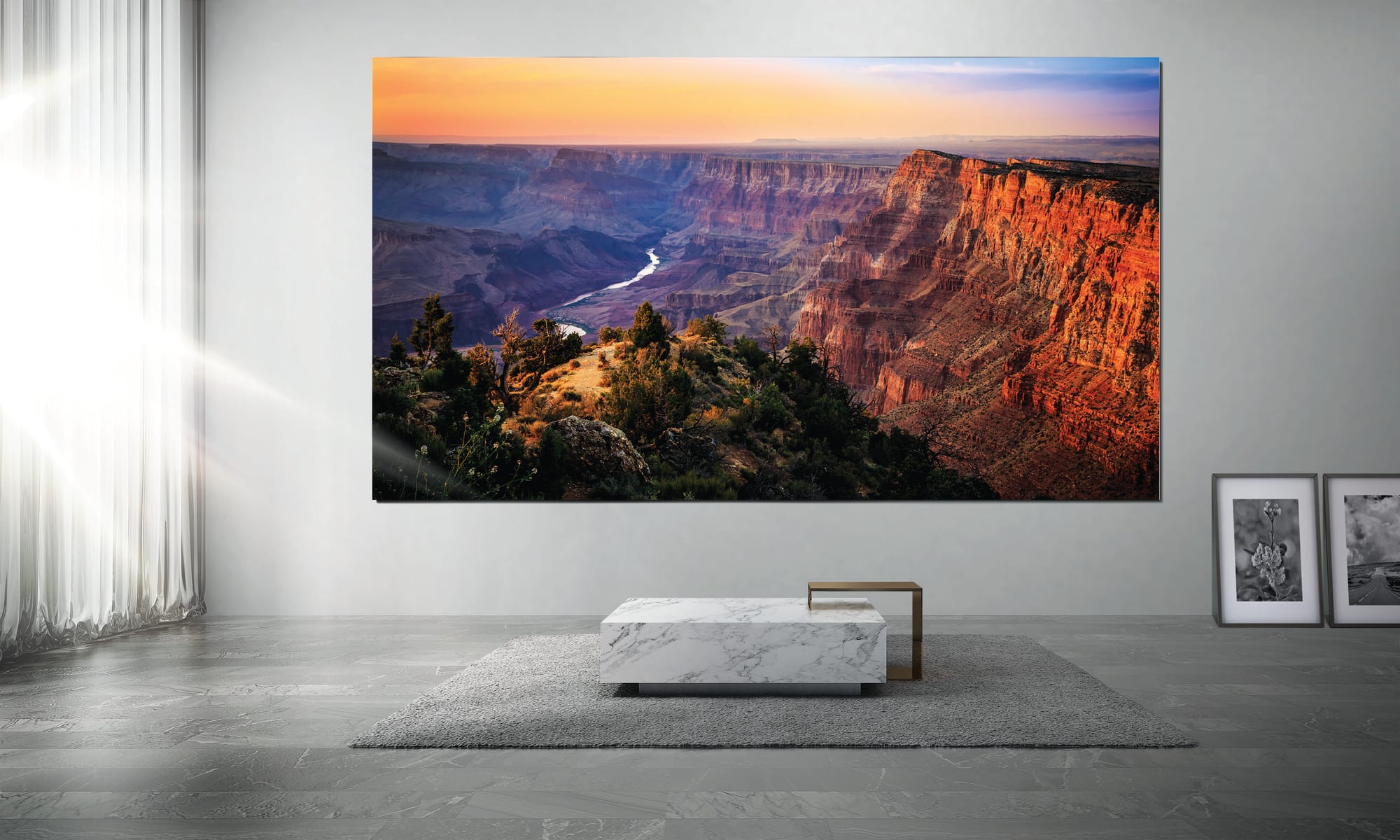
Samsung wows everyone with its massive new TV screen, nicknamed The Wall.
According to Samsung, MicroLED is an impressive new kind of display technology, not just because it can deliver 8K quality picture at up to 583 inches (yes, you read that right), but also because it uses individual LEDs to create that picture, as opposed to existing LED TVs which simply use them to create light from behind an LCD layer. It means black areas of an image are completely black, because their pixels aren’t emitting any light at all. It’s a similar self-emissive technology to OLED, but shouldn’t suffer from the same downsides such as lower peak brightness and burn-in. Of course, such technology won’t come cheap, and for the moment the largest consumer display is “only” 292 inches! Akh, if only we weren’t still happy enough with a 55-incher.