What Bibliopolis
Who Antoine Abi Heila
What A firm dedicated to the restoration of ancient literature
Why A staunch ally in the fight to preserve and safeguard Middle Eastern culture in general and the Arabic written word in particular
Dubai +971503573936, Beirut +9613812318
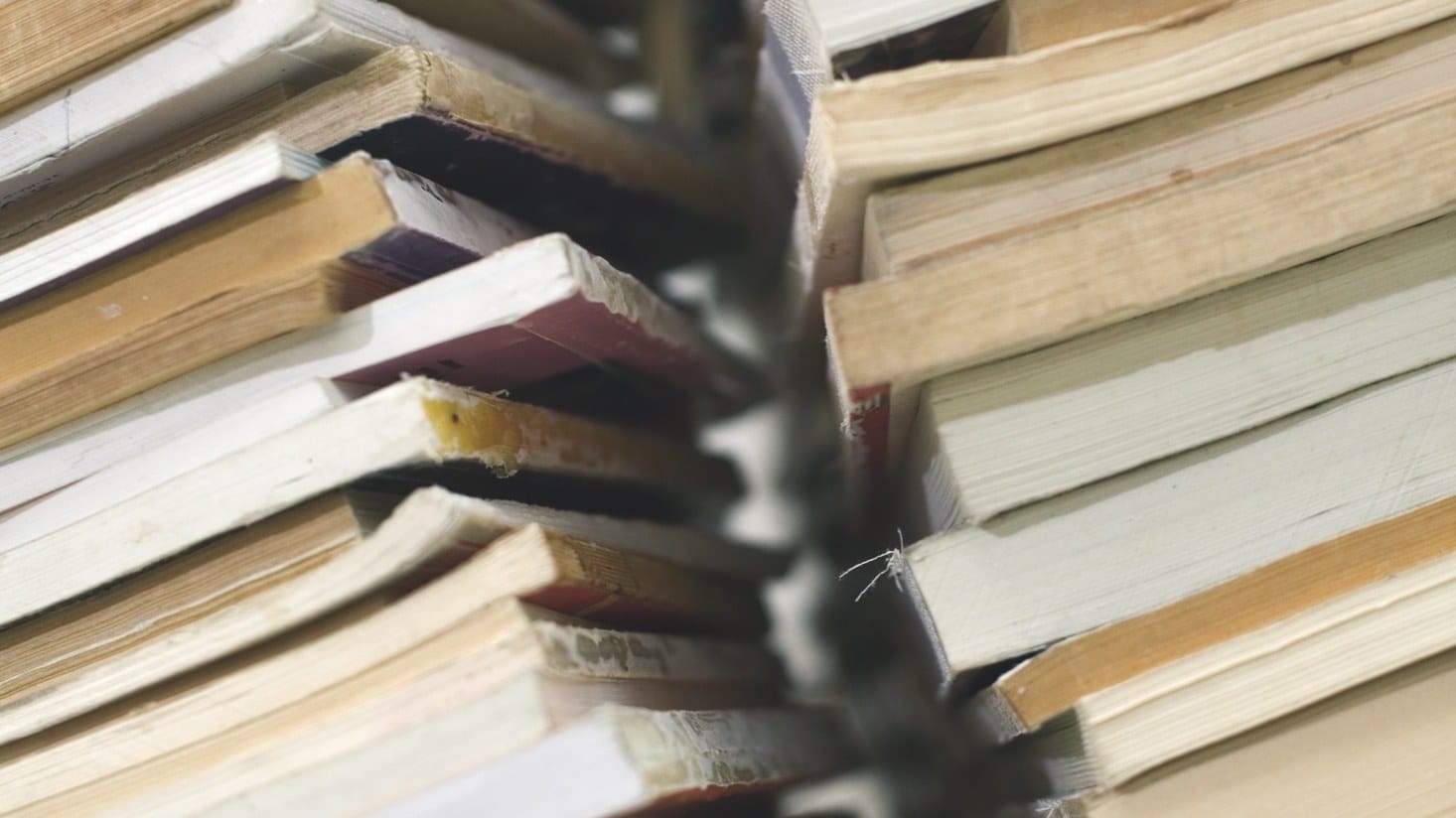
Walking into Bibliopolis is like entering a different world. Here you find calligraphy composed by ancient masters, manuscripts from the 9th to the 19th century, antique Korans and rare books from the 16th century. “It’s unfortunate but people in this region usually don’t care so much about old books,” says Antoine Abi Heila, the owner of Bibliopolis.
Abi Heila has been collecting books since he was a nineteen-year-old student in Paris. “Unfortunately, the Arab world is more an oral and visual civilisation. In this region books are actually published at the lowest rate in the world [together with Africa]. So these books are historical items of great value,” he acknowledges. “I am a bibliophile and a collector. I’m very emotional about it. For me it’s just incredible to touch an 800-year-old piece of paper. It’s a tactile thing. Even if I can’t read the text, I find it amazing.”
It was 15 years ago that Abi Heila retired from his former day job, deciding to turn his passion into his profession. He founded Bibliopolis in Beirut and its sister company, Folio Antiques in Dubai, to trade in these treasured wares, becoming a much needed source of important old books in the Arab world. “Previously you may have sporadically found rare books in antique shops. Somewhere stuck between old chairs and tables.”
Take the time to peruse Abi Heila’s charming flagship library in Beirut and you’ll find some wonderfully conserved, centuries-old books, the oldest of which dates to 1492. Along with amassing a significant collection he also specialises in the very delicate process of book restoration. “When a piece ‘carries its age’ it is not necessarily a bad thing,” he reveals. “I agree with the school that says: ‘the less you meddle, the better it is’.”
Much of his collection has been purchased at auction and Abi Heila often flies out to London and Paris at short notice for Sotheby’s and Christie’s sales. “When an interesting piece comes in, I know which one of my customers might be interested and I give them a ring,” he says of his wide variety of regular clients. Old Korans are an especially big market because ardent private collectors must often compete with businessmen from the Gulf, keen to acquire pieces related to their faith. “There is a lot of diversity in the artistic expression of Islam as it was spread over such a vast area. All these cultures have their own calligraphy and illumination. Many collectors are looking for diversity; a Koran from China, Andalusia, North Africa; the older, the better.” The oldest Koran he worked on was a full fragment from the 8th century on vellum, animal skin. “It was very unique and interesting; it ended up at Beit al Koran in Bahrain,” he reminisces.
Another dynamic helping to spur sales of ancient Korans is the corporate gift culture found amongst important sheikhs and ministers. “These people already have all of life’s trappings. But a unique, antique holy Koran directly touches their heart and faith,” Abi Heila explains. With the Koran’s value largely depending on its calligrapher and illuminator, “Some famous names can really up the price but commercially, Islamic manuscripts are still under valued. When you compare them to old Christian texts, they’re inexpensive.”