Who CNN
What The launching of a dedicated CNN news centre in Abu Dhabi
When As of November 3rd, 2009
Why The first non-Arab station to launch in the Middle East, it’s a clear vote of confidence and a gamble worth taking
At 10:20 am on Wednesday the 28th of October, the feeling at CNN’s new purpose-built news centre up in the Penthouse Suite of Building Number Two at TwoFour54 Ibtikar in Abu Dhabi, is one of quiet, purposeful frenzy.
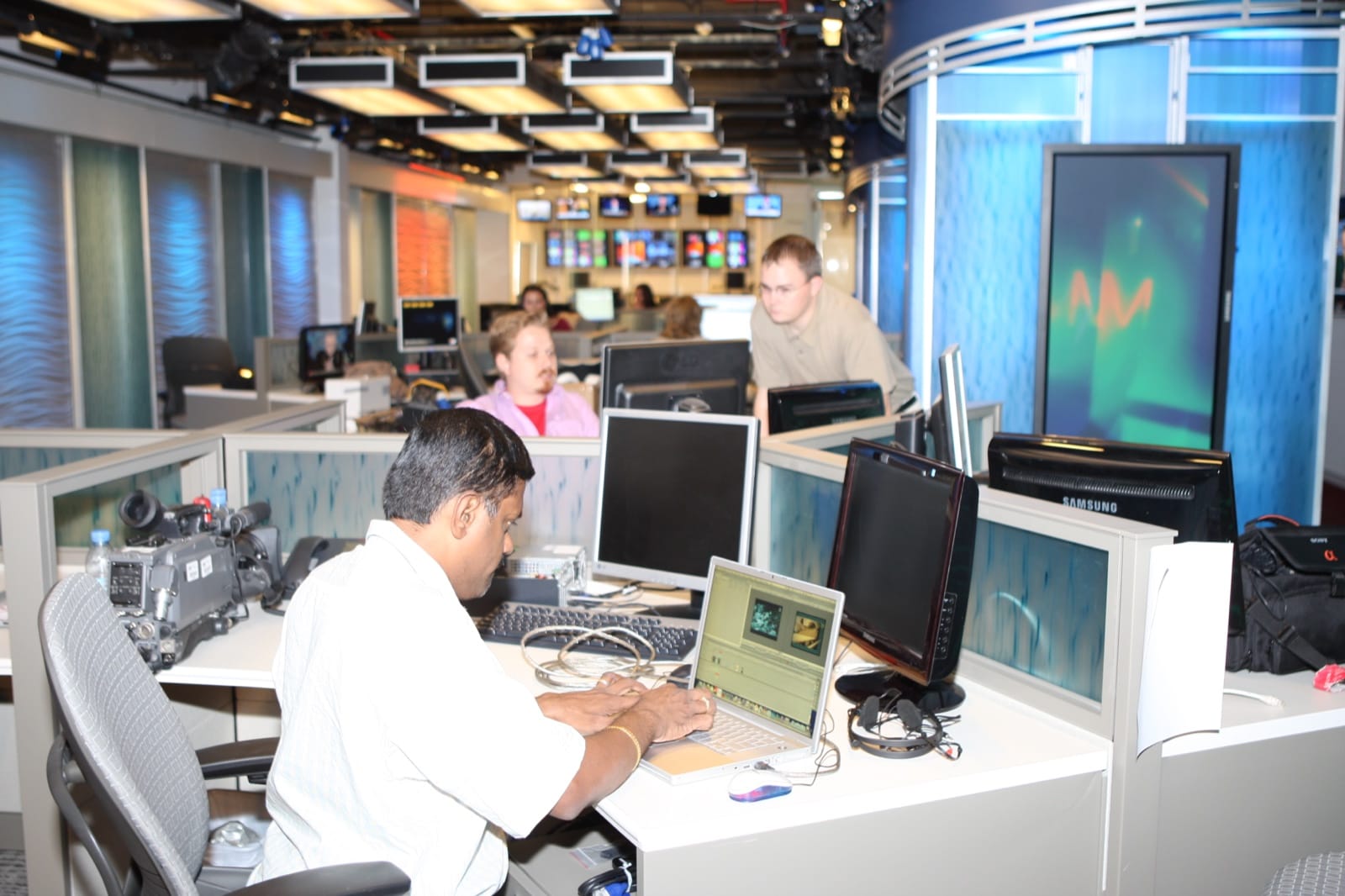
In seven days time - November 3rd, to be exact - one of the world’s best-known 24-hour English-language news channels will begin broadcasting from here and for that to happen, there’s plenty that has to be done.
Thanks to a surprising lack of traffic on the Dubai-Abu Dhabi highway, I have arrived for my appointment with Rani Raad, CNN International’s Senior Vice President, forty-five minutes early. The neat, compact warren of offices is, for the most part, deserted.
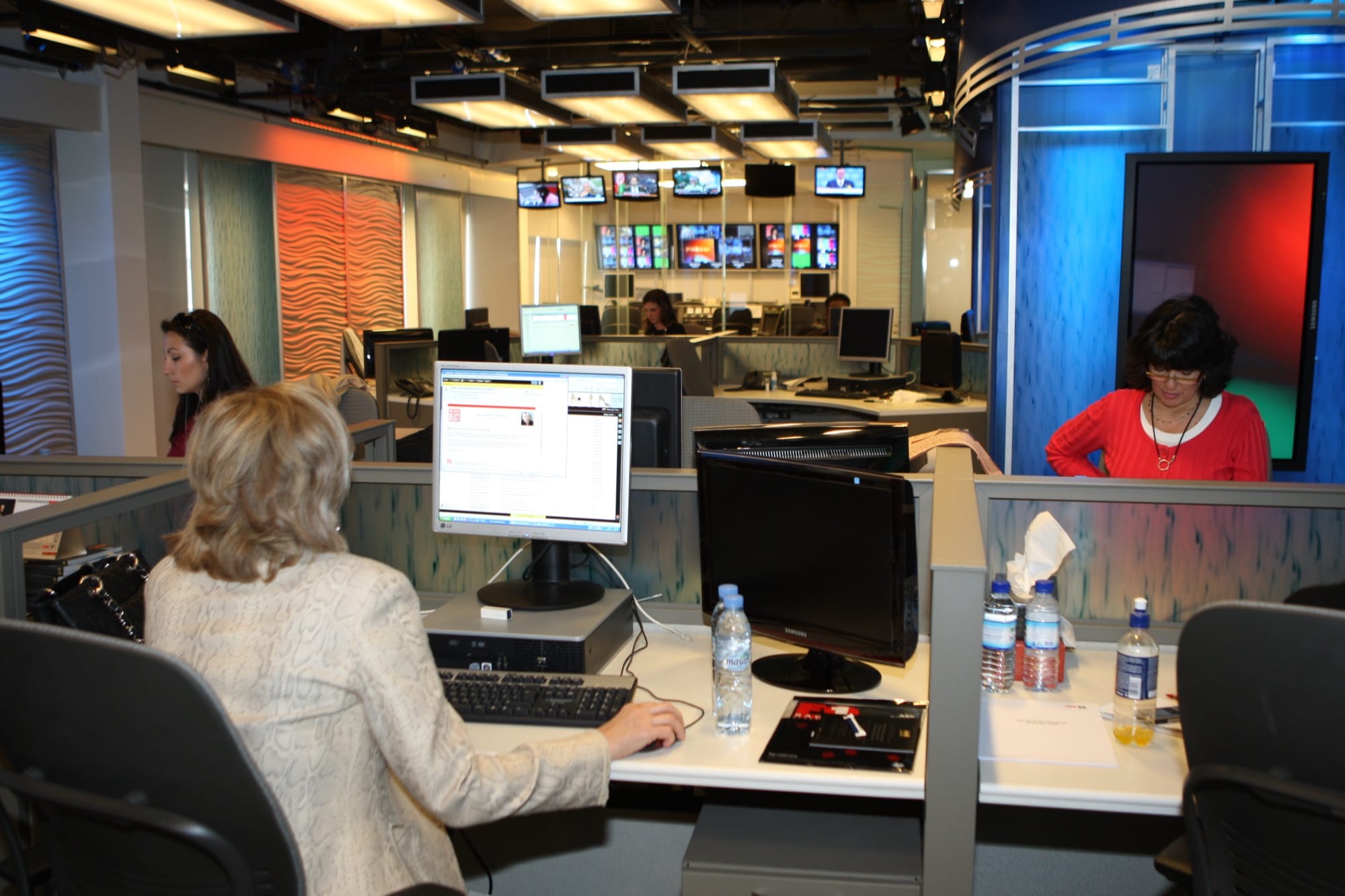
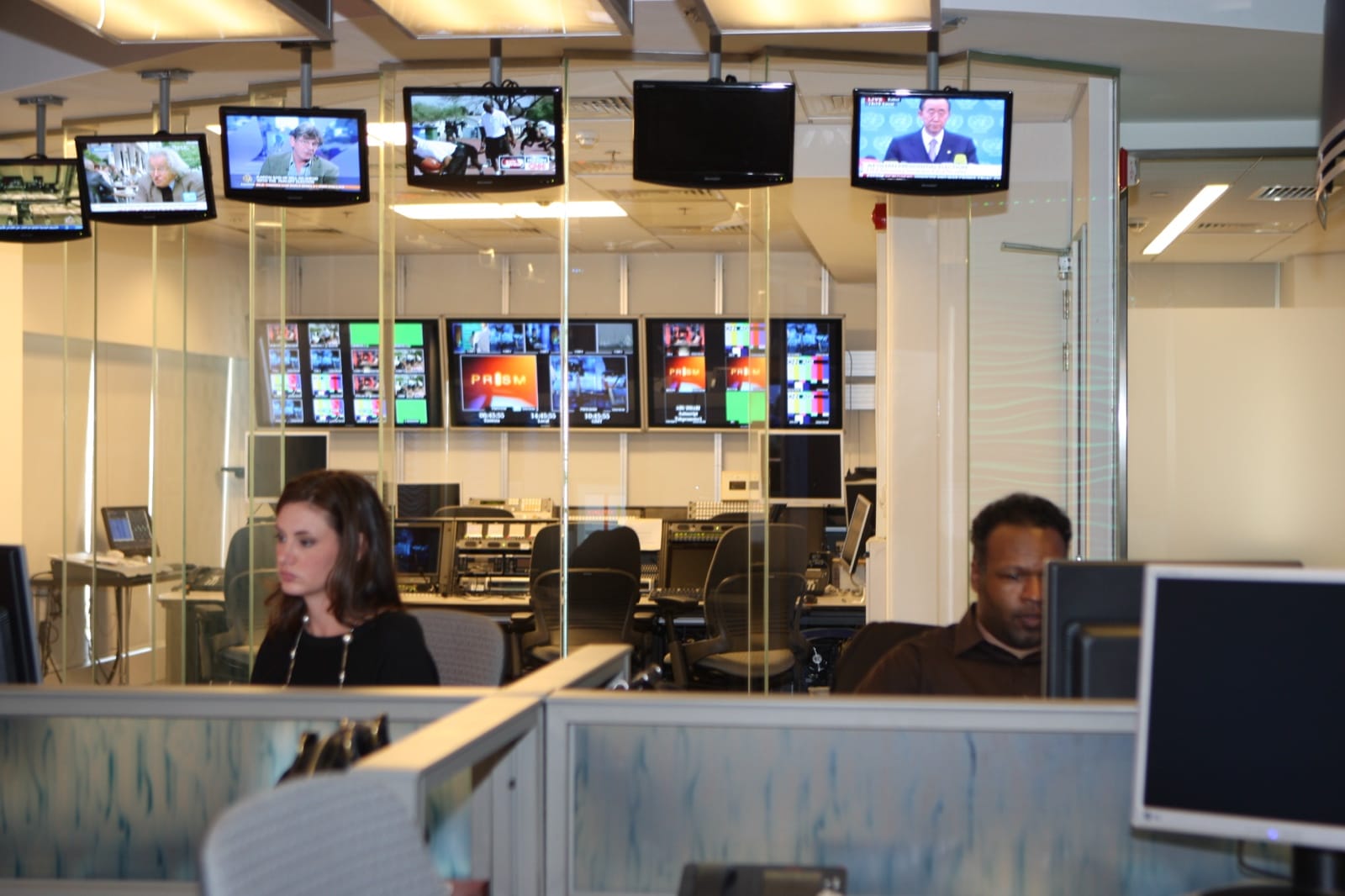
As I search for signs of life, I notice that protective matting covers the carpet and the reception area, a chic, minimal all-white affair with the distinctive red and white company logo on one wall, is still neatly wrapped in protective plastic covering. The first people I meet are a visibly preoccupied huddle of what I presume to be electricians and IT specialists. Behind me, workers are busy installing plasma screens, checking lighting, securing cables and hiding wiring and, as I’m taken to somewhere I can wait without getting in the way, I notice that in the studio itself - all red-lit rippling walls, glass partitions and banks of monitors - a smaller team is busy testing the cameras and the broadcast systems.
It’s all quite exciting. For international media in the region, this centre is historic. True, CNN Abu Dhabi is not the first live English-language news broadcast centre to operate out of the Middle East twenty-four hours a day. That accomplishment belongs to Al Jazeera International and Doha. But it will be the first live 24-hour news broadcast centre operated by a non-Arab network.
This means that alongside Atlanta, London and Hong Kong, Abu Dhabi will be one of the places from which CNN International is broadcast and produced. It will have its own news anchors and its own prime time news programme called Prism. The centre is not intended to cater solely to the region, nor will it only deal with Middle Eastern news but the simple fact of being sited in the Middle East means CNN Abu Dhabi will inevitably generate more regional content for international broadcast.
It will be, as Mr. Rani Raad is about to tell me, what is often referred to in business-ese as a ‘game-changer’. “I think it will revolutionise the way the region is covered by the [international] media,” he says. “It will bring about a sea-change in the way people perceive the Middle East and CNN as a brand. It will bring us closer to the story.” It’s such a great line; it almost sounds like it could be one of the network’s slogans. Maybe it is, though for the life of me, the only one that immediately springs to mind is “Be The First To Know”.
“[Abu Dhabi] will produce live programming and feature shows, it will boost our newsgathering capabilities, it’s a fully-fledged operation,” Raad continues. “We’ve relocated the production [from Atlanta] of ‘Inside the Middle East’, our long-standing dedicated programme to the region and ‘Marketplace Middle East’, our 15 minute weekly business programme, will now be produced between London and Abu Dhabi. This is just the first step. The long term plan will be to beef up our [regional] output considerably.”
“I only see more big things to come for us in this region. It makes such natural sense for us to have a hub in a place like the UAE, from an infrastructure perspective, from a standard of living perspective and for connectivity to the rest of the region. We think that this is a very smart move for us.” Now, more than ever, the Middle East and its neighbours in Iran, Afghanistan and East Africa are at the heart of American politics. Opening a fully functioning, autonomous broadcast centre in this part of the world makes logistic and editorial sense.
It can also be read as the acknowledgement of a debt. CNN began broadcasting in 1980 but it was the network’s then unequalled coverage of the first Gulf War in 1991 that began its transformation from another American news channel into one of the biggest global broadcasters, globalising the 24-hour news revolution the network had kicked off 11 years earlier.
By choosing to expand in the middle of one of the harshest economic climates in decades, when other media outlets are either scaling back their operations, laying off staff or freezing further investment, CNN is making a bold statement about its future objectives. “It’s been a very tough year for everyone in [media] but if you want to continue to be profitable you must continue to make strategic investments,” Tony Maddox, Managing Director of CNN International, explains exclusively to Bespoke by phone from Hong Kong. “There’s a very big interest in us here, we have a loyal viewership [in the Middle East]. The region is growing very quickly; it’s an exciting place…. Our expansion in the UAE is part of a multi-million dollar long-term investment strategy.”
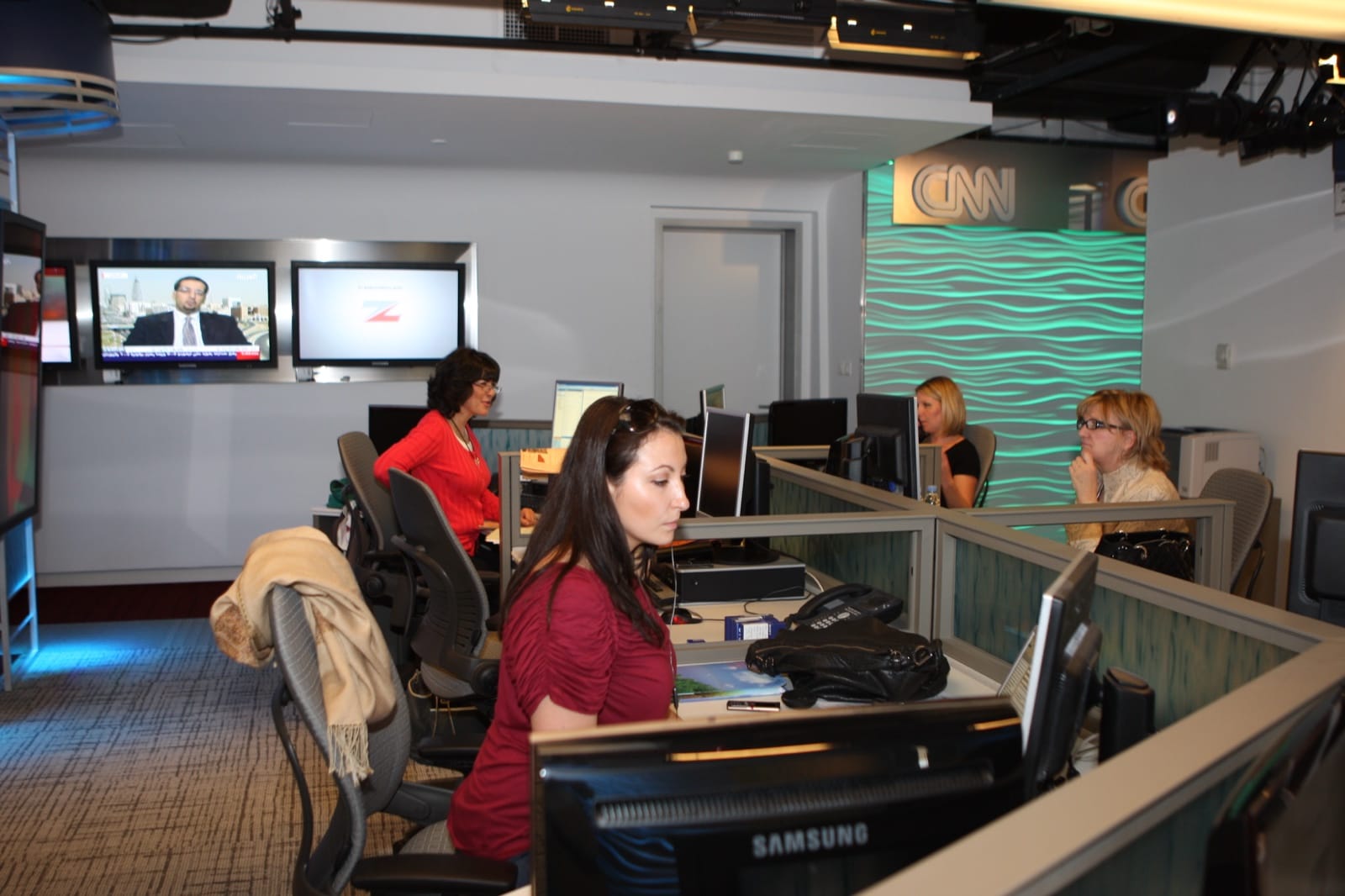
Until now, CNN’s Middle Eastern bureaus had to coordinate decisions on what stories to cover and how to do so with the news centres in Atlanta, London or Hong Kong. The Abu Dhabi centre brings the power to make those kinds of decisions home and places it in the hands of people who are intimately involved with the region and so are better placed to determine what should be covered and how. Not only should this speed up the process of newsgathering, it should also allow the channel to broaden the scope of its coverage.
“We’re very good at news, at what we call the ‘A-Block’ stories but we need to diversify our coverage of the Middle East,” says Tom Fenton, Managing Editor of CNN Abu Dhabi. “We need to have more business stories, more culture stories, popular culture, sports, not just Iraq and the Palestinian-Israeli conflict. We have to go beyond that and I think we have started but this [centre] is a much bigger step towards that.”
“You’ll see more in terms of Middle Eastern content and it won’t just be the bang-bang stories, the ones the Western media tend to focus on, it will be more nuanced,” he continues. “Personally I see it as a win-win situation.”