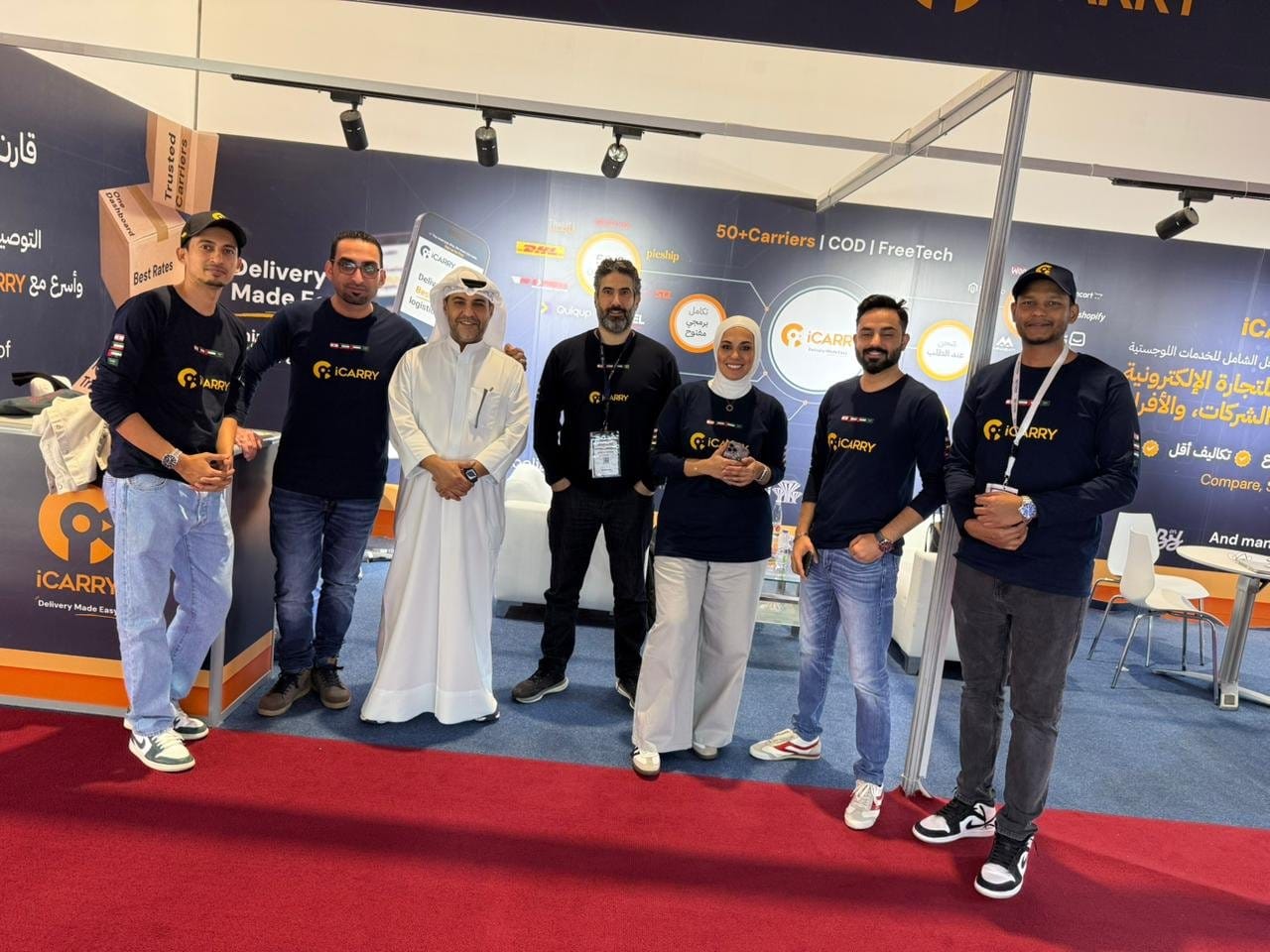
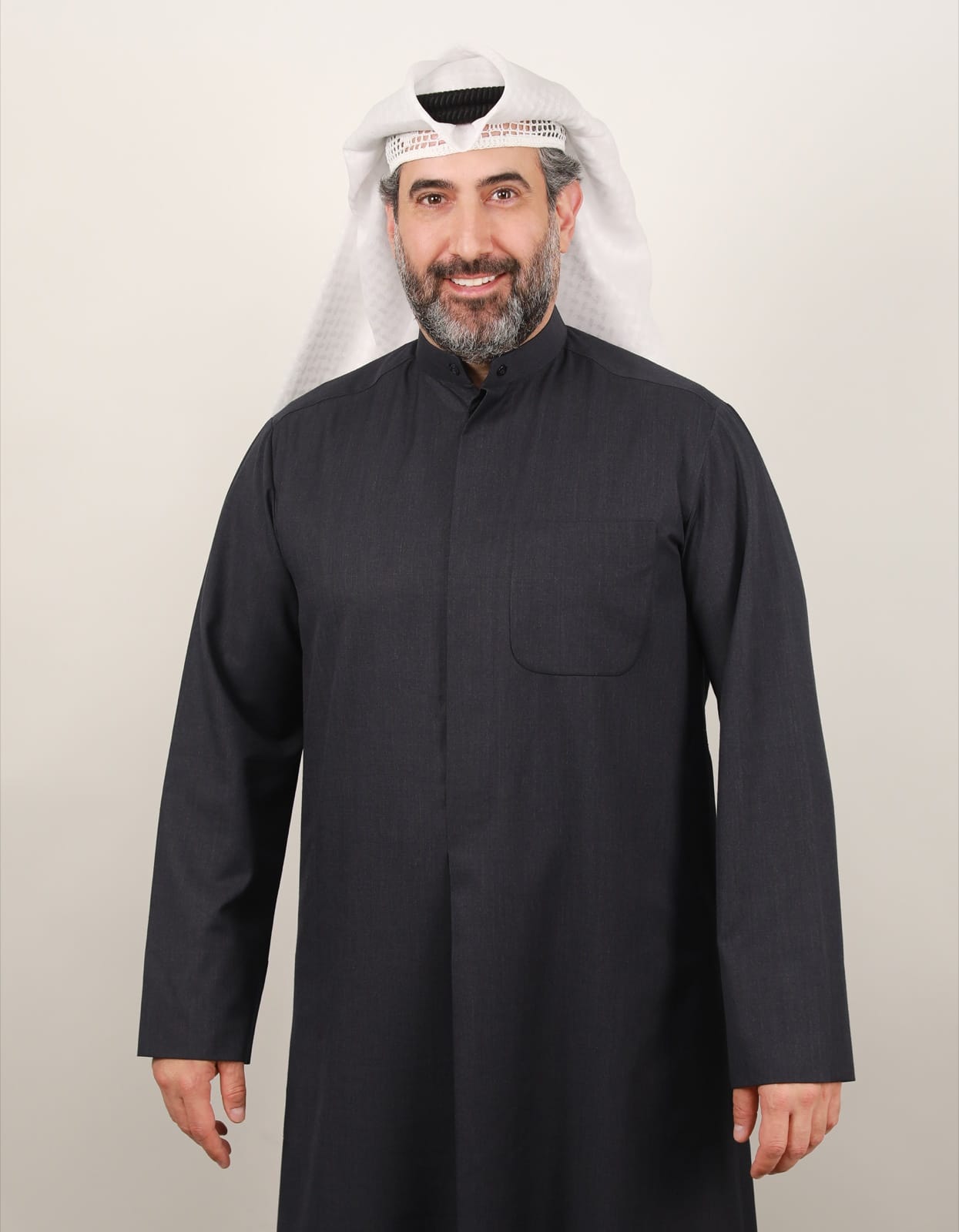
As with most successful initiatives they usually begin with a simple truth: a need unmet and someone willing to build the solution. For Kuwaiti entrepreneur and businessman Dhari Al Mutawa, that principle became the foundation for iCARRY, a technology-driven logistics platform building the operating system for eCommerce logistics across the region. By connecting merchants, carriers, fulfillment centers, and marketplaces through a unified platform, iCARRY simplifies the complexity of shipping, cross-border logistics, and last-mile delivery.
Before founding iCARRY, Al Mutawa has been building and scaling businesses in different sectors and worked through his family office (Al Mutawa Holding) across real estate, hospitality, FMCG distribution, logistics, and retail. He noticed that logistics was fragmented, expensive, and difficult to scale. Businesses were juggling multiple carriers, dealing with inconsistent pricing, poor visibility, and very little flexibility when things went wrong. “There was no intelligent layer connecting it all. We didn't want to build another delivery company. We wanted to build the technology that helps businesses manage logistics more intelligently, across multiple providers, through a single platform,” he stresses.
However, the launch of this logistics platform did not come easy. In the early days, one of his biggest challenges was helping the market understand precisely where this platform fit in the shipping ecosystem. Not surprisingly some carriers initially weren't sure whether iCARRY was competing with them or enabling them. Once Al Mutawa demonstrated that iCARRY generates volume and improves utilization, rather than displacing anyone, the conversation became far more productive. On the technical side, the challenge was integrating across diverse carrier systems, standardizing fragmented workflows, and maintaining service quality across multiple partners. “Those early pressures were formative. They directly shaped the technology and operating model we have today,” Al Mutawa shares.
Since launching in 2022, iCARRY has built an active presence across the UAE, Kuwait, Lebanon, and Saudi Arabia, with Saudi Arabia being a major focus of its current expansion efforts given the scale of opportunity there. iCARRY’s advantage is that it doesn't rebuild logistics from scratch in every market. It integrates, adapts, and orchestrates existing ecosystems. “That makes our expansion model more efficient than traditional asset-heavy approaches, while still demanding the local depth and operational partnerships that make it work in practice,” explains Al Mutawa.
Today, iCARRY is connected to over 60 carriers across the region. “That network continues to grow as we enter new markets and deepen our presence in existing ones,” explains Al Mutawa who sees strong potential across the broader GCC and selectively in other high-growth markets where logistics infrastructure remains fragmented and underserved.
iCARRY’s core customers are e-commerce businesses, such as Shopify, WooCommerce, and Magento, omnichannel retailers, and growing brands that need more control and flexibility in how they manage logistics. But what matters to Al Mutawa is not merely the numbers but what he and his team are building. “We're creating something durable: a platform that businesses can genuinely rely on to simplify and scale logistics over the long term.”
How the platform works is pretty straightforward, built around simplicity and efficiency. First, a merchant receives an order through their sales channel, and that order is automatically pushed to iCARRY. From there, the merchant can either compare available carrier options in real time, or automate allocation using predefined rules based on price, speed, service type, or carrier performance history. Once the order is assigned, pickup is scheduled, the shipment moves through the network, and the merchant tracks everything through a single centralized dashboard.
Al Mutawa believes that logistics complexity is one of the most common barriers to growth in e-commerce. Negotiating with multiple carriers, managing service failures, and dealing with inconsistent performance all consume time and resources that growing businesses can't afford to waste. “iCARRY removes that friction. Merchants get access to multiple logistics options, better pricing visibility, and a centralized way to manage and monitor delivery performance. The result is a leaner operation with more control and the ability to scale without logistics becoming a bottleneck.”

While iCARRY has steered clear of taking on a full service logistics by design, he explains that there some tailored situations. “In selected markets, we are adding warehousing and fulfilment capabilities where they strengthen the ecosystem and add meaningful value for customers. But fundamentally, our strategy is to remain asset-light, technology-driven, and flexible, and to add physical capabilities only where they genuinely improve the overall logistics experience, not for the sake of ownership.”
This year the world faced major geopolitical uncertainties which had a direct impact on trade routes and the economies of global shipping. As a result, the logistics sector fell under pressure from multiple directions simultaneously: rising fuel costs, regional instability, ongoing supply chain disruptions, and customer expectations that continue to climb. In this situation, Al Mutawa sees flexibility, which his platform offers, as a strategic necessity. “Businesses that rely on a single provider expose themselves to unnecessary risk. Those with access to multiple logistics options are far better positioned to absorb disruption and maintain continuity. This is one of the core reasons orchestration matters more today than it ever has.”
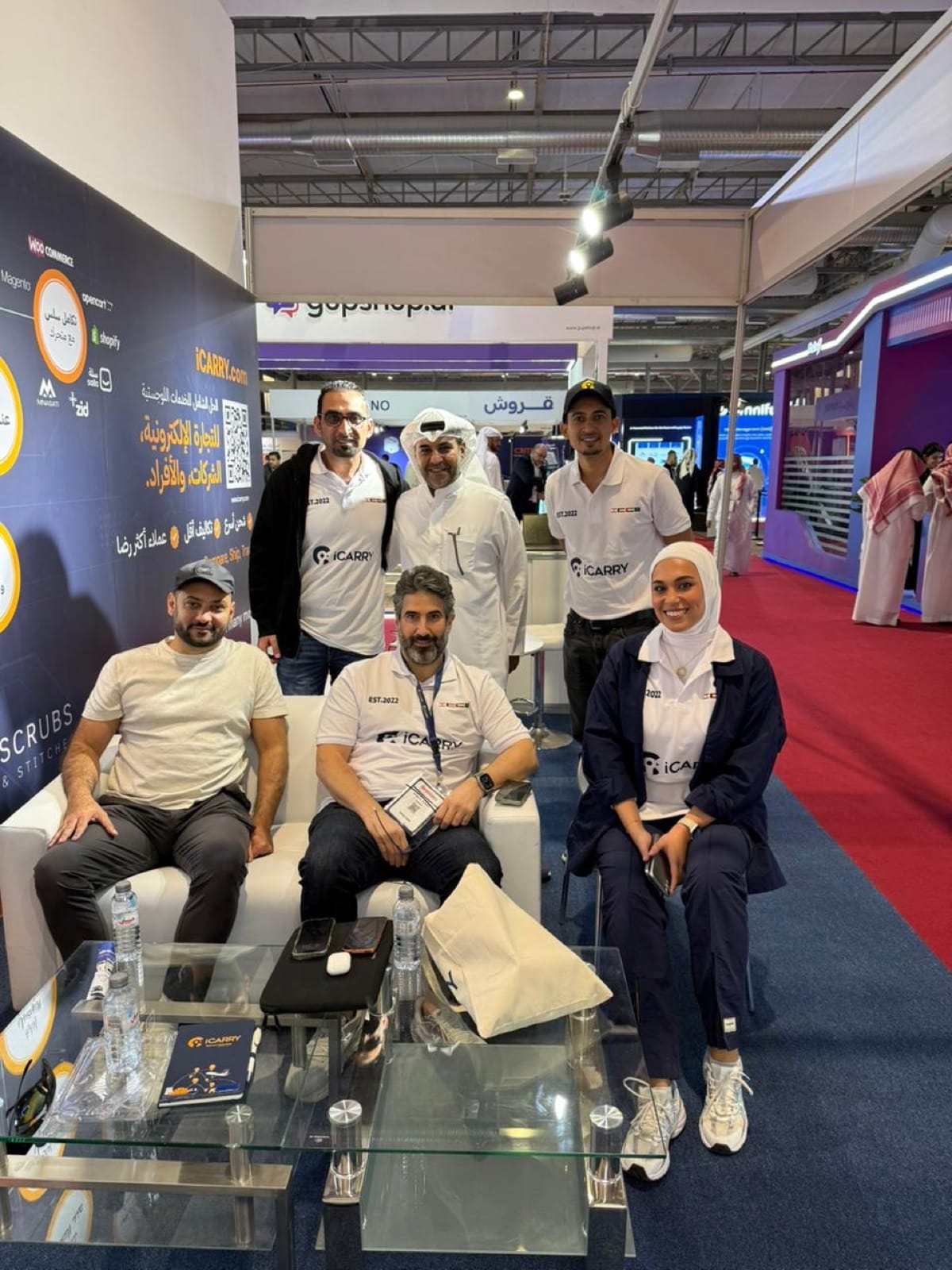
Al Mutawa is seeing first hand technology playing a pivotal role in reshaping logistics - from what was a fragmented, largely manual industry, into a more connected, automated, and data-driven ecosystem as he explains. “We're seeing accelerating demand for real-time visibility, smarter shipment allocation, seamless system integrations, and more informed decision-making at every point in the supply chain. The companies that embrace this early will be better positioned to improve service quality, control costs, and respond faster as expectations continue to rise. The gap between those who adopt and those who don't will only widen.”
iCARRY’s next phase is focused on deepening its role across the logistics value chain. This means expanding its service capabilities, developing more sophisticated rate and carrier allocation logic, building tighter integrations with e-commerce and enterprise systems, and investing in smarter automation and data-driven decision-making. For Al Mutawa, the long-term goal remains clear: to build iCARRY into the most comprehensive and reliable logistics operating system in the region.