Dedicated to revitalising cultural heritage, AKDN has funded countless projects across the Islamic world from grand mosques in Mali and Egypt to the old city of Sanaa and Aleppo. The network of Aga Khan, who is the spiritual leader of the Ismaili sect, is one of the largest private development networks in the world. With a staff of 80,000 people and a yearly budget of 625 million USD for social and cultural initiatives, its projects run for many years and have a great impact on people’s living condition, improving their quality of life and the sites they consider sacred.
Over the years, AKDN has worked on innumerable mosques in Africa, Asia and the Middle East. In 2004, they began with the restoration of one in Mopti, Mali. This impressive structure, built in traditional Sudanese style, was at risk of collapse. Listed as part of the country’s cultural heritage, the government didn’t have enough funds for its restoration. As with all of their projects, AKDN restored the mosque with authentic materials and with the active participation of the local community. AKDN never limits its work to restoration, and its projects in Mali expanded to include sanitation, street paving, education and healthcare in public spaces. Following the work in Mopti, AKDN undertook conservation work on the Djingereyber mosque in Timbuktu and the great mosque of Djenné, both listed as World Heritage Sites by UNESCO. The conservation of the Djenné Mosque, which began at the end of 2008, included the complete rehabilitation of the roof and the replacement of the interior lighting, ventilation and sound systems. Working with local masons they revived traditional construction techniques and developed technical capabilities through training, making sure to hand down knowledge of restoration methods to future generations. Djenné, founded by merchants in the 9th century, is the oldest known city in sub-Saharan Africa. Its historic centre, where more than 2,000 traditional houses have survived, was also designated a World Heritage Site. Typical for AKDN’s approach, they didn’t solely focus on the mosque itself but also aimed at enhancing the people’s standard of living.
AKDN has restored mosques in Egypt, Pakistan, Saudi Arabia, Niger, Yemen and many other places. In fact, almost one-third of historic cities on UNESCO’s list of world heritage sites are in the Islamic world. From Afghanistan to Zanzibar, AKDN’s renovation of monuments and support to historic communities demonstrates how both conservation and revitalisation of cultural heritage – in many cases the only asset at the disposal of the community – can provide an excellent starting point for social and cultural development. “The local community feels the quality of life improves. It restores human dignity and gives hope. Culture can be a catalyst for development even in the poorest and most remote areas of the globe,” says Sam Pickens, the information officer at AKDN. He explains how the sites become a source of pride, “The restoration lifts people’s spirits. Once something is restored the community is valued and it gives a sense that things can improve. Our target is the ultra poor.” He is particularly proud of their Azhar Park project in Cairo. “It was extraordinary successful. A dumpsite for 500 years, this 35 hectare site has been transformed into a vibrant park,” he says of the 30 million USD project, a gift to the city of Cairo by the Agha Khan. The endeavour included the excavation and extensive restoration of the 12th century Ayyubid wall and the rehabilitation of important monuments and landmark buildings in the historic city. It has become a catalyst for urban renewal in one of the most congested cities in the world.
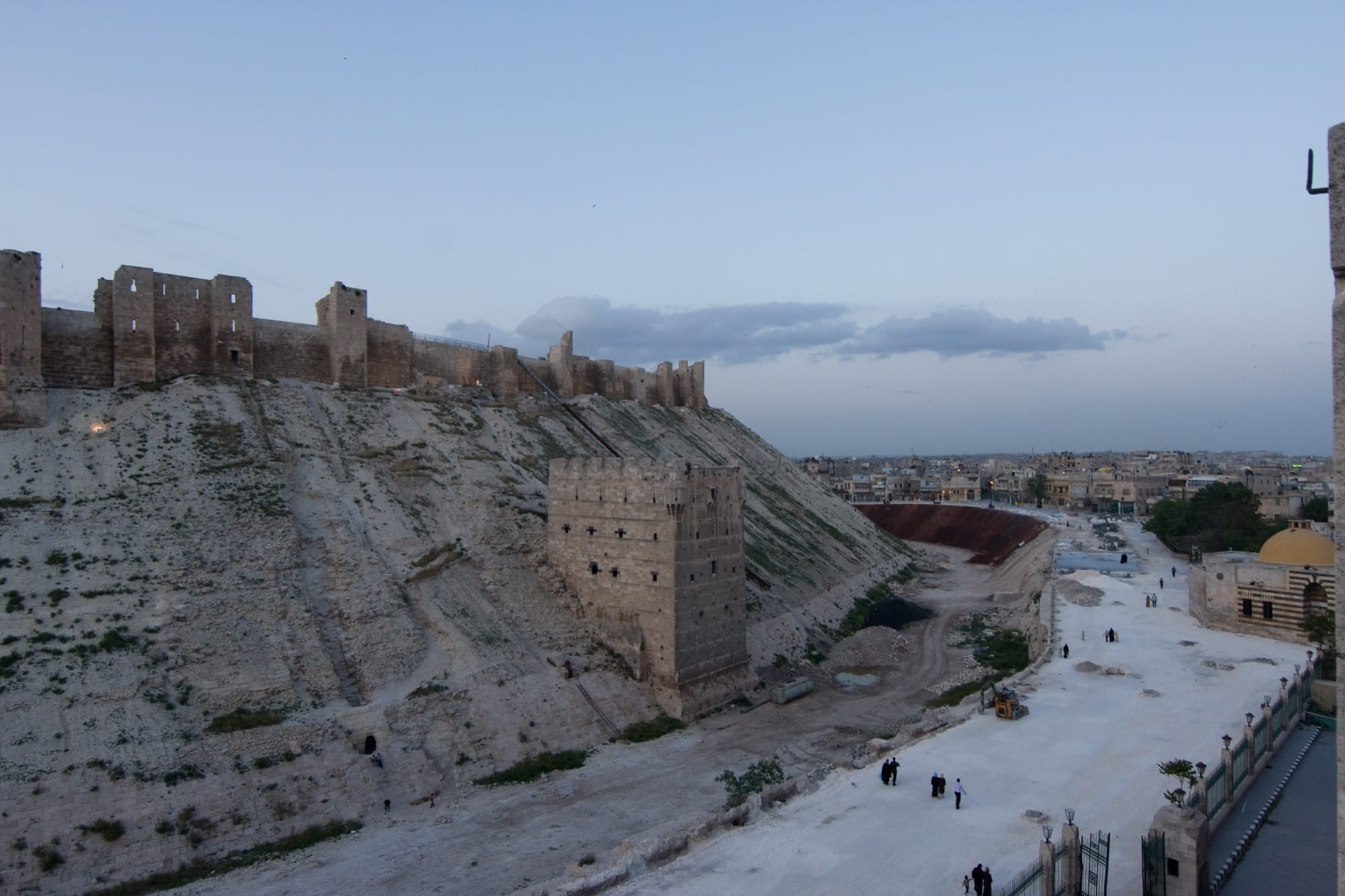
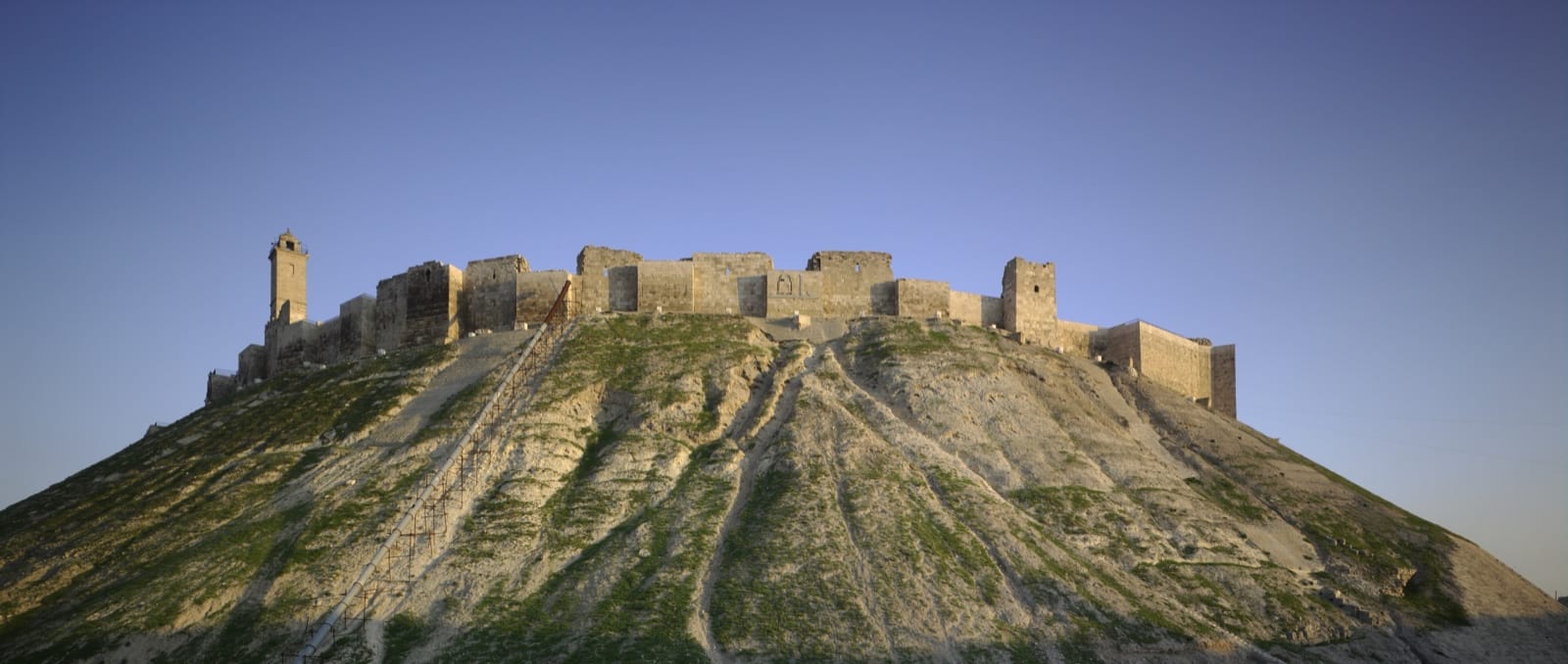
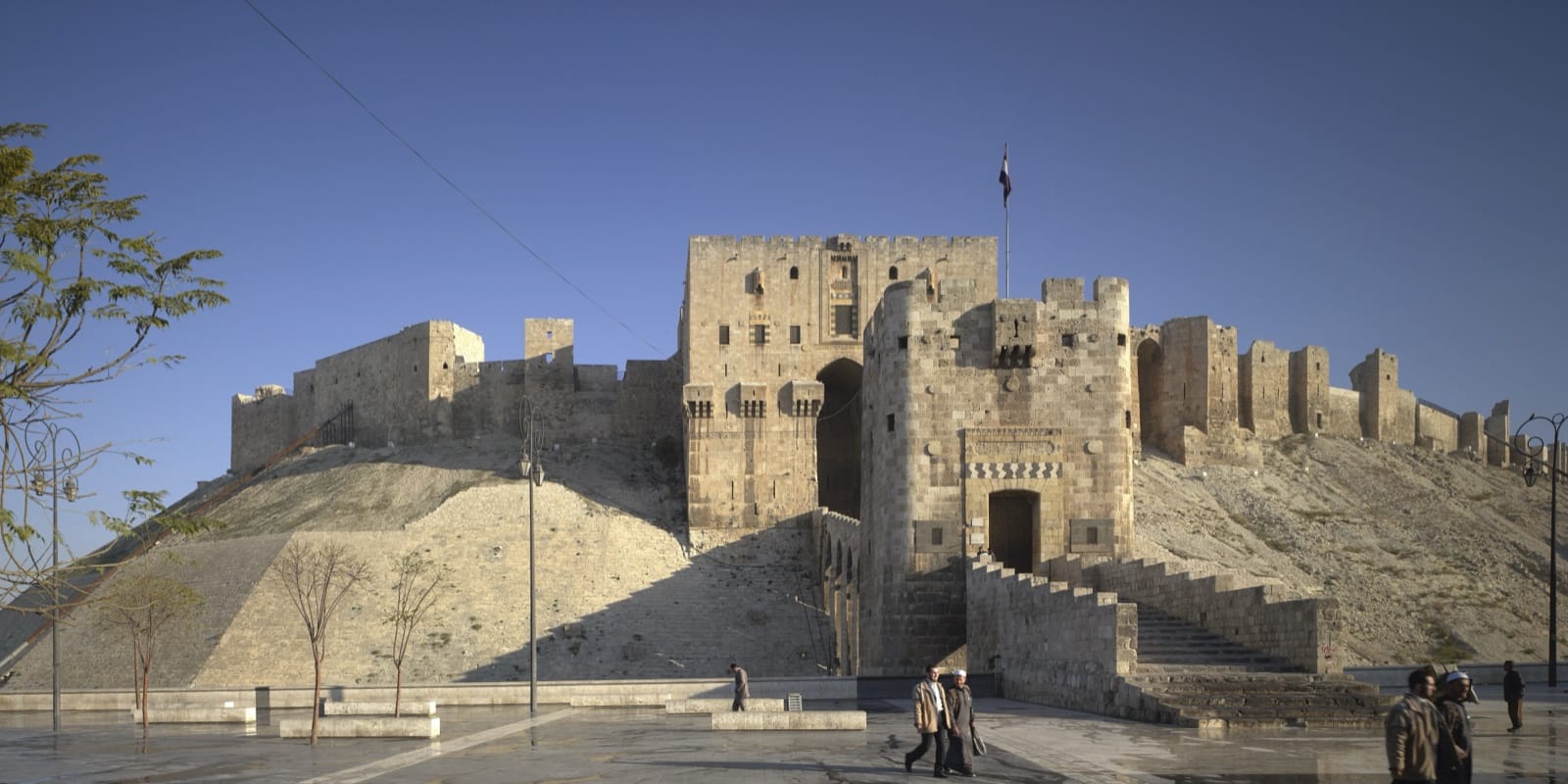
Other successful projects include the renovation of the citadels of Aleppo and Masyaf and the castle of Salah ad-Din in Syria. Inside the walls of Aleppo’s citadel, one of the most important monuments in the Islamic world, a long history of bombardments and earthquakes had taken its toll. The mosque and palace of Salah ad-Din were restored using materials and techniques identical to those employed by medieval craftsmen. While work on the three sites was extensive and varied in scope, the surrounding areas all greatly benefited. It included investment in facilities such as visitors’ centres, guidebooks and development of site management procedures. AKDN clearly is keen to make a long-term commitment to the areas in which they work, guided by the philosophy that a humane, sustainable environment must reflect the choices made by the local people themselves. “A long term attitude is very important; we don’t just run projects for five years,” says Pickens and he mentions that AKDN is currently working on turning a historic house into hotel in the old city of Aleppo to generate money.
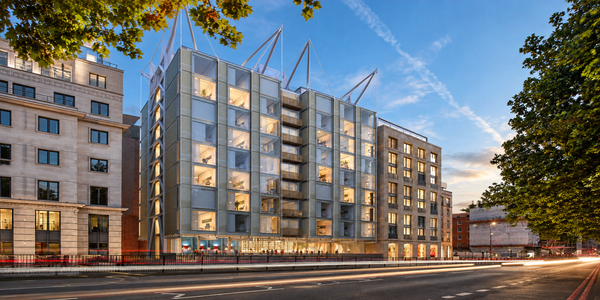
The brain behind all this is H.E. Aga Khan who inherited the supreme title from his grandfather in 1957 when he was only twenty years old and studying economics at Harvard. As the spiritual leader of the world’s 15 million Ismaili Muslims, he has kept a low-key image. His philanthropies fund a variety of activities from disaster relief, basic healthcare, rural development to micro-lending and the promotion of private enterprises. AKDN has more than 300 schools and 200 hospitals and clinics, and finances risky projects. The Aga Khan University has campuses in Syria, Egypt, Afghanistan, East Africa, and most recently, in the UK.
In 1979, the Aga Khan also established a program for Islamic architecture at Harvard University and MIT to promote the study of Islamic art, architecture, urbanism, landscape design, and conservation – and the application of that knowledge to contemporary design projects. The Aga Khan Award for Architecture – worth 500,000 USD - is the world’s largest architectural prize. Presented every three years, it not only rewards individual architects for contemporary work but also singles out projects that propose innovative solutions to problems of social development.
Current developments in the Middle East don’t seem to hinder AKDN’s projects. “Naturally they are a worry for us but we worked in many places through difficulties,” Pickens says. Some of their major projects are in Afghanistan. Conservation of the 16th century Baghe Babur in Kabul, where the first Mughal emperor Babur is buried, began in 2002. Thousands of local men were employed to build a wall around the garden as well as its terraces. They planted walnuts and plane trees on the outer edges of the site and groups of mulberries, apricots, figs and almonds near the central axis. “It is one of the few places where Afghans feel secure. They go there for a picnic and to spend the day,” says Pickens and underlines that AKDN makes sure poor people benefit from their programs and are not displaced by these processes. “Most people are still sceptical about the value of culture because they don’t see a return. We do, many of our projects generate enough money to cover the cost.” Long may they continue.
www.akdn.org