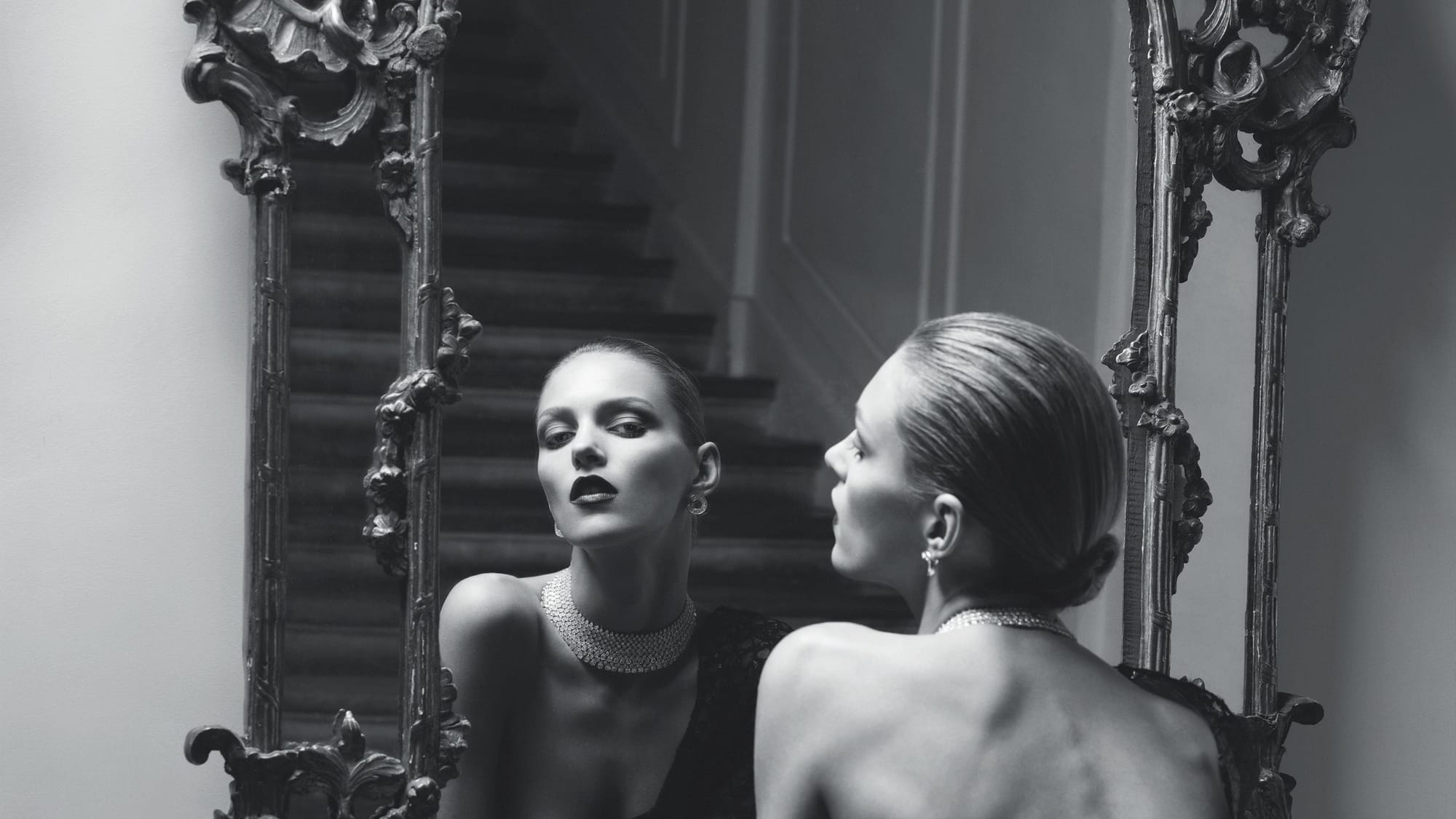
Hedi Slimane's eye works in black and white. Across portraiture, still life, urban detail and landscape, he captures youth, style, sub-culture and mood. His limited-edition box set gathers four volumes, each documenting, with a subtle and central focus, the psychological space of young men in the United States, Berlin, Russia and the United Kingdom. Slimane's references are classical, yet the images stand alone, pure.
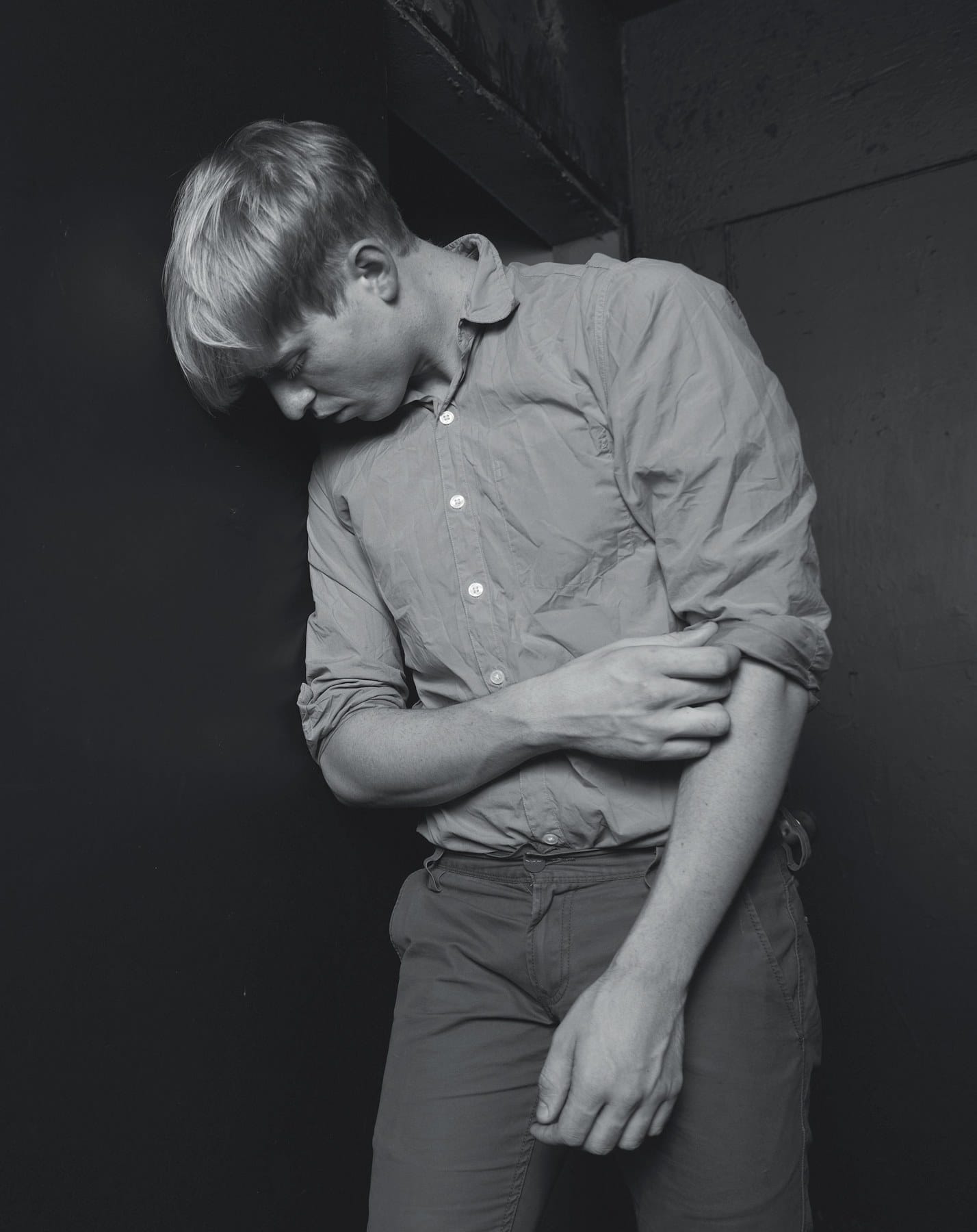
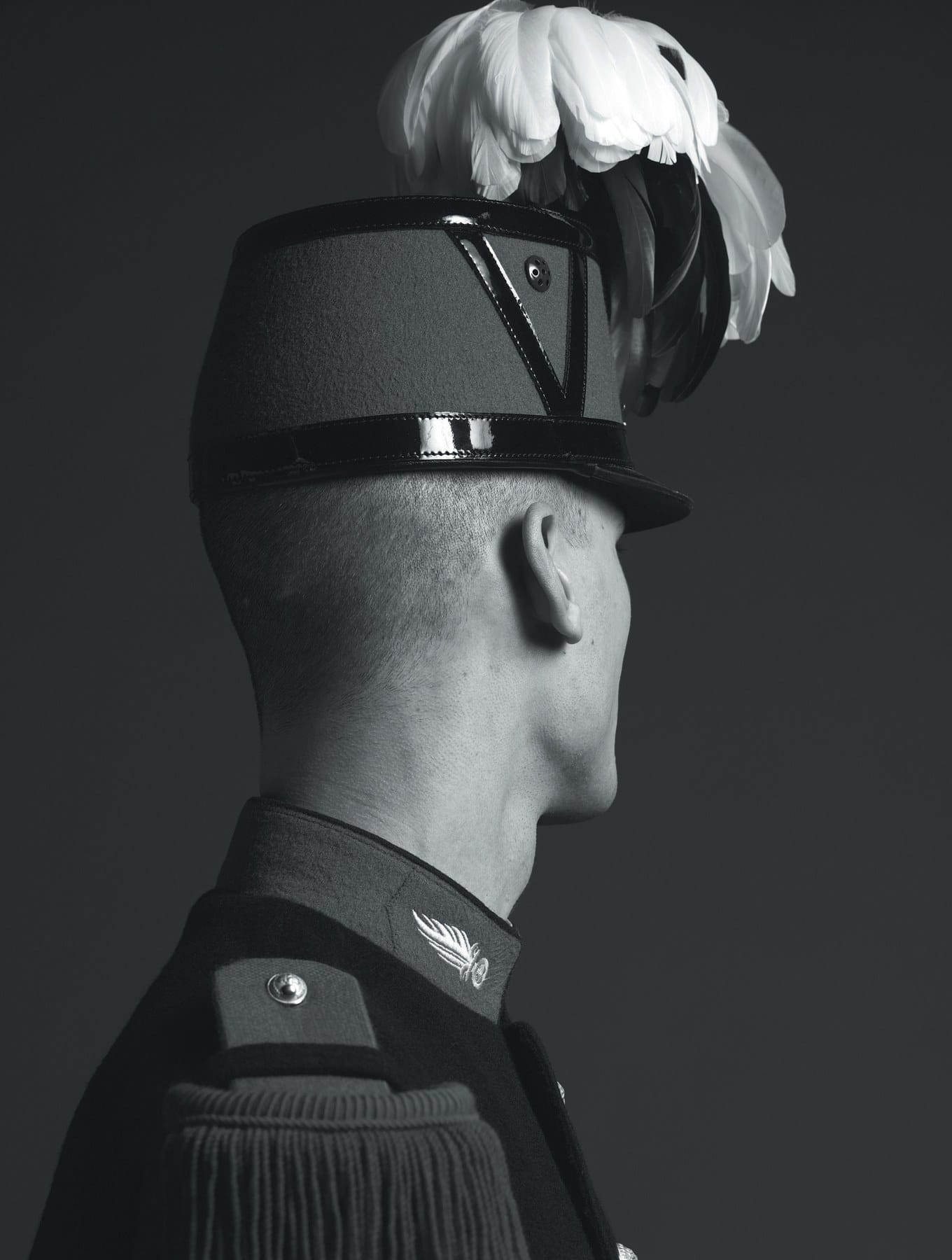
The informal portraits are of models he scouted on the street for Dior Homme, taken during castings or backstage. They present austere and strange beauties with a lost look, an air both innocent and fallen, resembling sketches of young aristocrats from the era of German Romanticism, or the likeness in Oscar Wilde's The Portrait of Dorian Gray. His Saint-Cyr series, photographs of a young French military cadet in full uniform, recalls another literary figure, Julien Sorel from Stendhal's The Red and the Black. His portraits of rock stars, such as his muse Pete Doherty, are like those of nineteenth-century dandies, yet entirely deconstructed. "This is about making a sophisticated ritual out of any single second of existence," he says.

It is the incarnation of youth culture that most fascinates him. He sees and documents the rawness and layered complexity in the young, the urge to act beyond convention, the powerful mixture of self-consciousness and rebellion that others tend to overlook. Youth's charm, when everything and nothing is at stake, is the creative resource he employs without exploitation, respectful of its fragility, vulnerability, grace and vibrancy. "I never saw risks, but I always thought I should try something, and defend my ideas, consistently," he reflects. "I always have a curious and positive approach to things that emerge. I need to experiment with change, and try to avoid any preconceived idea about the relevance of the present versus the past. I also never listened to anything around me, but kept following my path, regardless."
Slimane has a sense of where elemental creativity is brewing, and his path seems consistently in anticipation of the zeitgeist. "I usually ended up in places at a moment where things did not happen yet, and was caught into them when they were about to happen," he recounts. "It was the case in Berlin at the end of last decade. No one in the fashion industry wanted to hear about Berlin, as I tried for a couple of years to share my creative interest in the city. Then the same happened in London, when in 2003 a new indie scene started to emerge. I published those books about it, and it only started to transform into something in 2005. Now, in the case of Los Angeles, it is just like those other cities before, totally random, out of personal interest and feel. It is a territory of exploration where many creative fields collide."
That perpetual sense of the present may explain why Karl Lagerfeld responded so viscerally to Slimane's work at Dior Homme, for Lagerfeld too treats design and photography as nearly inseparable, taking the lens to his own creations. "It is just exploring both sides of fashion, really," Slimane says. "Photography was always a privileged medium of spreading an idea of fashion, just like gazettes and catalogues were doing for the last two centuries."
He describes how the disciplines fed one another during his years designing menswear. "I applied photography techniques to my fittings, and in particular the basics of photography: light versus shadow, black and white, composition, depth of field. Photography helped me finally to define the proportions that later became well known in men's fashion." He remains, he insists, in the process of defining. "I assume menswear designers need to always pursue a sense of progress, knowing the tradition by heart in order to define new or other perspectives, without preconceived ideas." Rooted in the music, the modes and the moment, Slimane keeps conceiving with originality and refinement.