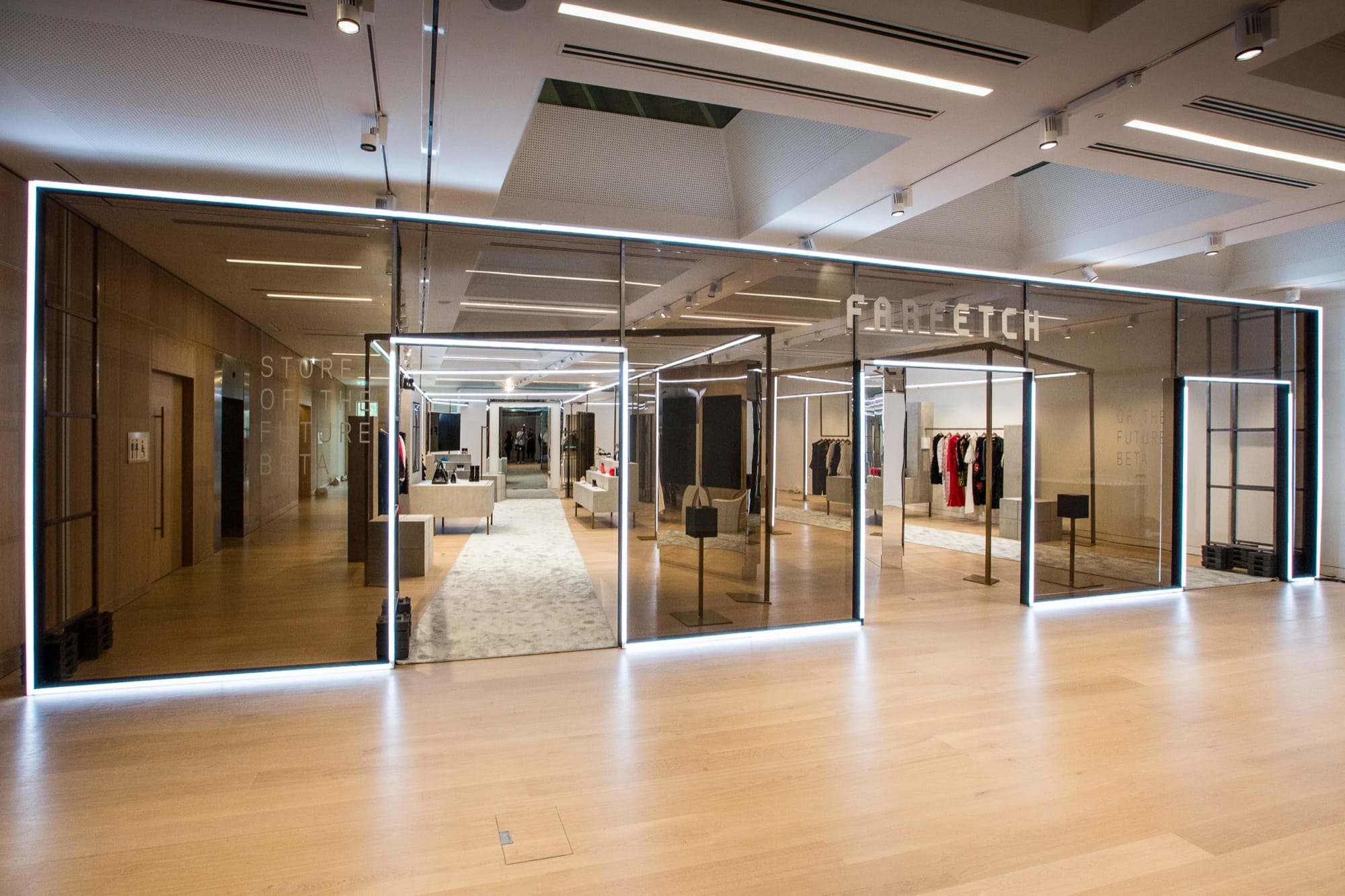
Farfetch exists for the love of fashion. Or so says the company website. But to view the business simply as a forward-thinking purveyor of high-end clothes would be missing the point entirely. One of fashion’s only ‘unicorn’ brands, Farfetch is on a mission to revolutionise the global technology platform for luxury merchandise. And founder José Neves, a British-based Portuguese billionaire businessman, thinks he knows how.
Farfetch’s ‘Store of the Future’ idea is a technology-powered retail operating system. In short, it aims to improve retail productivity by capturing consumer data and using it to enhance shoppers’ experiences both in-store and online. Like all digital landscapes, luxury e-commerce is growing fast, but only around seven per cent of total luxury goods purchases happen online. This figure is expected to plateau at around 20 per cent by 2025, which means the vast majority of sales will continue to take place in physical stores. “Although digital is already influencing most consumption behaviour – and that’s where the eyeballs are; it’s the new TV, it’s the new print, it’s the new everything – when it comes to actually purchasing fashion, there will be a plateau in online sales. Fashion is not downloadable, which makes it very different from movies or music,” Neves points out.
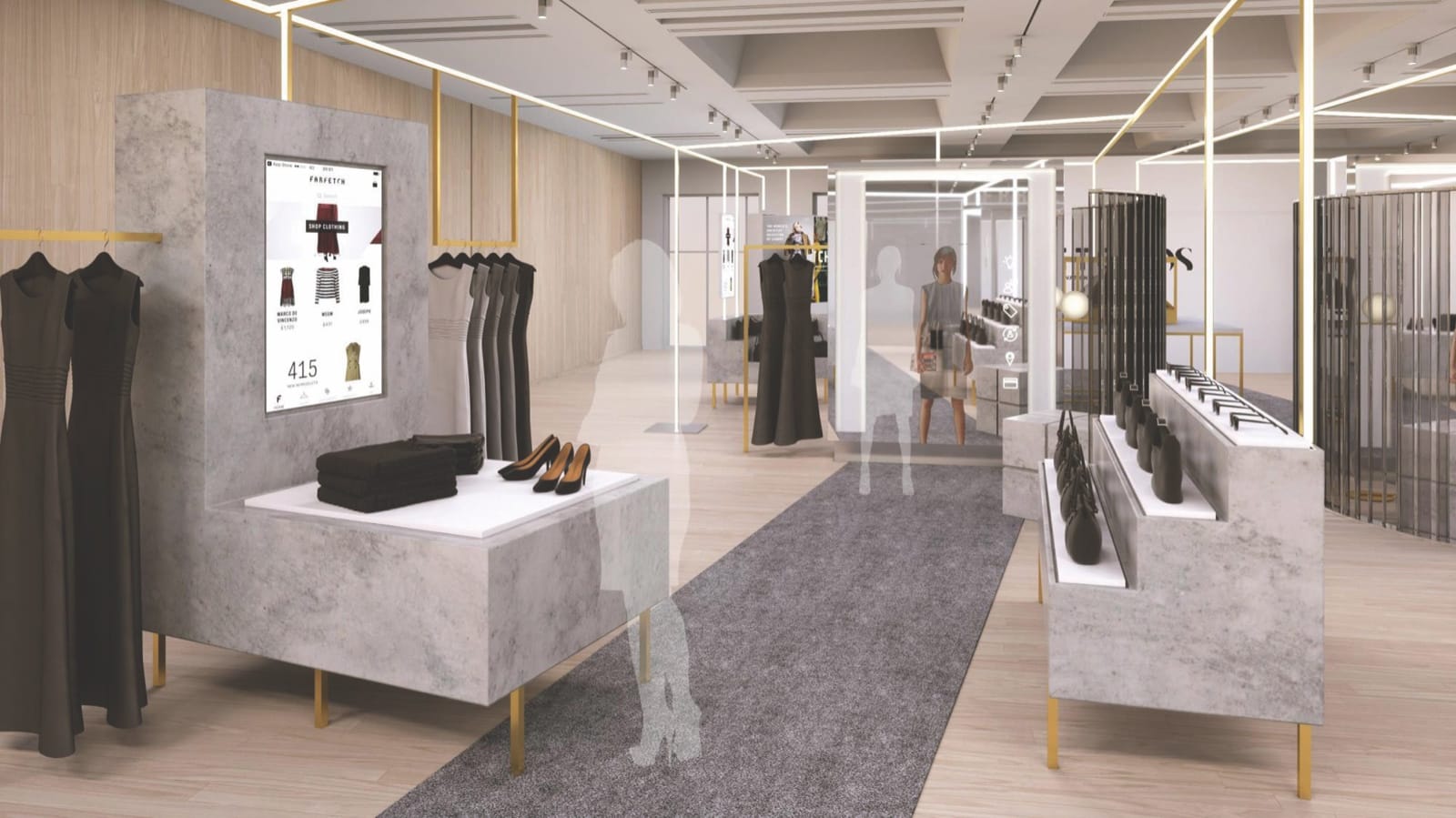
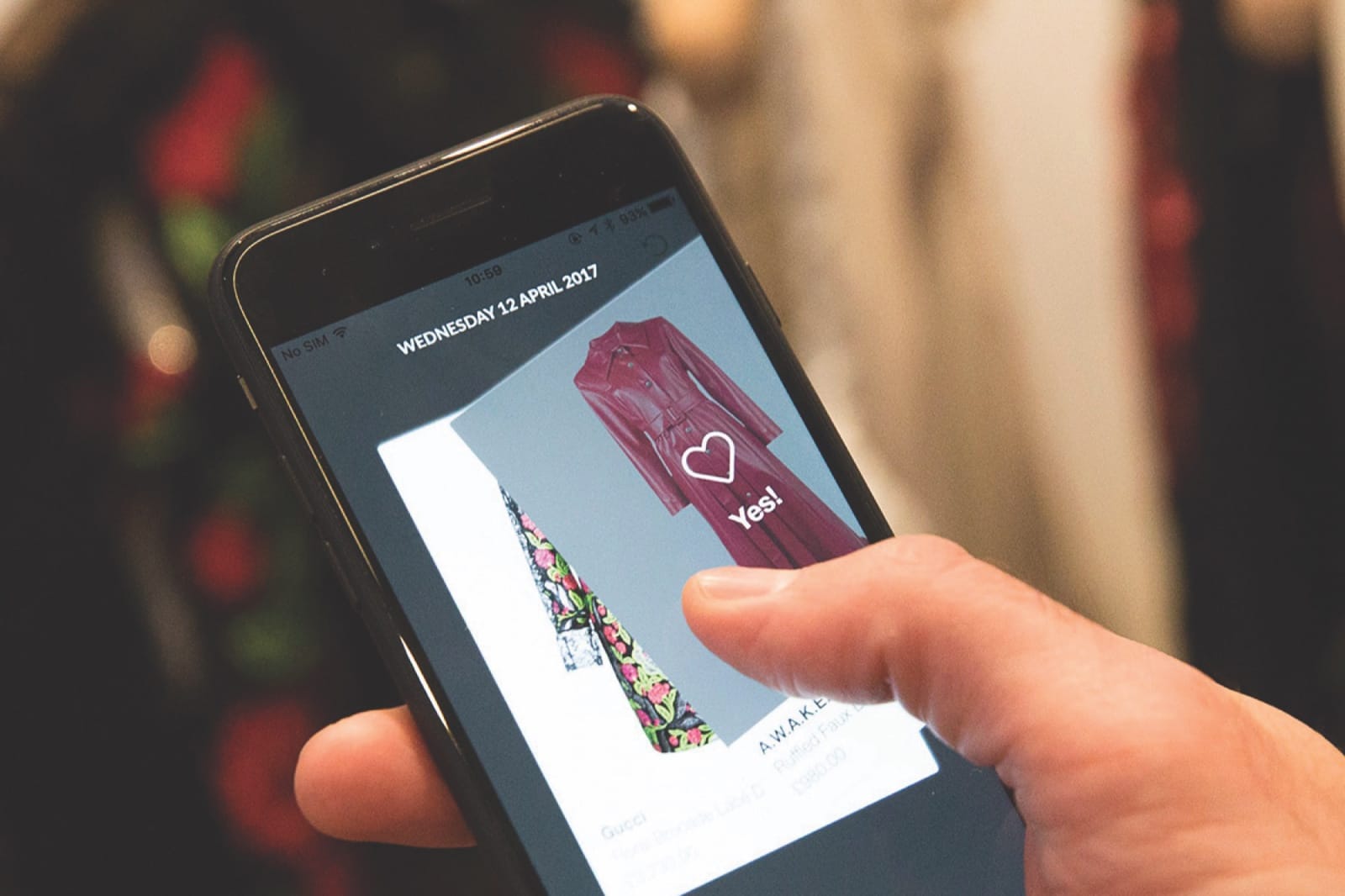
In Farfetch’s brave new world, shoppers will be recognised (scanned) as they enter a store, ‘offline cookies’ will automatically add products to consumers’ wish lists on their mobile app as they touch a garment in store, and digital mirrors in the changing rooms will enable shoppers to request alternative sizes and colours at the touch of a button. Even payment will be via an app, rather than at a till.
Most exciting of all, however, is the open architecture that Farfetch has embraced, inviting third-parties to build applications on top of its ‘Store of the Future’ platform, much like Apple’s iPhone App Store paved the way for the likes of Uber, Spotify and Instagram.
“We don’t want to come up with all the innovation ourselves,” says Neves. “We absolutely do not believe there is one store of the future. There will be a thousand stores of the future. Think about the way a brand commissions an interior designer and differentiates the space, the smell, the experience, the merchandising. What we do not want is cookie-cutter experiences. So some components will be suitable for some brands and not for others.”
Relentless in its pursuit of connectivity, in June 2019 Farfetch revealed itself to be a founding member of Facebook’s new Libra Blockchain initiative, which will help to further enable frictionless e-commerce by way of digital currency.
“It’s really about creating the luxury experience of the future,” says Neves. Retail, as we know it at least, is dead.