1. Founded in Stockholm, Lind isn’t the first electric surfboard company. It is however the first to achieve the feat with the planning, grip, and responsiveness of a real board. And the company did this by assembling a dream team that includes Heart Aerospace engineers who used to work at NASA on Mars rovers.
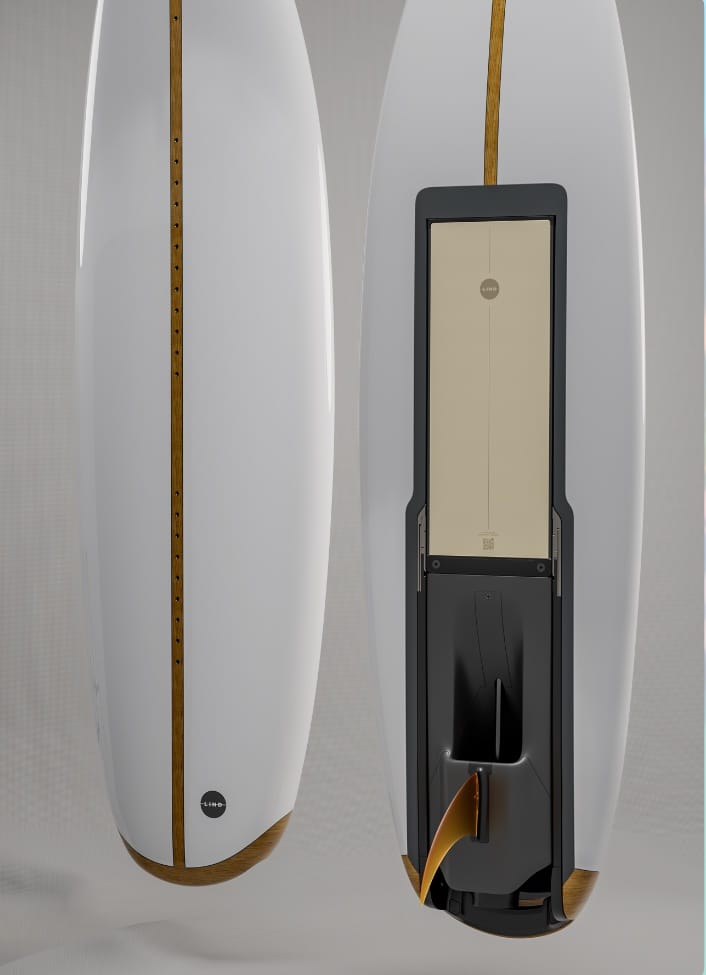
2. It looks stunning with the thick, oak stringer of a retro collectible. But examine it closely and you’ll see it’s hiding more girth than a regular board and that’s because it’s engineered to accommodate a sleek 3.1 kWh battery pack plus a ferocious 27 hp jet engine providing double the power density of a Tesla Model S.
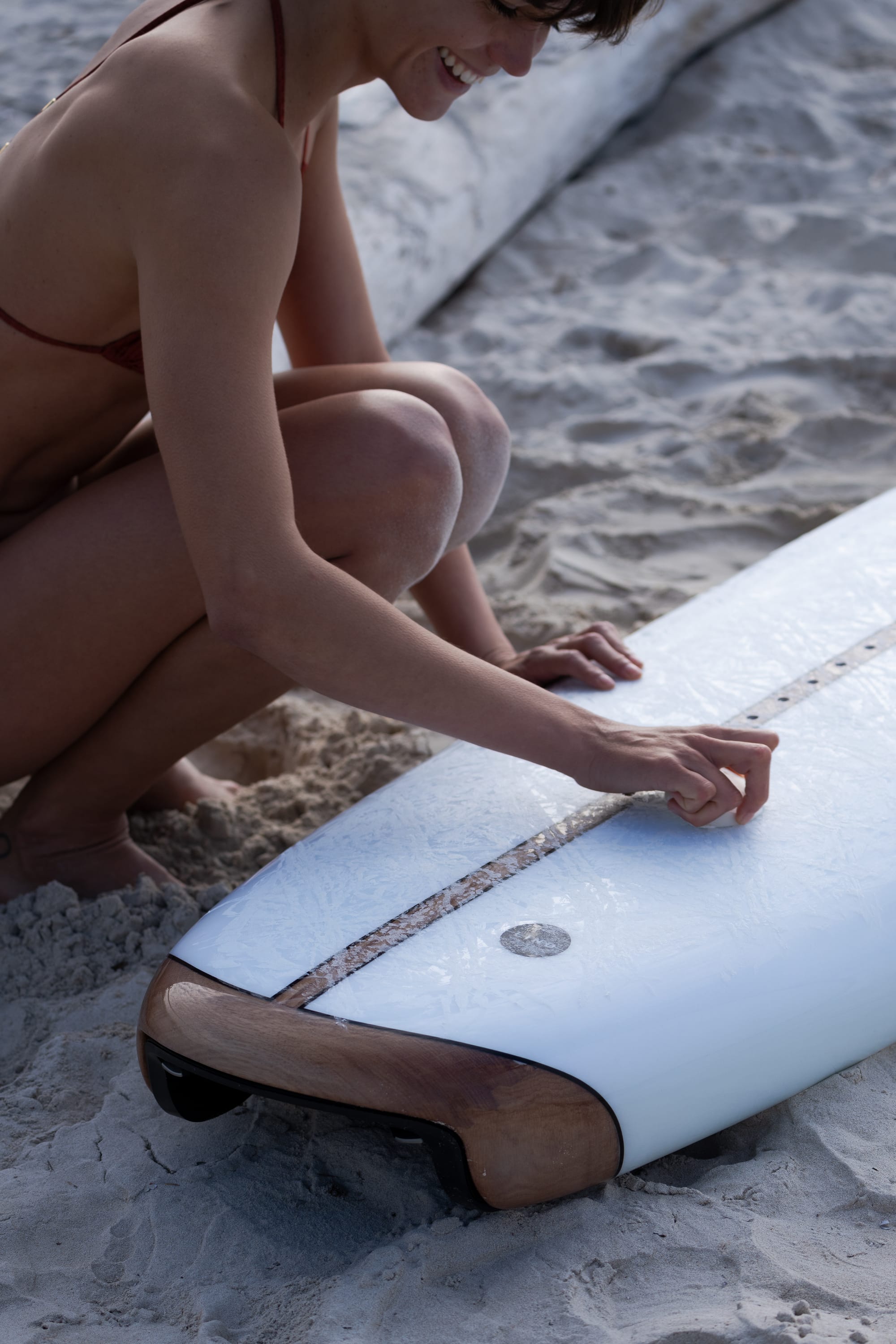
3. The board itself weighs only 7kg (making it light enough to carry under one arm like a traditional board) while the removable battery pack weighs 17 kg and gives you about 45 minutes of run time. If you buy two batteries you can keep rotating without having to end the fun, as they fully recharge in an hour.
4. We recommend you wake early when the sea is calm and there are fewer boats around. Turn the board on its back (near the water), latch in the jet pack and battery, add the fin, flip it into the water, and pair it with the remote. It’s click and play. The assembly requires no tools and takes less than a minute.
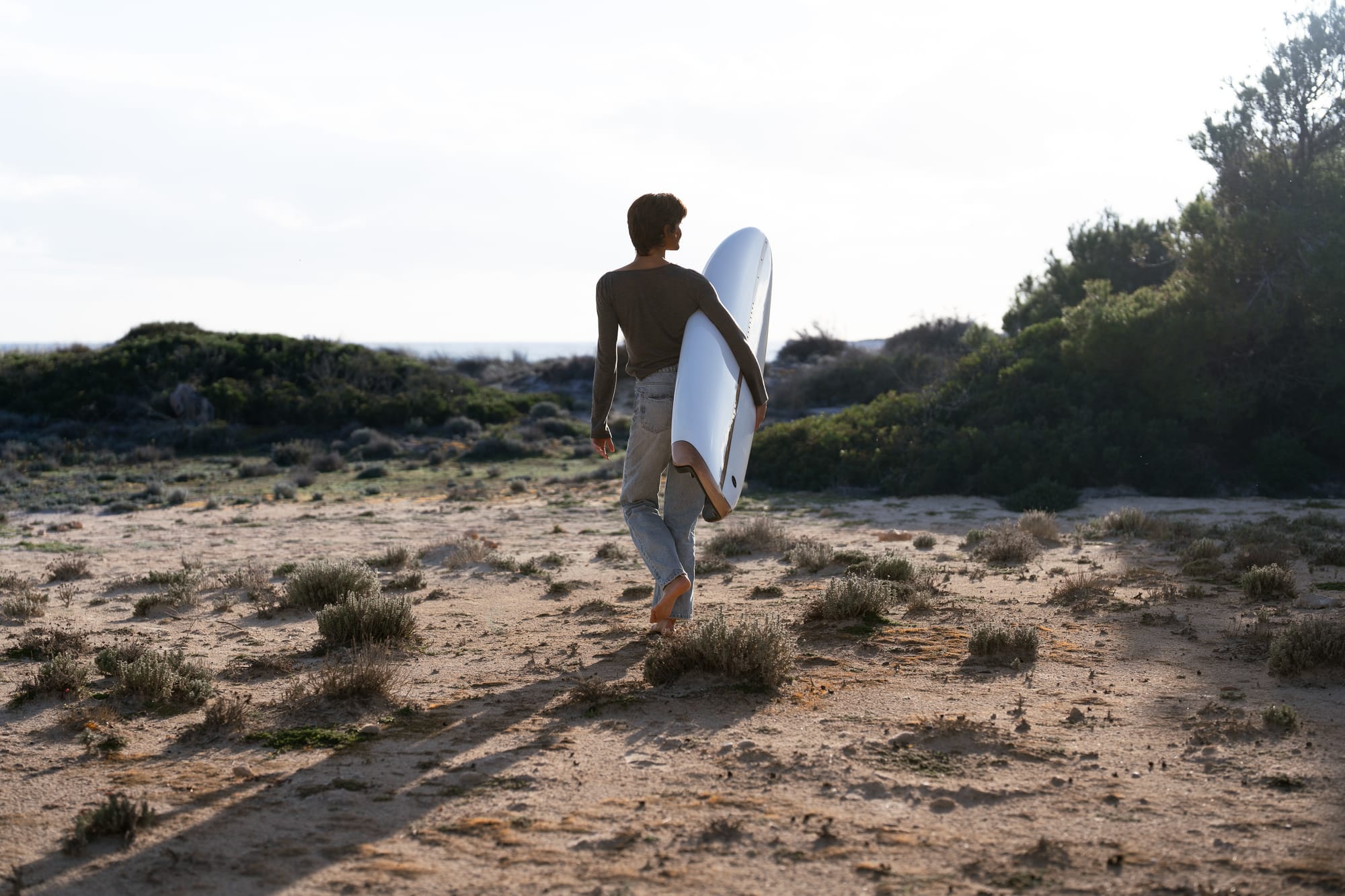
5. Now it’s time to have fun. Put your tummy on the board, point towards the open water and squeeze the remote’s trigger. Newbies should keep to power level 4 or 5 (out of a maximum of 15). Within seconds you’ll be hydroplaning almost silently. Then, when you’re ready, try and pop onto your feet.
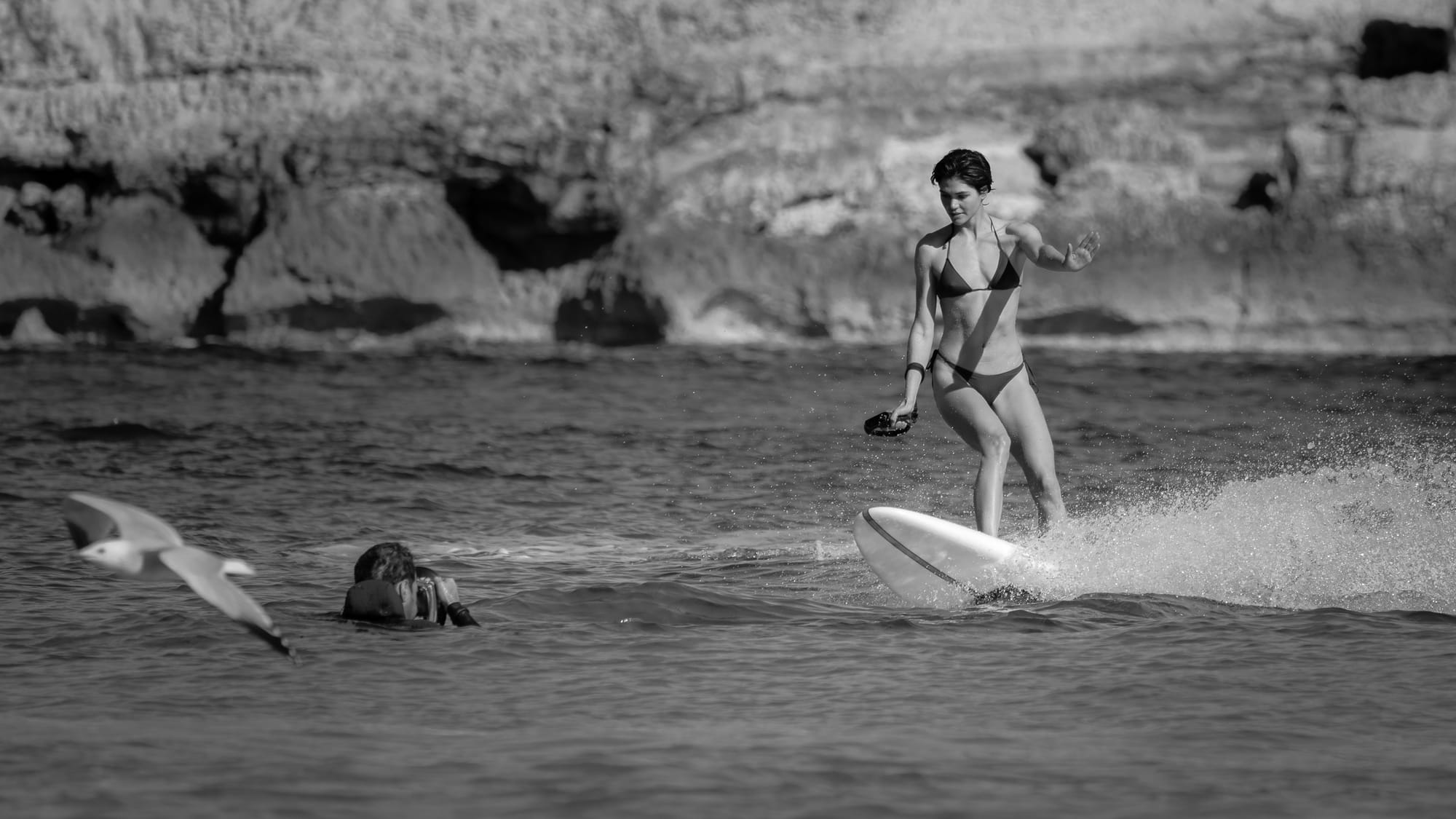
6. On our 45-minute test run in the South of France we managed to get up within 10 minutes and enjoyed some proper surfing. We also reached a power level of 12, did some tight turns and overtook a few e-Foils being ridden by pros. We can only imagine the sensation of doing 60 km/h! Radical.