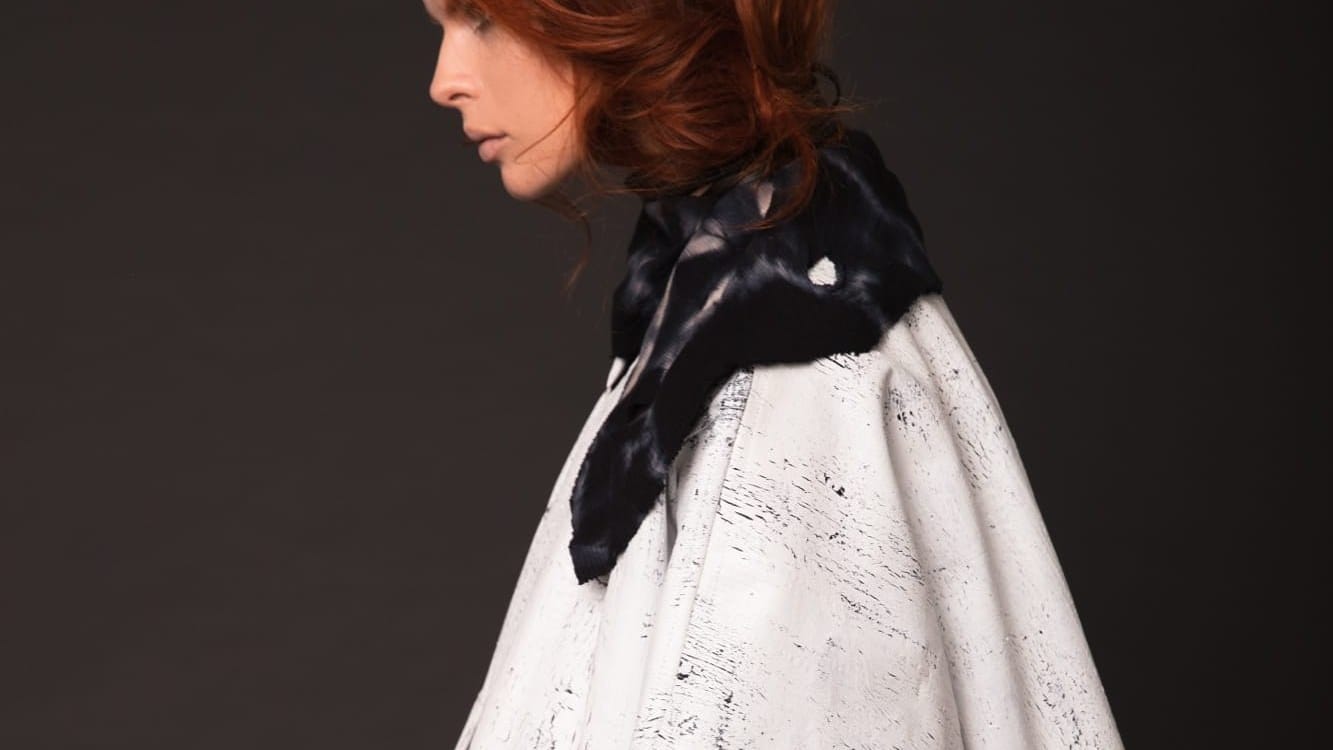
Beirut has long been a stylish city. Ever since French artists and fashion designers began frequenting the Levantine city on the Mediterranean during the Mandate period, Beirut has enjoyed the reputation in the Middle East and further afield as a capital of chic.
In recent years, building on the foundation developed by the tailors, pattern makers and fabric designers of their parents’ generation, couturiers like Elie Saab, Zuhair Murad, Rabih Kayrouz and Reem Acra have gained an international following among the glitterati who frequent red carpets, and those who can afford to emulate them.
But the cachet associated with being a Lebanese fashion designer has traditionally been restricted to those who could afford to get their education and careers started abroad, or have the networks within Lebanon to begin their hometown fashion houses with an established clientele base.
The Creative Space Founder Sarah Hermez could have followed this relatively well-trodden path. The Lebanese designer, raised in Kuwait and educated at Parsons The New School for Design in New York, left design school with enough connections and experience to work in a major fashion house, and eventually set up her own couturier. But that’s not how she envisioned her future. “In terms of deciding to leave New York, I didn’t want to spend my life making clothes for rich people, it didn’t make sense to me,” says Hermez. “The creative process was something I really enjoyed but the outcome of it was meaningless to me. What I spend my life doing needed to mean more than that.”
So Hermez partnered with her professor at Parsons, Caroline Shlala-Simonelli, on what she thought would be a one-off project to provide fashion design education to underprivileged young people in Lebanon, regardless of sect, nationality or religious affiliation. As is the case with many exciting new ideas, at first people were a little skeptical.
“In the beginning, it was me going around and knocking on people’s doors, I would say ‘I have this vision, do you want to come along or not?’ Having Caroline as a Parsons teacher and coming from New York gave me credibility, but I was so young, and also looked very young, so people were like ‘Really? You?’” says the elfin 30-year-old.
Five years in, The Creative Space is going strong, providing carefully curated design lessons in an atelier in the Mar Mikhael neighbourhood of Beirut, to a select group of hardworking young designers, and all for free.
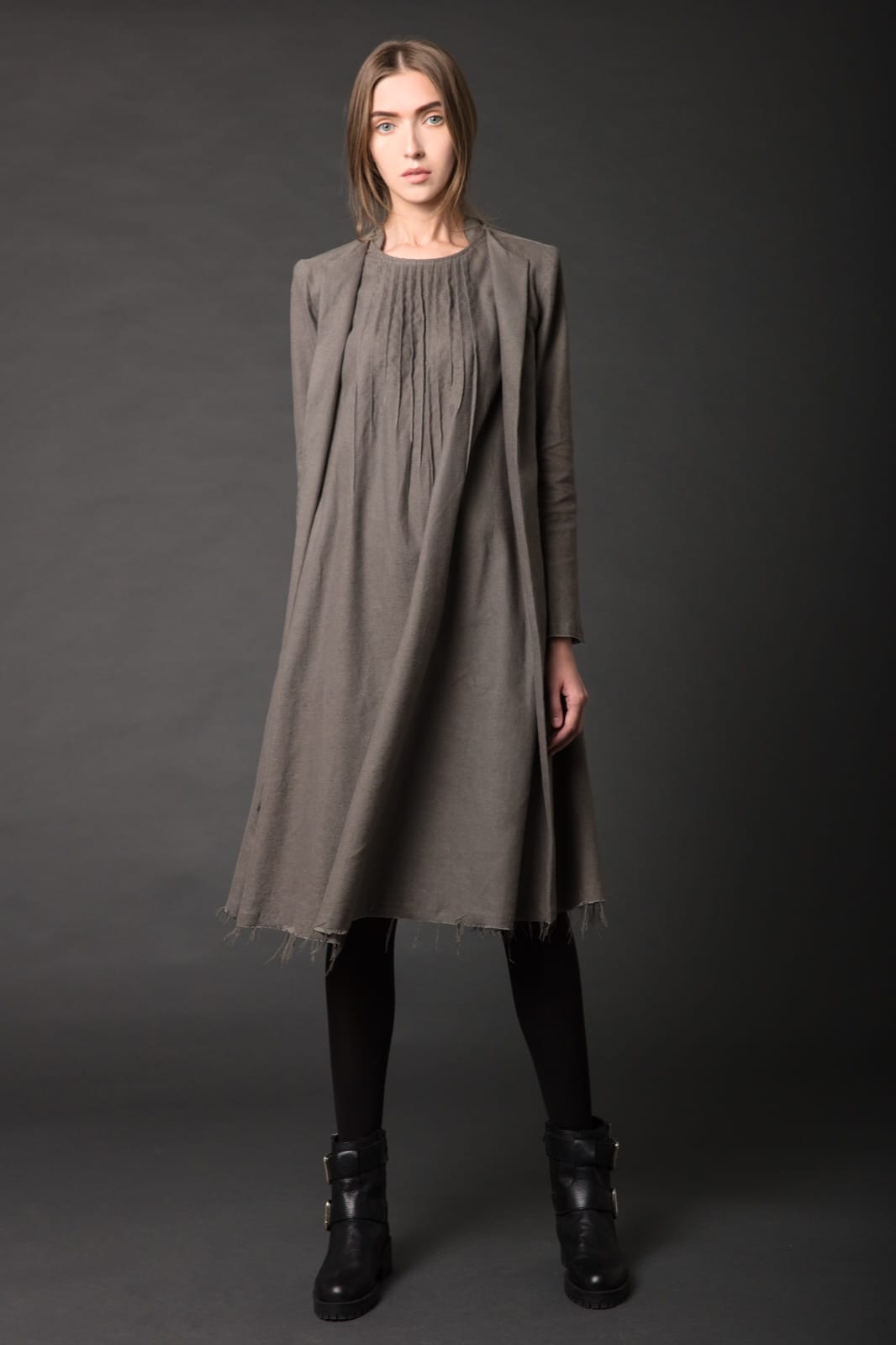
As a testament to its success, in December, the first graduating class’ fashion show drew over 400 people despite tempestuous weather. The show featured individual collections by each of the four graduating students who completed the three-year curriculum.
“Having the fashion show and demonstrating what you get from a three-year education at Creative Space left people with a better understanding of what we do, and more of a willingness to take part, or collaborate, or support in one way or another,” says Hermez.
“People were comparing it to shows of an international standard,” she continues, with clear pride. “And we sold a lot of the designs at the static show, held after the event.”
Because the funding vehicles to which NGOs typically apply measure impact by number of beneficiaries served, rather than quality or depth of service, the project has struggled with getting money via traditional avenues. And as such, the hosting of events has proven to be of the major ways in which The Creative Space solicits funds. One of their best known fundraisers is Dressed to kill, a dance party whose steep entrance fee includes a potent cocktail of mixed drinks and social impact.
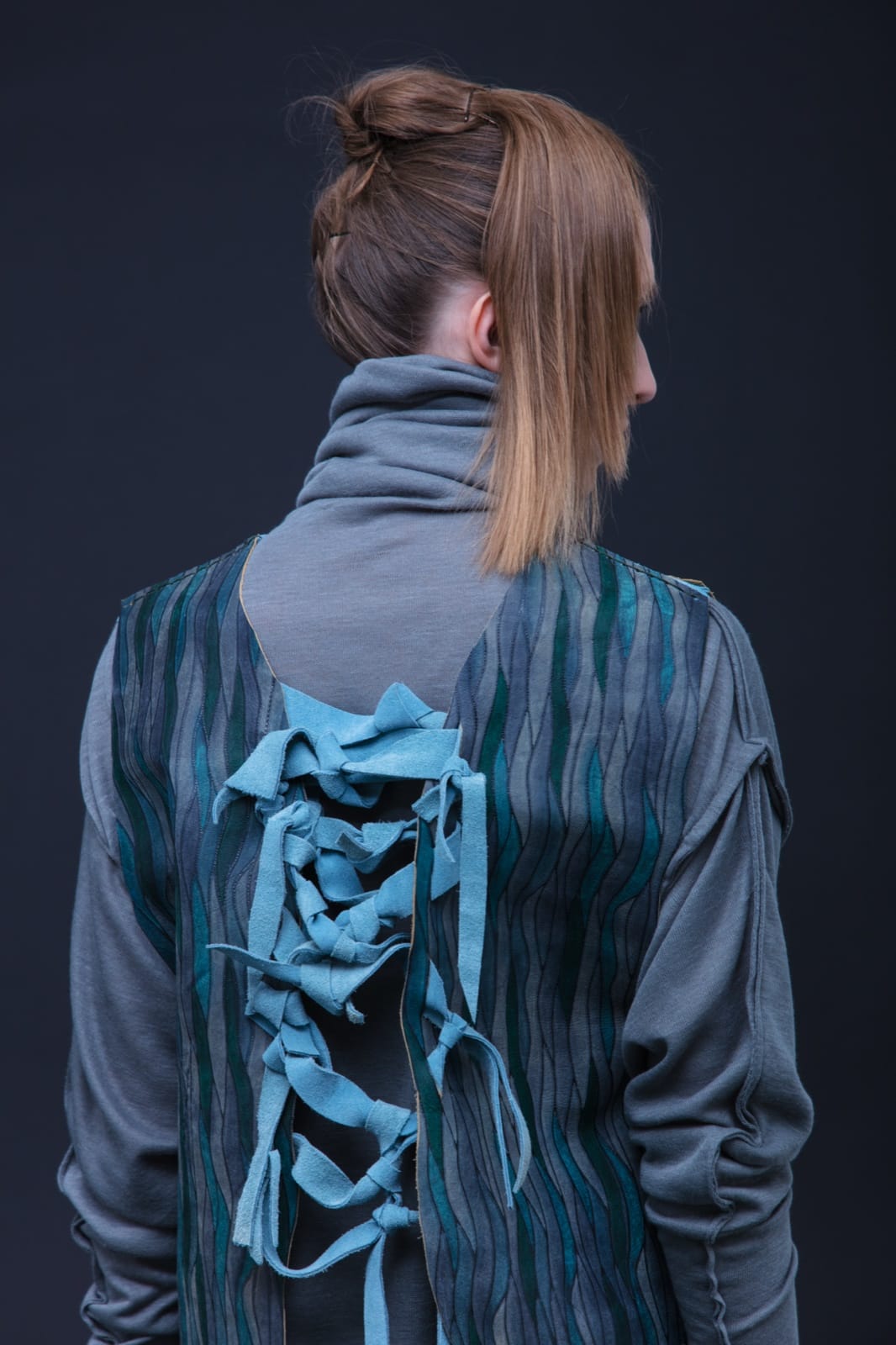
Hermez and her team of three full-timers have also launched a couple of ready-to-wear lines, from which a portion of the proceeds will be fed back into the operations of the school. The lines (called Creative Space Beirut Ready-to-Wear and SECOND st.) also serve as a platform to hire students. “We want to provide education but also work opportunities once they graduate. It’s a very difficult market, and it’s hard to get visas to leave Lebanon, so to build a platform where we can hire them once they graduate is important to us.” Indeed, Hermez has just hired one member of the first graduating class to assist her in designing under the SECOND st. label.
This integration of students into the project – community-building in its truest form – is at the heart of what The Creative Space is trying to accomplish. “Each student has a key to the space,” she says, “and they come and go as they like. They have ownership. It’s their space and they want to give back. They’re not just students anymore, they believe in the cause and they’re fighting for the same thing.”