There isn’t much that is impossible in the world of the automobile any longer. We now take for granted speeds that would have torn cars apart 20 years ago and technology such as satellite navigation, internet connectivity, infra-red night vision and other safety features like lane departure warning, automatic braking, adaptive sonar cruise control and, depending on its manufacturer, your car may well even be able to reverse park for you. The options are mind-boggling. There’s a negative side to all of this high-tech prowess, however – especially if you’re a driving enthusiast: it actually robs you of almost all hands-on involvement when behind the wheel.
That’s why many people love the pure driving pleasure of an older car. They love the look, feel, and even smell of a real classic. Yet this, too, has its obvious downside. New cars may be less distinctive and have less character than their ancestors but by and large they’re incredibly efficient and reliable. So how about combining the best of both worlds, the enduring value of the old with the intelligent technology of the new, classic good looks and rock-solid reliability? Impossible? Not anymore.
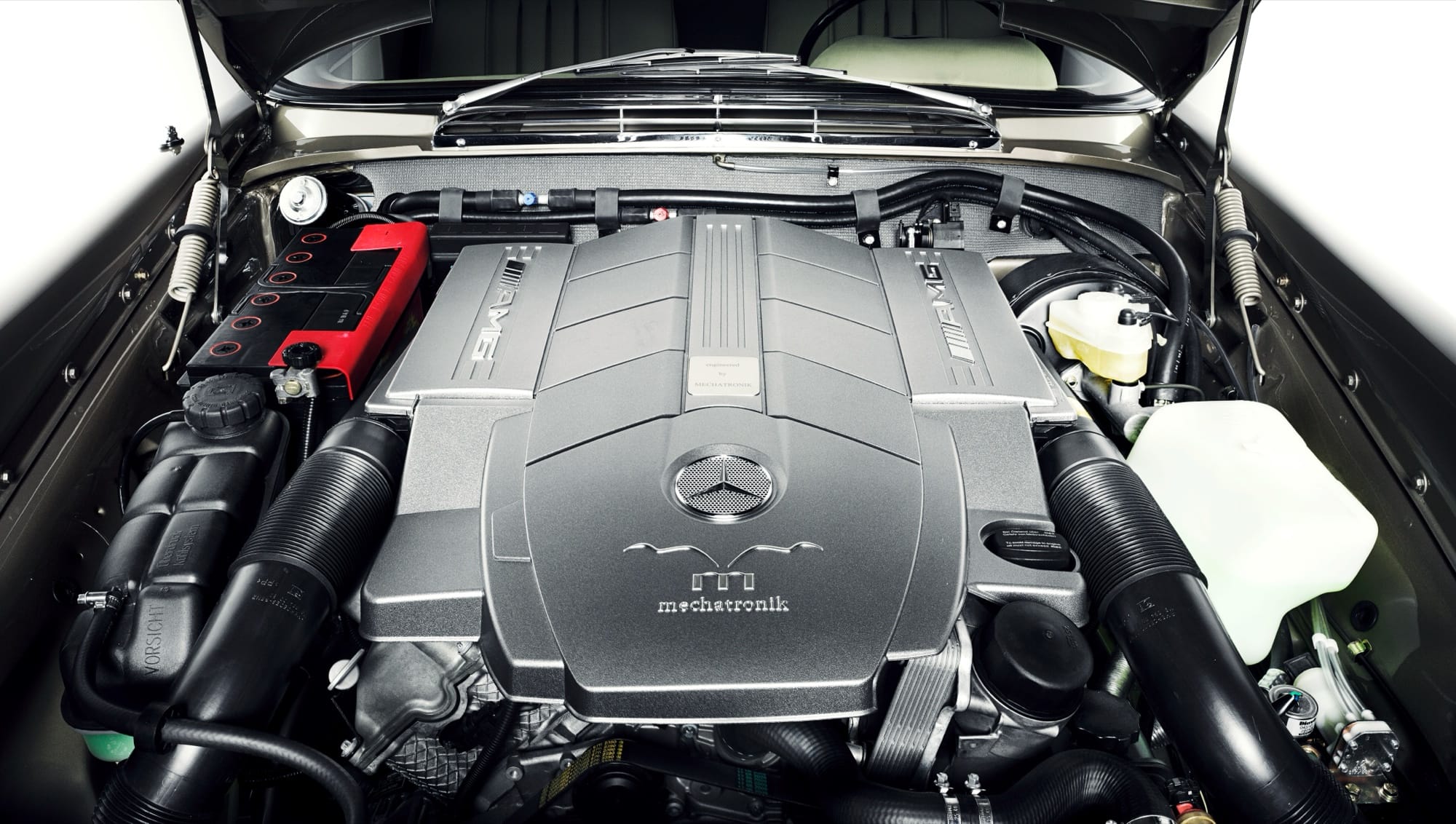
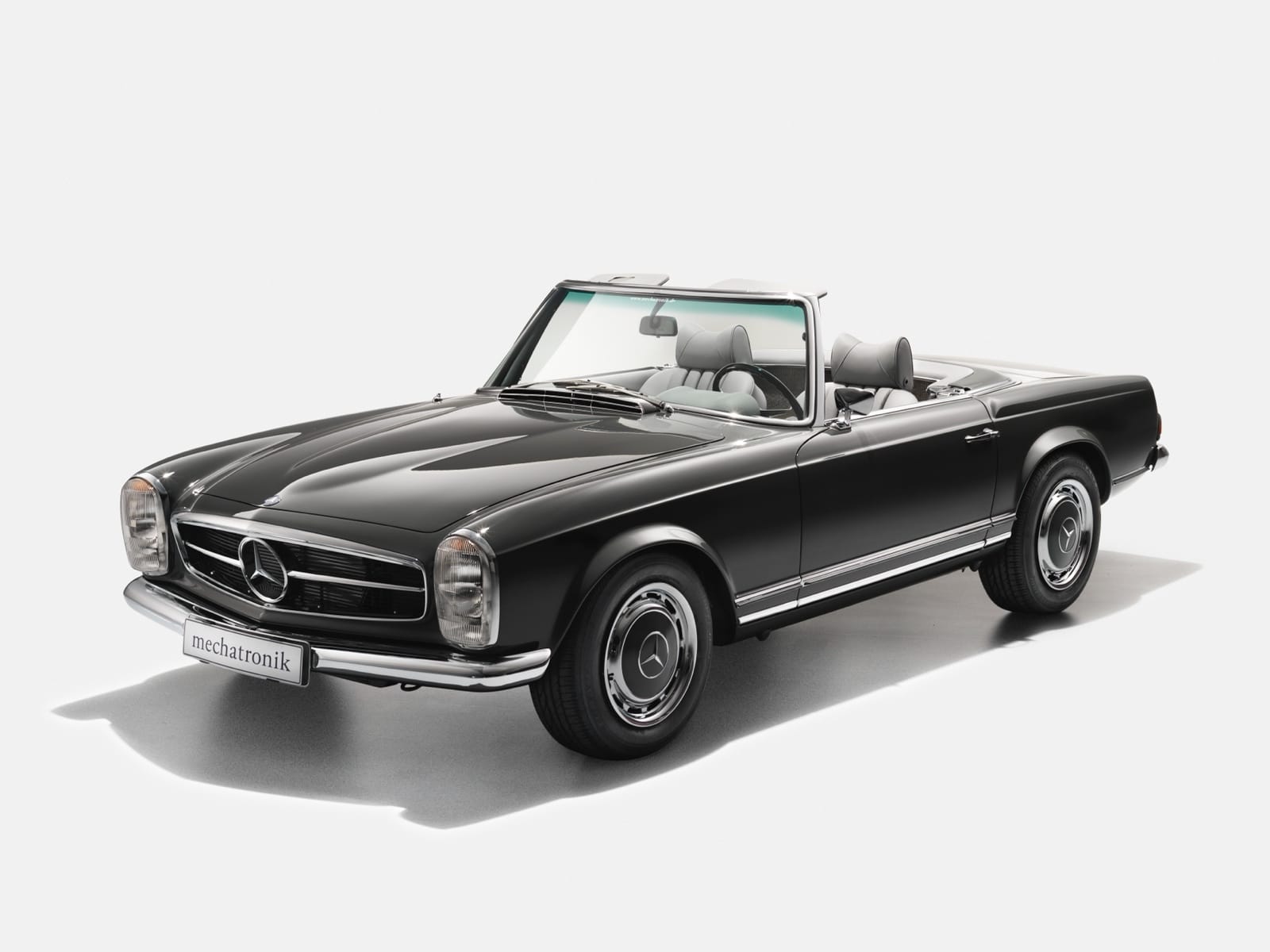
A growing number of companies now specialise in what most of us could previously only dream about: classic cars restored with the latest technologies. This new, bulletproof engineering makes them safer, more resilient and economical, kinder to the environment as well as driveable on a daily basis because of modern running gear, suspension designs and brakes. And when it comes to the classic Mercedes-Benz, one company is leading the field: Mechatronik.
As the name suggests, this is a German outfit and it’s based in Pleidelsheim, on the outskirts of Merc’s hometown, Stuttgart. Mechatronik was established in 1996 and, as managing director of one of their divisions, Thorsten Klenk, recalls, the company’s earliest customers were progressive in their thinking. “They loved the traditional looks of classic Mercedes cars, but when you get into an old Pagoda, for example, you usually have to offer a prayer when turning the key so that it actually starts. What they wanted was the charm with reliability and that has been the mainstay of Mechatronik’s business since day one.” Klenk points out that Mechatronik, above all else, is a centre of engineering excellence. “We have to be creative, to think in different ways from everybody else to offer something unique, and that is exactly what we do.”
Of course, there are classic car aficionados who are more purist and would not dream of altering a car from the way its maker put it together. Authenticity is a highly prized attribute to many collectors and their valuable cars are often indistinguishable from the original, even if the price to pay is functionality. They come out every now and then to be shown at concours events (where they often refuse to start), but many are hardly ever driven. Mechatronik, with their Classic division, is here to service that type of client as well, and the Trade division will happily find you any classic Mercedes you care to think of and even restore it to “as good as new”. But despite the detractors, it’s easy to see why Mechatronik’s approach appeals.
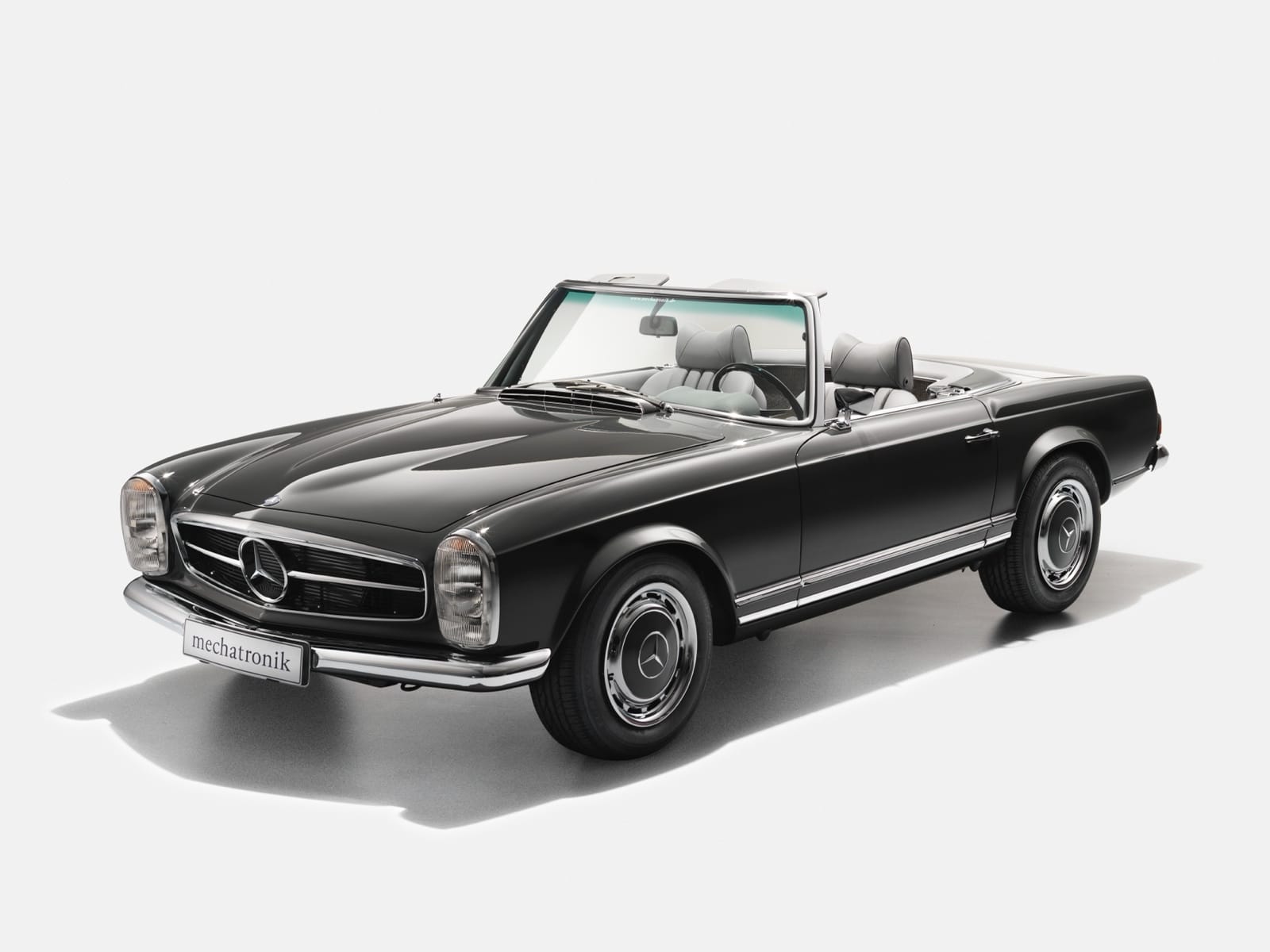
“We have the utmost respect for the cars we work on,” says Klenk. “It’s a passion in every one of us and, although we make changes to the physical construction of a car, what we do is never irreversible and often clients will keep the components we have substituted so that their cars can be returned to their original specifications. We adapt the modern technology to the car and not vice versa.” Even better. And it is this passion for the art of engineering and attention to detail that ensures you cannot distinguish a ‘new’ Mercedes-Benz classic from the old, except when you get inside of course, and experience the integrated technology.
Although many classic car owners enjoy exercising their old timers in events like historic rallies, hill climbs and other competitions and entering a tweaked Mechatronik Mercedes would be quite verboten, just think of all the other possibilities they miss. You can drive a classic Mercedes everyday, to work on the commute; it won’t rust, it won’t leave you stranded on the side of a road with steam pouring from its engine, it won’t run into difficulties with emissions legislators and it’ll offer more power and torque than when it was new, not to mention being able to stop in an emergency thanks to modern ABS technology. Modern music systems can also be secreted into dashboards without any visible clue that anything has changed. In fact, almost anything is possible vis-à-vis Mechatronik, given that one basic stipulation is adhered to: you must preserve the car’s timeless looks, to the mark. Which is perhaps the perfect compromise.
Mercedes-Benz has always built cars with longevity in mind. You only need to see how many old beaten up old Mercs are still being driven in Lebanon and other GCC countries to appreciate they must have been rather well built for endurance in the first place. But hand one over to Mechatronik and the results will astound. “If you want bling bling then go somewhere else,” says Klenk. “Only an expert could tell one of our cars isn’t original from the outside. And okay, you won’t be able to enter Pebble Beach with one but you can still burn rubber at the lights and leave other cars for dust!”
www.mechatronik.de