In this day and age of cheap digital cameras, where anyone can take striking pictures with minimal training, in a world in which we are bombarded by images designed to hold our attention, the art of the photograph is not what it once was. The old saying, “A picture paints a thousand words,” is nothing more than a throw-a-away line. We take it for granted that evidence of our lives will be preserved long after we have faded from memory.
Yet photography remains the most powerful tool available to man when it comes to capturing a single moment for eternity. Well, as long as it’s preserved correctly. And that’s where The Arab Image Foundation (FAI) comes in. The foundation is working to ensure that the earliest examples of Arab photography are not lost to the world, thereby preserving a fascinating slice of our history.
“The primary mission of the Foundation is to preserve photographic material of the Middle East and North Africa where you have an important Arab diaspora,” says Zeina Arida, director of FAI, “The idea is also to study the material and make it accessible through activities we initiate and also by giving access to the collection to curators, artists, the press and media.” To date FAI has an online database of 20,000 free-to-access images, the organisation publishes books on various aspects of Arab photography, runs workshops and is planning on opening a book and video library among other initiatives in the near future.
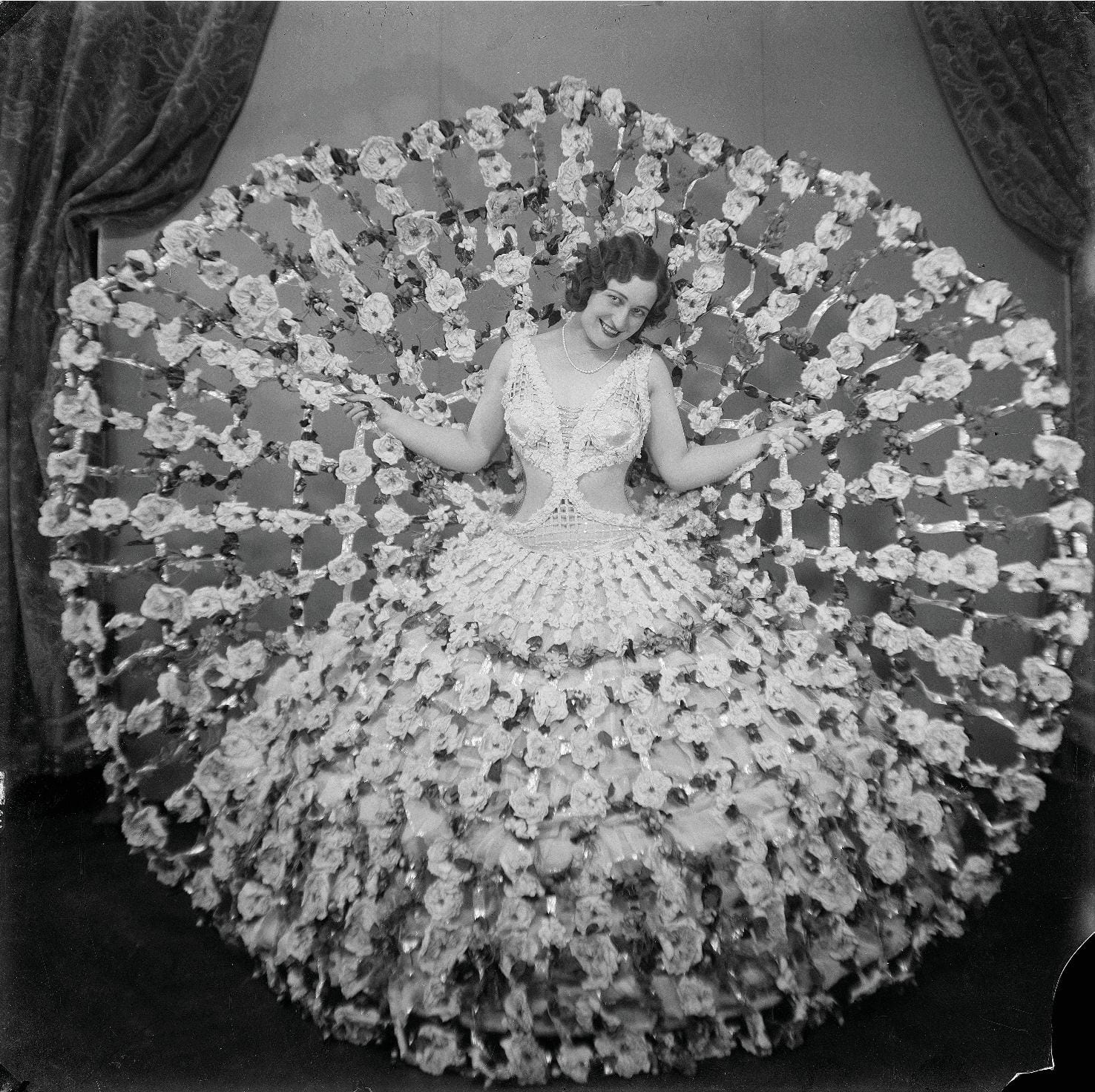
The majority of the collection covers the 1920s through to the 1960s, a period during which the region went through seismic shifts in terms of political, social and economic change. This turbulent history created a social kaleidoscope that contemporary photographers documented. Beginning with formal, posed portraiture and moving toward photojournalism and shots of everyday life, the collection literally offers a snap shot of the past.
Photography in the region started off with formal, family portraits, mother, father, children, occasionally the maid, they would troop down to a professional studio and strike a pose to be hung on the wall. “The whole idea is that we’re studying portraiture through our collection from the Arab world, but the ideas are really universal,” says Arida. In the early years, family portraits were very formulaic; it wasn’t until a little later that the direction shifted somewhat from its Western roots.
Arida tells the story of photographer Hasham El Madani whose studio opened in the 1940s and is still a fixture of a town in Southern Lebanon. “This photographer covered the story of Saida, a small conservative town on the Mediterranean, until today. He claims to have photographed 90 per cent of the population. We showed his work in Barcelona and the feedback, from maybe 30,000 people, was that everyone was amazed by the cultural similarities with their own old albums,” Arida said.
Of all the early photographers, only one man described himself as an artist. Abstract, or art photography, has only recently begun to thrive within the region. Van Leo, an Egyptian of Armenian descent, was heavily influenced by Hollywood and the West. His portraits resonate with smoky, charismatic poses reminiscent of Clark Gable and other behemoths of the silver screen. However, professional photography within the region appears to have been a job, rather than a vocation.
As cameras became affordable photography moved into the mainstream, the 1940s saw an explosion in the numbers of families with cameras. It’s here that the most interesting aspect of the collection springs to life. Everyday images of people going to the beach, having lunch, or shots of their work colleagues illuminate a period in history normally confined to the memories of our elders. It is striking to see the social impact of technology. For example, the car: Posing by your convertible is nothing new, your parents and grandparents were doing the same thing. The car became the centrepiece of many family shots, a way of firmly planting modernity in their day-to-day lives. A sort of social status that was clear to the observer.
Incredible collections documenting Palestinian life pre-1948, the modernisation of Iraq, and the interests of the Lebanese middle classes help paint a detailed landscape of the region at the time. The striking images might appear banal, but are anything but. The fascinating scenes of early oil production in Iraq, or a street café in Cairo, all instantly recognisable and captivating at the same time.
The foundation is gently exploring ways in which to broaden its scope and expand throughout the region. When asked about the Gulf, Arida had this to say, “We would like to organise workshops on photographic preservation and share our know-how that we’ve gained over the years. We’re looking for agreements which would allow us to share the rights with organisations that have, or are building collections.”
With tentative steps toward a presence in the Gulf, alongside the substantial collections found in Qatar, it seems that historical photographic exhibitions are on the horizon. The creation of a truly pan-Arab catalogue or collection is something to herald and support. It seems strange that the maintenance of our culture and history could lie in the hands of only a small yet skilled group.
www.fai.org.lb