Murano was a commercial port that grew into a prosperous trading centre by the 10th century, with its own coins, police force, and aristocracy. In 1291, the Venetian Republic ordered glassmakers to move their foundries to Murano because the glassworks were a fire hasard in Venice, where buildings were mostly made of wood.
It wasn't long before Murano's glassmakers were the leading citizens on the island, but their pampered existence was limited: they weren't allowed to leave the Republic. If a craftsman set up shop beyond the lagoon, he risked being assassinated or having his hands cut off by the secret police. This of course helped incubate the core talents, who at that time were the only people in Europe who knew how to make glass mirrors. They also developed or refined such as crystalline glass, enamelled glass (smalto), glass with threads of gold (aventurine), multicoloured glass (millefiori), milk glass (lattimo), and imitation gemstones made of glass. Their virtual monopoly lasted for centuries, until glassmakers in Northern and Central Europe introduced new techniques and fashions around the same time colonists were immigrating to the New World in the 1600s.
Fast forward to the modern day and we discover that in 1968 a few select master glassblowers, whose skills were passed down by generations, collaborated in setting up La Murrina. Six years later, a Milanese family took control of this foundry, modernising its ancient art form. This seamless marriage of the antique with the contemporary is what still characterises the brand, making it one of the most successful manufacturers of Murano glass lighting and décor products in the world.
“Our main advantage is our glassblowers aren’t treated as workers but rather like artists, because they are artists,” asserts Lorenza Radrizzani, export and marketing manager of La Murrina. It is these artists who have developed priceless and innovative pieces in every genre: classic, traditional, and contemporary design. And with showrooms in New York, L.A., Barcelona, Munich, Dubai, Shanghai, Moscow as well as at home in Milan, Rome, and Florence, La Murrina now has global reach.
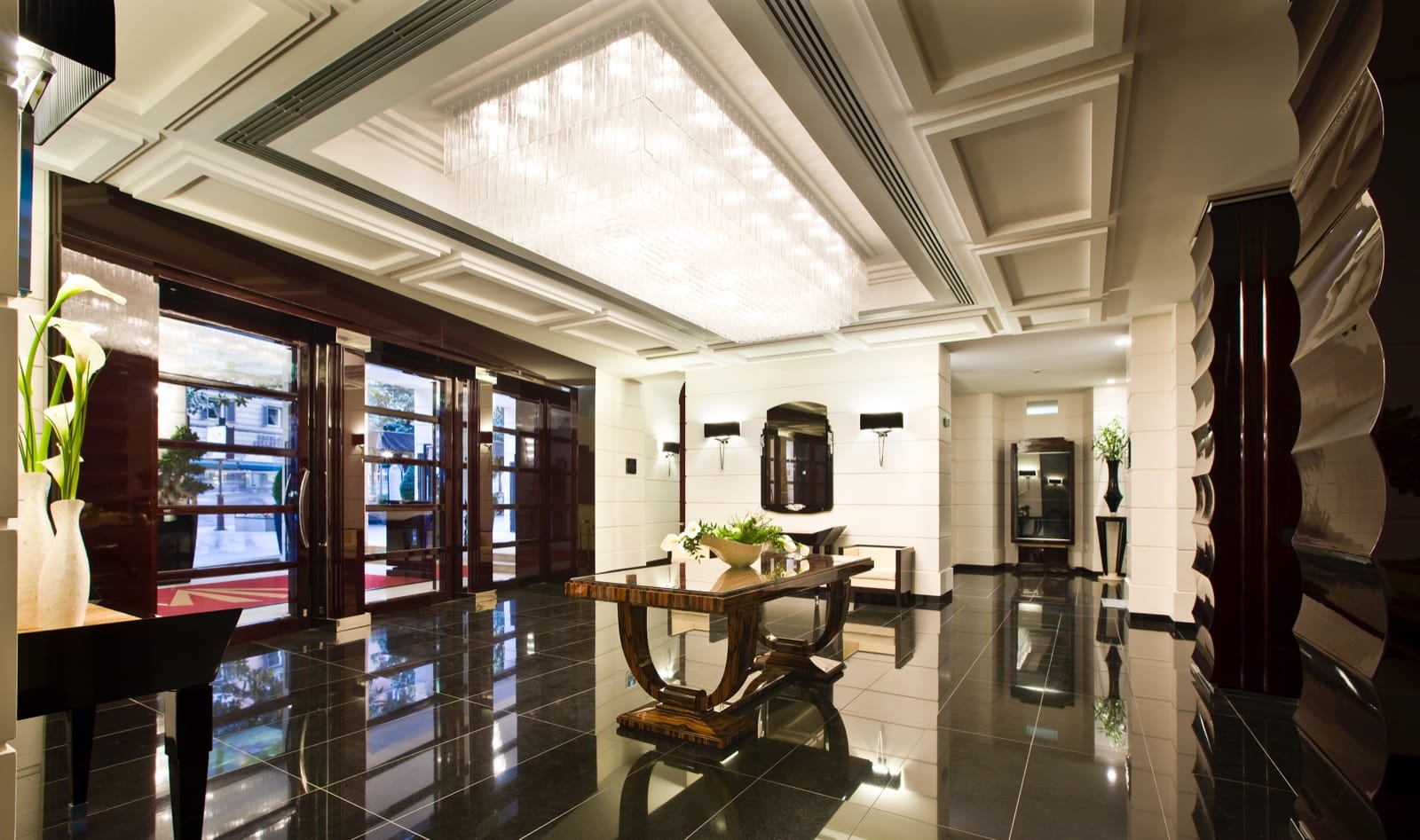
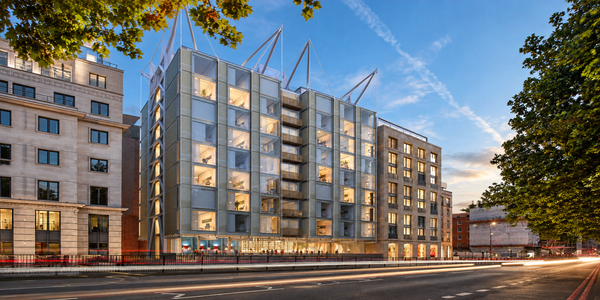
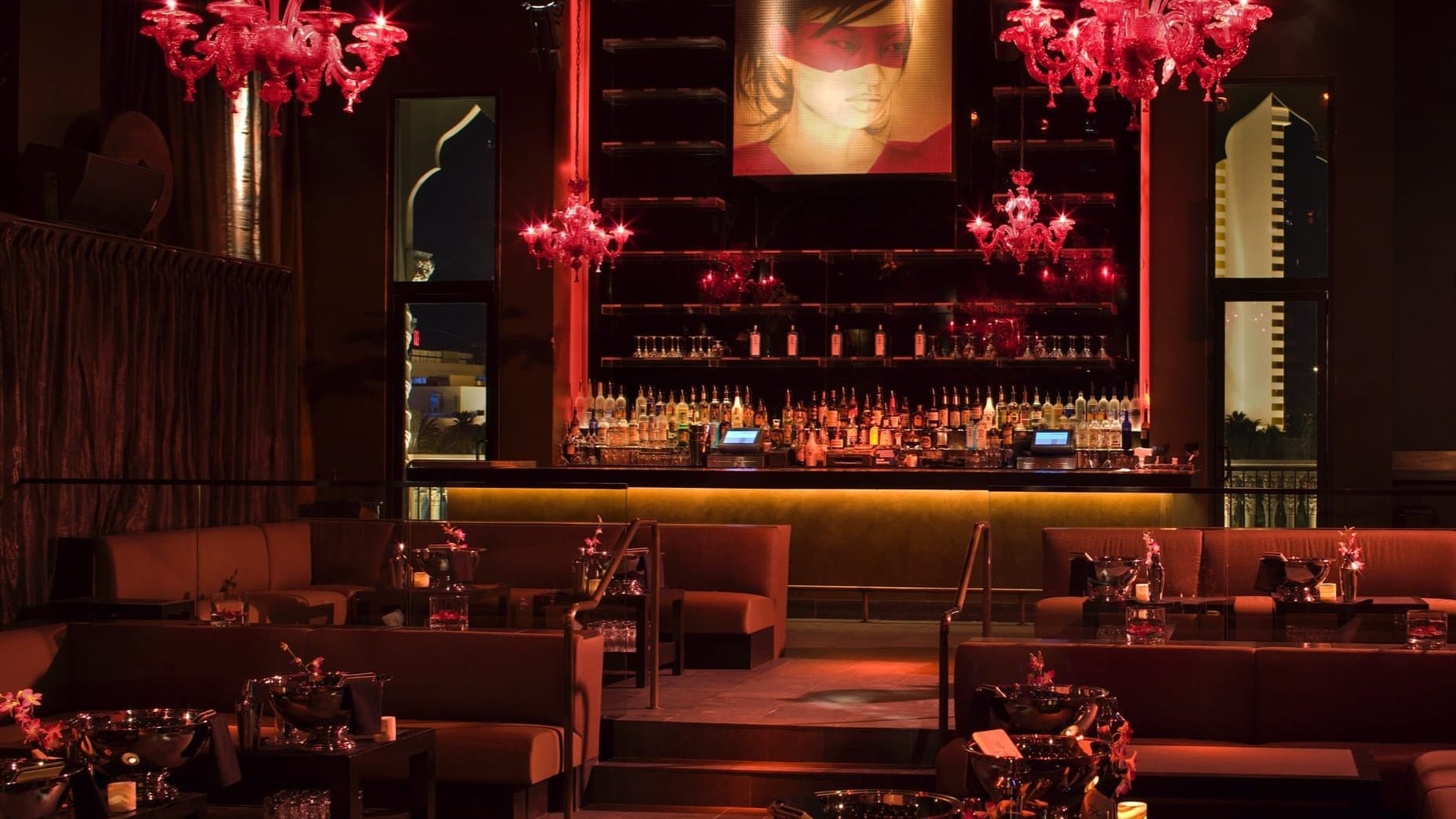
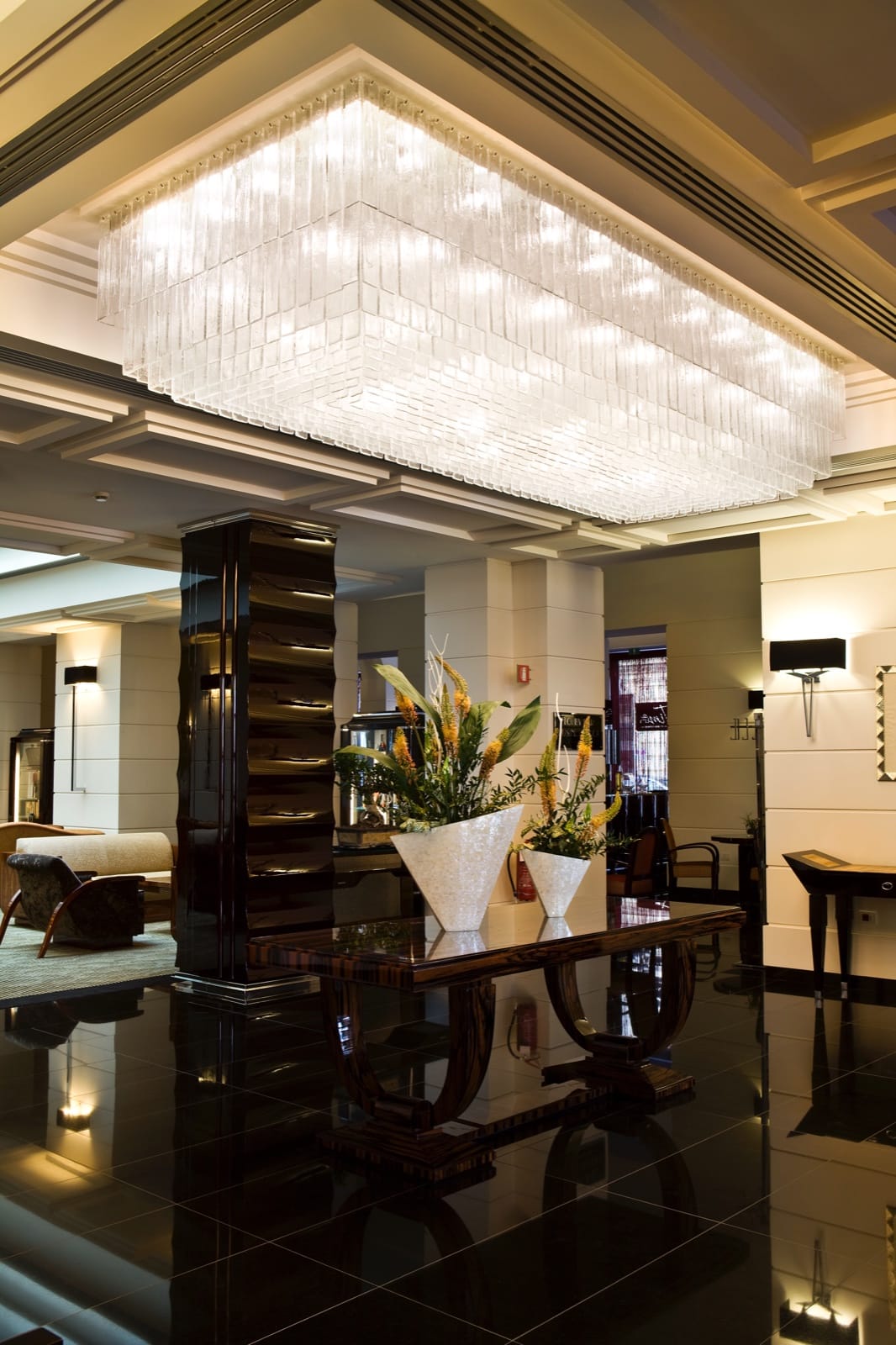
“La Murrina stands way above its competitors. It’s the only company in Murano that manufactures entirely in-house,” reveals Radrizzani. This is a key advantage since most of La Murrina’s products are highly customised with exacting specifications suited for particular environments. Such environments include high profile projects like the Disney Dream cruise ship, Grand Hotel Via Veneto in Rome’s historic centre, seven-star Townhouse Galleria in Milan, Karim Rashid’s Silk Road restaurant in Las Vegas and the massive contract they have for Riyadh’s Princess Nora University. Clearly, this is a company that prides itself on creating the unique and the exceptional every single time.