Millennials who grew up in the Middle East have the advantage of being multicultural and multilingual. Many have also shunned the labels – religious and political allegiances – they were born with. Their sensitivity and sense of awareness about the world contrasts with that of millennials living in the West. “They have been exposed to turmoil and they are not sheltered,” says Professor Roseanne Saad Khalaf, co- author of the 2011 book, ‘Arab Youth: Social Mobilization in Times of Risk’.
The turmoil she is referring to reached a pinnacle around the time the book was published, right when the Arab Spring was unfolding. Mass protests in Egypt, Tunisia, Libya and Morocco signified people’s deep discontent. Protesters – many of them young students – were fed up with widespread corruption, human rights violations and in some cases, blatant oppression. It was a time of outburst, activism and anarchy that demonstrated a desire for effecting change.
Six years later, the boil has been reduced to a slow simmer, and Arab youth are looking for new ways to shape their world. In a coming-of-age experiment that has spanned two decades, Khalaf was able to trace the growing frustrations of Generation Y partly through creative writing courses that she has been teaching at the American University of Beirut since the mid-1990s. Her courses are some of the few that offer creative outlets to students, and it has been a revealing journey.
When she returned to Lebanon in 1995, the country was just dusting off the debris of a 15½ -year civil war. Optimism was the anthem of the day and Khalaf saw it in the enthusiasm of her students, many of whom had also just returned home from the West. But personal memoirs and other narratives in Khalaf’s classrooms eventually began to reflect a turn of the tide. The high optimism of the 1990s reached its apex in the roaring excitement of the Cedar Revolution in 2005 and has dwindled in more recent years.
“They came with fresh ideas to challenge the political system,” said Khalaf. This was the new Lebanon, a place where the young were going to prosper and induce change. But lately, she has noticed a shift in strategy, a pattern similar to that which is now beginning to unfold throughout the region.
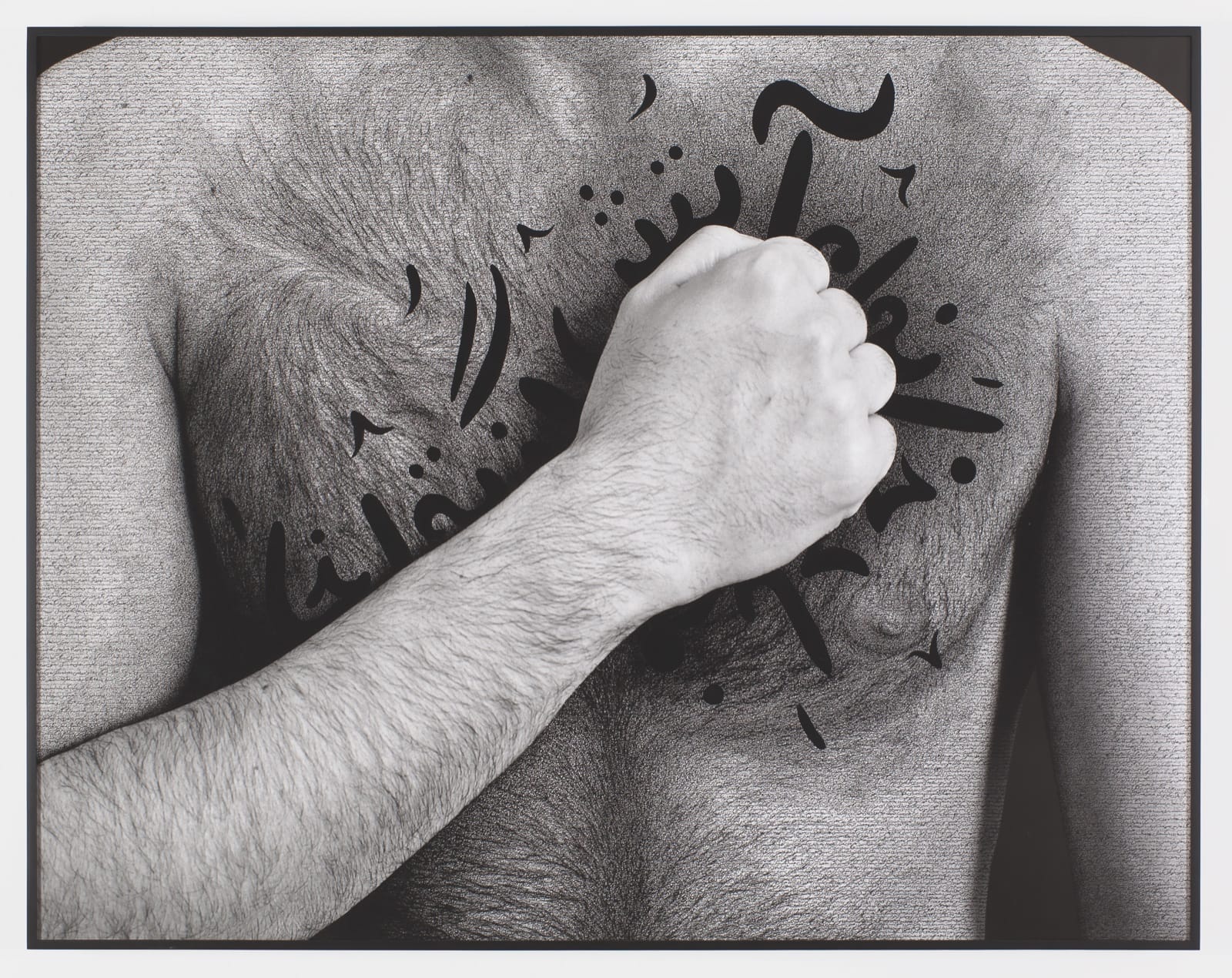
Now that the flames have been doused on most of the revolutionary uprisings across the MENA region, the realities of mounting economic challenges and limited job opportunities are setting in. Unable to push against a stagnant political system and in face of all the national and regional challenges, some millennials have instead turned inwards, focussing on themselves and as a result, activism is declining.
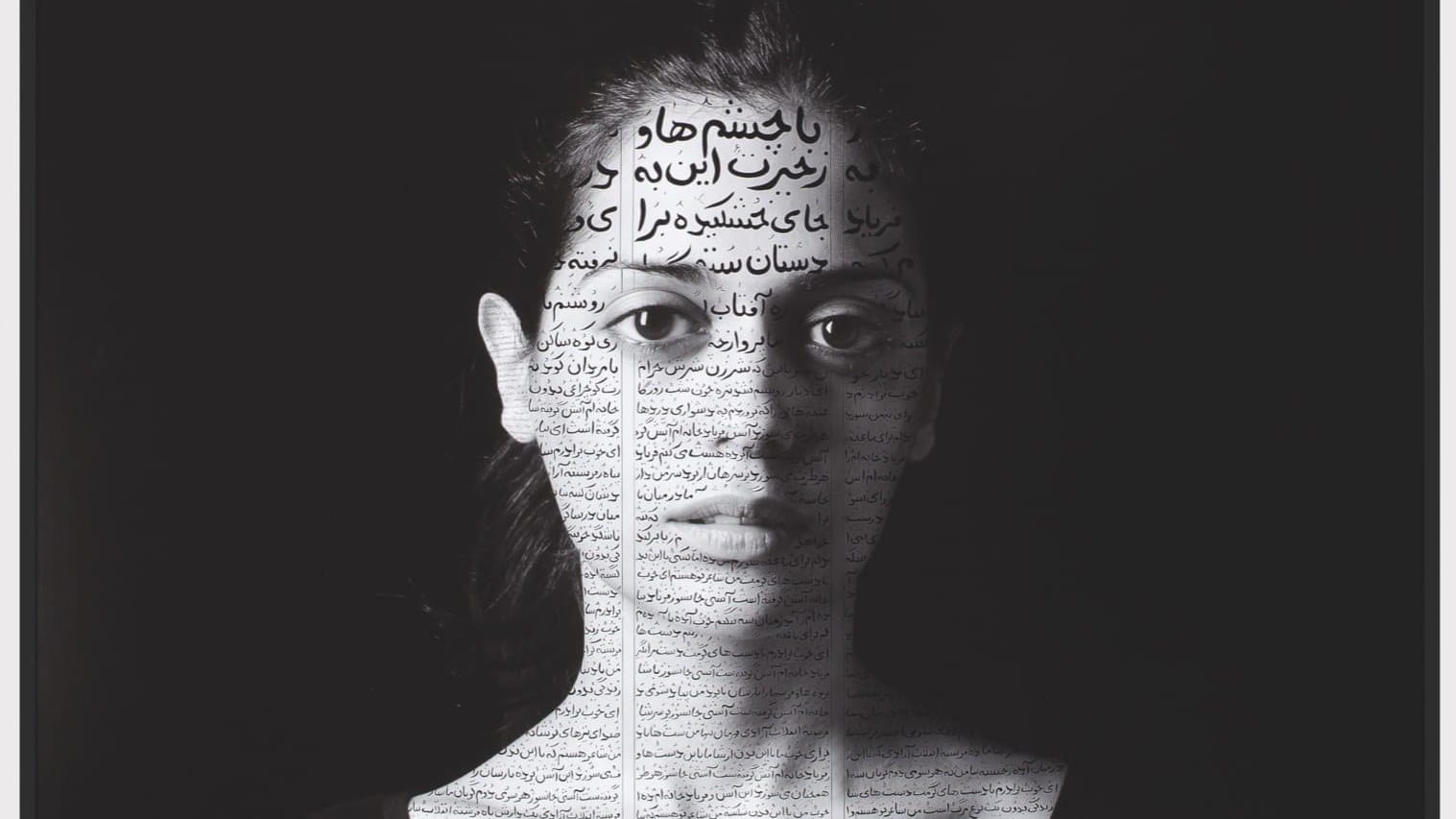
“The youth in Lebanon are not hungry enough to stage a revolution,” said Khalaf who asserts that millennials are expressing themselves in other ways. “They are very individualistic and multi-cultural,” she adds, and this has paved the way for many young artistic and creative ventures. Khalaf also notes that student activism has declined on campus since she began teaching. “They are more involved in the art scene, music, writing and psychology. They are searching for other ways to express themselves because they have not been able to express themselves in the public sphere,” she observes.
“Lebanon is like a battleground and a playground, I get that from their writing,” said Khalaf. She believes the playground/battleground dichotomy is a constant in the lives of most young Arabs who want to have a good time, party and forget the circumstances that have disillusioned them from their dreams. They are enjoying their time now, because nobody knows when the tide might turn again.
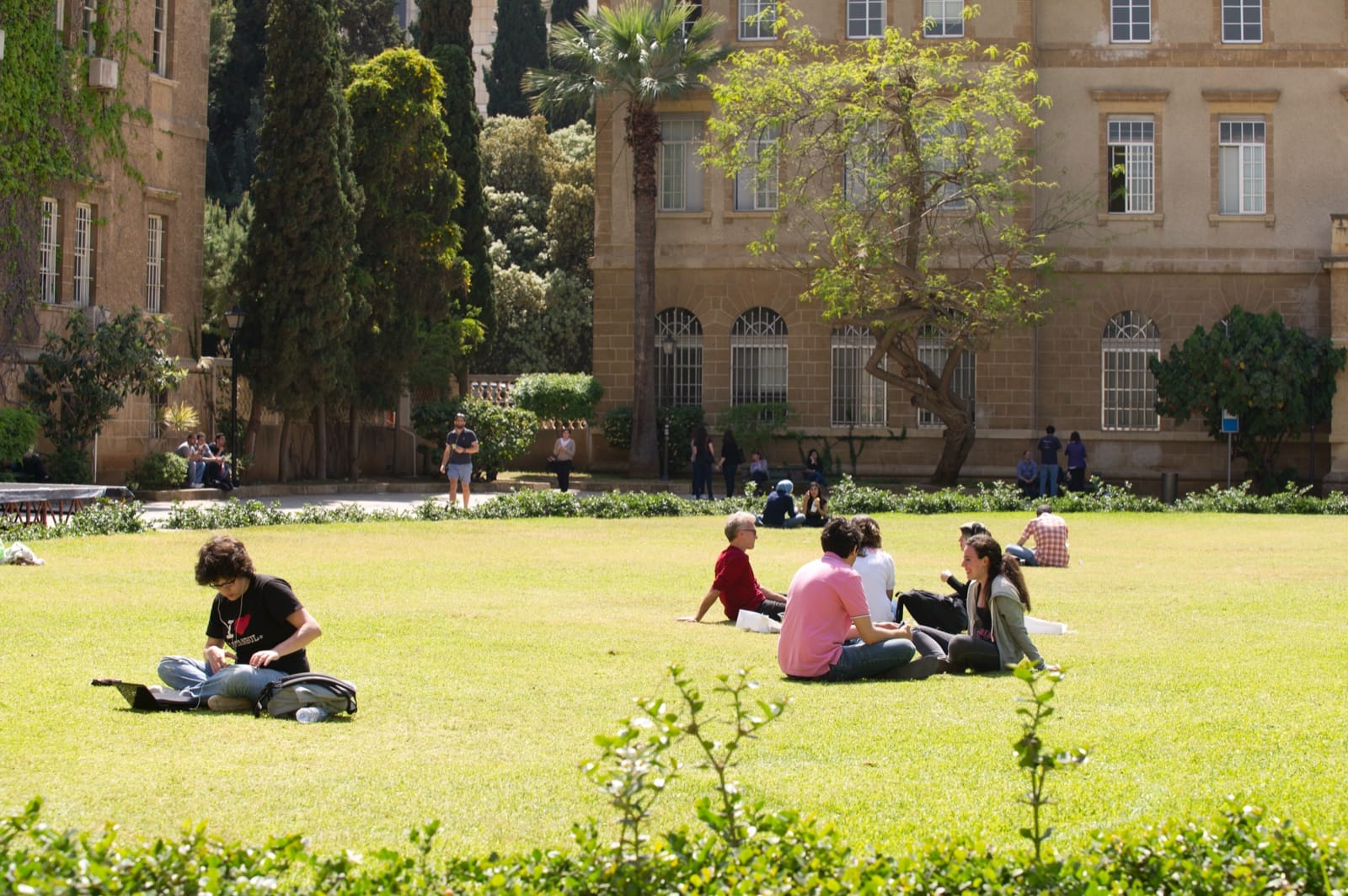
With time, Khalaf has also watched students grow beyond her classroom to take ownership of their personal contributions to society. Amidst all the noise and chaos of the Middle East, millennials are, more than ever before, doing their own thing.