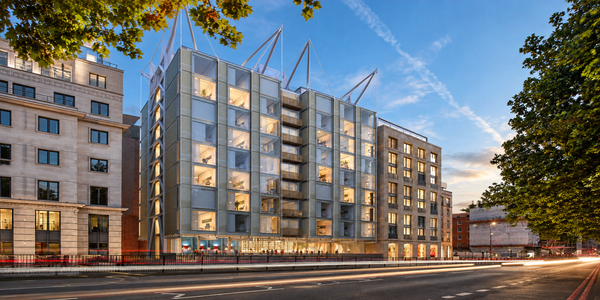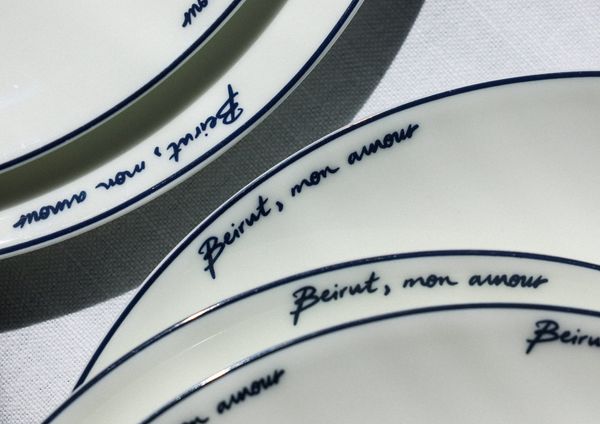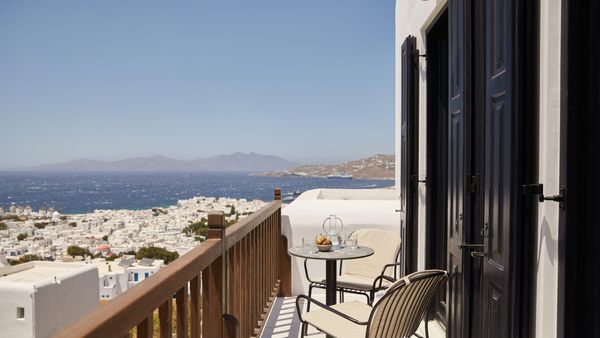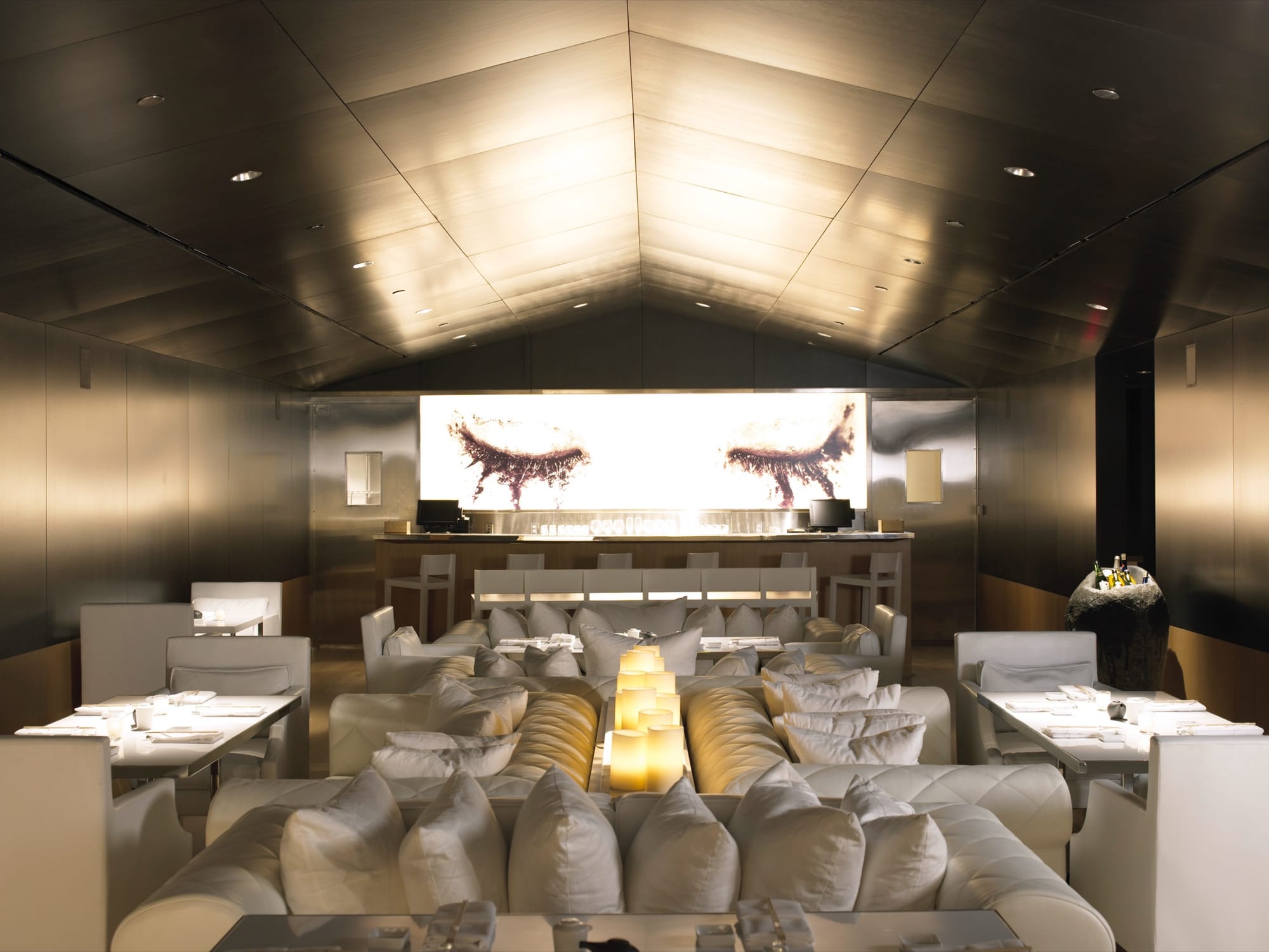
A man who has left many a footprint on our day-to-day lives, 59-year-old Philippe Starck’s prowess in New Design is so versatile that he has jumped from bettering interior- and home-design to toilet seat and toothbrush practicality. Unlike other New Design artists, Starck sees himself as a man of the people rather than a niche designer, launching himself into creating usable household items that could be mass-produced. His many awards encompass recognition of household product-designs like lamps, door handles, cutlery, kettles, vases, clocks, scooters, motorcycles, desks, beds, taps, toothbrushes, baths, toilets – in short, our whole life – to commercial projects, technological designs, and his own website.
An impish man at heart, his self-deprecating humour during interviews is so amusing yet filled with wisdom that it almost always ends up on YouTube. His answers brim with over-the-top wit, Starck says the best time of the day is when he makes love to the woman he loves. He also never watches the news, has no interest in designers, reads 12 books at a time, considers freedom his inspiration, believes that his best project is the next, and enjoys second-skin dresses on the ladies like a true Frenchman.
Upon graduating in 1968 from École Nissim de Camondo, he founded his first design firm which specialises in inflatable objects and soon after took over the added responsibility of art director at Pierre Cardin. But it wasn’t until 1982 – when Starck designed the interiors of former French President François Mitterrand’s apartments – that his name began to truly resonate. His 1984 design for the interior of Café Costes in Paris left such a mark that he recreated everything from the chairs to the coffee-cups for mainstream production. In Paris a whole street, La Rue Starck (named in 1991), has his modern agenda all over it.
He would later be commissioned by Ian Schrager, former co-owner of Manhattan’s infamously decadent Studio 54, to refit the Royalton Hotel on New York’s East 44th street – a feat that revolutionised the concept of boutique hotels and turned design from a preference to a priority. The Starck-Schrager partnerships would later introduce such names as the Delano Hotel in South Beach Miami and the ‘cheap-chic’ Clift Hotel in San Francisco. But starting 2007 until 2022, Starck is under an exclusive contract with nightclub mogul Sam Nazarian to design his new hotel brand, SLS Hotels – the first of which is to open in Beverly Hills as a renovation of the former Le Méridien scheduled in July 15, 2008.
But this partnership will not stop Starck from creating timeless designs that are as dexterous and lightweight as they are sturdy and efficient. Starck’s trademark knack for combining different textures like plush fabric on chrome, plastic with aluminium, or glass with stone remain an engaging concept as are his furnishings, often stylized, organic or silhouette-like.
Today, two of Starck’s showstoppers include stylised toothbrushes from his 1989 collection and a sleek juicer marketed as the Juicy Salif which was created for Italian company Alessi in 1990, quickly becoming a must-have kitchen-ware item. Other notably eclectic designs include Microsoft’s 2004 optical mouse, Puma’s 2005 aerodynamic thong-slippers, the Louis Ghost chair for Kartell in 2004 – originally designed for the Kong restaurant in Paris, the Ceci N’est Pas Une Bruette chair for XO in 1996, the W.W. Stool designed for film director Wim Wenders and later produced by Vitra, and of course, the Café Costes prototype chair that went into mainstream production in 1984.
Focusing on aesthetic and cultural provocation, Starck’s designs are the result of the tearing apart of everything but the product’s core function itself. “…If you walk like a robot, but look at your feet, you stumble. If you look a bit ahead, you don’t trip, it just works for itself. If you look ahead then can work, can speak, can exchange, can interact, but now your duty is to raise your angle of view so that you see farther than the horizon, you are in the territory of intelligence, the range of humanity. It's about the angle of view. The danger zone is to look straight up, to see the light of God, to surrender yourself and… become stupid again,” he says. Anything but “stupid”, his designs have dubbed him a citizen of the world while he calls Paris, New York, Burano in Italy and London – home.
Contacts