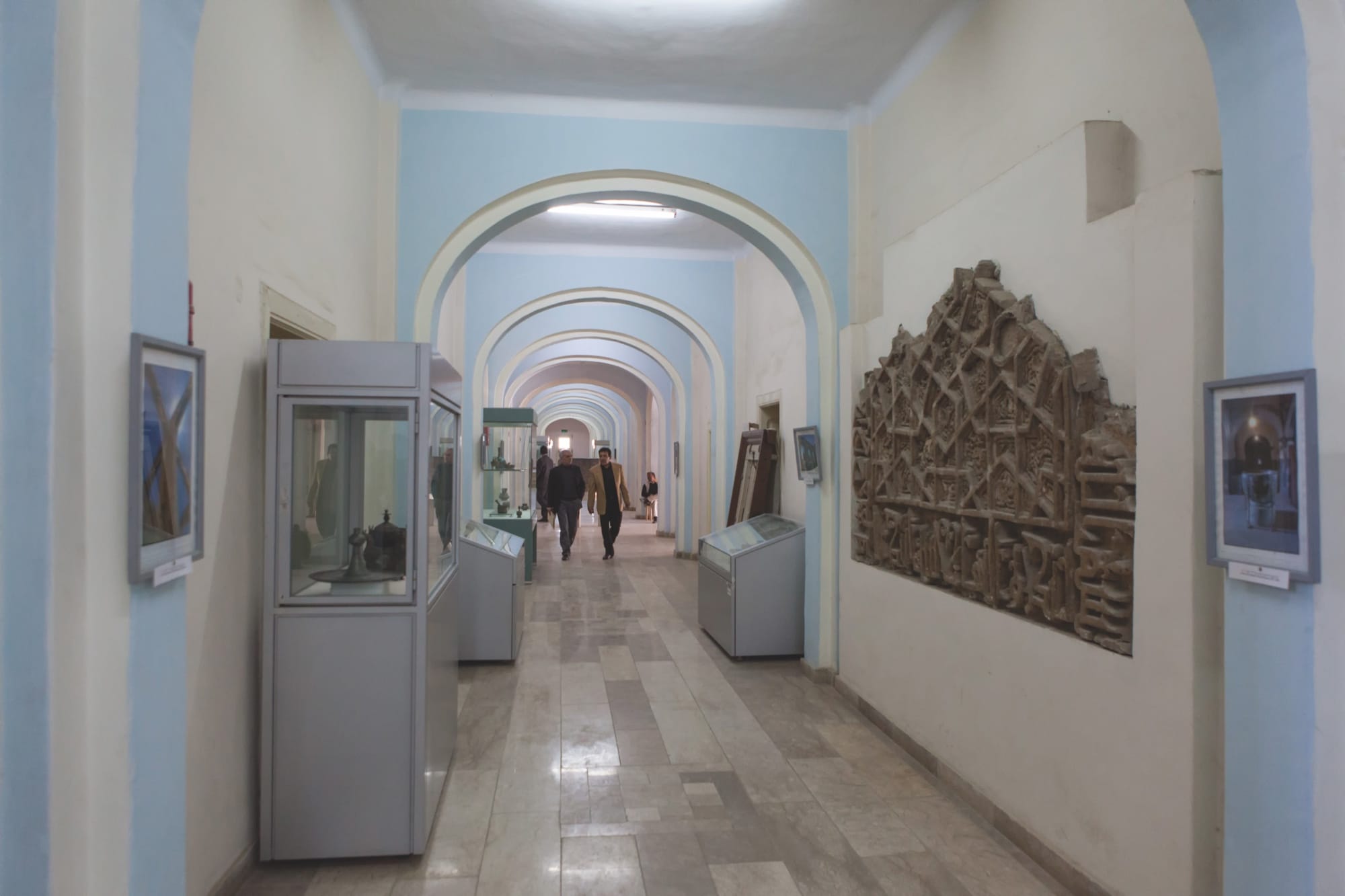
Created in 1922, the National Museum was intended as a safe haven for the discoveries of archaeologists, whose work uncovering the traces of Afghanistan’s storied past filled its halls with more than 100,000 objects dating back thousands of years. Housed in the Darulaman on the southwest edge of Kabul, the museum bears as many traces of contemporary history as it does historical artefacts.
By the late 1970s, Afghanistan’s still ongoing turmoil began disrupting the museum’s mission. Just one year after the coup d’etat of 1978, numerous artefacts were spirited away to the home of a notable minister. By the time the museum reopened a few years later, the Soviet invasion had dismantled the nation’s existing political and economic structures, again leading to government and private custodianship of many significant artefacts.
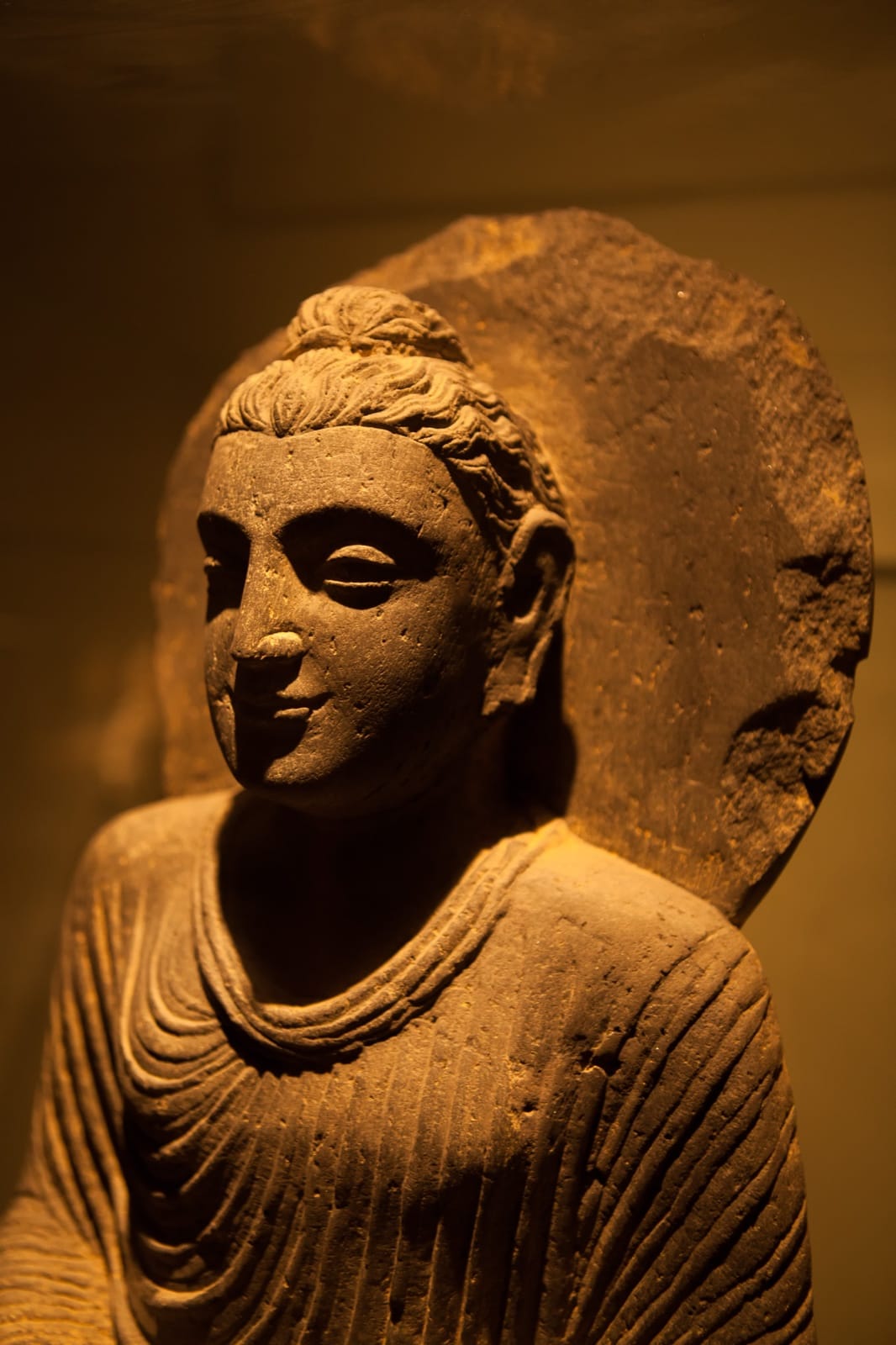
Among the treasures held, lost and later recovered by the National Museum are a 3,000-year-old bronze axe, a collection of nearly 20,000 gold, silver and ivory objects from northern Afghan burial plots - known as the Bactrian Hoard - and a range of artefacts illuminating the Greco-Buddhist and Greco-Afghan period, including a 1st century ivory elephant carving and a life-sized Buddha statue.
With the onset of civil war in 1992, Kabul fell into chaos. The National Museum was converted into a military base in 1994 and, after sustaining a rocket attack two years later, remaining artefacts were removed to safer locations.
The low point came in 2001, when the Taliban established control of the country and mandated the destruction of all image-bearing art, particularly human forms. As many as 2,500 statues were destroyed during the period leading up to the group’s removal from power in 2003 by NATO-led forces.
It was at this time, following Afghanistan’s first open elections, that the task of returning the National Museum’s treasures began. Local and international experts discovered that a trove of artefacts hidden in a vault beneath the Central Bank in 1989 remained intact. By June 2004, with the global announcement that the team had recovered the Bactrian Hoard, an international effort was launched to return other missing artefacts.
Some 70 per cent of the 100,000 artefacts the museum contained pre-war were looted between 1994-1995, underscoring the magnitude of the effort. In the last ten years, more than 16,000 objects have been returned, most of them from smugglers intercepted abroad. Just this August, a further 843 objects recovered from smugglers were handed over in an historic ceremony.
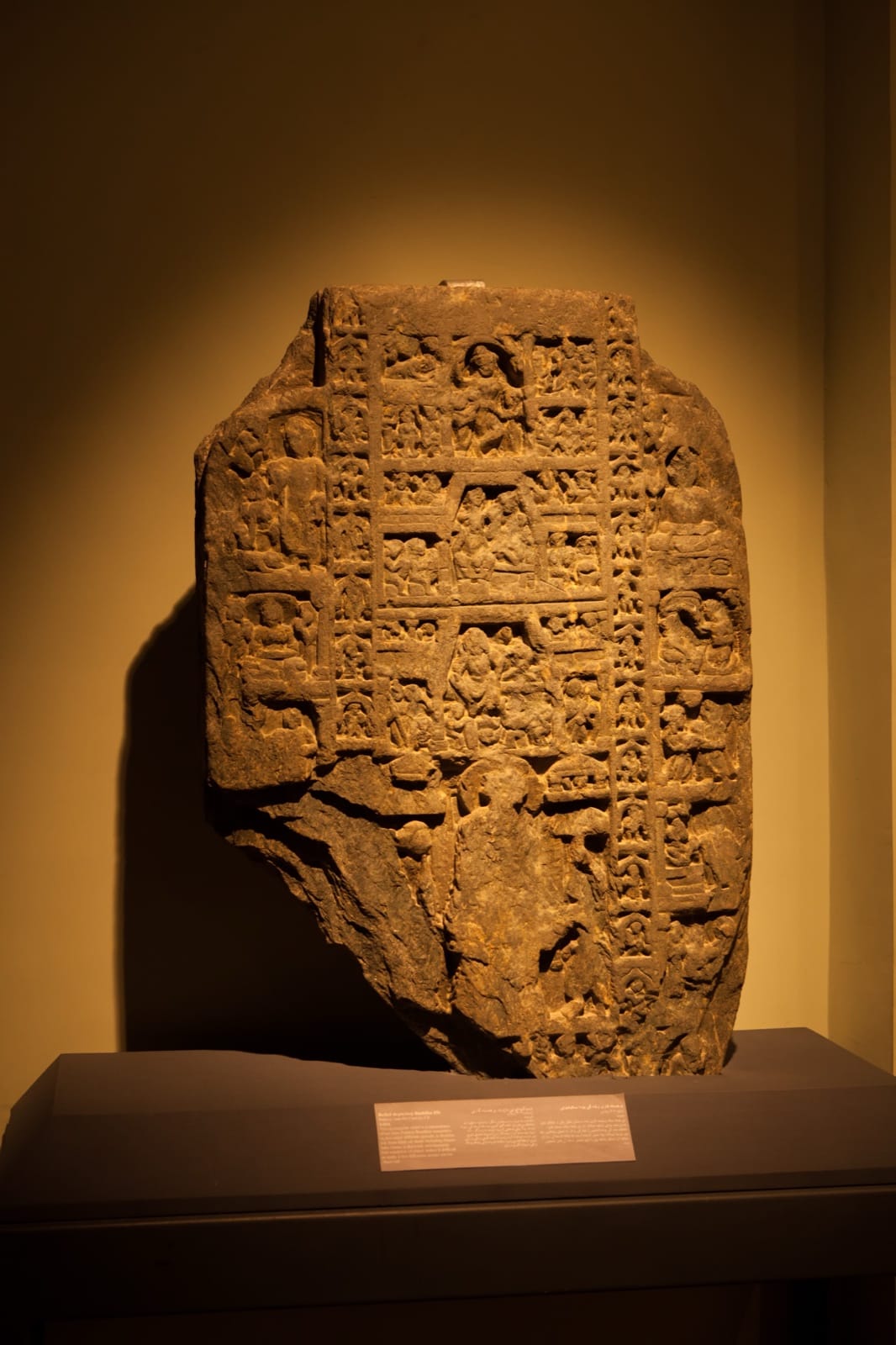
Today, like its counterparts in Lebanon and Iraq, which faced similar problems, Kabul’s National Museum is slowly returning to its pre-war status. Continuing help from organisations around the world is an indication of the deep significance of its collections to the history of civilisation.
For the people of Afghanistan, however, the recovery of so many profoundly cherished relics is a testament to their courage and resolve to defend their heritage.
WHAT The National Museum of Afghanistan
WHERE Kabul
FOUNDED 1922
WHY For the resolve, tenacity and dedication its staff have shown in recovering looted artefacts, 16,000 of which have been brought home in the decade since efforts began.