Stepping off the gritty street and through the door of Electra House, Lee Broom’s showroom, you’d be forgiven for assuming that this brand is long-established. Electra House is located in Shoreditch, an area in the East End of London that’s now widely accepted as a major hub for creativity. Everything about the space conveys a sort of sophisticated confidence – be it the signature grey backdrop, the tactile material palette or the flattering light. Boasting a sizeable repertoire of products and an international reputation, it may come as a surprise to learn that Lee Broom’s furniture, lighting and accessories brand is only nine years old.
I recall meeting the designer not long after he set up in 2007. His boyish good looks were complemented by an infectious smile, coupled with a charm and wit that made him instantly approachable. Initially, I wasn’t sure what to make of his early furniture items, positioned as they were as high-end edition pieces. Classic bentwood bistro chairs and dishevelled baroque Louis IV armchairs were transformed with the addition of neon lights flowing along the familiar contours of these iconic antiques. “My intention at that point was to just do whatever I wanted in the hope that it would be successful and sell,” claims the designer. It was a brave approach for the newcomer however, and supporting this endeavour were commercial interior projects that provided the all-important cash flow.
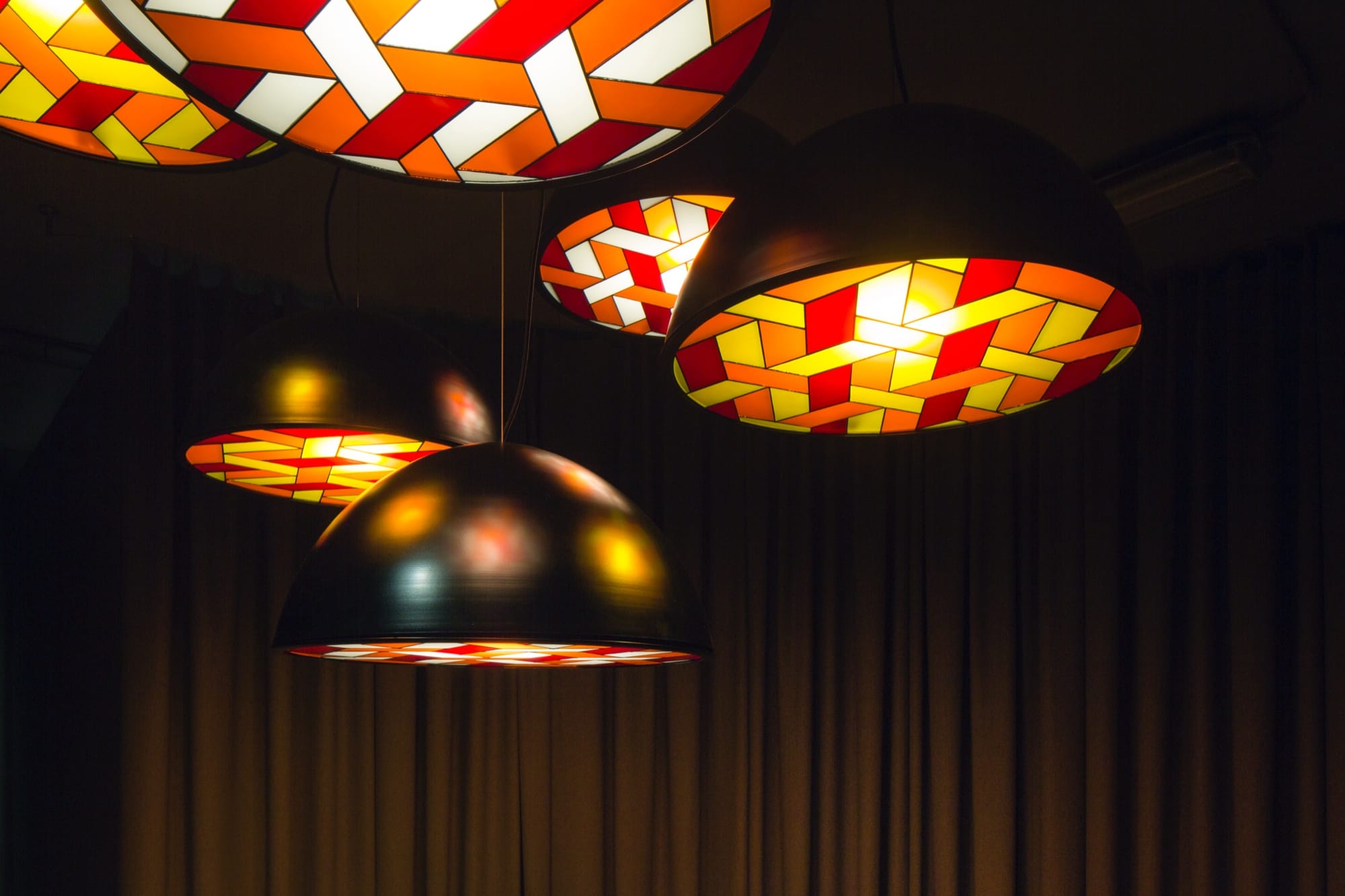
Broom describes his work as “classic design with a twist” and the sources of his inspiration are often the overlooked features of yesteryear Britain. “I like to distort the familiar and exaggerate details,” he admits, seemingly enjoying taking pokes at the traditional objects found in quintessentially English homes. His ‘Heritage Boy’ collection of 2010 included table lamps with bases made from hand-carved tiles, referencing the late-Victorian versions cladding pubs and London Underground stations; geometric parquetry coffee tables were accompanied by pendant lamps with internal edges lined with an updated version of a traditional Persian rug pattern.
Broom’s embrace of the past was timely as post-2008 crash, the mood in design had definitively switched to an appreciation of heritage. There was a sort of collective desire to salvage and support local skills and traditions, done so with varying degrees of success and integrity. And Broom was doing it with contemporary relevance and an optimism for which many were attuned, not least the media.
Milan Design Week in April 2012 was a coming-of-age moment for the designer. In the newly founded Ventura Lambrate district, Broom mounted the ‘Public House’ installation. Marking five years of the brand, the designer brought together all of his signature pieces and recreated a British pub complete with deconstructed oak panelling, etched glass and an ornate wooden bar shipped over from England. The effect was disorienting and raised a smile from visitors as a welcome antidote to the ‘slick and shine’ of neighbouring presentations.
He derives great satisfaction from dreaming up and realising the scenography for his collections, down to the tiniest details. “For me, it’s not just about product but also thinking about how they’re going to be presented, the music that’s playing, the kind of atmosphere, every part of the experience.” He pauses, “I’ve always been able to visualise things clearly. My brain works that way.”
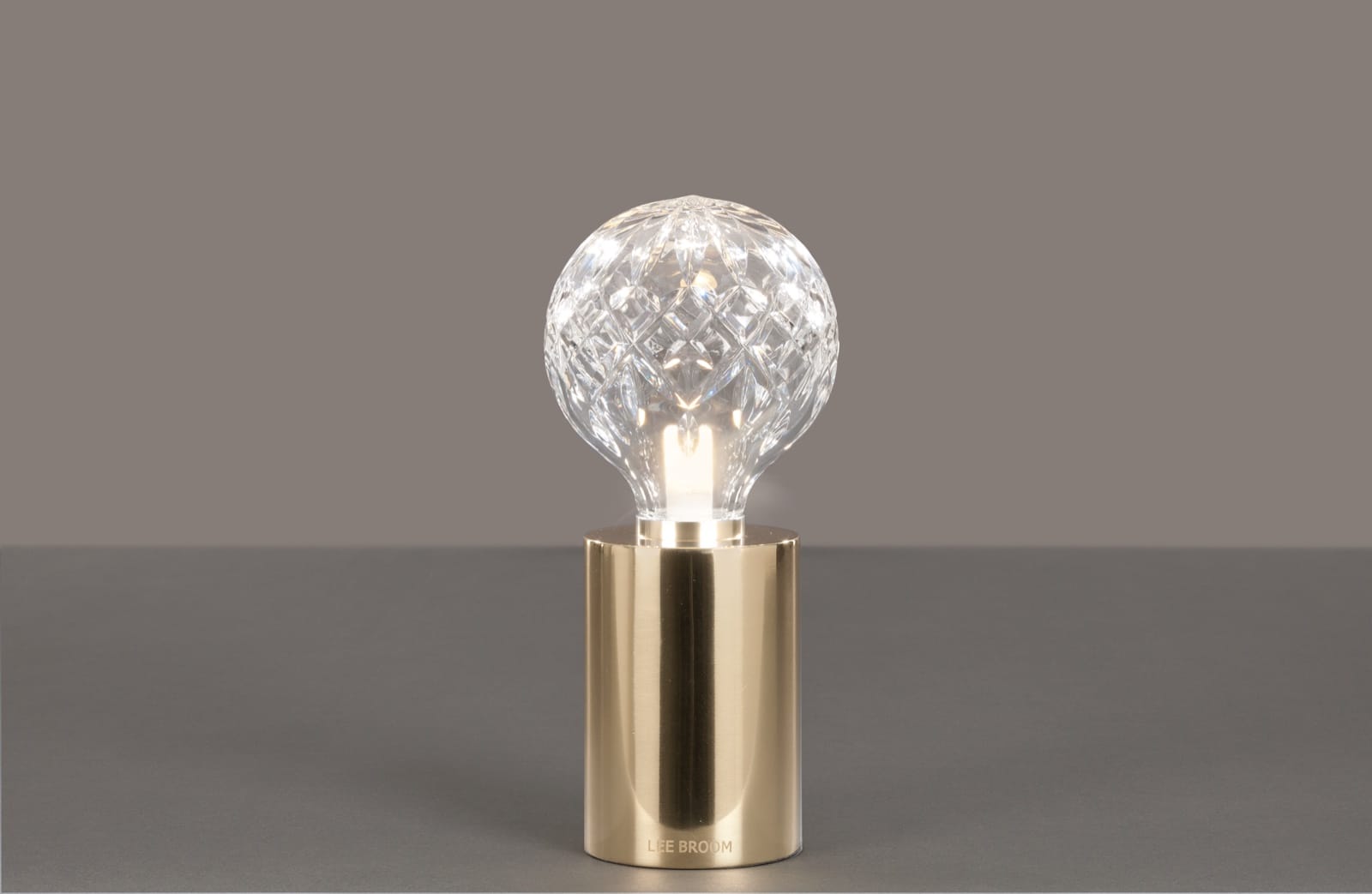
At this show, the designer launched the Crystal Bulb – a handcrafted light which had a pattern hand-cut into the surface of the crystal using a traditional technique normally found on old whisky glasses and decanters. Sold individually or with a variety of fittings, the product was an instant hit and the designer’s first foray into a more affordable bracket. It made the brand more accessible, provided a healthy cash injection, and reached global audiences through international press attention and retailer uptake.
The designer is clearly proud of a string of recent achievements and illustrious awards. The brand has been through growing pains and emerged strong. Sitting in his design studio today, Broom acknowledges that his ascendancy to an eighteen-strong team has not been possible alone. His partner Charles Rudgard handles all manner of business matters as Commercial Director, freeing Broom’s time to focus on design and production. “Every creative person needs that – some kind of support, a mentor.” Somewhat coy, he admits, “As a designer, we’re not always best at figures and reading spreadsheets!”
Broom has always been sharp with the message he conveys, developing named collections with tangible stories, perhaps a nod to his short time in fashion. Indeed, having thought he would become an actor when he was a teenager, he won a fashion design competition at the age of seventeen where he also encountered fashion legend Vivienne Westwood. He subsequently worked for her, which gave him early insight into the mechanisms of a pioneering fashion studio and led him to study fashion design at Central Saint Martins in London. His move into furniture happened almost by accident, following fortuitous commissions for a few bar interiors after his graduation.
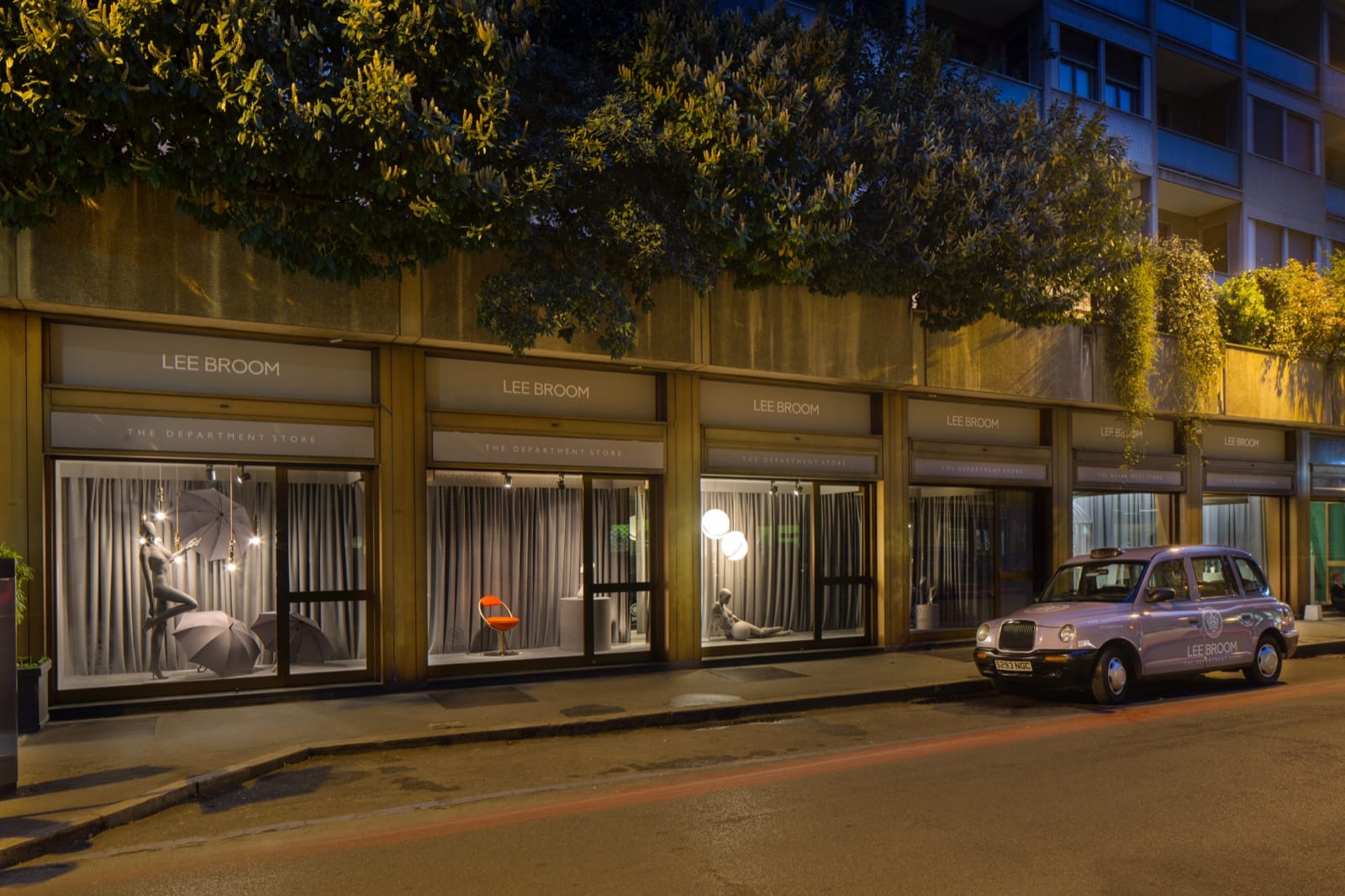
His ‘Department Store’ showcase in Milan in 2015 is his most challenging installation yet, converting a street of disused shops into a series of interconnected vignettes. A theatrical pastiche in a monotone of his signature grey, this was the backdrop to twenty-five new pieces and was, by all accounts, an ambitious triumph. He credits his background for his determination and drive. “You don’t go to theatre school for ten years without having an ambitious mentality drummed into you!” Evidently, the ‘Department Store’ embraced the theatricality of the designer’s past together with the poise and presentation of his fashion years. Performance, intrigue, surprise and delight captivated visitors, all lifted with a sprinkling of glamour.
In the time since Broom’s launch, his design style has shifted from decorative to graphic and sculptural – some might even say it’s sexier and more seductive. The emphasis is directed less towards the notion of Britishness, which is a move I welcome as a British man familiar with all of the references. Recent pieces have embraced greater tactility in the choice of materials and a touch more luxury: marble meets glass; polished metals shine in geometric forms; everything is imbued with weight and solidity. His work in marble is a highlight for me, in particular the ‘Tube’ light – a one metre hollow tube of Carrara marble that is lit from within, which appears as a solid length of warm glowing stone and demonstrates skilful craftsmanship in its making. ‘Crescent Light’ also appeals, taking the familiar opaque spherical glowing light and slicing it diagonally in half to reveal a crescent-shaped brushed brass fascia.
The designer recently turned forty, and, acknowledging that he is no longer seen as the new kid on the block, he seems secure in his evolution. “I don’t want to become known for one thing. It feels like I’m entering into my prime in a way,” he says, with a glint in his eye. We’re lucky to not be in an ageist industry – you can keep working into old age and remain totally relevant,” he suggests. “The older you get, the better you should be.” A smile beams across his face, no different from the one I first encountered back in 2007. Something tells me this designer-entrepreneur still has a lot more to give.