Jaguar traces its roots to the Swallow Sidecar Company, founded in 1922 by Bill Lyons and William Walmsley. It was a company based in Blackpool, England, that specialised in the production of aluminium motorcycle sidecars. Of course it wasn’t long until Swallow switched its focus to automobile production at the same time it changed its name to SS Cars Ltd.
The company's first car, the SS1, was based on a Standard six-cylinder engine and a modified Standard chassis. It was introduced to the public at a London exhibition in 1931. The SS1 was low and long with a short passenger compartment set far in the rear over some wire wheels with a luggage boot behind closed in by a spare tire at the rear. Its expensive looks belied the vehicle’s excellent value and this is something that has been synonymous with the brand ever since.
Funnily enough Jaguar was initially just a model produced by the SS Car Company. It was launched in 1935 and was known as the SS Jaguar 100. But after World War II the SS name had the wrong sort of associations due to the Nazi paramilitary organisation that bore the same name, so SS Cars switched its moniker to Jaguar once and for all.
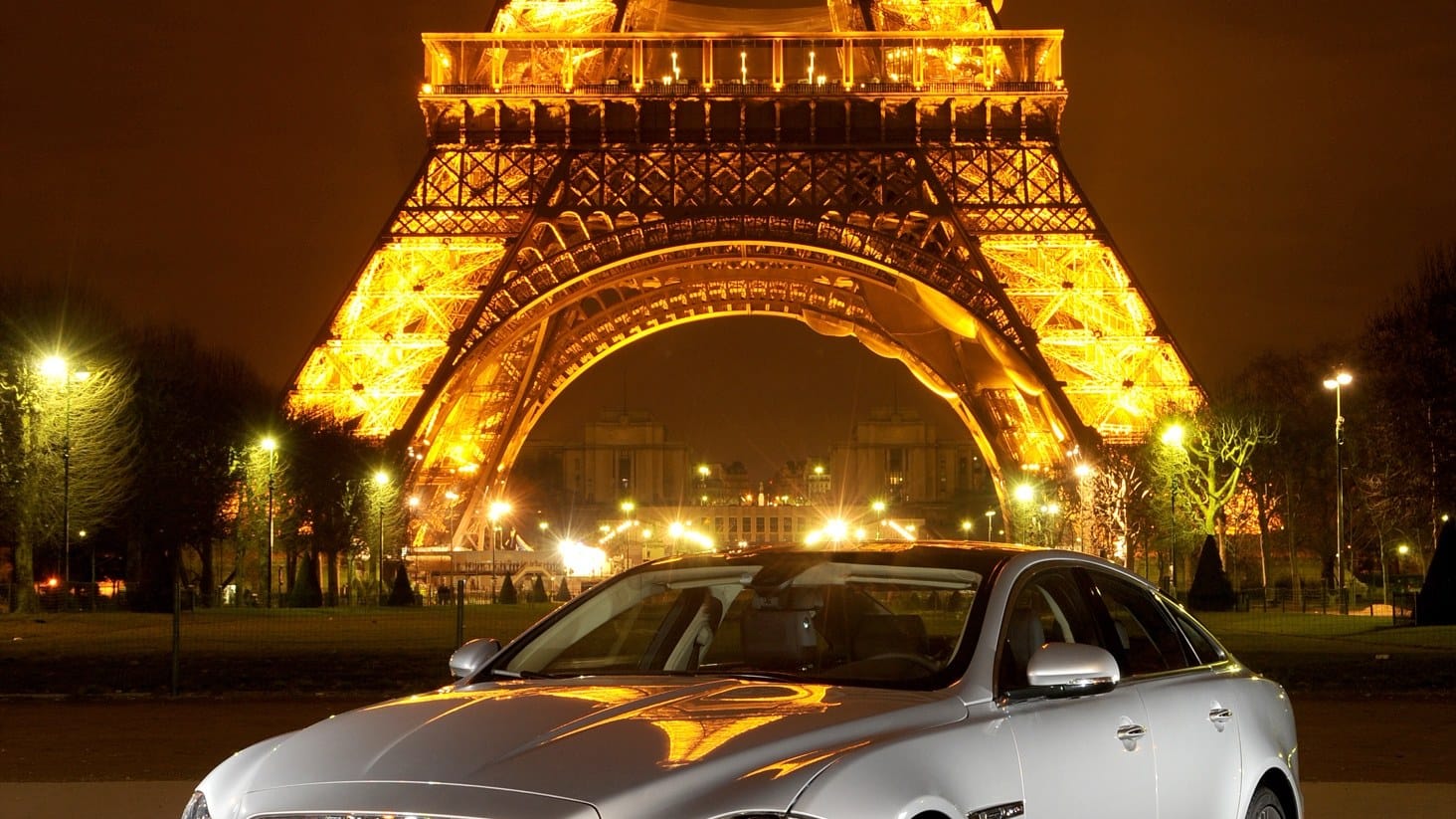
The post-war years were probably the company’s most revered period. First there was the launch of the more exclusive XK 120 (a sports car that was the fastest production automobile of its day) and then came the more ubiquitous MK saloons. The 1960s saw the creation of what is probably Jaguar’s best-known model to date, the E-Type coupe. Like the XK, it blended performance and refinement but, unlike the former, the E-Type offered a sexy ride in an affordable package. It was a decade later that the XJ was first revealed and the V12 model put the English automaker back in the record books, this time for the fastest production saloon of its day.
Unfortunately, what followed thereafter were decades of retrospection in which the company tried to rehash the bygone days of glory with ever more ‘modern’ renderings made of the familiar shapes first penned by William Lyons. Now, after having changed ownership a few times, the marque is once again showing positive signs of progress. Only time will tell if Indian management can restore the lustre to this quintessential, English, everyday-man’s luxury automaker, but we have a good feeling they will.