From the old quarters of Marrakesh to the heart of Detroit, historic hotels are being renovated with a touch of glitz and glamour. For the most part, these properties have revitalised neighbourhoods, strengthened local identity and of course made large profits for their new owners, who are usually enterprising multinational hotel groups. But profit making and a zeal for modernity have turned many a historic hotel into a travesty of design and tourism. It is crucial for renovators and owners of historic hotels to think of themselves as custodians of heritage rather than avant-garde creators.
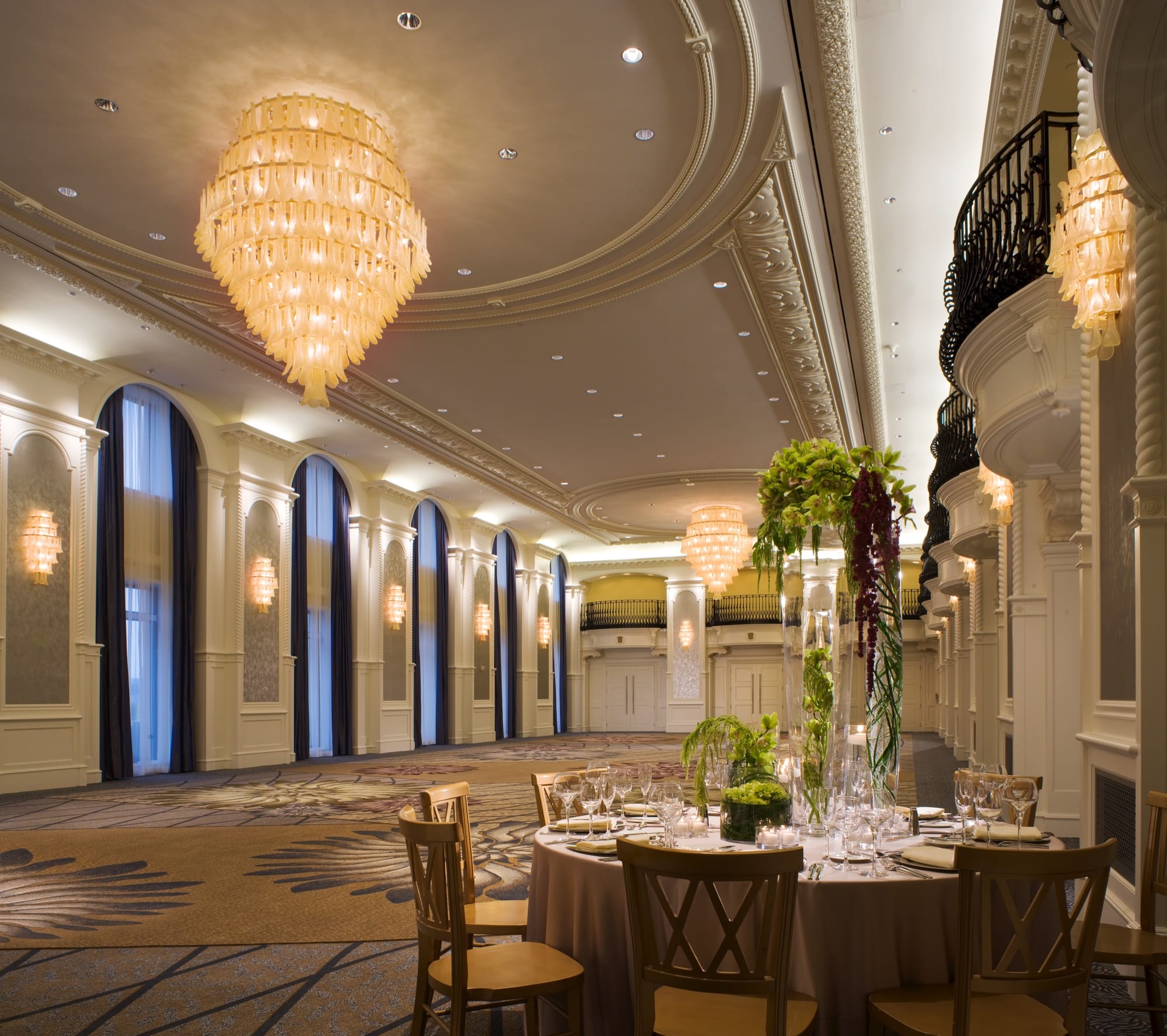
Fortunately, most recent refurbishments of historic properties are considered successes, testament, perhaps, to the amount to the amount of thought that goes into these things. One notable example is the Book Cadillac in Detroit, built in 1924 and considered the tallest hotel in the world at the time, it’s quite a majestic example of classical American architecture. After the property changed hands many times through the decades and slowly sank into a dismal state, a 200 million USD renovation project over three years brought it back to its former glory. The interior once again features classical opulence, and the exterior has been carefully restored with more than 2,000 historically appropriate windows being put in place. Under Starwood's top hotel brand Westin, the giant hotel has reclaimed its former grandeur with flying colours, creating hundreds of jobs and helping to revitalize this rundown part of downtown Detroit.
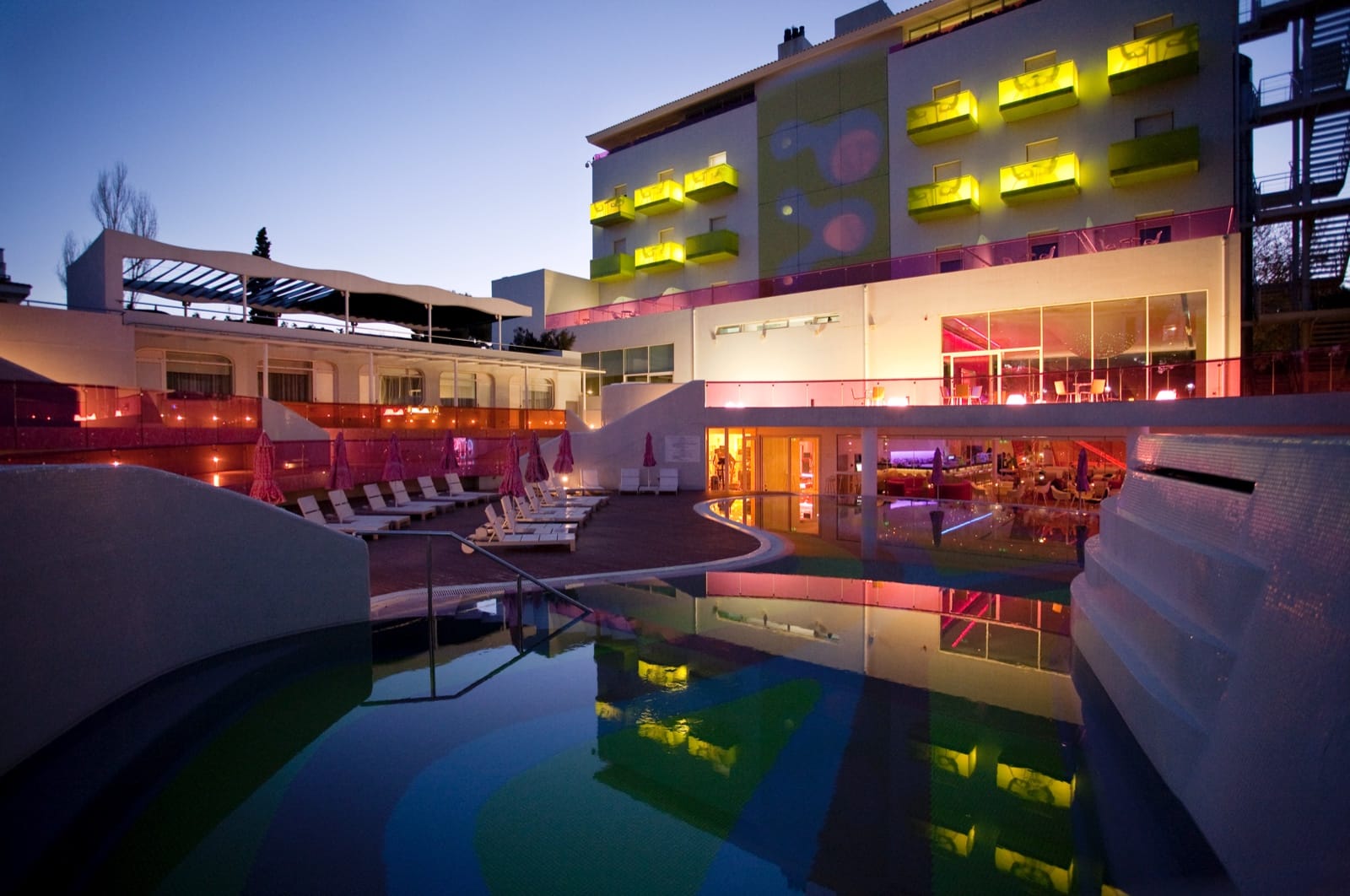
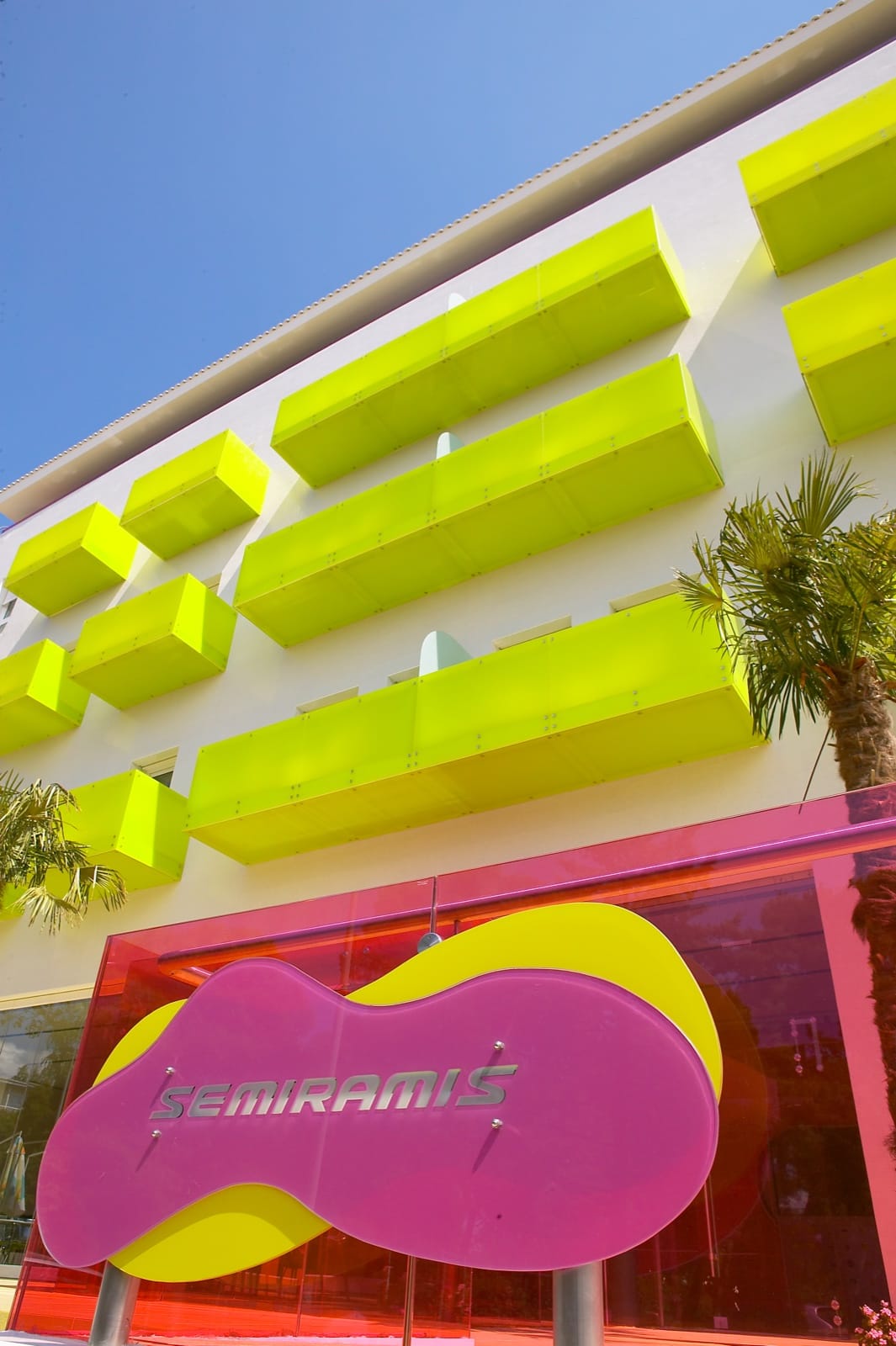
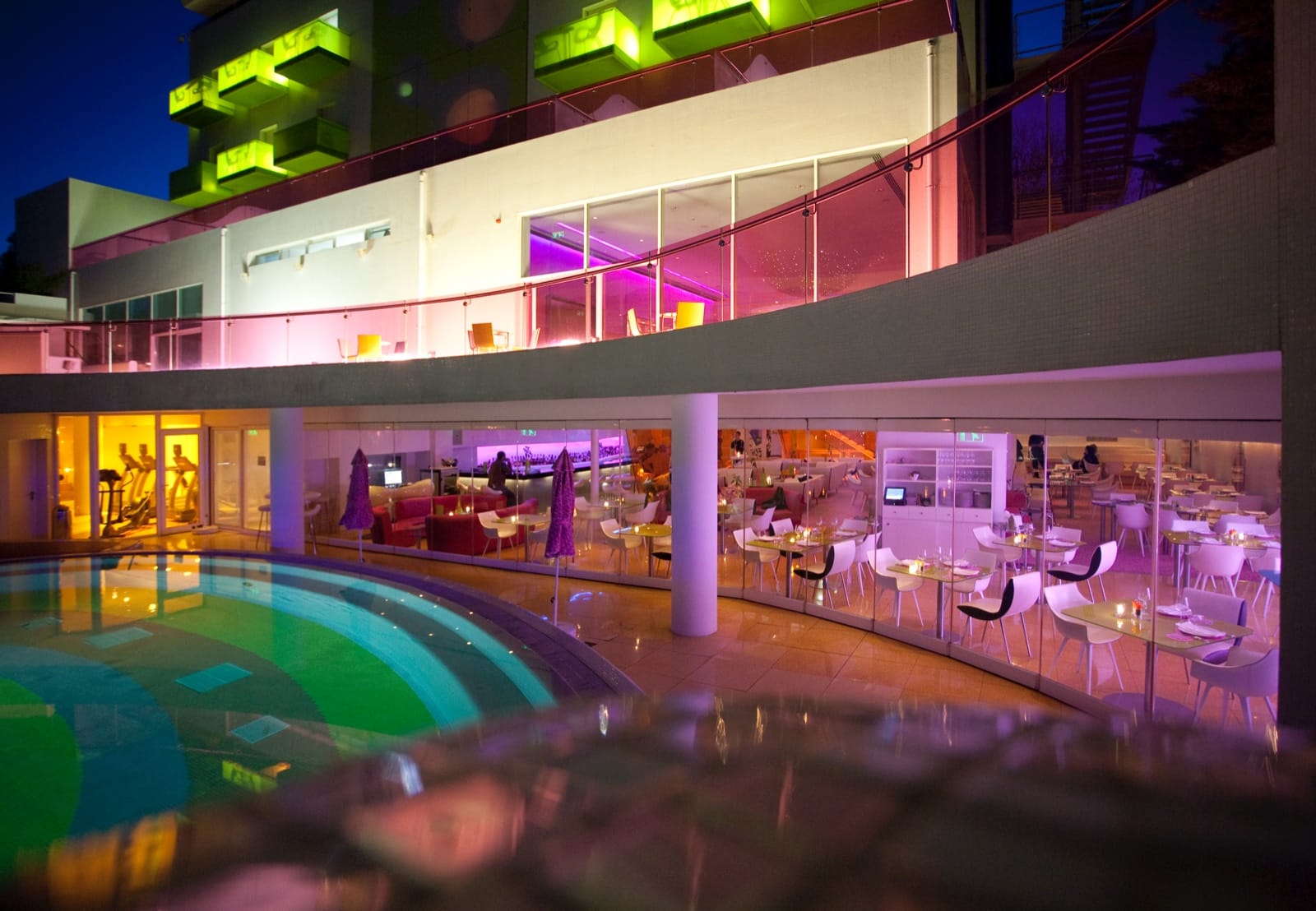
Sadly, not all hotel refurbishments maintain such a strong connection to the history and spirit of the past. When the neoclassical Semiramis Hotel in the upper class Athenian suburb of Kifissia – once a Greek summer resort destination in itself – was transformed into a Pop Art-esque, ultra modern property, many people balked at the result. Nobody here is disputing designer Karim Rashid's talents, but the pretty historic building that characterised the area now stands out like a sore thumb in a distinctive, traditional neighbourhood. Rashid would have been better off transforming one of Athens' bland socialist-style hotels from the 1960s into something refreshingly funky, rather than tamper with the Semiramis.
In China, attempts at successfully renovating Shanghai's landmark Yan'an and Hai'ou Hotels all but failed in the view of western hoteliers. The Chinese seem to have learned from this experience when they commissioned Fairmont Hotels & Resorts – known for being more considerate toward history and heritage – to renovate the legendary Peace Hotel overlooking the Huangpu River. Today it boasts tasteful Orient-meets-West classical decor with an upbeat design streak that harks back to the graceful 1950s.
Another successful example of renovation is France's Grand-Hôtel du Cap-Ferrat that opened to much fanfare in 1908, receiving a long list of royalty and celebrities in the following decades. The grandiose property by the Mediterranean had been falling into disrepair since the Second World War, until its grand refurbishment in 2009, some 100 years after it was built. French architect Pierre-Yves Rochon reinvented it with deserved elegance, while a subtle new wing was added by architect Luc Svetchine from nearby Nice, both of whom considered the local spirit and legend of the property.
While the Cap-Ferrat's additions were inconspicuous, this brings to mind another concern, namely the uncontrolled expansion of historic properties to maximise profits. Classic hotels from the 19th century and early 20th, such as Raffles in Singapore and Oriental in Bangkok, have added high-rise annexes that purists rightly found alarming. Closer to home, the luxury Marriott hotel in Cairo's Zamalek district – once a beautiful palace and then a local hotel – is now flanked by two huge towers that have dwarfed the main building in what is perhaps a sad sign of the times.
Regionally, traditional hotels in the Arab world are less common than you might expect, with the exception of a few notable examples in the Levant and North Africa. One of these is La Mamounia in the heart of historic Marrakech, which has seen all levels of VIP guests, from the likes of Winston Churchill and Charlie Chaplin to Nicole Kidman and the Reagans. The property has also been enlarged over decades from a 50-room hotel to one with 210 keys. Designer Jacques Garcia maintained the true Moroccan style and incorporated Art Deco elements that had once characterised the property in its heydays.
It remains to be seen if and how Arab sites like Lebanon's legendary hotel Kassouf in Dhour Choueir and the Grand Hotel in Sofar – now both in utter ruin – will be renovated, if ever. Turning such historic stone buildings into gaudy Pop Art properties will certainly not be the answer, but restoring them to their former glory and improving upon them in appropriate style might transform the hotels into prime examples of successful renovations and revive the economy of these derelict summer resorts. All we’re hoping for is a little class and a little sensitivity.
Westin Book Cadillac,
1114 Washington Boulvard,
Detroit, Michigan, USA
Tel +1 313 442 1600
Fairmont Peace Hotel
20 Nanjing Road East
Shanghai, China
Tel +86 21 6321 6888
Grand-Hôtel du Cap-Ferrat
71 Boulevard du Général de Gaulle,
Saint-Jean-Cap-Ferrat, France
Tel +33 4 93 76 50 50
La Mamounia
Avenue Bab Jdid,
Marrakesh, Marocco
Tel +212 524 388 600