The Kiton flagship in Manhattan’s Upper East Side is a marble fortress, its altars awash with pastel-coloured confections of luxury. Ties are scattered efficiently on richly-tinted wooden tables while mannequins decked in this season’s styles flank the striking main staircase.
It is a clothing store, yes, but it seems so much more than that. The walls of this six-floor, 20th century mansion ooze opulence, the delicately assembled displays purr indulgence. The atmosphere is exclusive, carefully clipped and curated to encourage the equally manicured customer to explore fully his or her desire for the Kiton lifestyle. Undeniably majestic, it is also (incidentally) the ideal embodiment of the brand itself: impressive, elegant and extremely expensive.
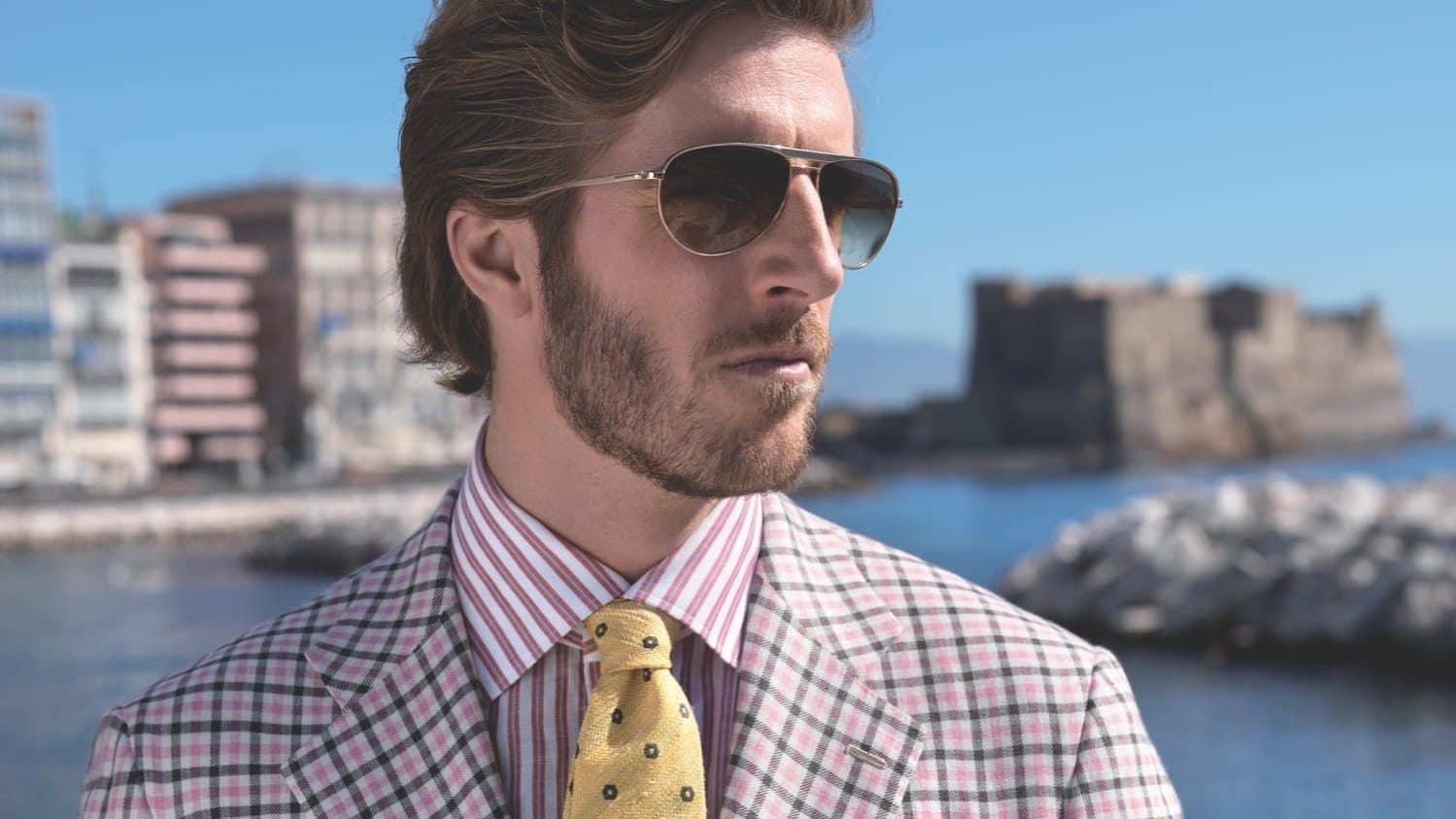
Founded by Ciro Paone, the man widely lauded as the master of Neapolitan style, Kiton began life as a family business that imported British fabrics for the finest tailors in Naples. In the 1950s, Paone transformed the company from trader to tailor and in 1968, the brand that today is synonymous with elegant suits - if not an elegant lifestyle - was born.
Paone set the tone by charging top lira for his suits from the very start. Though it may not have seemed obvious at the time, he’d clearly latched onto a winning idea: that men were willing to pay a lot for quality suits. Clearly, this idea has become code. Today, a Kiton can easily set you back up to $7,000 and up to $21,000, if you want something made-to-order.
Paone prized the handmade aspect of his suits and even today, the only ‘machines’ in use at the factory in Arzano, an industrial suburb of Naples, are needles, thimbles and scissors and he went on to establish a tailoring school, where all of Kiton’s tailors are trained.
“Our motto is: ‘il meglio del meglio, piu uno’, which means the best of the best, plus one,” says Antonio Paone, Ciro’s nephew and President of Kiton USA, over an espresso in the office space located above the landmark Manhattan store. The motto reflects the absolute attention to detail that characterises the company in everything it does.
“I started [at Kiton] about twenty years ago, with my uncle,” Paone tells me. “At the beginning, I was going around Europe with him, in his car. I was like his driver. We went to England and Scotland, choosing materials by hand, which is how little by little, I started to be passionate about fabric.”
Clearly, it’s a family obsession and one that is reflected in the company’s name, which is derived from the chiton, a kind of tunic worn in ancient Greece. Made traditionally from linen or wool, the chiton was a rectangular piece of fabric cinched at the waist by a belt and at the shoulders by a brooch. Simple but elegant, it’s much like its modern namesake.
Antonio Paone’s passion for fabric is visible in his choice of attire. From his sleek summer suit to his cuffs and slicked-back hair, there’s nary a hair out of place, nor a mismatching stripe in sight. Everything about the man shows such meticulous attention, such a careful eye, that when Paone tells me that in addition to presiding over the company’s US interests, he’s also the head of menswear and responsible for creating each new collection, I am unsurprised.
Though most famous for its line of exquisite suits – production is limited to just 24,000 suits a year, both bespoke and off-the-rack, with each suit taking approximately 50 hours to finish – Kiton also produces shoes, ties, bags, luggage and both a men’s and a women’s prêt-à-porter line. If it continues to develop along these lines, the suit maker could eventually become the ultimate one-stop shop for the sartorially inclined and anyone looking to add a little high-end gravitas to their lives.
Sales are currently up 24 per cent, with the most growth in their womenswear line, which has been designed and run by Paone’s cousin, Maria Giovanna, for the last four years. This year alone, the sales of womenswear have increased by an enviable 30 per cent.
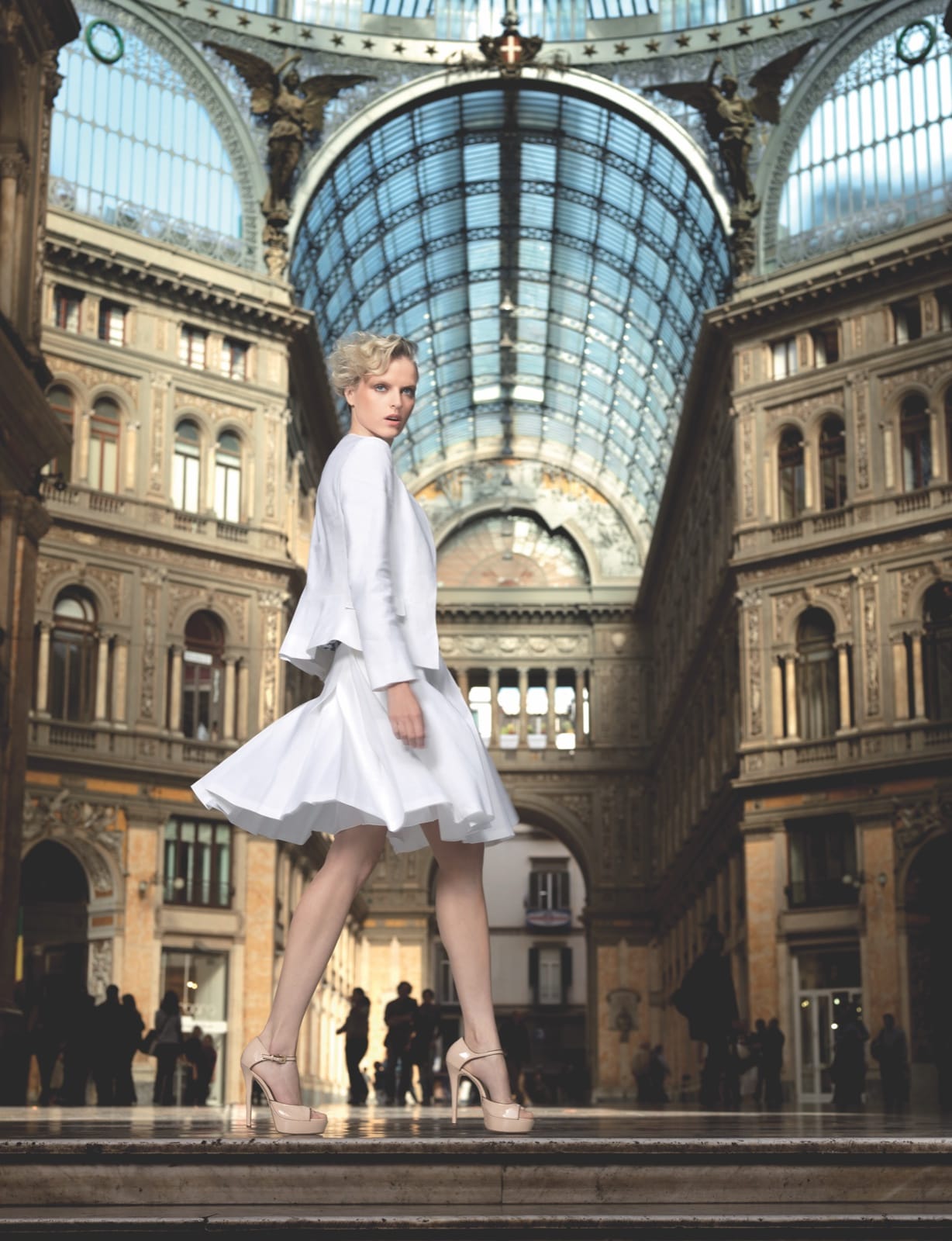
But then as Ciro’s decision to charge top dollar right from the start reveals, Kiton has always been forward-looking. Almost from the day it was founded, it embarked on a project of expansion. In addition to adding new product lines, the brand is now global. It operates 40 stores in 15 countries and has its future openings mapped out until 2019.
“Our sales are very strong right now,” says Paone, “and our current plans are to keep expanding in the eastern markets, like China.” There are currently 12 stores in China and Paone says plans are to open another twenty within the next five years.
Kiton currently has stores in Europe and the US, but its biggest portfolio of stores is west of the Italian border; Uzbekistan, Russia, Azerbaijan, Saudi Arabia, the UAE, South Korea, Japan and China.
It’s not entirely surprising that Kiton has a stronger presence outside traditional Western markets. As the recent economic downturn struck Europe and the US, luxury brands sought to expand their presence in previously under-provided and currently thriving countries.
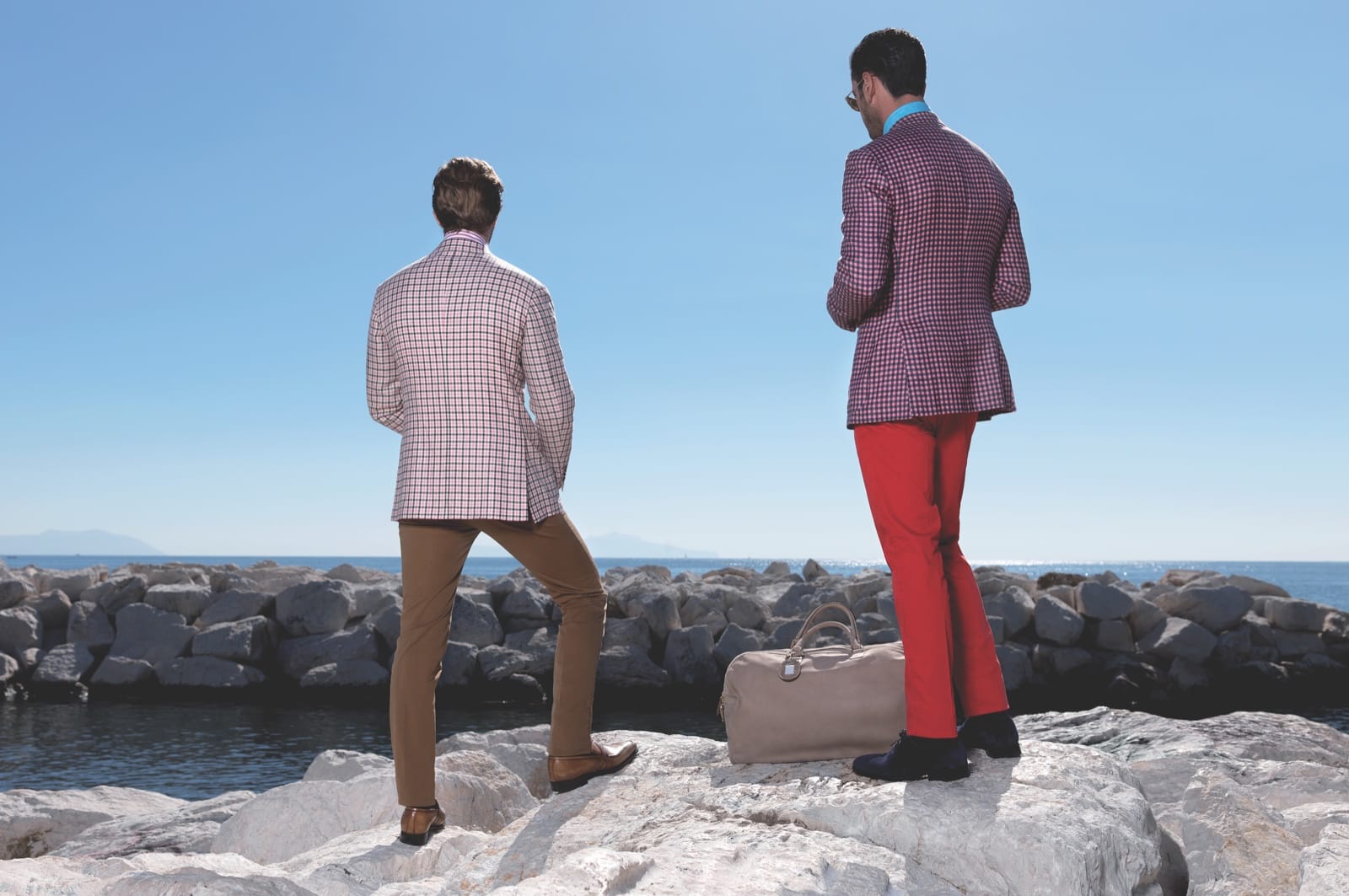
But what exactly is it about the company that has customers, both old and new, coming back for more? Despite its astonishing global success, Kiton remains something of a secret, with far less name recognition than say, an LVMH brand.
“We’ve always been a classic, contemporary brand, which means we constantly bring novelty to our lines,” Paone says, explaining what for him is the brand’s allure. “We always try to bring something new to our customers, every season.” Something, though, that doesn’t alienate loyal customers. “For example,” he continues, “Kiton was the first company to introduce lightweight cashmere for summer. Our customers stay with us because they understand that when you are buying Kiton, you are buying novelty and colour, yes, but mostly, you are buying quality. Even if the price is crazy, once you try Kiton, you never go back.”
When asked who the typical customer is, Paone describes a man with a fine sensibility for quality, who isn’t just buying because it’s expensive, a discrete jab at label-junkies who are less interested in quality than a brand name. “It’s not about being rich. Our customer has to be sophisticated enough to understand quality.”
But of course, being wealthy is central to the equation. To be a Kiton man means being able to shell out for suits costing four, sometimes five figures. Consequently, Paone explains, Kiton wasn’t as badly affected by the recent economic uncertainty as many other brands were. “Our customers are richer than rich. Those who had the money [to buy one] before still have the money today. Maybe they buy less but they still buy.”