The landscape surrounding the town of Bremen in Northern Germany could only perhaps be considered charming by those who were born there: infinite fields and moor lands populated by cattle and crows, empty country roads connecting faceless villages and a wide but dull-looking river flowing past shipyards and power plants towards the North Sea. It’s not quite the place you’d immediately associate with Russian oligarchs, American software billionaires or Arab sheikhs. Yet this unassuming seaport is where you would go if you wanted to join the ranks of moguls such as Microsoft’s Paul Allen, Roman Abramovich or Saudi Arabia’s Sheikh Abdul Mohsen Abdulmalik Al-Sheikh in acquiring the most expensive luxury item money can possibly buy: an opulent superyacht, built by one of the world’s leading yachtmakers.
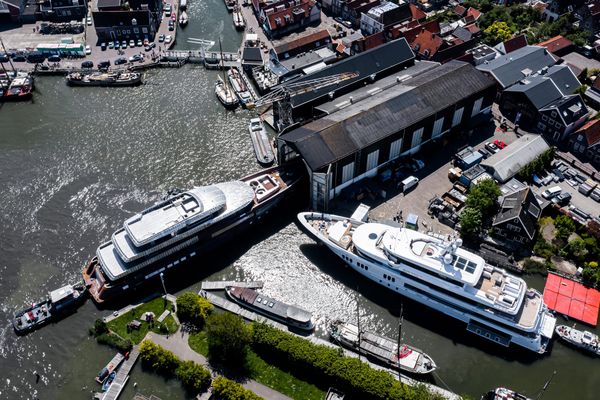
Situated in the north of Bremen, with four shipyards in the area and a total of about 1,500 employees, Lürssen has ridden out the assorted economic storms of the past three decades, which have forced many other local shipyards to shut down, leaving Bremen and its seaport Bremerhaven with Germany’s highest unemployment rates. But the once prosperous city, a key member of the Hanseatic League, the world’s first common market, has not lost its dignity. And reflecting this, Lürssen’s success is built on centuries of mercantile know-how, enduring family bonds and solid, traditional crafting and manufacturing values – factors that imbue both the company’s and its home city’s spirit with an aura of nobility, to this day.
Founded in 1875, the company is still in the hands of the same family. Today, it is run by the founder’s great-grandsons, Friedrich and Peter Lürssen. While Friedrich seems to prefer to remain in the background, his cousin Peter Lürssen, a man of a typical Hanseatic appearance - a self-confident but contained demeanour combined with an impeccable but understated dress style - serves as the company’s voice.
Peter was only 13 years old when he received his first company shares. “It never occurred to me to question entering the family business, following that predetermined path felt natural,” he recalls. However, his entry into the family business might not be ascribed solely to family tradition: those born into the maritime world will always be tied to it, as if the love for the sea were a natural instinct etched within their genetic code. To Lürssen, a boat is not an object, it is an animate entity that demands emotional interaction. “The moment a boat leaves the shipyard it feels a bit like seeing your child off to live their own life,” he continues. “You are proud to see them grow and become independent but at the same time, it makes you feel a bit nostalgic.”
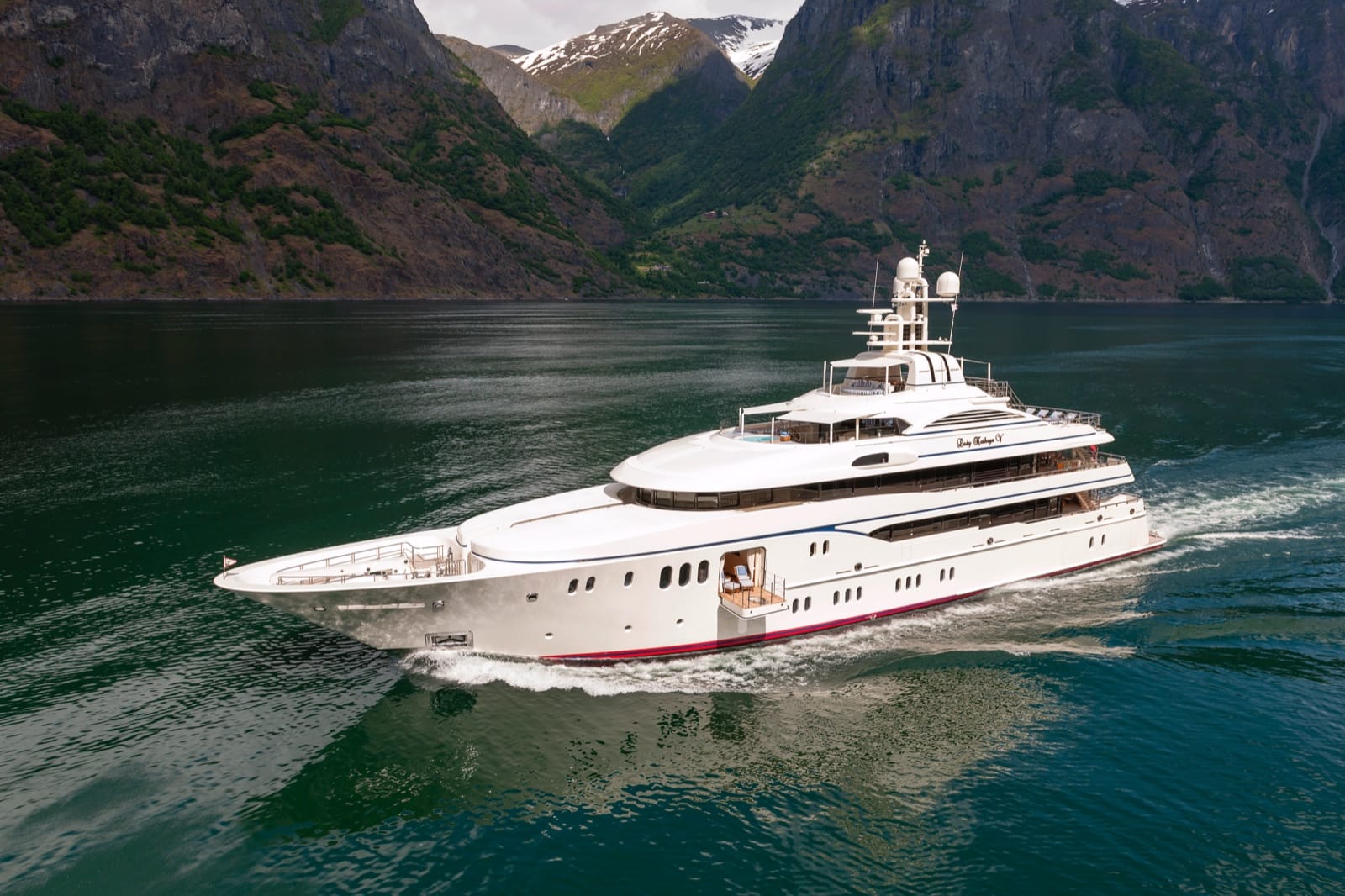
The company was one of the first to focus on the superyacht segment at the end of the 1980s, when it became apparent that their principal source of income – military vessels – would go dry sooner or later. Their first modern superyacht however, the 40-metre long Be Mine launched in 1991, wasn’t the largest private yacht the company had built by that time. Twenty years earlier, in 1971, Lürssen delivered the 71-metre long Carinthia V to German department store magnate Helmut Horten, who managed to run her aground during her maiden voyage. A bit of a shame, really, but Horten got over it by ordering the Carinthia VI, which today is considered the yacht that laid the foundations for superyacht design as a distinct profession.
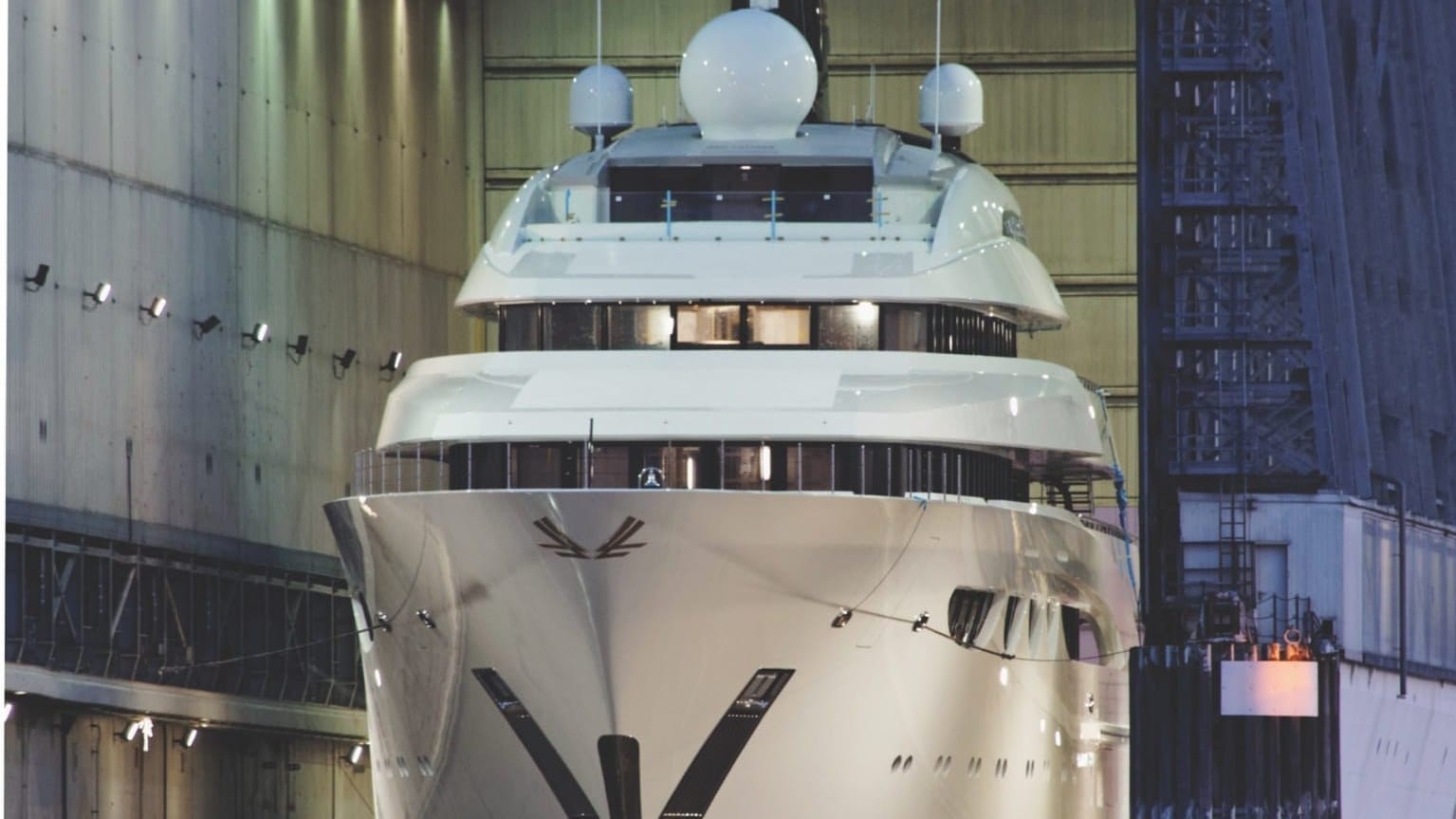
Compared to the 180-metre Azzam, the Carinthia was practically a minnow. When the world’s largest motoryacht was first released from Lürssen’s huge indoor dock earlier this year, people from all over the region came to see her begin her seagoing life. As with almost all Lürssen projects, the owner’s name was kept secret. Speculation almost inevitably always points to an owner of Middle Eastern origin (the yacht’s name being perhaps a bit of a giveaway here) but apart from a rumoured construction cost of approximately 500 million USD - which would also make the Azzam the most expensive yacht to date, dethroning Roman Abramovich’s Eclipse, which Forbes estimated at a (relatively) modest 300 million USD - hardly any information was available on the boat’s specifications. Still, crowds gathered in the wind and rain, some staying for hours, awestruck, laughing and crying with joy and admiration.
In order to fully savour this reaction, one has to understand that northern Germans are not generally known for being overly expressive. Their reticence is legendary, frugality is a virtue and those who allow themselves to indulge in a bit of luxury will never openly show it. Here, discretion is key. Needless to say, a northern German is not a typical Lürssen client. Paradoxically, this dour attitude towards luxury may be exactly the reason why northern German shipyards are amongst the most successful luxury yacht builders in the world.
What they build makes sense, is of utmost durability and doesn’t cost more than it really must. In addition, they never lose their calm and remain completely unfazed by their clients’ most eccentric demands - even if that means having to cut open an already finished hull to install a bathtub made from Armenian stone for example.
Out of the top 100 superyachts of the world (a list updated annually and published by the online directory Superyachts.com), Lürssen is responsible for creating 20 of the boats featured. Other successful builders include Blohm + Voss and Nobiskrug, which is owned by Abu Dhabi’s MAR group but it’s the personal touch that goes a long way at Lürssen. Clients wishing to speak to the boss will get to speak to one of the owners, which (literally) adds personality to the brand. “So far, we have managed to fulfil every single client’s wishes,” Peter Lürssen proudly claims. But considering the evolution of the superyacht genre and the fact that ‘super’ is increasingly turning into ‘mega’ (and lately even ‘giga’), the burning question must surely be just how much bigger a Lürssen yacht can get.
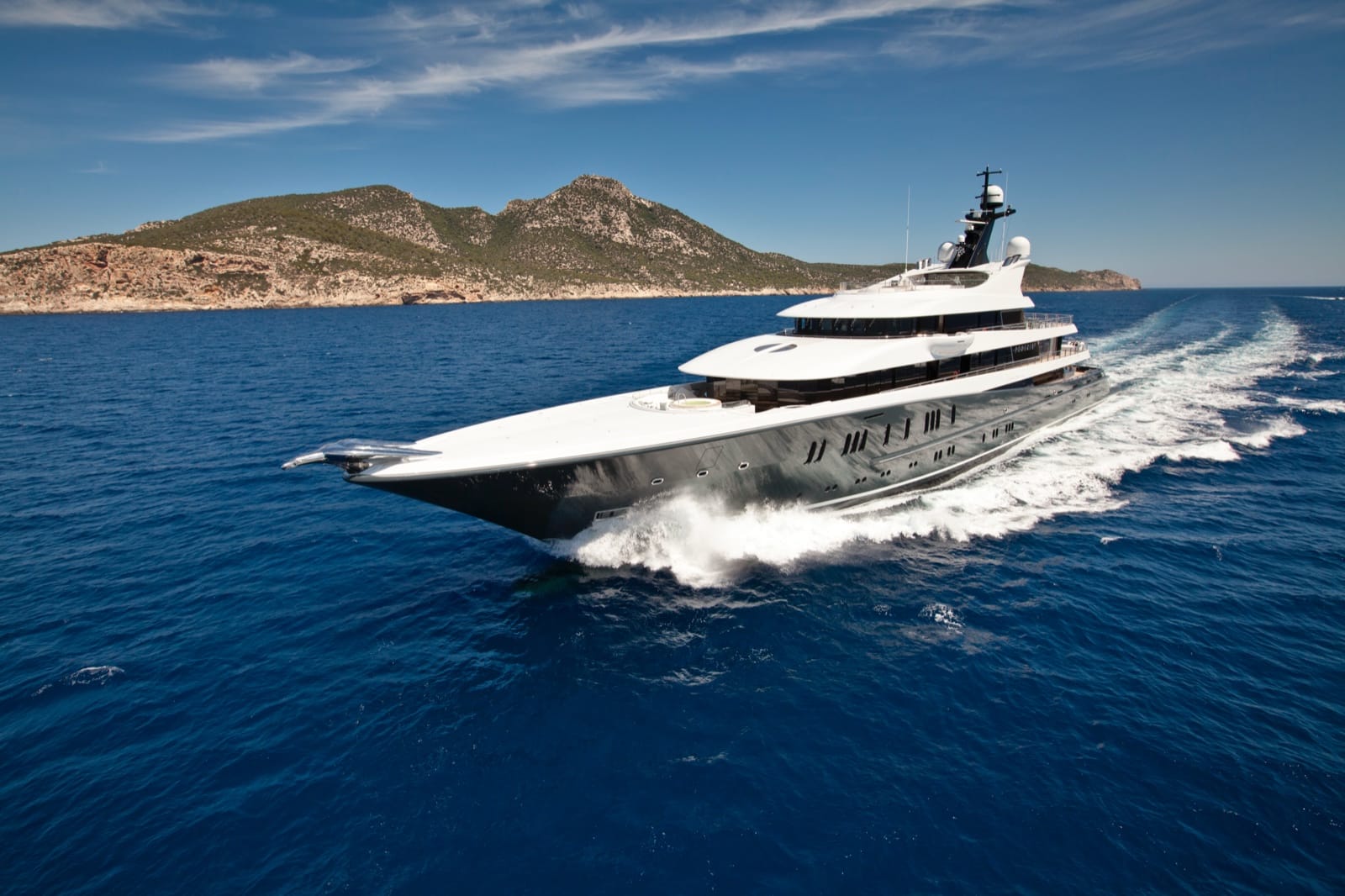
For his part, Peter believes this is not an issue. “A project like Azzam is and will remain an exception,” he explains. “To put things straight, there is no such thing as an ‘arms race’ between yacht owners. The size of a yacht is defined by the clients’ demands and ideas but is never influenced by the thought that his yacht should be bigger than the one owned by his neighbour.”
While that assessment might sound a bit idealistic – especially in this neck of the woods - one thing is sure, at Lürssen, every yacht is equally loved. No matter how big or small.