These days, one can expect a Saint Laurent fashion show to be unlike any other show across the tightly packed, eight-day Paris Fashion Week schedule. Take the Autumn-Winter 2015-2016 women’s ready-to-wear show, in which the invitation is not a place-date-and-time on pretty paper sort of affair but, rather, a taste of indie art publishing in a comic book-like collection of sketches and appropriated media by American artist Jim Shaw.
And, what appears to be a normal runway, in fact rises to become more like a concert stage, revealing dramatically lit metal scaffolding underneath. Even the seasoned editor-in-chief of American Vogue, Anna Wintour, expresses an uncharacteristic sense of child-like delight at being forced to look at the models as if she were a concert spectator.
Also, nowadays, nothing can be said about Saint Laurent without the music – given that there are nearly as many young musicians present at a Saint Laurent fashion show, as there are VIPs. Instead of a standard runway show soundtrack of samples and modern breaks blended into perfect transitions, this show has only one song playing, a track that was recorded earlier in the month in Paris by the all-female garage punk trio from Denmark, The Felines. And as sixty looks come down the runway, ‘Pretty Boy’, the mantra-like repetitious chorus plays again and again in variable intensity, passing from irritating, to intense, to soothing, to meaningful.
In fact, the music helped make sense of the collection, an assembly of deeply urban, ready-to-party looks in crinoline baby doll dresses with classic blazers, ultra mini-skirts worn with ripped fishnet stockings, and cigarette pants angled with razor-thin suspenders and ties.
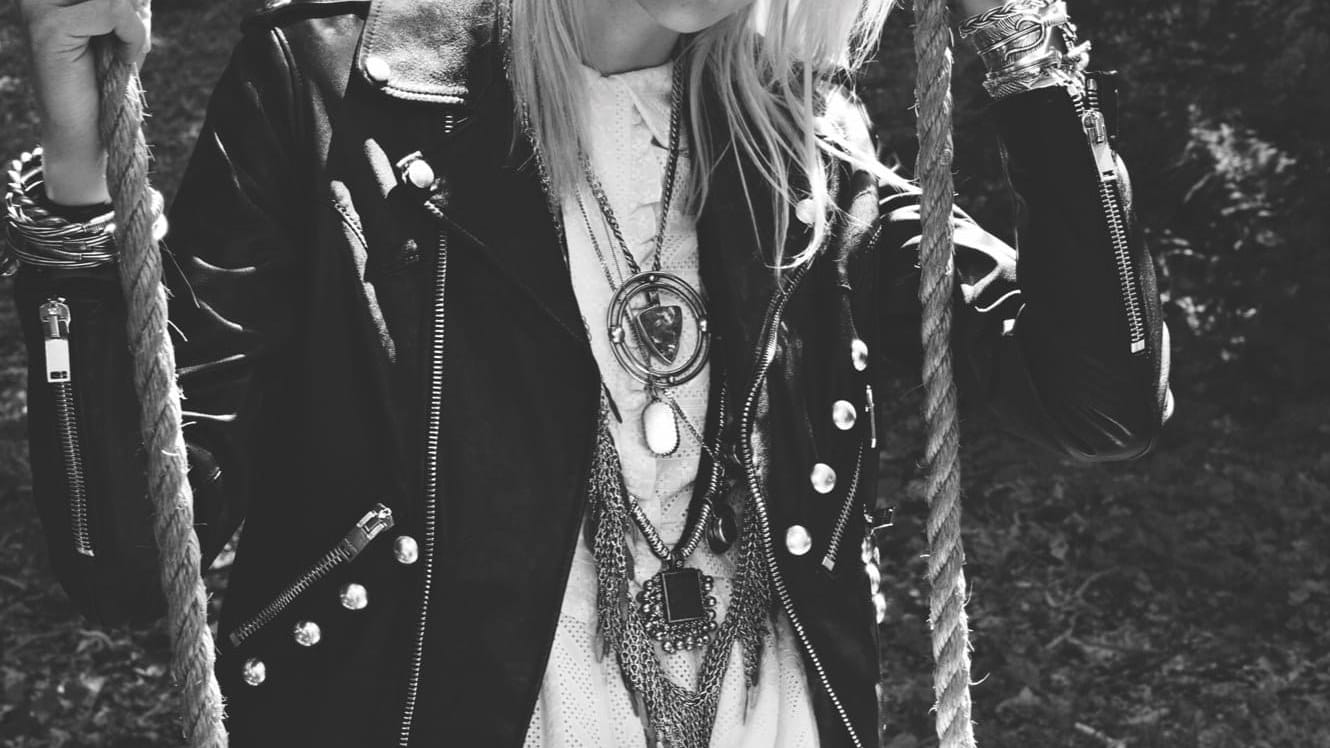
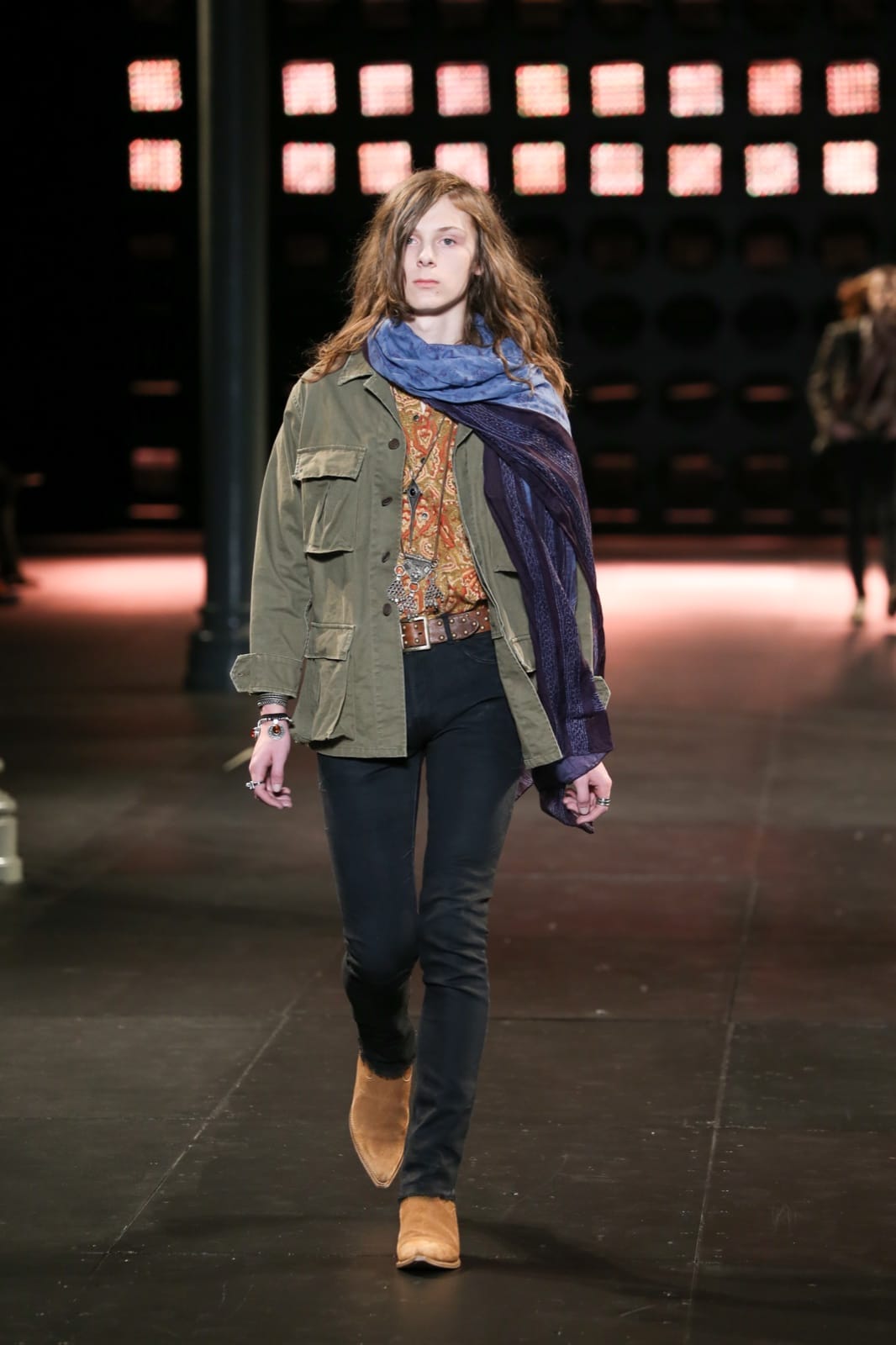
With this sartorial backdrop, listening to the soundtrack, I imagined both the desire of a young woman for a pretty boy, and also the boyishness of these pretty girls walking down the runway. Yves Saint Laurent arguably spearheaded androgynous fashion in 1966, with the famous ‘Le Smoking’ tuxedo attire for women. This seems to be Slimane’s aesthetic pursuit: a general and highly seductive sense of ambiguity. He perfectly captures that open space of youth – a space that is one of innocence and the end of innocence at the same time. Its interpretation works equally well in ripped tights and leather as well as it does in finely beaded caftans and bohemian denim – looks that characterised the Psych Rock collection launching late 2014. It evokes a 1970s sense of decadence in a back-to-nature-rebellion, beautifully photographed by Hedi Slimane to the backdrop of open lakes and countryside.
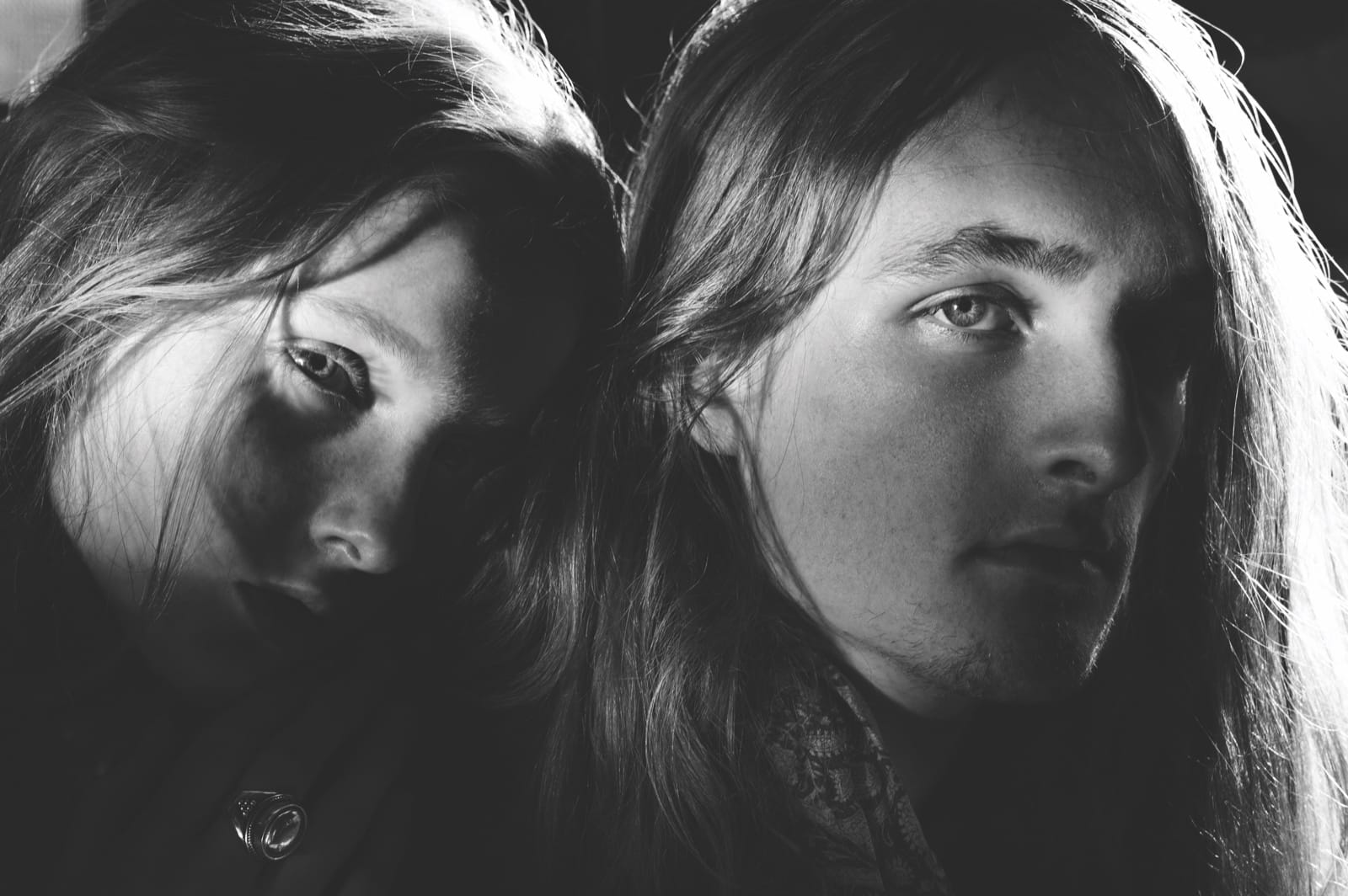
For, at the same time that Slimane captures this sense of youthful openness in his clothes, he perhaps captures it most poignantly in his photography. It is a creative endeavor for Slimane that lives independently of his fashion career (with an impressive list of exhibitions under his name) as well as in perfect co-habitation with it, assuming the role of photographer for his collection campaigns.
It is now over three years since Hedi Slimane took over as Creative Director of Yves Saint Laurent, under the parent company Kering. After a wildly successful tenure at Dior Homme, then taking a few years to focus on his photography work, Hedi Slimane replaced Stefano Pilati in 2012. What came with Slimane was the Reform Project. He relocated the design studio to Los Angeles though the brand’s headquarters are in Paris. He overhauled the brand communications and contentiously dropped ‘Yves’ from the brand name to be simply Saint Laurent. This move, particularly, was not an act of re-branding but more an act of retro branding. When Yves Saint Laurent, in partnership with Pierre Bergé (who is, notably, a staunch supporter of Slimane today and always front row) decided to open a ready-to-wear element to the brand in the 1960s, they opened a left bank boutique under the sign Saint Laurent Rive Gauche. Vintage pieces, floating around Paris auction houses and consignment shops, can be found with this label inside.
From the invitation, to the fashion show staging (also designed by Slimane) to the music and – one must not forget – the clothes, it seems that Slimane believes that the entire infrastructure of a fashion brand can potentially be an artistic medium. He uses every element as a platform for communication, and not for the purposes of a brand’s mono-marketing objectives but as an aesthetic expression of l’air de temps, the Zeitgeist, the now.
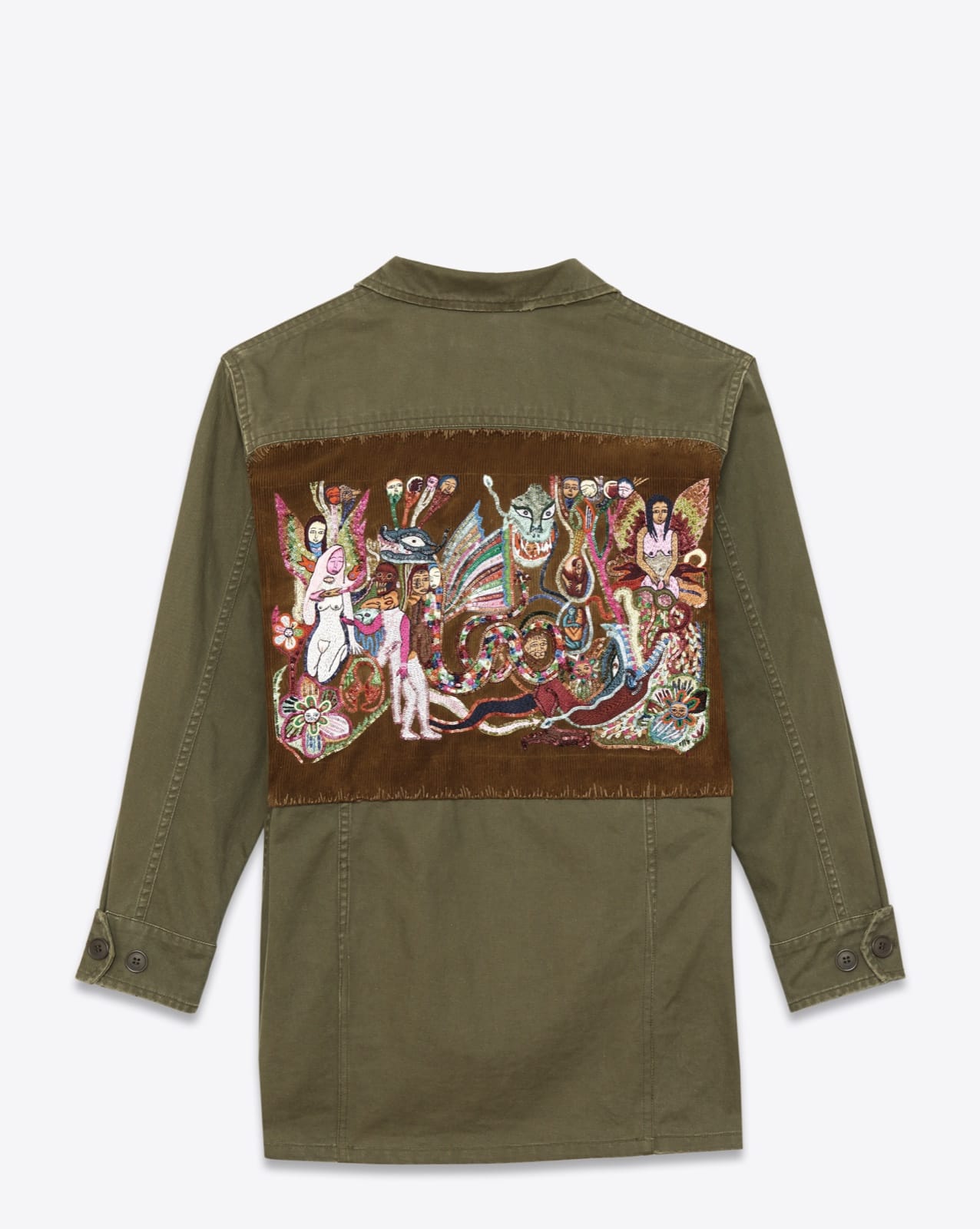
It is tempting to directly compare fashion designers Hedi Slimane and Yves Saint Laurent but the audacity with which Hedi Slimane has assumed the brand as his own, both pushes away the obvious comparisons and underlines the most important ones. How did a quintessentially Parisian brand known for dressing the likes of Catherine Deneuve arrive in Los Angeles with ripped tights, leather bomber jackets and messy hair? Firstly, Slimane has always made these seemingly forlorn looks with the utmost craftsmanship that ready-to-wear permits. Most importantly, however, it is not the form but the feeling, the energy, the free-spirited temple to youth that Slimane never fails to touch at its core. There will never be another Yves Saint Laurent, but there will always be the edge that Yves Saint Laurent thrived on when alive and that Slimane manifests for his own era.