If there’s one time-sucking process that comes with doing everything online, it’s going through the steps required to recover a forgotten password. You know, when you try four of your stay-true combinations and none of them work, and then have to go through the arduous exercise of checking your email and following password recovery instructions. Or even worse, when you try one too many wrong passwords and you get locked out for a certain a period of time, or are required to contact customer service. Passwords may exist for our own good, but they’re a double-edged sword.
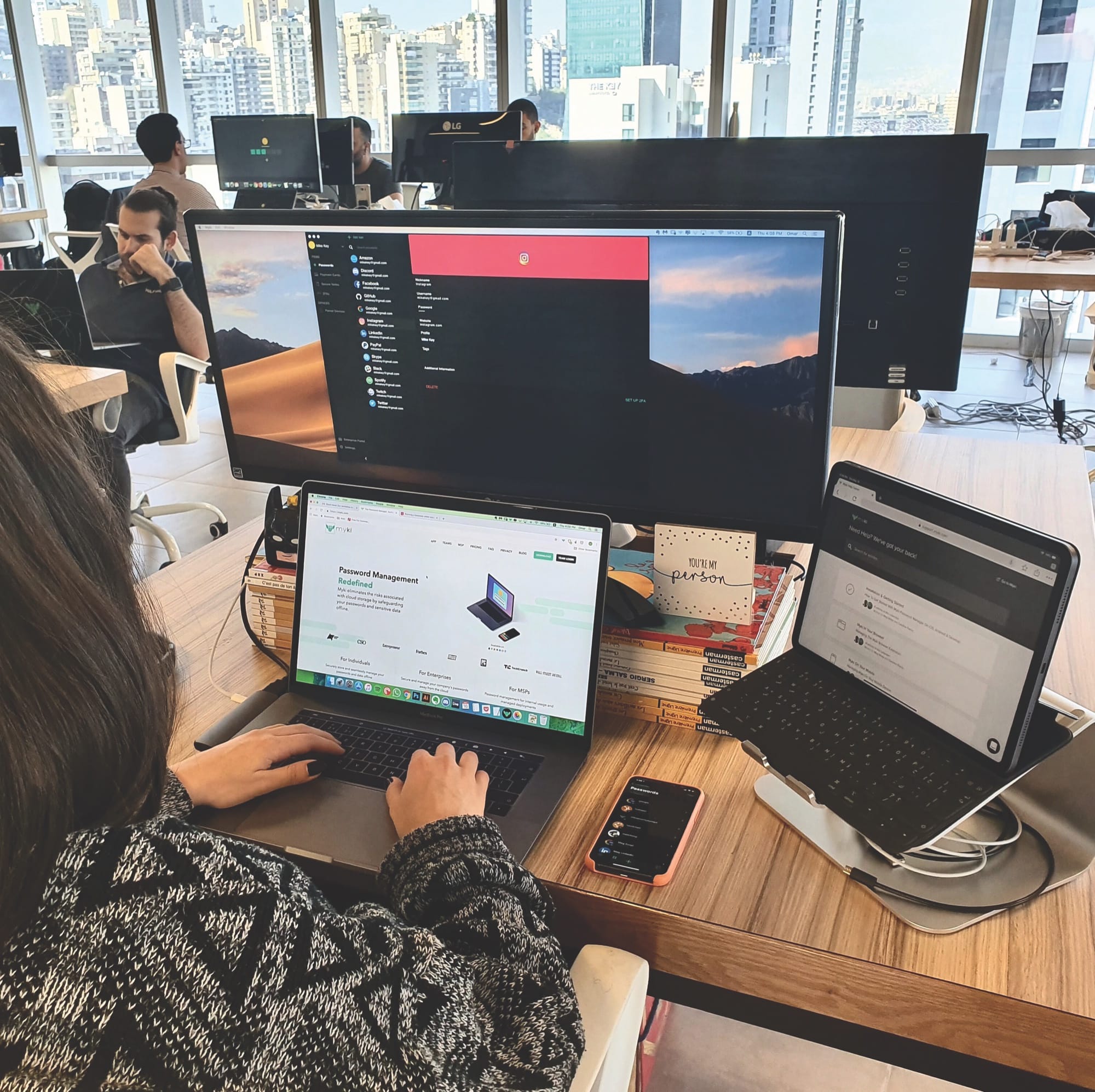
That’s exactly the problem Priscilla Elora Sharuk and Antoine Vincent Jebara, founders of Myki, a Beirut-based cyber security start-up, have solved by developing an advanced password and online identity manager. It’s a tool that creates, stores and remembers passwords, relieving the human mind from all of those chores. It also addresses another elephant in the room: cybersecurity.
“If you’re using the same password on multiple accounts, then your digital identity is at risk. So how do you maintain passwords and make sure that you’re using complex alpha numerics, and not monkey1234 or your mom’s name, or something really simple that anybody could potentially breach?” poses Sharuk. The answer is a hybrid application that store data locally and only connects with a trusted computer, without storing anything on a local server. “My co-founder Antoine, who is the engineer, basically built a decentralized architecture,” she explains. As an added bonus, the app also autofills, keeps notes, saves cards and makes it possible to log out remotely from your computer.
Sharuk demonstrates the product during a meeting in the company’s new office space in Beirut. It’s a 300 square-metre open concept workspace for 22 employees, mostly engineers and a marketing team (and their dogs, because Myki lets employees bring their pets to work). It’s an upgrade from the 90 square metre office space where Myki operated until just last year, and it came as a result of some serious funding. Myki was founded in 2015 and by 2016, they’d raised seed funding worth 1.2 million USD from investors in both Dubai and Beirut. But it’s last years Series A funding that has really changed the game for the company, allowing it to scale and decentralize its operations, including with a new office in one of New York City’s WeWork’s collaborative workspaces. “Only 3 per cent of our customers are in the Middle East, so the Beirut office is like a virtual office, “ Sharuk says.
While the password App is Myki’s calling card, the real bread and butter is what the company calls MSPs, or Managed Sevice Providers. Essentially, Myki has positioned Sales and Marketing reps in Dublin, Spain, Washington and Los Angeles to connect with IT teams, who then act as wholesalers incorporating Myki into corporate IT packages. The product allows administrators to monitor employee logins to company accounts, giving them better control over proprietary information.
The company says it has over 500,000 users globally, with downloads mainly coming from the US, Australia, Europe, the UK and the Nordics. Sharuk points out that some of those markets are much easier to penetrate than the Middle East, like the Nordic countries, for example, where the population is already very well versed in cybersecurity, and thus, more receptive. “It’s an easier sell,” she says. “The sales cycle here starts from building awareness, while there, there’s already awareness.”
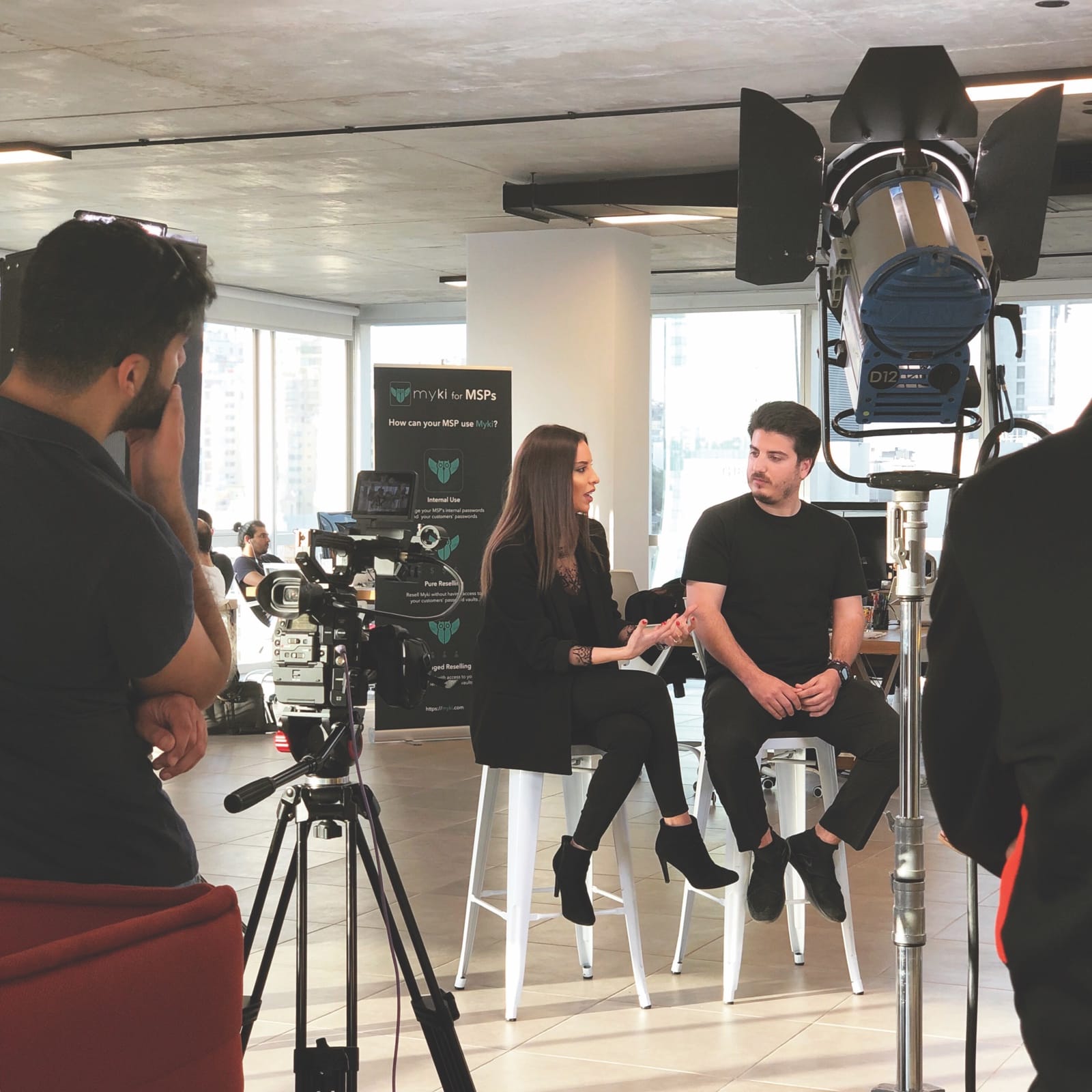
Part of Myki’s growing success is thanks to the attention it has garnered from respected industry reviewers. This includes being listed as one of Apple’s Powerful Password Managers and a positive press from online tech blog Android Police. But at the top of the accolades is PCMag’s Editors Choice Award. “It took three months for security product reviewer Neil Rubenking to answer my email. I kept telling why he should write about us and how he owed it to his audience to tell them about us.”
Sharuk’s persistence eventually paid off, resulting in a 20 per cent increase in downloads following the news. This respect from the media around the tech industry is something the former landscape architect understands well.
“We’re building a global product so it’s not enough for us to only build credibility regionally,” she points out. “But we hope to continue to build the brand’s culture as we grow and scale.”
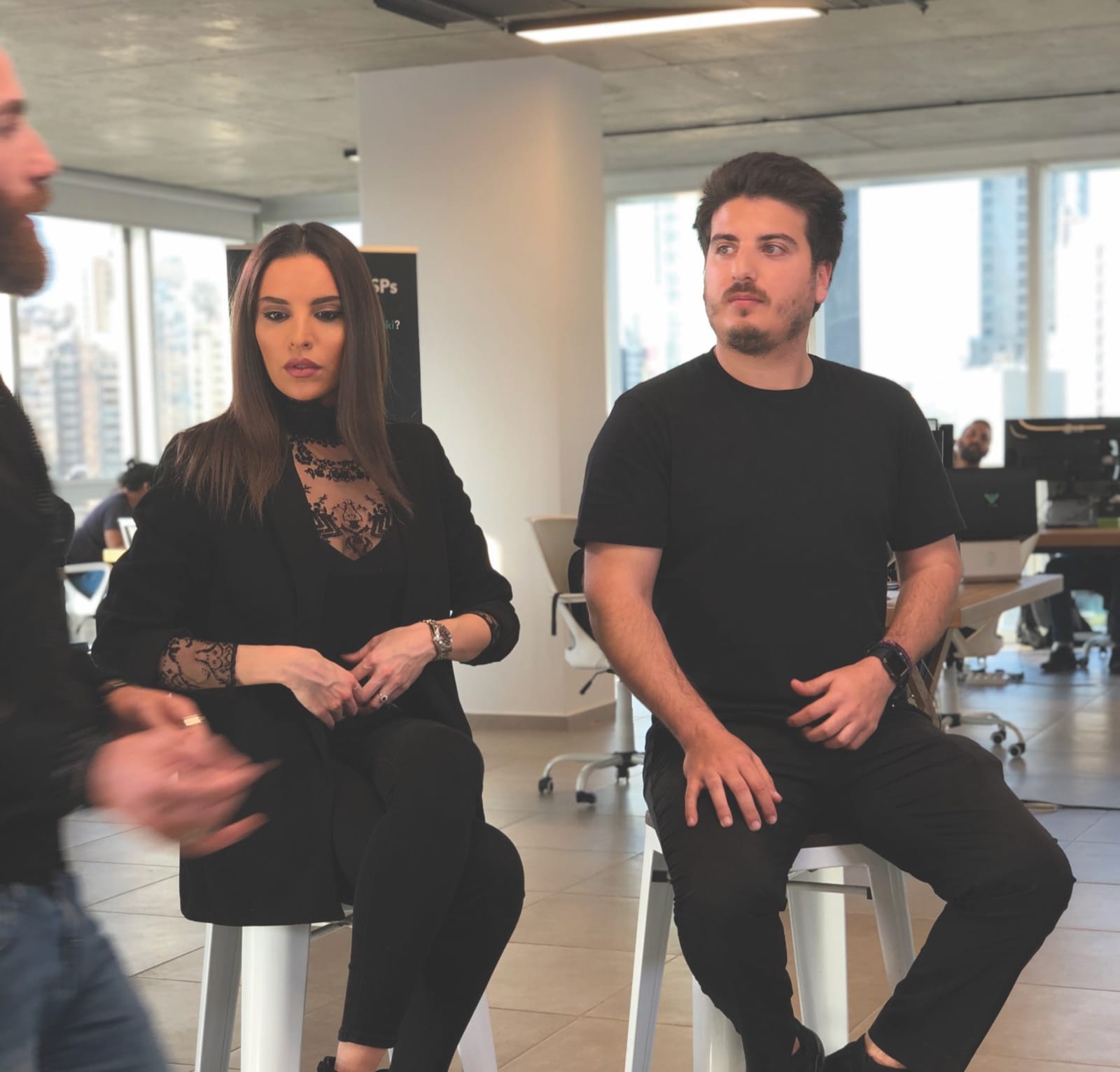
While being based in the Middle East presents some challenges, namely a relatively small pool of talent to hire because this kind of high tech product requires specialised encryption knowledge, it also has its perks. “What’s amazing it that being the only company that does this, we’ve had a massive influx of people wanting to work with us. I think the company is at an inflexion point.”