It was Susan Sontag who said, “Today, everything exists to end in a photograph.” Her words came to mind when I visited the Moroccan showcase at the first Dubai Photo Exhibition. Dedicated as it was to the late photographer, Leila Alaoui, who passed away in a Burkino Faso terrorist attack in January, and whose images of raw humanity, migrant bodies and stories of passage have become world renowned, the dedication compelled one to think about how enduring powerful photos are and how far they can travel.
It was this underlying premise, and global perspective, that bound the staggering set of 868 works by 129 photographers from 23 countries in an exploration of 20th and 21st century photography, held in March in a temporary but purpose-built museum in the Dubai Design District, d3. Launched by the Hamdan Bin Mohammed Bin Rashid Al Maktoum International Photography Award (HIPA) and developed by the World Photography Organisation (WPO), the scale of it was, even by Dubai’s lofty standards, mind-blowing.
Scott Gray, who founded the WPO almost a decade ago in order to increase the awareness and conversation around photography, and continues to serve as its CEO, explains, “We wanted to create a mini-biennale for photography, and give it a non-commercial home. The Middle East is a good place because of its geographic accessibility.” His organisation is already responsible for the world’s largest photography competition (Sony World Photography Awards), as well as Asia’s most prestigious fair (Photo Shanghai), so a biennial dedicated to photography was presumably a logical next step.
Gray is, as you’d imagine, passionate about photography. “I started this organisation with a noble aim of elevating the appreciation of photography as collectible art. Of course, in an ideal world, we would have had 100 countries presenting photography and its evolution but we ended up choosing those with an interesting history dating from the 20th century until the present. There’s everything from documentary trends in Hungary to the sheer elegance of Japan. It’s an enormous project and the value of curating an exhibition this size is immense since we’re trying to create an environment for photography on a global scale.”
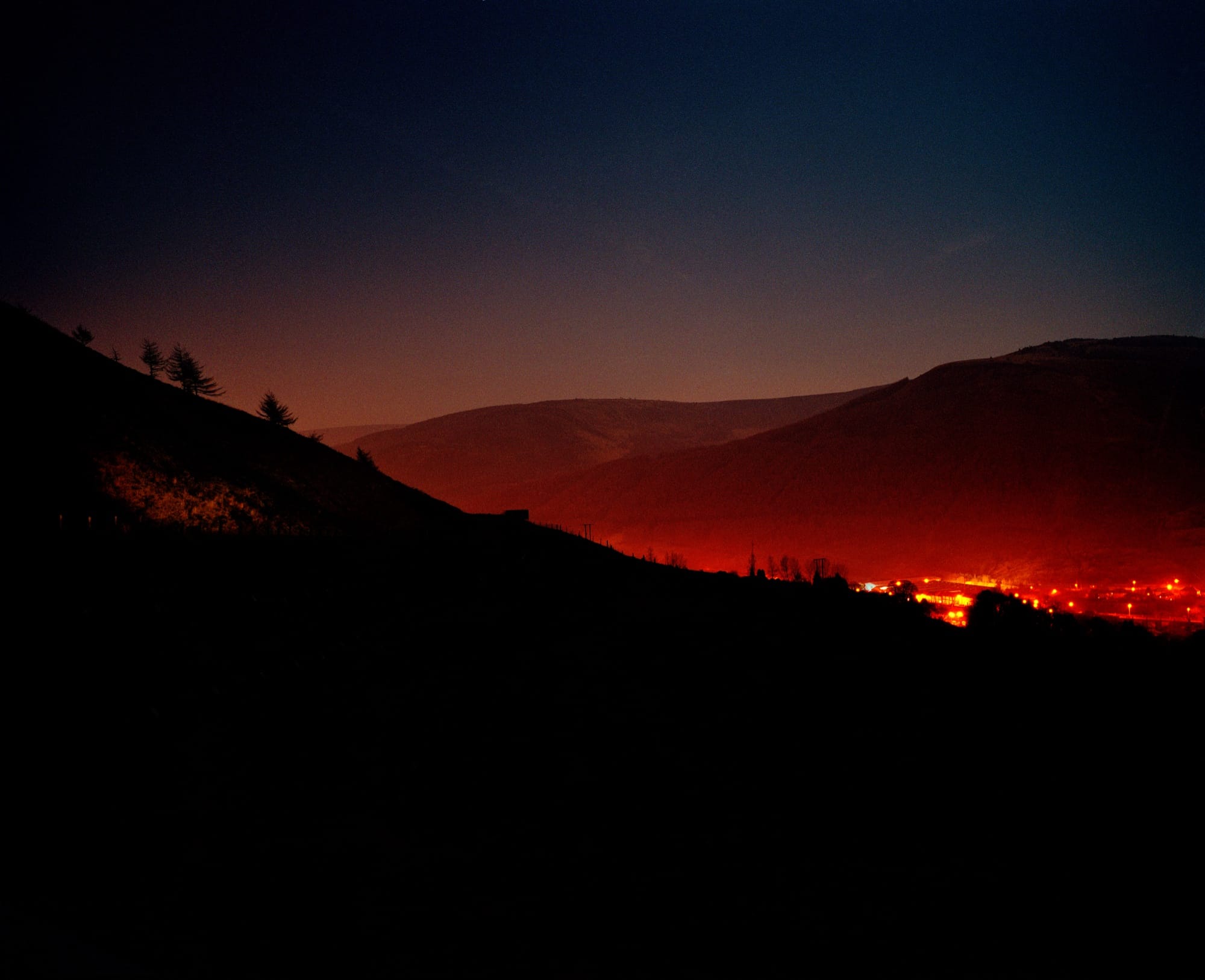
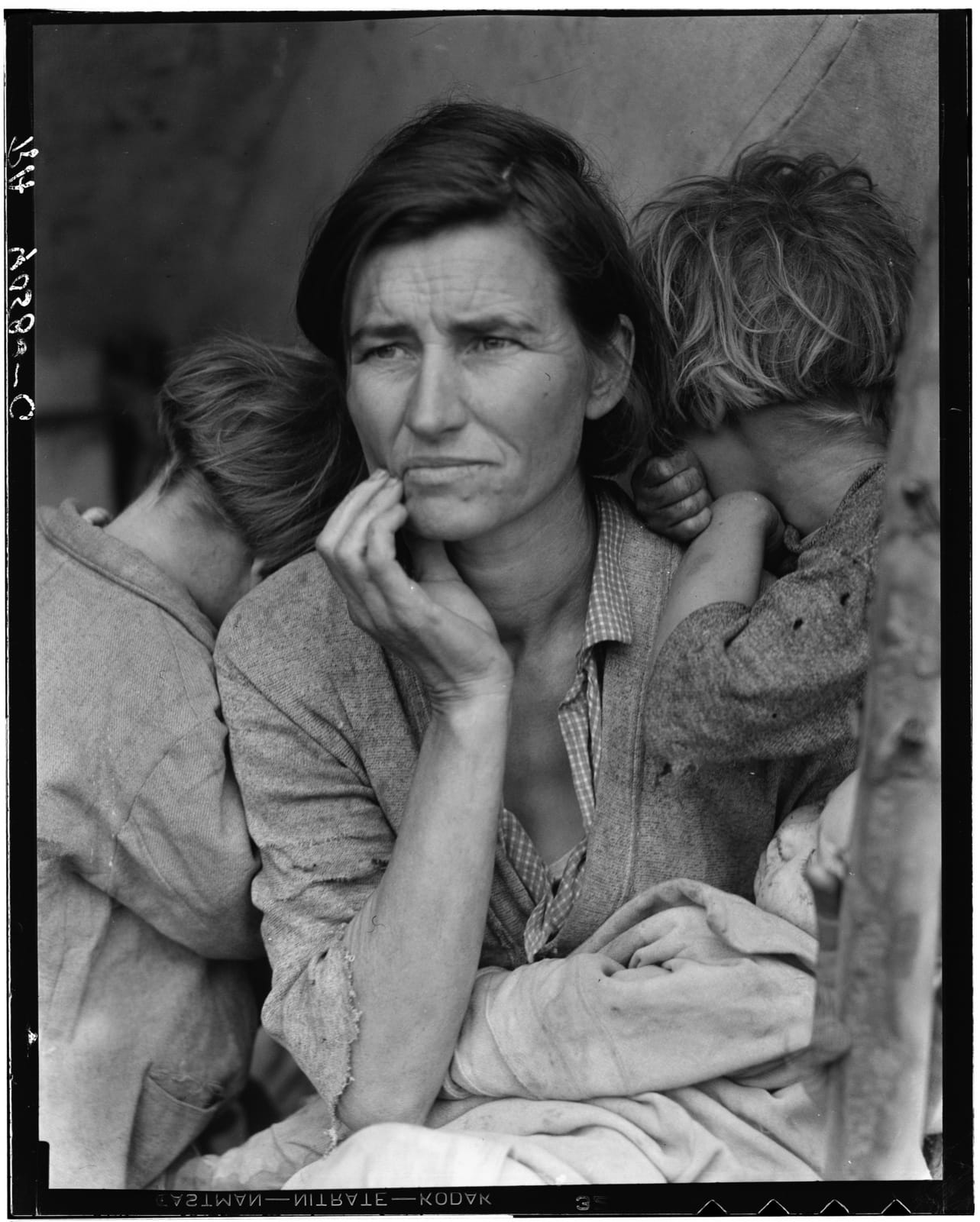
The WPO’s vision was certainly a massive undertaking to overwhelming effect. Housed in four separate buildings and put together by 18 curators, each of the 23 nations was given 100 square metres but rather than arrange the displays in terms of geographic proximity, the flow from one to another is thematically based on scope. From the modernist Paulista School in Brazil during the 1950s and 60s, the subject disappeared in geometric compositions of a never-ending city, shifting to Holland and Belgium, a curatorial response to the end of the romance with 20th century modernism. Australia, in a different way from South Africa, was the stunning visual chronicle of the history of a landmass and the migration of its people. Mexico was a celebration of the baroque in vernacular architecture; the UK and Ireland comprised a poetic essay on the idea of the Sublime (based on the philosophical treatise by Burke in 1757, which also coincided with the beginning of the industrial revolution). In the space belonging to the USA and Canada, there was a multi-faceted portrait of humanism, while Spain and Portugal contended with their shared history of dictatorships between 1926 and 1976, a time when the street became the world stage for Iberian photography. Germany brought images of operatives from the Secret Stasi archives; Hungary and the Czech Republic displayed an astounding variety of styles and approaches in both socially sensitive documentary and artistry. Korea thrived on visual mock-ups of virtual, fantastical worlds and multiple planes of reality, while Japan saw a return to the ancient technique of daguerreotypes though the eyes of Takashi Arai. And for a groundbreaking encounter, France showed the first self-portrait ever to have been taken, ‘Portrait of the Artist as a Drowned Man’ by Hippolyte Bayard, dated 1840.
Zelda Cheatle, renowned for her pioneering work over three decades in establishing photography as an art, was personally chosen by Gray to be the head curator overseeing all the exhibitions. “I remember in the 1970s, when it wasn’t possible to study photography,” she recalls. “I was reading Berger’s ‘Ways of Seeing’ and I was interested in field of photography just being considered. When I began working at The Photographers' Gallery in 1982, all the who’s who came by: Bravo, Klein, Newton, Friedlander. In 1989, I started my own gallery – my last show was Kiarostami in 2005. Then I went independent and here, I’m the curator of curators, the head honcho as I like to call myself.”
“I know the spatiality of things, if something is going to work or not,” Cheatles says. “Great art speaks for itself and all the curators here are so good that it looks effortless – they become invisible. Plus, in the international photography arena, Arabs aren’t really as visible and when you look at what was happening in Dubai for the past 40 years – the establishment of the UAE in 1971 went hand in hand with how analogue photography changed to digital – it gives depth and resonance to the regional context. We see Dubai as a future platform and this museum show shows how Dubai thinks big.”
Part and parcel of the show was the private collection of the UAE’s Crown Prince (Sheikh Hamdan bin Mohammed bin Rashid Al Maktoum), which was shown for the first time and traces the evolution of the UAE from the 1950s to the Trucial states of the 1960s and post-Union 1970s, including works by Egyptian heavyweight Oscar Mitri, in addition to a relatively large representation from other Arab countries.
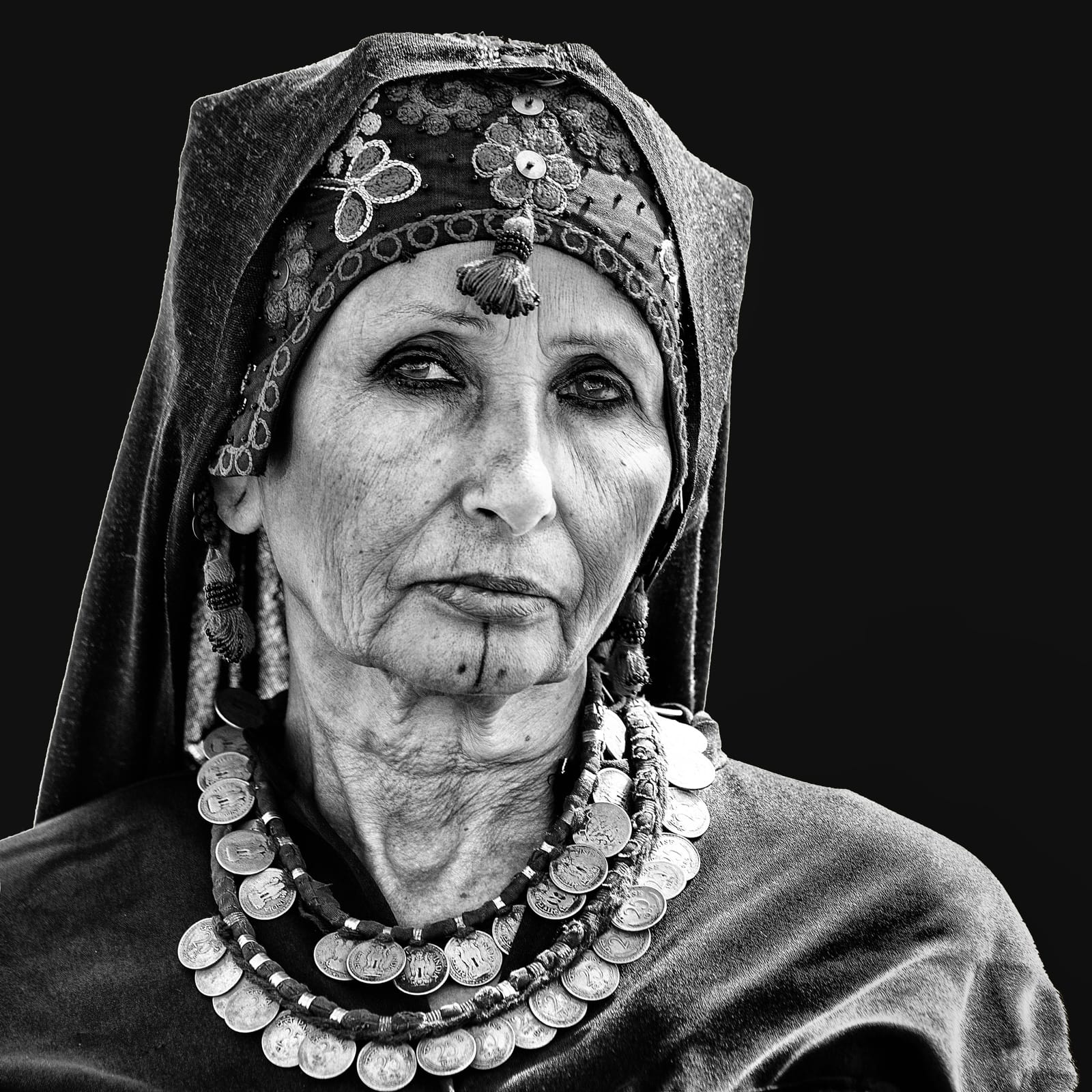
The UAE section was curated by Jassim Al Awadhi, a lecturer in the faculty of Arts at Sharjah University and a long-time advocate for photography in the UAE, who chose several contemporary contributors for the exhibition, which included some striking black and white portraits of women masked in various guises, as well as daily scenes of men playing dominoes. “We are trying to put Dubai on the photography map,” says the Secretary-General of HIPA, Ali bin Thalith, who was actually trained as a documentary photographer himself, and was awarded by the International Photographic Council for his leadership work in the field.
“We decided to team up with WPO a couple of years ago when His Highness wanted to celebrate photography in the city, and make Dubai a cultural hub for it,” continues bin Thalith. He explains how HIPA has its own competition with a grand prize totalling 120,000 USD – this year’s theme was ‘Happiness’ in light of the recently appointed UAE Minister of Happiness – “For our launching theme in 2011, ‘Love of Earth,’ we had 7000 participants; this year we had 32,000 submissions from 173 countries.” He also tells of how they work a lot with children, especially Syrian refugee children in Jordan at the moment, and offers a moving account of the talent they find, such as the girl who took a single picture to describe her life: that of her shoes, frozen in the morning before school.
We discussed the power that a singular image has to change the way the world sees. Indeed, this was perfectly exemplified the Dubai Photography Exhibition. But in the end, even after thoroughly mapping this ode to the medium of photography in the several hours it takes to sift through, only a few vignettes will remain. One of mine was bin Thalith’s depiction of why he got into photography. He explained how mesmerized he was by his mother’s gesturing hands one day, as they sat together after a meal. He reflected on how these were the hands that had laboured, cooked, fed and clothed him and his siblings. So he captured them in a single shot. The result is a strikingly lyrical moment with only his mother’s gnarled hands in focus, an arresting example of the universal language of photography that shows why it is so pervasive as a genre.