SUVs now make up almost 50 per cent of global car sales. That is a staggering figure, made all the more remarkable by the fact that brands with little to no history of building off-roaders now deem it fundamentally important that they enter this prized segment. Think Lamborghini, Bentley, Rolls-Royce and, soon, Ferrari. The more you consider it, the more you realise that credit must be given to the Range Rover, the original SUV, whose story dates back fifty-one years.
For a little context, it was in 1966 that Ford released the Bronco, itself a competitor to the seminal Jeep CJ, or Civilian Jeep. These two rugged off-roaders had been conceived to appeal to those with an interest in farming, ranching or even industry. Land Rover, no stranger to go-anywhere military vehicles, appreciated what Ford and Jeep were doing across the Atlantic and figured it could leverage its own off-roading prowess. Unlike its American rivals, though, Land Rover wanted to create a vehicle that would appeal to more than just farmers.
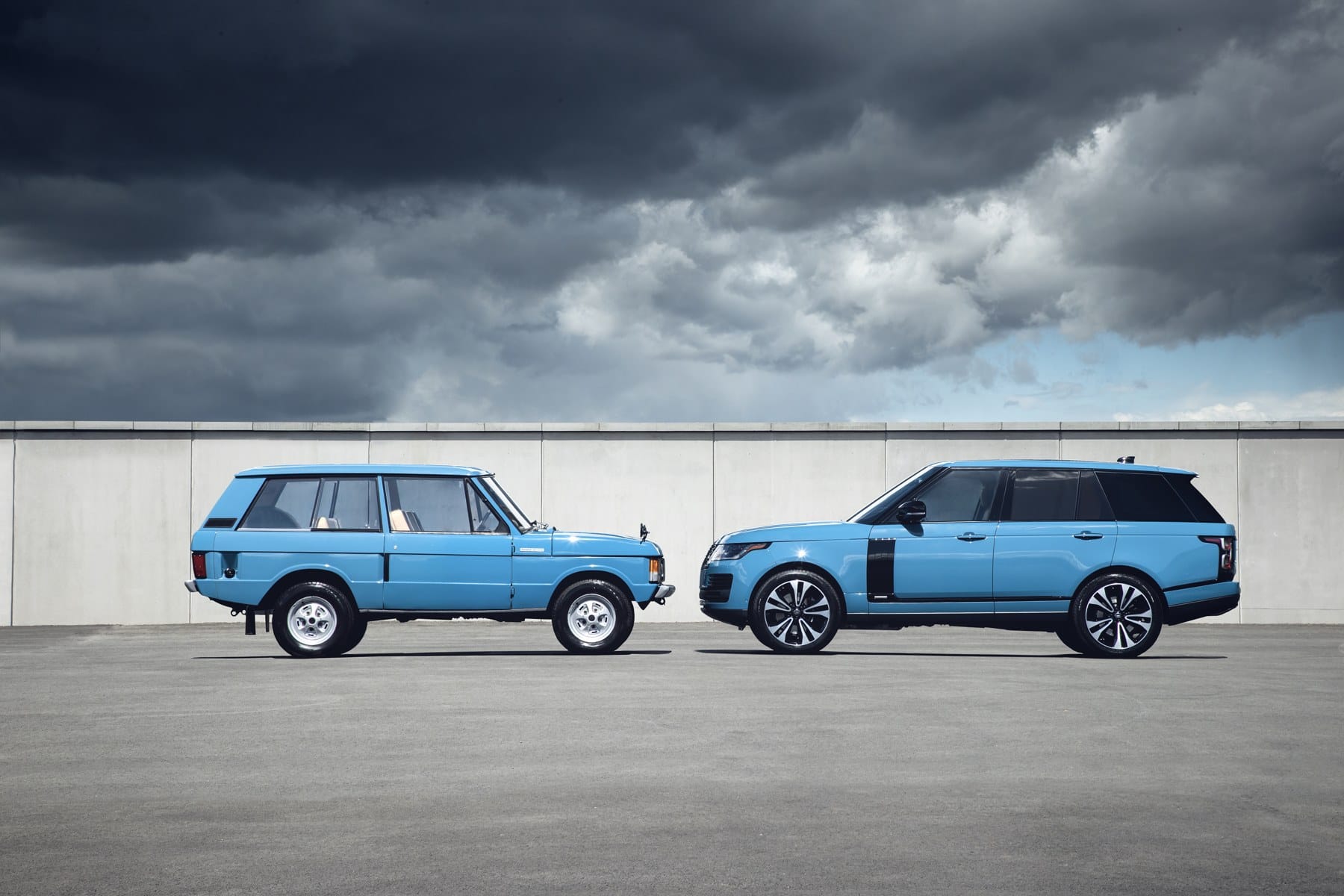
Four years later, the first Range Rover was born. To say it was a game-changer does not do it justice. This was a car with a truly inspired mechanical design: an immensely strong chassis built to a box-section ladder-frame design, an extraordinary amount of ground clearance, a smooth V8 with formidable low-end torque and, best of all, an ingenious suspension set-up. The result was a well-appointed, easy-to-use, all-terrain vehicle with outstanding traction and surprising comfort. So good was the final product that it stayed in production for twenty-six years.
Of course, tweaks were made along the way. In 1981, a four-door version was launched. In 1986, a diesel engine was offered as an option. As every model year came and went, extra accoutrements were added, until by the time the second-generation model arrived in 1994, the Range Rover was a bona fide globally recognised luxury brand. In that same year, BMW acquired the company. The new car did not adequately impress the Germans, however, so they kept Mk1 production running alongside the Mk2 for a couple more years while they set ambitious new goals for the third-generation model.
Unfortunately, BMW never got to enjoy the fruit of its labours, because in 2000, just as the Mk3 was about to launch, it sold Land Rover to Ford. The hard work had paid off, though. When the third model finally arrived in 2001, it was light years ahead of the competition. Not only was it more capable than ever, both on and off road, but the fit and finish was better, the exterior sharper and the interior so smart it was often compared to that of a Rolls-Royce. Funnily enough, when BMW later bought Rolls-Royce and launched the Phantom, it used much of the same team that had designed the Range Rover Mk3.
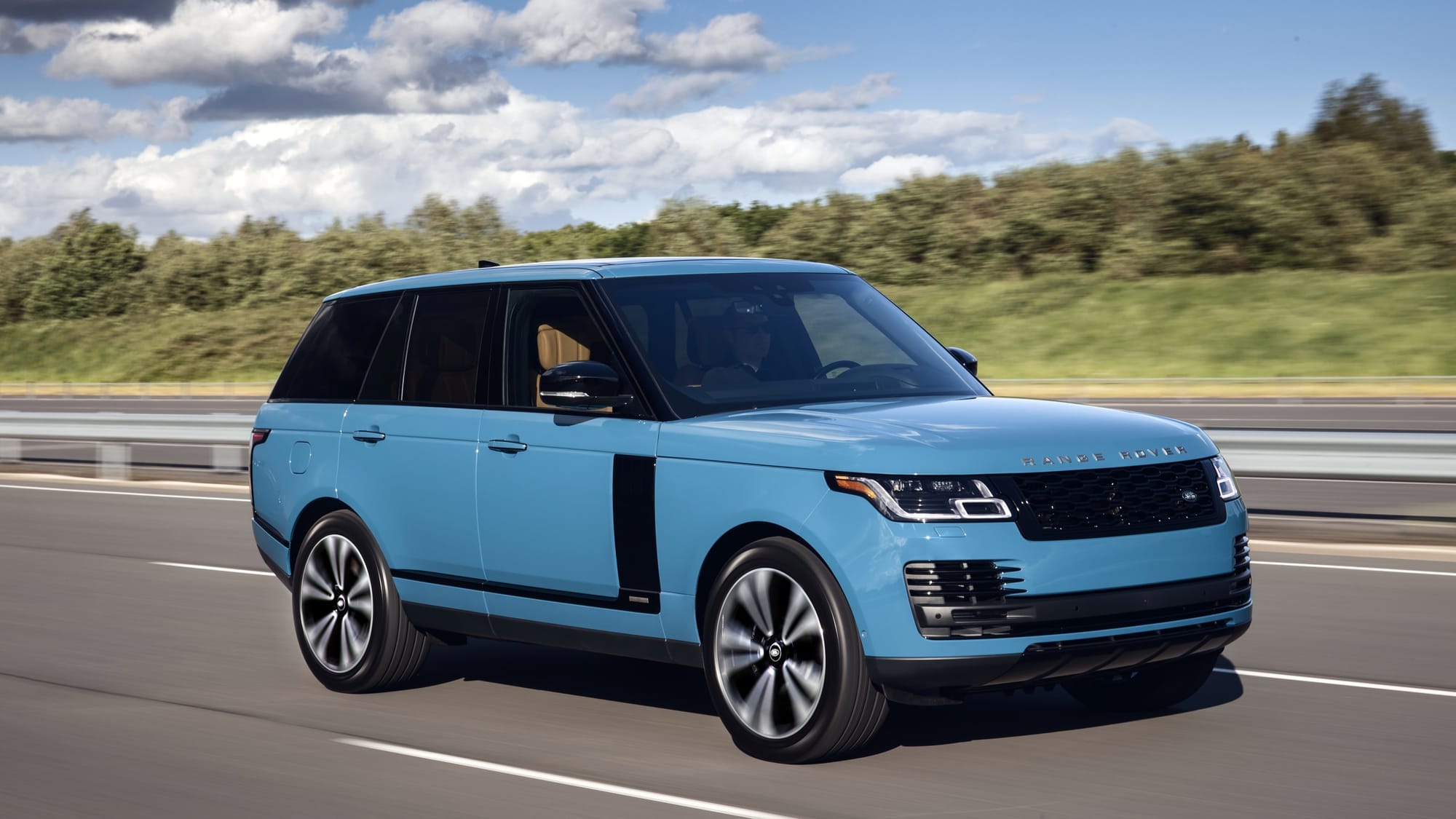
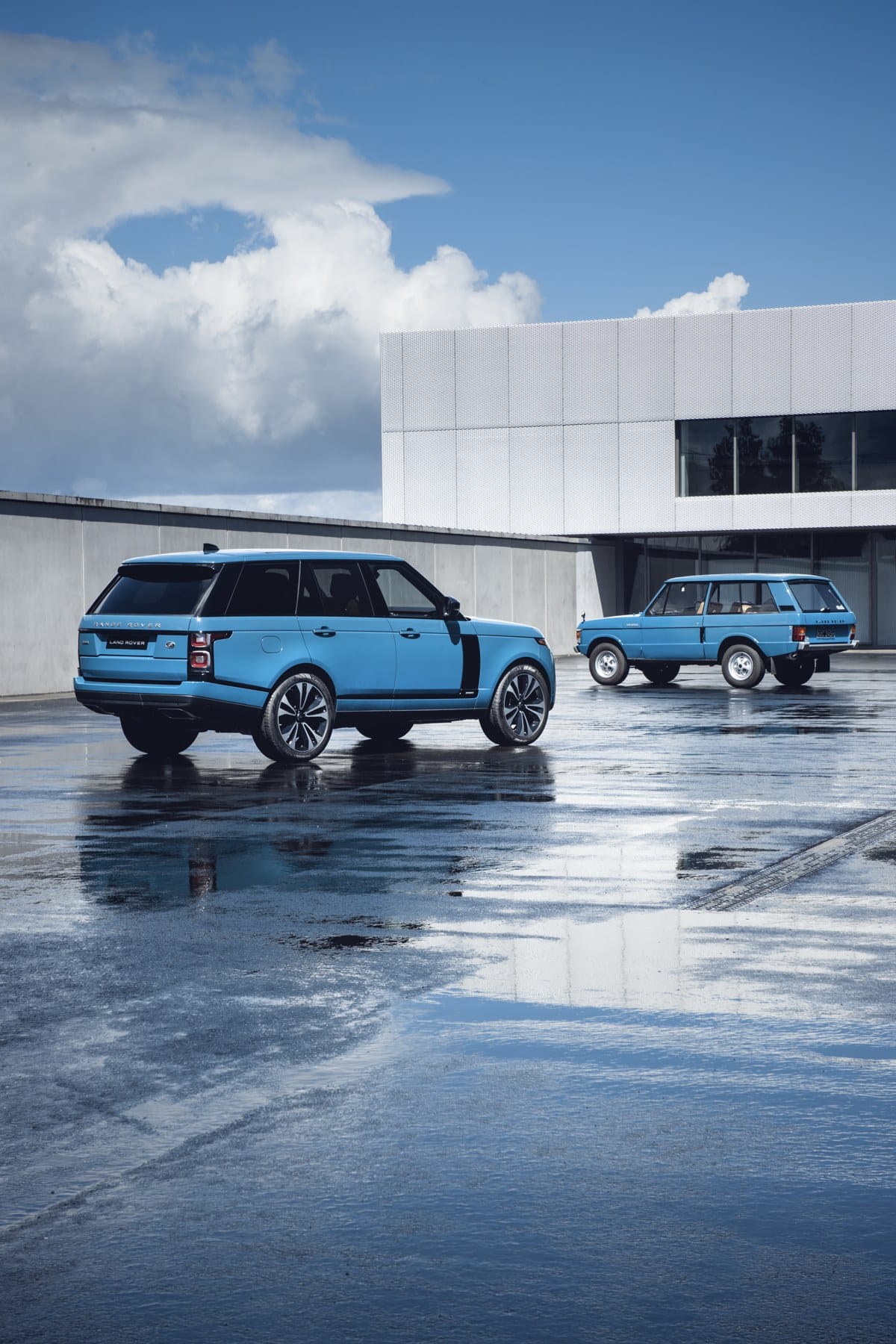
All of which brings us to the latest Rangie. This one began production in late 2012 and received a facelift in 2018, but it is the 2021 Range Rover Fifty that will see it over the line, as it is essentially the Mk4's last hurrah before it is culled and replaced by an all-new model after the summer. Land Rover says it will build only 1,970 examples of the Fifty, available in standard- or long-wheelbase form with petrol or plug-in hybrid powertrains.
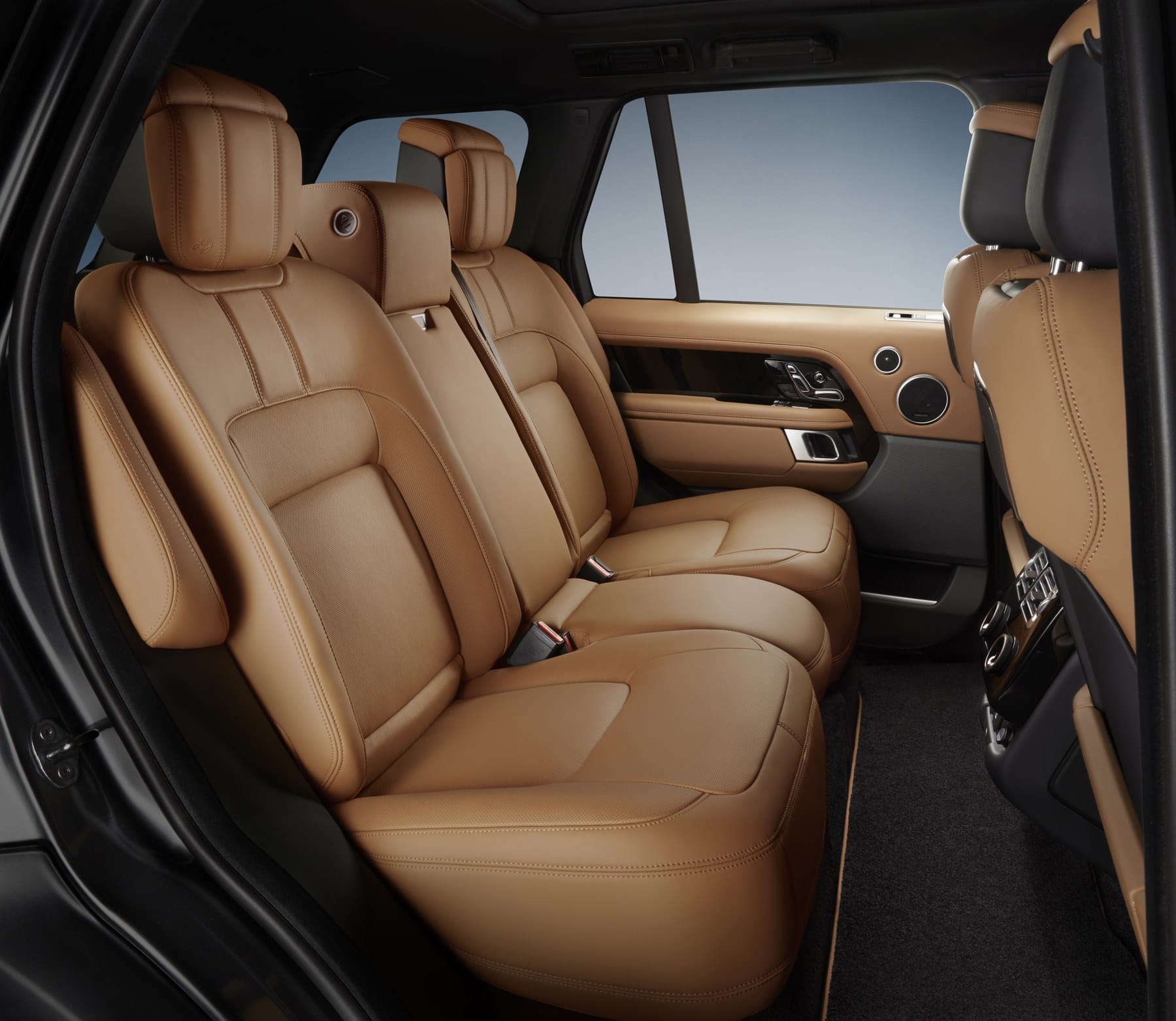
Special upgrades include unique 22-inch wheels and plenty of badging. You will find a Fifty script on the exterior as well as on parts of the interior, including the sill plates, dashboard and headrests. It also appears on the commemorative plaque that notes the model's special nature. Since the limited edition is based on the Autobiography trim, you will also find a wealth of premium features, including 24-way heated, cooled and massaging front seats and executive heated, cooled and reclining rear seats.
The best part of the Fifty, though, is of course its colour options. There are four ordinary ones (grey, red, goldish silver and black), but there are also three solid heritage colours that match the exact hues available on the 1970 original. Our favourite is the Tuscan Blue, which you see here. We think it is a fitting way for the Mk4 to bow out.
What improvements will Land Rover bring to the car when it launches the Mk5? Off the top of our heads: weight-saving, a better infotainment system and, perhaps, a full-EV option. We cannot wait to find out. It won't be long now.