The tiny country of Kuwait, with its population of just 2.9 million residents, may be best known for having six per cent of the world’s proven oil reserves but it also has, what would be appear from outside to be, a thriving art scene with over 30 art galleries. Dig a little deeper however and you’ll find the vast majority of the works sold by those galleries are globally sourced and, as a result, home-grown talent has struggled to emerge.
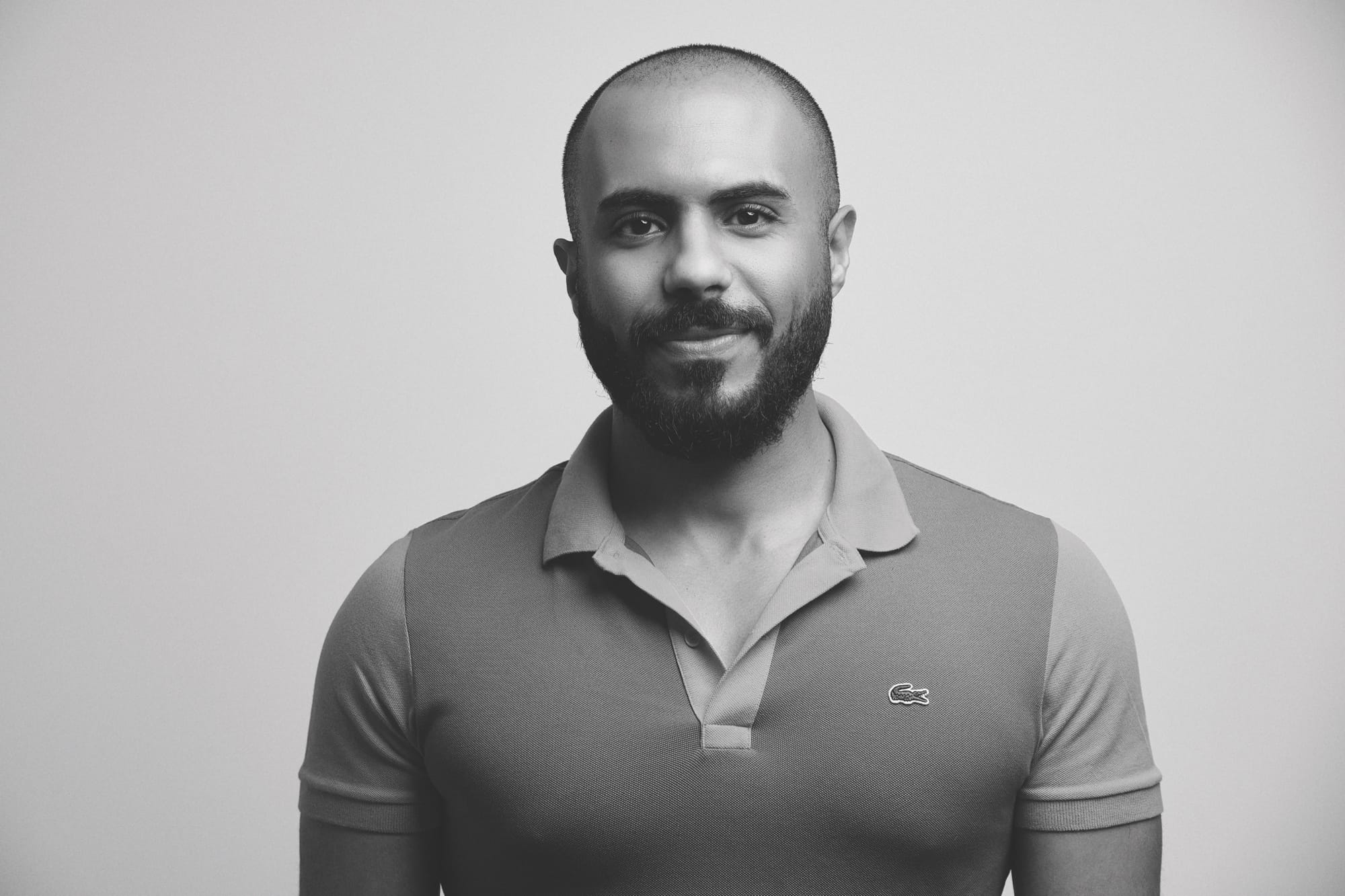
Khaled Alnajdi is a perfect case in point. He’s a self-taught painter who works with a mix of acrylic, pastel, pencil, charcoal and ink, creating tortured subjects with both colour and depth. Yet he’s also a banker with a degree in finance.
“In Kuwait people are beginning to recognise art right now, but from the beginning nobody really cared because in our country it’s not a career, it’s something you like to do,” explains the artist who credits his lucky break to the fact his family encouraged him to start posting images of his works on Instagram.
Nevertheless, Alnajdi is now one of six artists from the Sheikh Abdullah Al Salem Cultural Centre/ASCC’s inaugural ‘Artist in Residence’ programme (which only just began in September last year) who have been been chosen to represent their country in Venice in an exhibition called ‘Heart of Culture: In My Dream I Was In Kuwait’. Held at a small workspace-turned-gallery called the Scuola dell’Arte dei Tiraoro e Battioro, where artisans used to pound gold leaf, it signals Kuwait’s first big leg-up to home-grown talent.
“The exhibition does not seek to provide a portrait of the Kuwaiti art scene that has often served to satisfy a curiosity inclined towards the ‘exotic’,” say curators Francesca Giubilei and Luca Berta of Venice Art Factory in their curatorial statement. “Instead, it presents the plurality of the artistic practices from these six artists.”
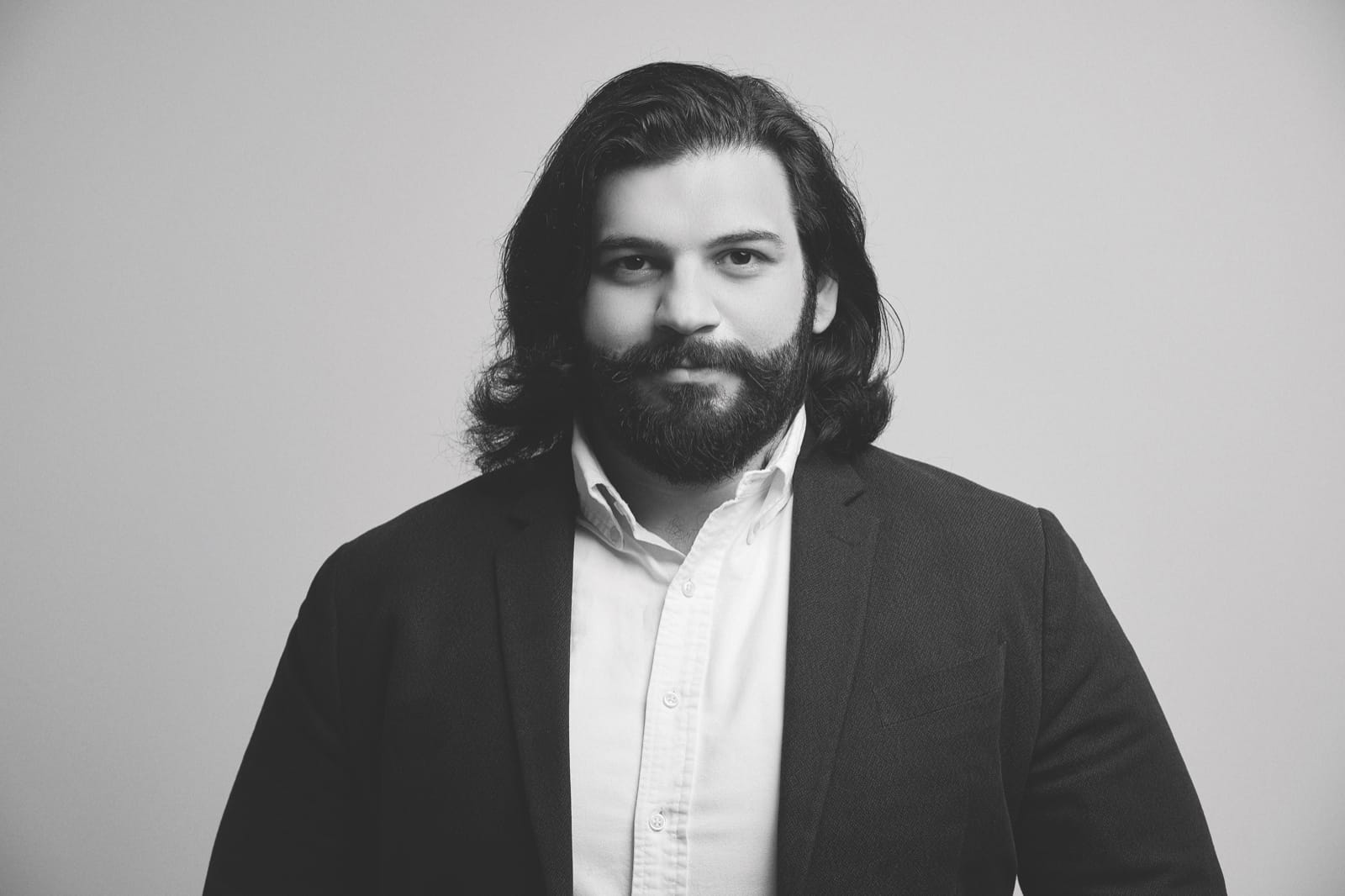
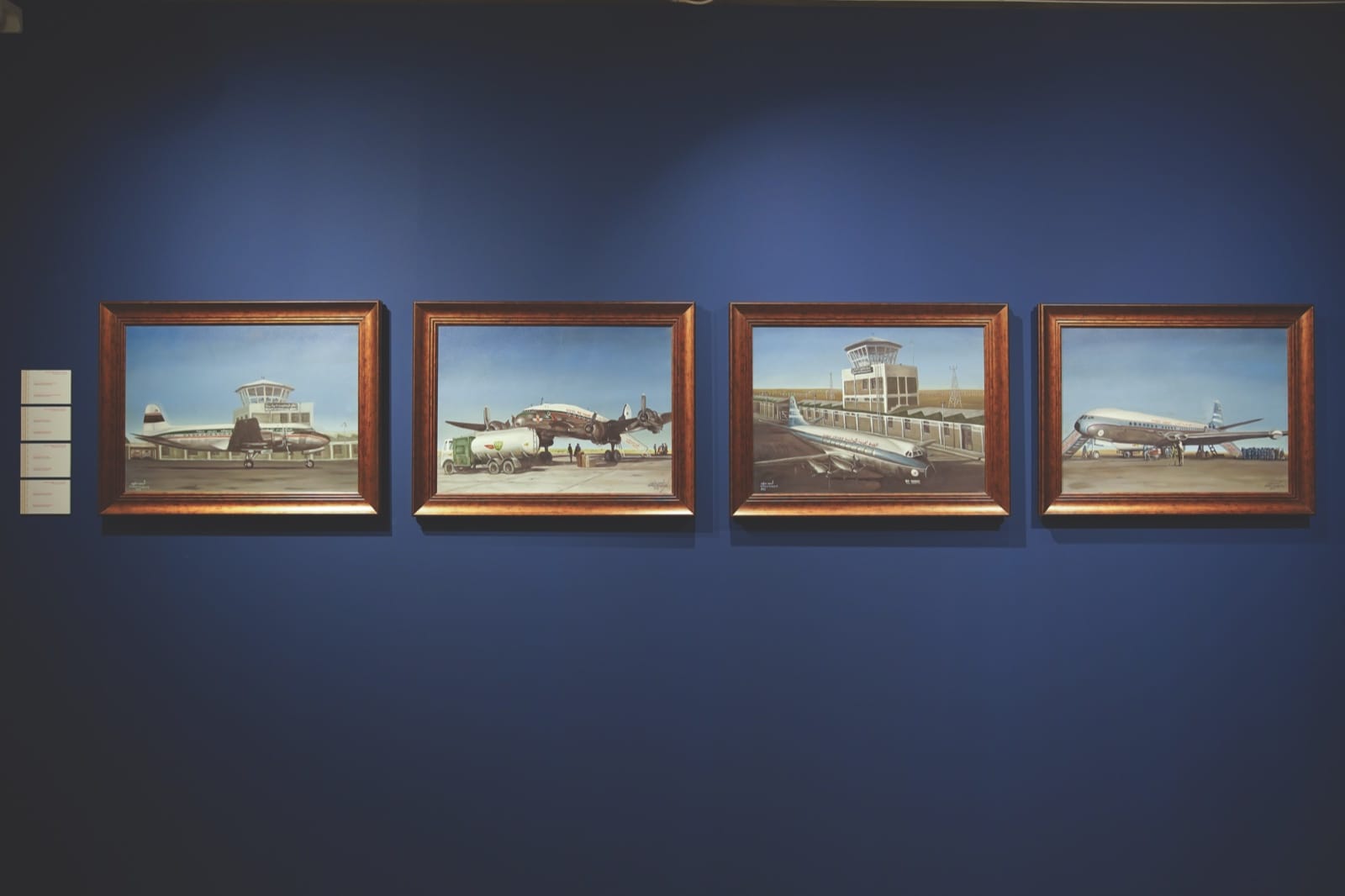
In other words, what these two highly skilled Italian curators have sought to share is narratives from Kuwait, as told through each artist’s preoccupations rather than create an all-encompassing show of “what’s next” in terms of the country’s contemporary art. For example, Ahmed Muqeem’s works – portraits of Kuwait’s past leaders rendered in charcoal on paper, as well as a series of paintings chronicling the development of the country’s international airport – reveal the artist’s patriotic sentiments, blurring the lines between historical documentation and personal memory.
On the other hand, Alnajdi’s paintings give us a glimpse into his psyche, but also his perception of Kuwaiti society. On the surface, ‘Women at the Balcony’ seems to be a nostalgic take on Kuwaiti society from the 1960s, depicting a row of vibrantly painted women deep in conversation but there’s more to it than that. “They’re gossiping, having fun, laughing, but if you see them, they don’t have expensive watches or things,” he says. “They don’t have mobiles. They gather and they socialise, and you can see they are happy.”
It turns out like Alnajdi, Muqeem also has a “day job” and it was through his work in civil aviation – he works in public relations at Kuwait International Airport – that his boss there gave him his first commission in 2013, to fill wall space in Terminal 1.
“The president said ‘we want to put something there, we don’t want to leave it empty,” recalls Muqeem. “So I came up with an idea for the history of the airport.” The colourful, fluid renderings of Kuwait’s aviation history, along with charcoal drawings of sheikhs dating back to the 1800s, trace the journey of a country, symbolising the current desire to open up to the rest of the world.
Interestingly, the ASCC Artist in Residence will go beyond this exhibition and offer the Kuwaiti artists the chance to study alongside Venetian masters, learn old weaving techniques on traditional looms; study glassmaking in Murano’s fiery workshops and attempt the nimble precision inherent in the painstaking work of mosaics. Indeed, the programme will continue to unfold over the next year and they’re even working on bringing contemporary Italian artists to Kuwait for a reciprocal exhibition. Still, this current exhibition is well worth a visit if you’re in Venice, and it runs through November 1st.