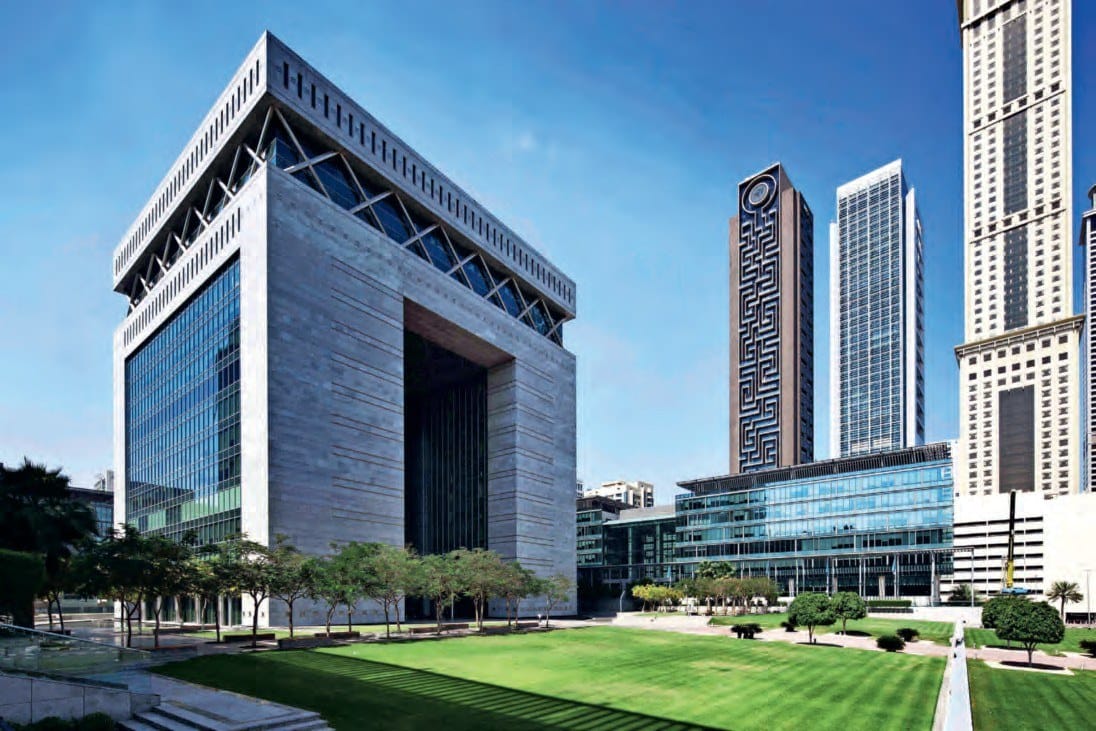
Held over five days from 16th November last year, the third annual edition of Dubai Watch Week was by far the biggest and best yet. With a new and improved itinerary, a fresh positioning under The Gate at the DIFC rather than in the art galleries district, and an even more impressive roster of international speakers and industry insiders offering their expertise through horological debates, exhibitions, creative hubs, premières and master classes, there really was something to interest all age groups and technical proficiencies.
Though it has grown a little more commercial than when it began, what really sets the event apart from any other global watch gathering is the insider story-swapping. In a way, attending the talks here is like the ultimate all-access pass to a G8 summit, only instead of state leaders you get titans of the watch world. Sadly, the organisers, Ahmed Seddiqi & Sons, have informed us that the week is set to become a biennial event, and with Expo 2020 approaching they may delay the fourth instalment until 2020. Let us hope they have a change of heart.
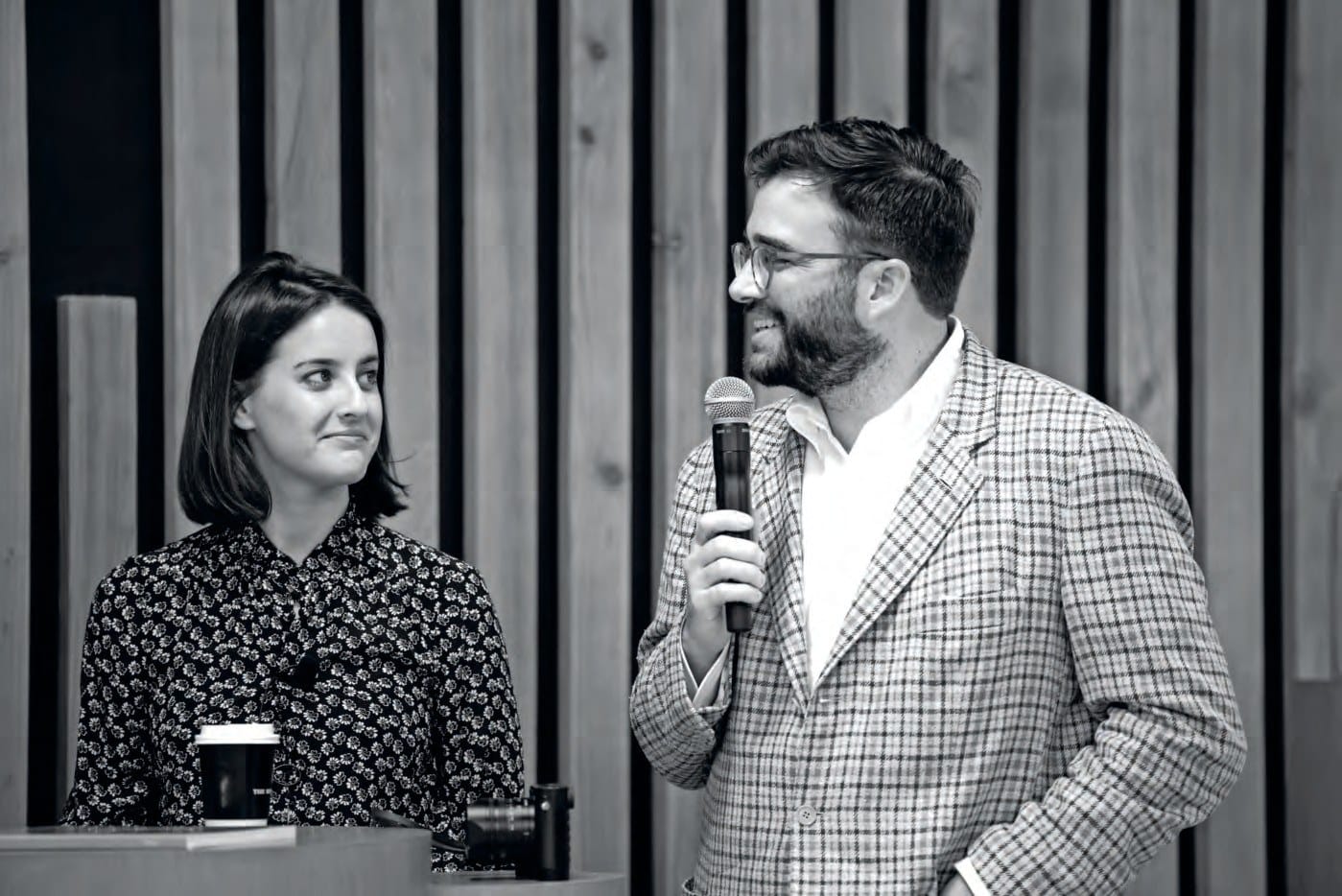
The question of watch etiquette dominated one creative hub. "There are no more rules when it comes to sporty versus classic watches," said Mohammed Seddiqi, Chief Commercial Officer of Seddiqi Holding. "I have friends who wear Richard Milles with dinner suits and that's fine." Yet while men's dress watches can run the gamut from minimal to all-out flamboyant, the latter should still expect a little controversy. "There are some watches that make sense with diamonds, and others that don't," he continued. "Focus on what you like," added his cousin Hind Seddiqi, the firm's Vice President of Marketing, "and let it reflect your personality."
Fakes proved the elephant in the room at another forum. Far from being the stuff of shady peddlers, high-quality replicas now sell for thousands and can fool even the most trained eye. Dubbed "superfakes" by insiders such as James Lamdin, founder of vintage retailer Analog/Shift, these copies are made to a far higher standard. "You actually have to crack one of these open and have an expert look at the movement," he admitted. Mohammed Seddiqi recalled a friend who knowingly brought a counterfeit in for repair: "I sent it to the company, they kept it for six months, sent it back and no one ever noticed." The rule of thumb, the panel agreed, is that if a price seems too good to be true, it probably is.
Children were not left out. A workshop aimed at those between eight and fifteen taught the mechanics of an auction, from choosing sellable objects and photographing them to estimating values, building a catalogue and casting votes for the winning design. Nick Martineau, a Christie's specialist in topographical pictures, then played auctioneer to a room of cut-throat youngsters with no budgetary limit and every intent to outbid their rowdy competitors. They may hypothetically have spent more than their allowances, but they also learnt some valuable skills.
Ownership carried its own lessons. At a forum titled "The Aftermath of a Purchase", Gianfranco Ritschel of the Fondation de la Haute Horlogerie argued that after-sales service must be an integral part of the watch experience. The panel reached a rare unanimity in recommending that every mechanical watch be returned to its maker every two years for a check-up, polish, clean and fresh lubrication.
The week also celebrated horology's enduring icons. Christie's Head of Watches, John Reardon, named the 1942 Patek Philippe Perpetual Chronograph 1518 as the single most iconic watch ever made, arguing it literally redefined design. Other nominations included Omega's 1957 Speedmaster, worn on the Moon; the 1972 Audemars Piguet Royal Oak, which elevated stainless steel; and the 1963 Rolex Daytona, still the most regal stopwatch ever made. "An iconic watch should break some rules, be recognisable, stay relevant, inspire others and be groundbreaking," explained Pascal Ravessoud of the Fondation de la Haute Horlogerie, with F.P. Journe and H. Moser & Cie cited among modern contenders.
Several houses used the platform to make their case. Bulgari showed the Octo Finissimo Automatic, touted on its Baselworld debut as the world's thinnest automatic watch, its movement a mere 2.23mm thick, though Piaget would soon reclaim the record by removing the baseplate from its Altiplano. MB&F brought the spirit of its M.A.D. Gallery, where founder Maximilian Büsser insists the point "is absolutely not to sell anything" but for people to leave believing that mechanical movements can be art. H. Moser & Cie, revived in 2012 by the Meylan family with a provocative, logo-free identity, surprised everyone by exhibiting the Endeavour Tourbillon Concept, released only days earlier.
There was also a changing of the guard. Little suggested that Laurence Nicolas, the former President of Dior Fine Jewellery and Timepieces, was on her way out as she lit up the Designing Time forum, declaring she would "get rid of the glass" because it limits creativity for couture watches. Less than a month later she was named Executive Vice President and Global Managing Director of Jewellery and Watches at Sotheby's, a newly created post the auction house describes as sitting "at the junction of two of our fastest-growing categories".