Many don’t know it but the Emirate of Abu Dhabi is archipelagic, with nearly 200 natural islands strewn along its coast. Some of these are already well known: there’s Yas Island (the emirate’s sports and leisure centre), Sir Bani Yas (a nature sanctuary at the heart of Desert Islands – Bespoke Issue 18), Bu Tinah Island (part of the Marawah Marine Biosphere Reserve), and Saadiyat Island itself (the Emirate’s hugely ambitious luxury leisure and cultural destination).
Once again Abu Dhabi’s TDIC (‘Tourist Development and Investment Company’ is an independent public joint stock company of which Abu Dhabi Tourism Authority is the sole shareholder) is the name behind the development with the aim this time being to create a world-renowned cultural, touristic and financial centre. Indeed Saadiyat Island is the cornerstone of Abu Dhabi’s plans to become the Middle Eastern cultural and financial leader.
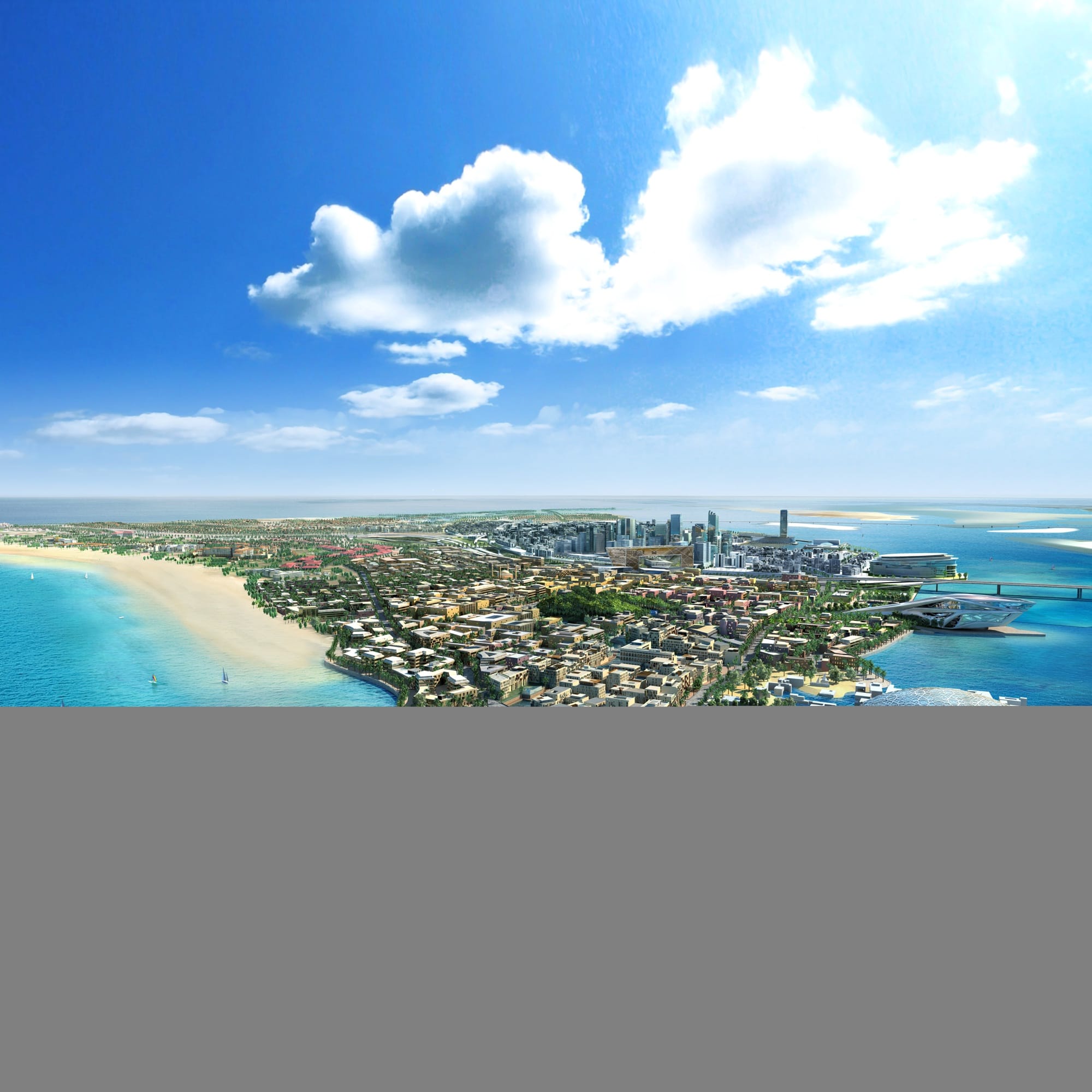
Located just 500 metres off the coast of Abu Dhabi, the island will be connected to Abu Dhabi by two ten-lane causeways. Abu Dhabi may not have the history that is normally associated with culture, but it does have the money to buy into culture, and that is precisely how the Emirate plans to go about its business. While Dubai may have spent the last ten years grabbing the headlines, Abu Dhabi has been busy getting its head down and planning a sustainable and thriving future. “Each TDIC project is designed to live up to the company’s core values of environmental sustainability, progressive partnerships, cultural stewardship and enhancement and socio-economic viability. In that light, Saadiyat Island is at the forefront of Abu Dhabi’s vision to become a global capital city,” said Sheikha Mahra Al Qassimi, senior communications manager for Saadiyat.
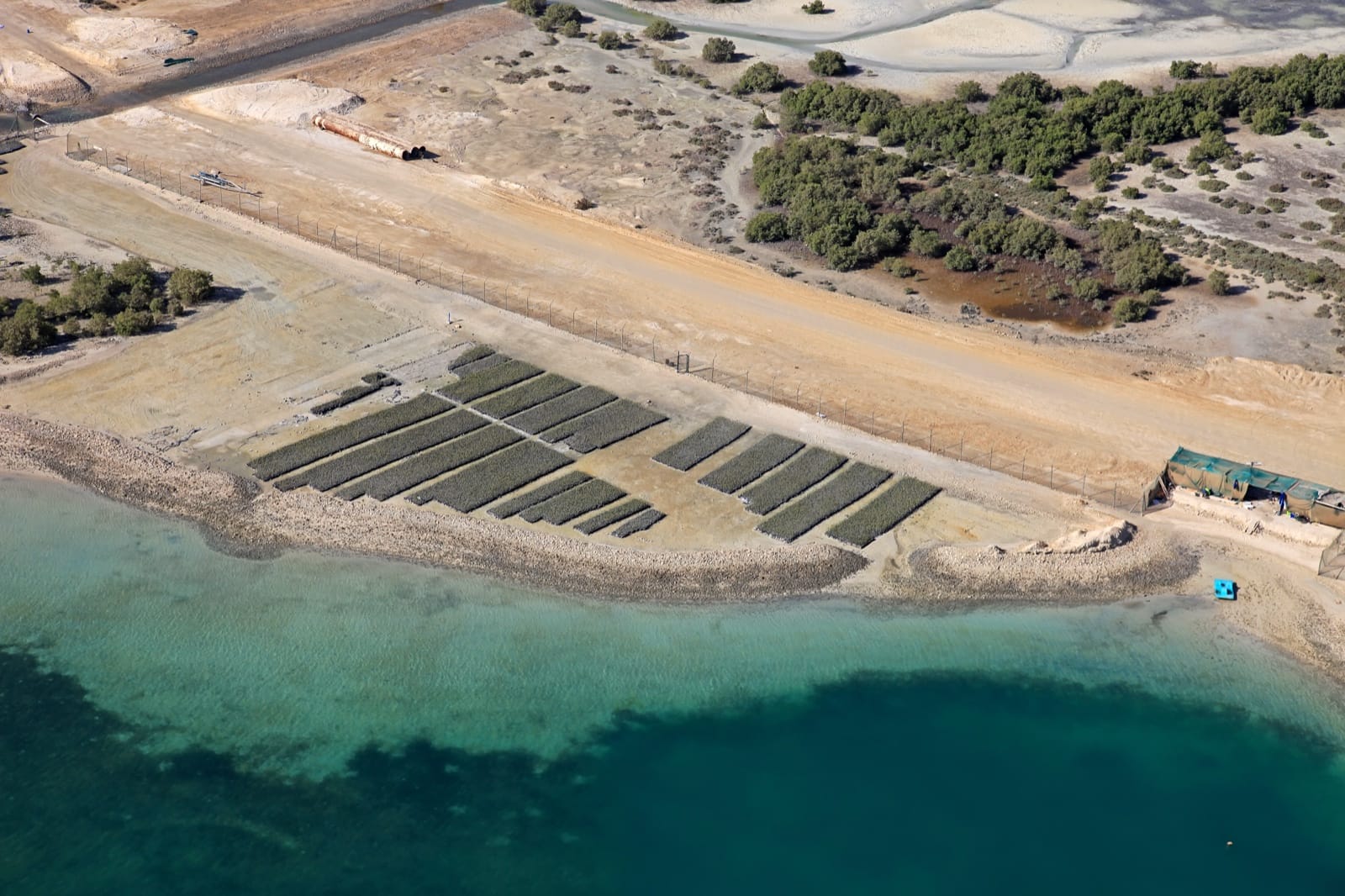
The 27 billion USD Saadiyat Island project (which translates as 'Island Of Happiness') has already managed to lure such international heavyweights as the Guggenheim, Louvre, and New York University to its shores and that roster will undoubtedly increase as we near the development’s completion date of 2018. All three will be centred in the Cultural District, one of seven distinct neighbourhoods. The Cultural District is in fact replete with major cultural institutions designed by internationally renowned world-class architects. Already announced are the Sheikh Zayed National Museum by Foster + Partners, the Modern Art Museum (The Guggenheim) by Frank Gehry, the Classical Museum (The Louvre Abu Dhabi by Jean Nouvel), and finally the Performing Arts Centre by Zaha Hadid. “This is not just about tourism; it also has global cultural dimensions,” Mubarak Muhairi, the director general of the Abu Dhabi tourism authority, said. “We believe the best vehicle for crossing borders is art. And this region is in need of such artistic initiatives.”
Aside from these exciting attractions the district will have a city-facing quayside, a 7-star hotel, a number of exclusive villas, retail shops of all kinds, harbours and green parks. Lastly, New York University (NYU Abu Dhabi) is opening a study-abroad campus within the Cultural District of the island that is expected to open later this year. The goal is long term according to Sheika Mahra Al Qassimi, “These alliances serve as a multi-generational investment in education, which will later open up doors to new professions within these fields.”
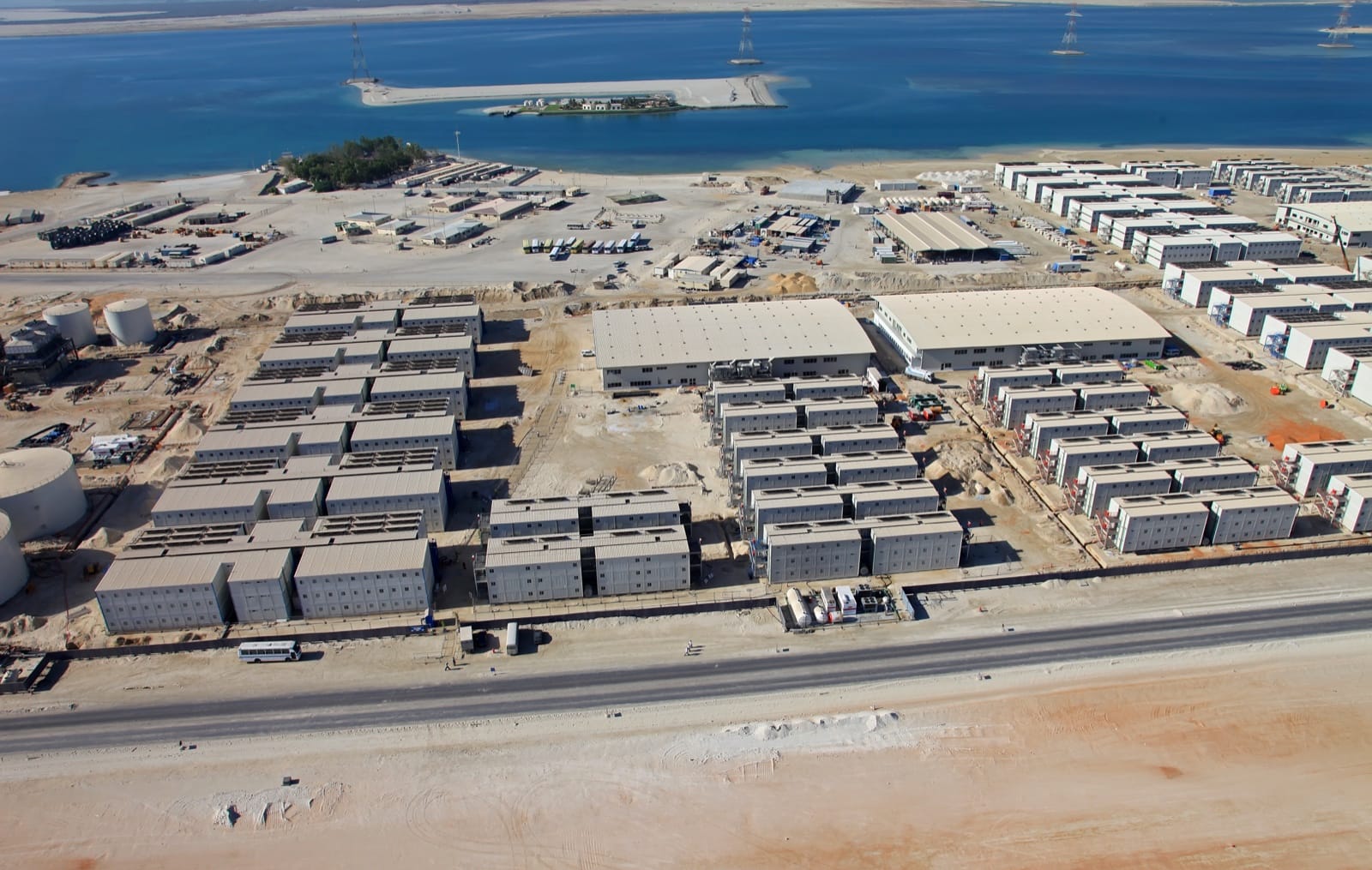
But Saadiyat Island isn’t just for the culture vultures and would be students, there’s also impressive work going on a number of different levels, starting with conservation and tourism. The key to the environmental efforts is the creation of three distinct regions, Saadiyat Beach, Saadiyat Lagoons and Saadiyat Reserve. All three are home to natural marine habitats and focus upon the maintenance of the ecosystems found therein. “Master planning on the Island has incorporated designs to reduce impacts to key island habitats, namely mangrove and wetland areas, as well as the Saadiyat Beach dune system. TDIC has also undertaken measures to protect existing archaeological or cultural heritage features on the Island,” says Sheika Mahra Al Qassimi.
Aside from the cultural and environmental aspects the island will also serve as a major commercial hub for Abu Dhabi. Saadiyat Marina will be the site of wide ranging commercial activities, “This is the island’s commercial and retail heart, housing over three million square metres of commercial office space. It will be home to local and international business, as well as urban apartments, fashionable clubs, upscale hotels and elegant waterfront restaurants and will offer the ultimate waterside lifestyle,” claims Sheika Mahra Al Qassimi. With berthing for more than 1,000 vessels and residential areas, Saadiyat Marina will add a vibrant, living core to the project. Tying back into the cultural theme of the island, the Marina will be the site of a maritime museum, designed by Pritzker Prize winning architect Tadao Ando.
The final aspect of Saadiyat Island is its residential opportunities. With plans to house an estimated 150,000 people, the development is certainly bold. A variety of options will be available to residents, but the overarching theme will be one of family and security. The focal point of the residential developments is the Saadiyat Promenade. A new take on the corniche, the Promenade will be the heart of the downtown area. “A vibrant mix of contemporary apartments, boutique hotels, stylish shops, modern cafes and restaurants this is fringed by a stunning beachfront and picturesque boardwalks,” enthused Sheika Mahra Al Qassimi. Designed with young couples and children in mind, it’s hoped that the Promenade will not just appeal to residents of the island but to day-trippers from Abu Dhabi as well.
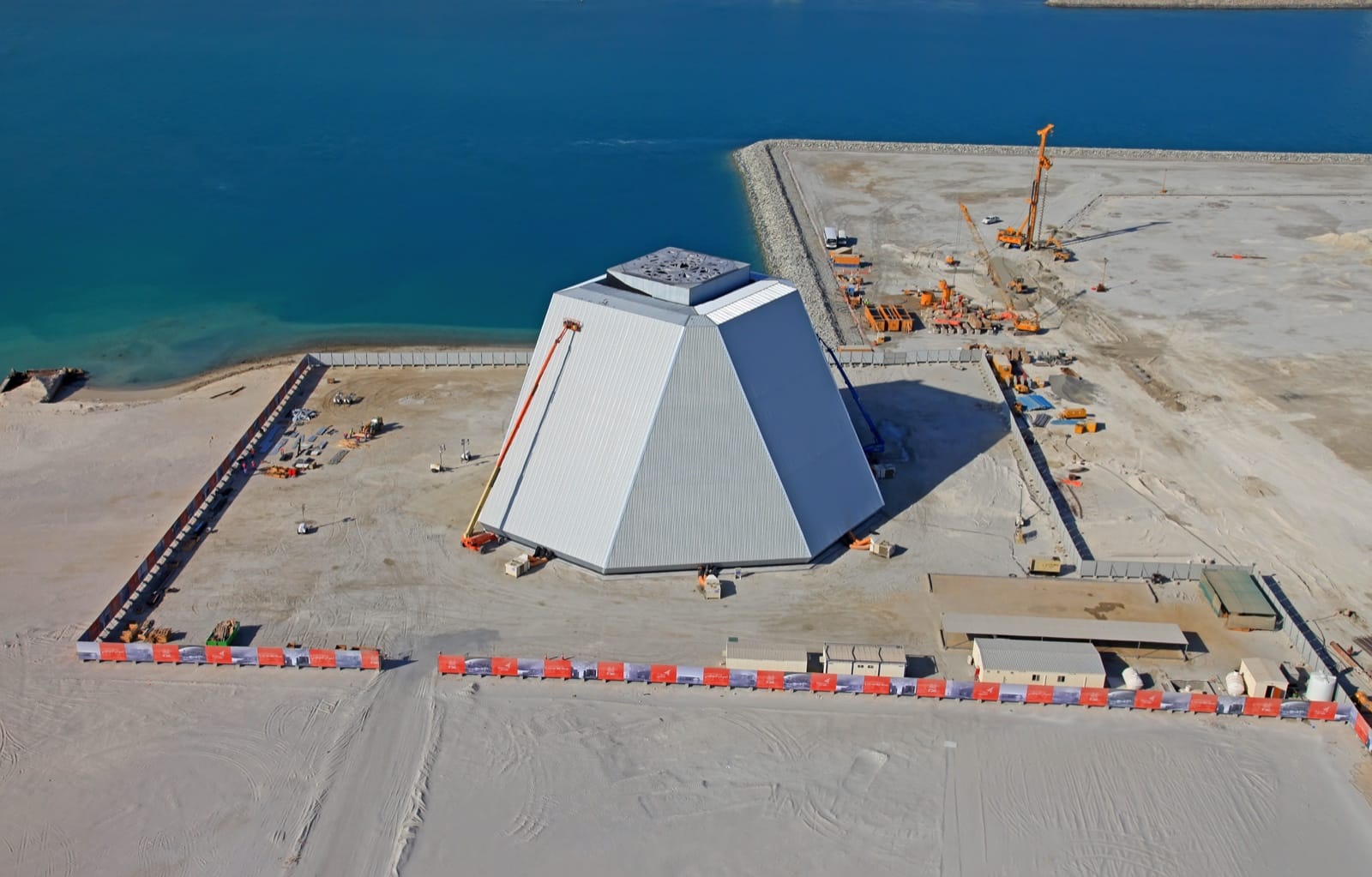
If completed according to plan, Saadiyat Island will be the world's largest single arts-and-culture development project by some margin. Though there will of course be rather particular issues concerning the display of Western art including concerns about the way women are allowed to be shown, Saadiyat Island will certainly be a bridge between the cultures of the West and the Middle East. After oil booms in the 1970s and 1980s in which Arab governmental proceeds were not always used wisely, Abu Dhabi is showing the way in looking beyond traditional real-estate projects to efforts that will help make its Emirate stand out on the world stage. If that is achieved then this island will be a happy one indeed.