It’s a pretty special experience when a polar bear of any size, let alone a particularly curious adolescent male, comes plodding over to say hello. It’s also a rather daunting one, and I start wondering if the 5 metres of icy water that separates our Zodiac RIB and his giant paws is quite enough, but I don’t dare take my eye from the viewfinder and my finger from the shutter button.
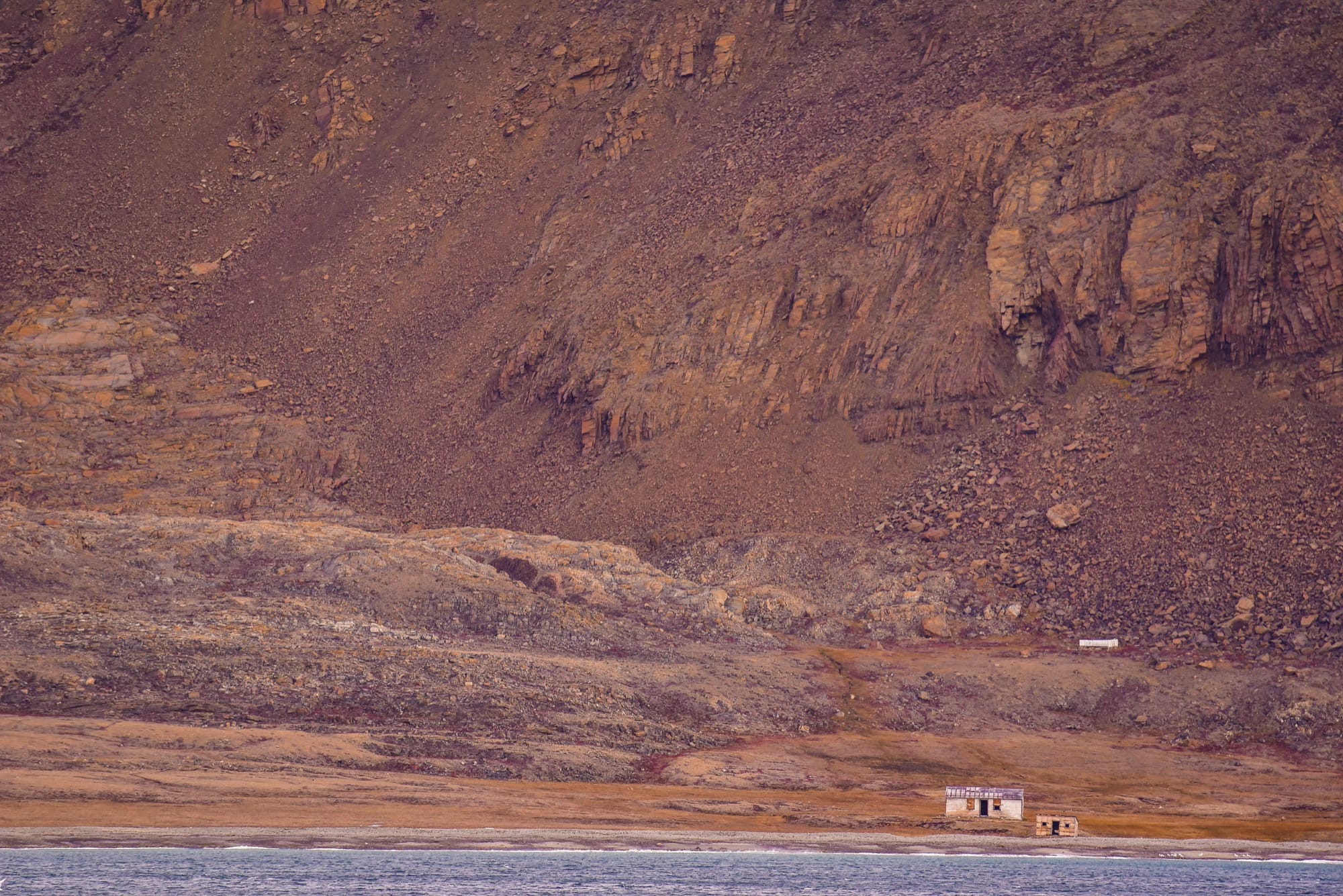
It’s the second day of my expedition through the Northwest Passage, a fabled 1,500 kilometre shortcut between Europe and Asia across the roof of North America, and we’re spending it in a desolately beautiful locale called Cunningham Inlet, where polar bears like my new friend hunt for beluga whales that enter the bay to rub barnacles off their skin on the gravel of the shallows. The remains of whale carcasses litter the coastline, far outnumbering the odd fleck of white that represents a hunting bear in the distance.
Northern Canada has been on my bucket list since I was a child, when I would gaze up at a classroom map on which the Canadian Arctic Archipelago, a sprawl of more than 36,000 islands, was so dominant, so distant, so exotic. It seems I wasn’t the only one: the Northwest Passage has fascinated explorers for centuries, with many losing their lives in its pursuit. Only in the past decade has melting ice opened a seasonal window during which ships might pass through unscathed.
I’m attempting the journey with Canadian polar junkies OneOcean, a company that offers a pair of Northwest Passage sailings annually on their stout Russian research vessel, Akademik Ioffe. It’s a route that draws intrepid travellers of different kinds, like avid birders hoping to spy red-throated loons, cackling geese and gyrfalcons. There are expedition cruisers who have ventured to the likes of Antarctica and Spitsbergen and are ticking the emerging route off their own lists. And there are history fans inspired by recent discoveries that have brought the Passage’s rich history to life once again.
Explorers have been searching for the Northwest Passage since Italian navigator John Cabot first attempted the journey in 1497, with Norwegian polar pioneer Roald Amundsen finally succeeding four centuries later. Since that first successful passage in 1906 there have been less than 250 transits (of which only 50 were operated by cruise vessels), with the majority taking place in the nine years since an “ice free” summer window was created by global warming. Despite the reduction of sea ice, the Northwest Passage remains a treacherous undertaking. In 2010, it took 40 hours to evacuate 120 passengers from the grounded Clipper Adventurer, and passengers on the luxurious Crystal Serenity, which transited the Passage in August, were reportedly required to take out 50,000 USD evacuation insurance policies. Less a defined route than a myriad of possible waterways, of which less than ten per cent are charted, a cruise through the Northwest Passage today is as much an adventure as it was under sail.
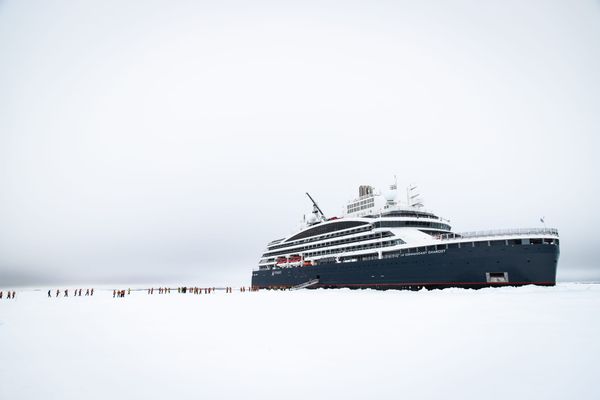
However, there’s a big difference between watching the desolately-beautiful landscapes of Nunavut, the newest, largest, northernmost, and least populous territory of Canada, drift by while you wait for your sommelier to decide on a chardonnay, and actually tackling the destination like so many explorers past.
The Akademik Ioffe may not have a signature spa or room service but she is perfectly suited for exploring the high arctic. Leased by OneOcean from Russian’s Shirshov Institute of Oceanology, the Ioffe boasts an ice-rated hull, comfortable ensuite cabins, a central dining room and bar, a sauna and presentation theatre, and for the more intrepid, a rooftop Jacuzzi. My cabin has everything you need and nothing you don’t, with plenty of storage, a comfortable single cot and a shy cabin attendant who giggles at my stumbling Russian.
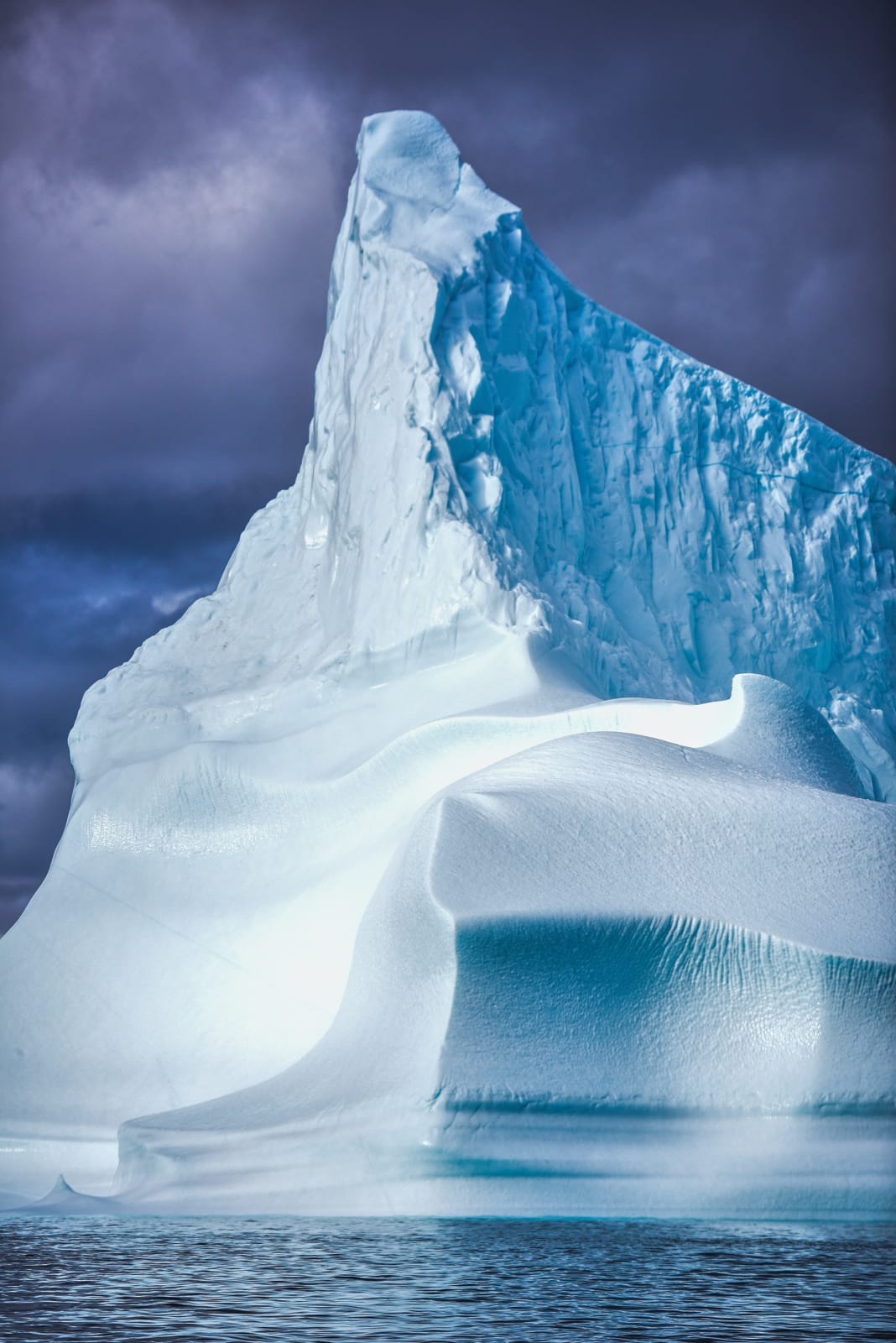
At the core of any OneOcean expedition is education. The ship is run by a Russian crew but a full complement of guides and naturalists bring the destination to life with regular lectures and daily excursions, Zodiac cruises and kayaking itineraries. Our guides include Katie Murray, a Scottish historian with a serious crush on Sir John Franklin.
Franklin’s ill-fated 1845 expedition, in which his two ships and 129 crew disappeared, inadvertently opened the Canadian Arctic Archipelago to exploration, with more than 50 unsuccessful rescue expeditions, helping to map out this vast and hostile territory. The Franklin Expedition’s demise has remained one of the most fascinating Arctic mysteries, baffling historians and researchers until September 2014, when the Victoria Strait Expedition, a modern day search party that included the Akademik Ioffe, discovered Franklin’s HMS Erebus submerged west of O’Reilly Island in Queen Maud Gulf. It was a major historic discovery, and one bolstered by the discovery this September of its sister ship, HMS Terror. Now all eyes are on the Northwest Passage and the secrets these ships may reveal.
After our close encounter with the polar bears of Cunningham Bay we trail shy beluga whale pods back to the ship as the low-slung sun casts the clouds in a warm amber hue, rays of golden light occasionally penetrating the canopy with captivating effect. Cruising Bellot Strait the next morning passengers brave wicked winds on the bridge wings in search of musk oxen, ivory and herring gulls, and arctic foxes. The Akademik Ioffe has an open bridge policy, allowing guests the chance to watch the Russian crew in action as we navigate this 25-kilometre, wafer-thin waterway between Somerset Island and the Boothia Peninsula, passing Zenith Point, the northernmost tip of mainland North America.
We soon reach Beechey Island, a tiny islet at the southern tip of Devon Island, the largest uninhabited island in the world. Beechey is an important destination on the itinerary. First visited by European explorers in 1819, this is where Franklin and his crew wintered in 1845-46 before disappearing. Remnants of his camp – which was not discovered until 1851 – still remain, including the three gravestones of crew who didn’t survive the harsh winter. Researchers believe some of Franklin’s men died from lead poisoning, either from the lead-soldered tins of provisions or from the ship’s water distillation system, but there are also more macabre tales of cannibalism and treachery.
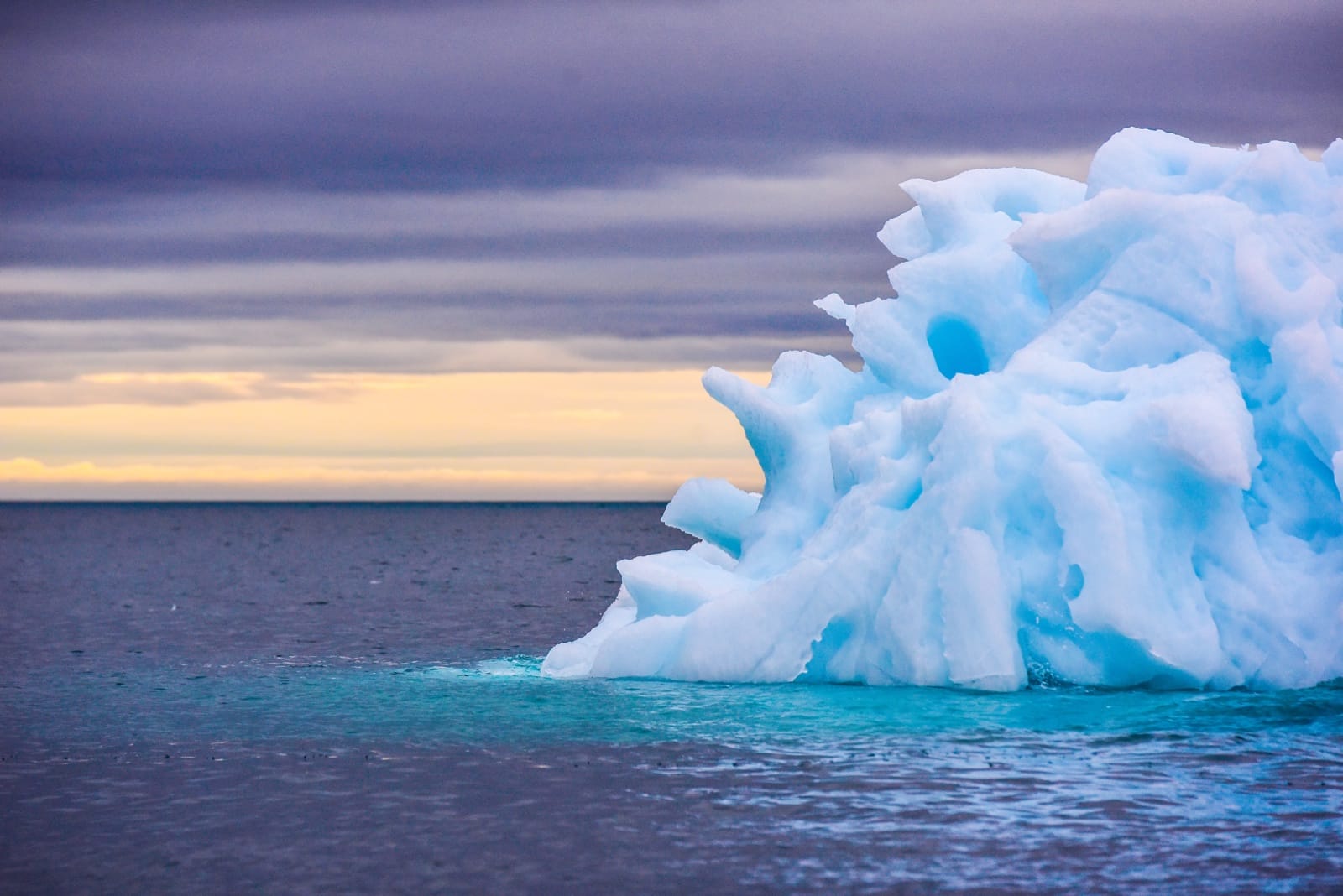
As the wind whips across a natural breakwater between Lancaster Sound and Wellington Channel, we encounter our first real ice in Croker Bay, as we follow the southern coast of Devon Island, a scene so devoid of life it’s used as a simulation of Mars by NASA. The northernmost point of our cruise, Croker Bay is home to two towering glaciers, their jagged faces pockmarked with caves that reveal a shimmering aqua blue interior. We give way to a massive herd of harp seals before cruising the Zodiacs close enough to the glaciers to hear the ice creak and groan.
The Arctic weather starts to flex its muscles that afternoon and as ocean swells heave the ship to and fro, a pair of arctic wolves watch us from shore, two white dots on an expansive coffee-coloured landscape of rocky peaks. As we emerge from Pond Inlet our transit through the Northwest Passage is at an end and we sail south down the east coast of Baffin Island, one of the most sought after destinations in the Canadian Arctic thanks to its spectacular coastal scenery, which includes the aptly-named Sunshine Fjord, where towering rock faces plummet to mirror-calm waters kissed by a surprisingly intense late summer sun. We spot rare bowhead whales as we cross Isabella Bay, a protected whale sanctuary, arriving in the calm waters of Cumberland Sound, where a Hudson’s Bay Company whaling station has blossomed into the picturesque Inuit settlement of Pangnirtung. It’s a fitting finish to our expedition as we share tea smoked with arctic heather with guides from the tiny hamlet. For the Inuit, who have learned to endure the Arctic’s temperaments, the Northwest Passage is a bountiful landscape, and one they are now prepared to share with the curious world beyond.