It was cold outside but the sun was blazing at Tokyo’s international airport. “Are you aware of the unusual snow conditions in western Japan, Mr Fraser? There’s a chance your flight might not land in Fukuoka.” A blizzard had just hit the country’s western-most island of Kyushu and as a result there were all sorts travel disruptions, a notion that is generally unheard of in Japan. Still, we took off nonetheless and luckily managed to land in the island’s capital. The early evening light just allowing a glimpse of the forested hills powdered in the white stuff.
In and out of blizzards the following day, a painfully slow journey by car got us to Arita, the quiet town of 20,000 inhabitants famous for its porcelain. This town, like so many traditional high-skill centres in the world, is struggling against cheaper competition in the global marketplace despite having reached its 400th anniversary of production this year. The local prefecture of Saga is seizing upon this historic milestone to shout from the rooftops about their great heritage, as well as their relevance in the world today.
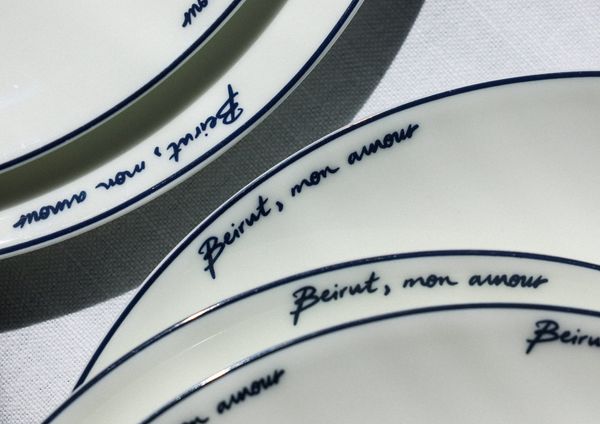
Yet, no one seems to be shouting from any rooftops on my arrival, although the blanket of snow may have muted the town. It’s a beautiful time to be here though, as I’m told that snow is pretty unusual in this region. My hosts introduce me to a group of potters that make up Arita Plus, a cooperative that’s working on a variety of commercial projects for this anniversary year. And they unveil for me a new collection of dishware created in collaboration with the internationally renowned Japanese chef Nobu Matsuhisa, best known for his Nobu chain of restaurants around the world.
There is pride on the faces of the makers as we discuss the evolution of this initial nine-piece range, the results of which married their expertise with Nobu’s culinary vision across various plates, a sushi roll holder, sake set and matcha bowl (a finely milled green tea powder). Speaking of his designs, the chef later tells me, “I wanted to introduce some elements of Japanese culture in the porcelain. The plates have circles and half circles painted in a gradient, which represents the morning sun but also recalls the Japanese flag – a symbol you can immediately recognise.” There are also interpretations of bamboo sake carafes in a blue known as gosu, which is a cobalt-based paint that is unique to Arita porcelain.
The project, which is called Arita x Nobu, is one of 17 that the Saga Prefecture is spearheading, as part of a carefully choreographed campaign to communicate the skills and knowledge of the porcelain industry in Arita. For they acknowledge that they’re at a crossroads of sorts and they’re hoping that 2016 marks the start of a new chapter that’ll take them through the next century with renewed energy.
My two-day tour of the town begins where it all started, with a visit to the original quarry where, back in 1616, the Korean potter Yi Sam-pyeon identified that the local stone possessed the ideal properties for porcelain. And there’s a shrine in his honour that sits on the hill overlooking the town.
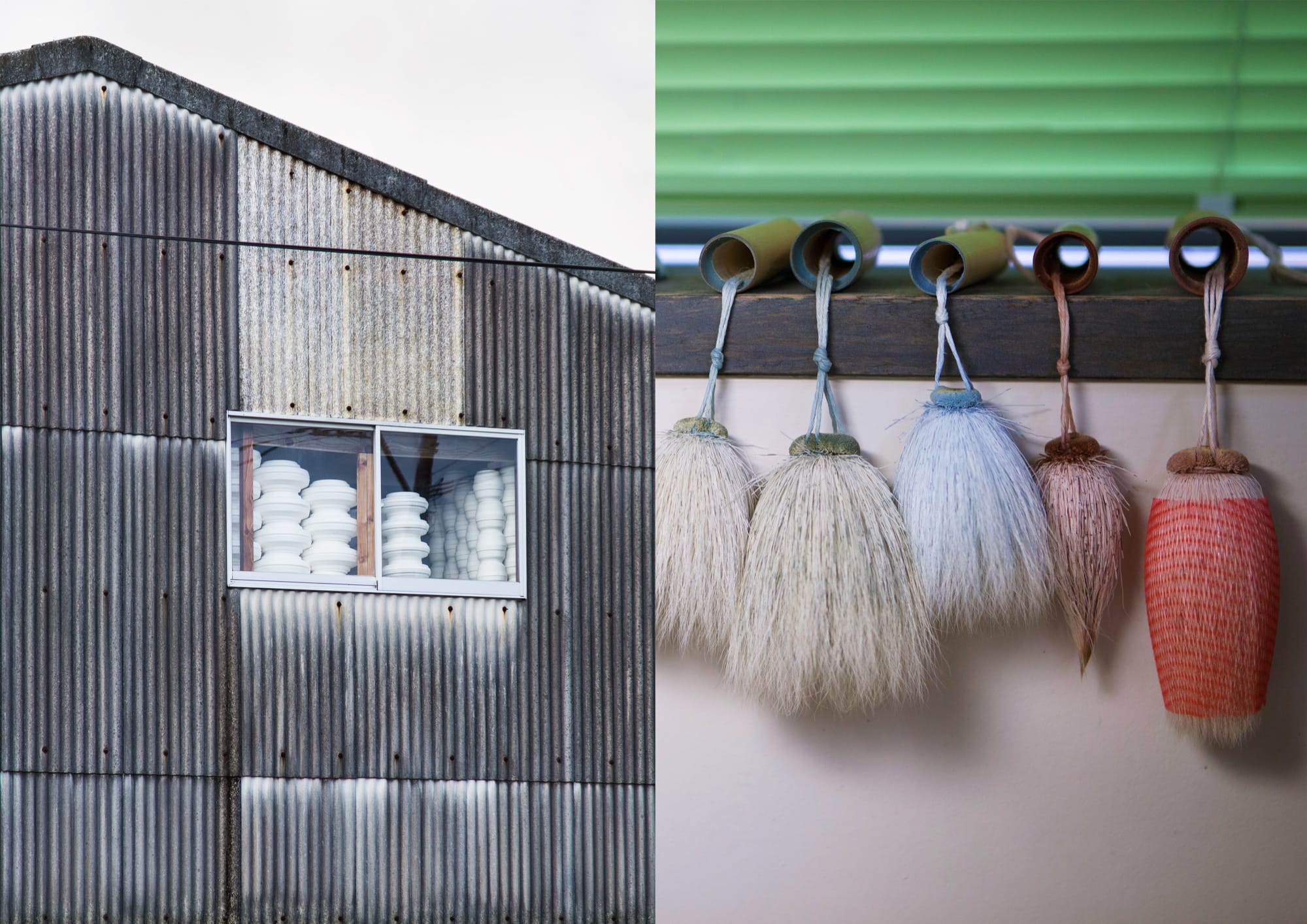
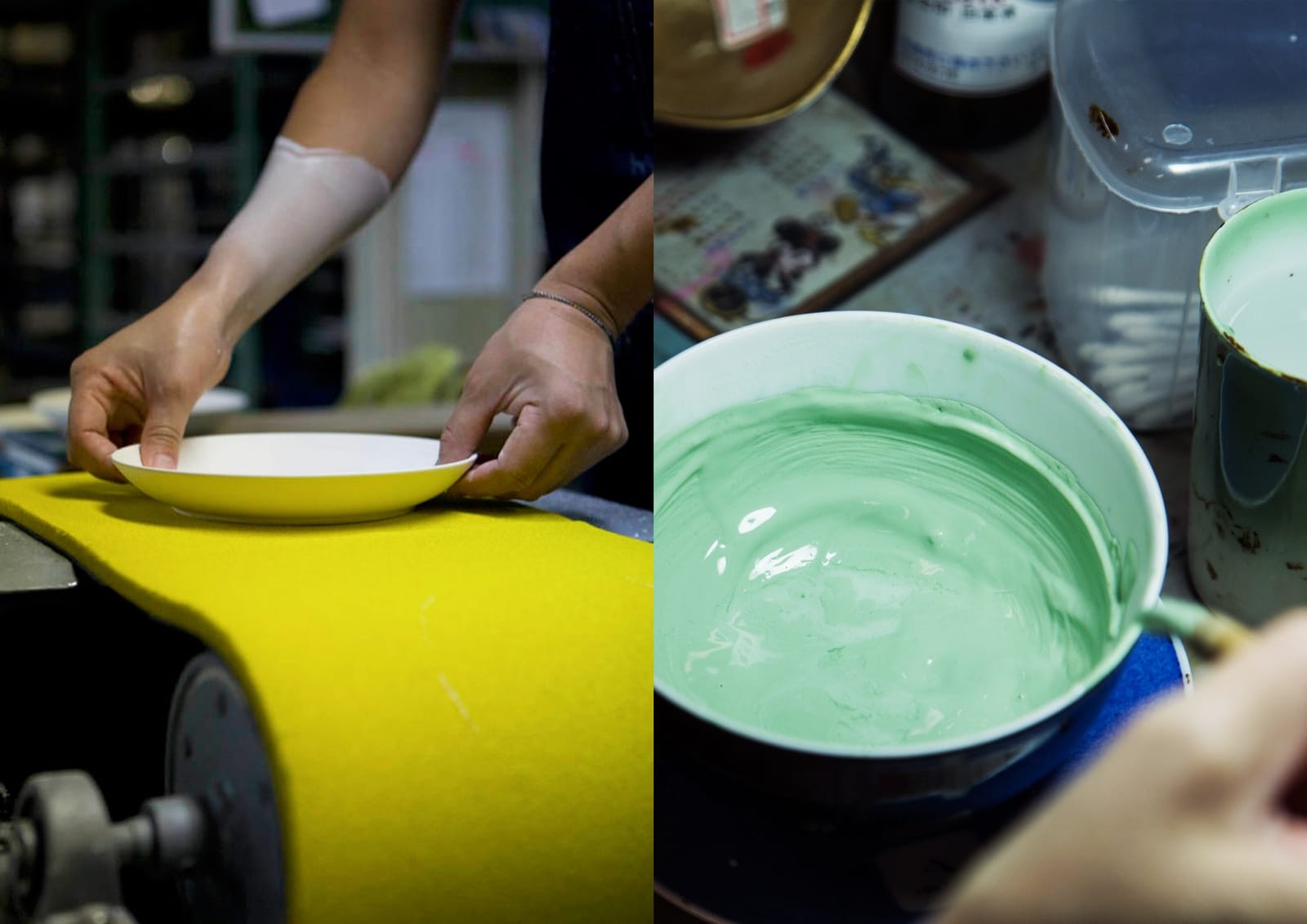
I learn a bit about everything in workshops dotted around Arita: the noisy grinding and filtering of local rock into different grades of porcelain clay; the making of the original moulds; the arduous process of creating the myriad paint pigments, all of which are highly skilled processes. Furthermore, I was fortunate to have been granted access to a place that can only be described as Arita’s temple of knowledge and skill, that of Kakiemon Kiln.
Founded 370 years ago, this famous marque has been producing porcelain to the highest standards ever since and I was welcomed by its 15th generation owner, Sakaida Kakiemon XV, who proudly explained the company’s trajectory. “The early style of Arita porcelain predominantly consisted of uniform indigo patterns on a white base,” he says. “In the 1640s, Sakaida Kizaemon (the founder of Kakiemon kiln) began adding red decorative patterns called aka-e, which marked a notable stylistic evolution of Arita porcelain. In the 1650s, the Dutch East India Company began exporting these pieces to the royalty and nobility of Europe for prices comparable to gold.”
Despite its significance, tours are forbidden here as a way of preventing imitation of their unique style of intricately hand-turned and hand-painted fine porcelain. As we make our way to the workshops, Kakiemon explains that the techniques they employ remain unchanged despite modernisation over the centuries (principally with the advent of electricity). The technical skills are passed from one generation to the next and, thankfully, there is still a healthy appetite to continue from today’s youth base.
I say ‘thankfully’ because what I witness next is nothing short of breathtaking: about ten men of various ages sit calmly in their individual areas sunken in the floor, each with their own pottery wheel. Working in silence, they manipulate their blocks of porcelain clay with a simple grace that can only be gained by those with years of experience. Sculpting purely from memory, their hands arch and flex seemingly at their own accord, giving rise to identical forms, be it cups, bowls, vases or more complex vessels. I sheepishly ask what the rejection rate is. Less than ten per cent, I am told.
Sitting opposite are women who carefully handle the still-soft forms, using wet brushes to smooth out any blemishes prior to the vessels being fired. In an adjacent room, I observe unbridled levels of concentration on the faces of expert porcelain painters. It is here, sitting in rows with focused lighting, that each person applies the most intricate brushstrokes of paint. Once again working from memory, these highly skilled painters don’t flinch or divert their attention for a split second, despite me gazing in wonderment over their shoulders. Mobile phones are banned in these spaces and it feels like the last bastion of focus in a world obsessed with multi-tasking and business.
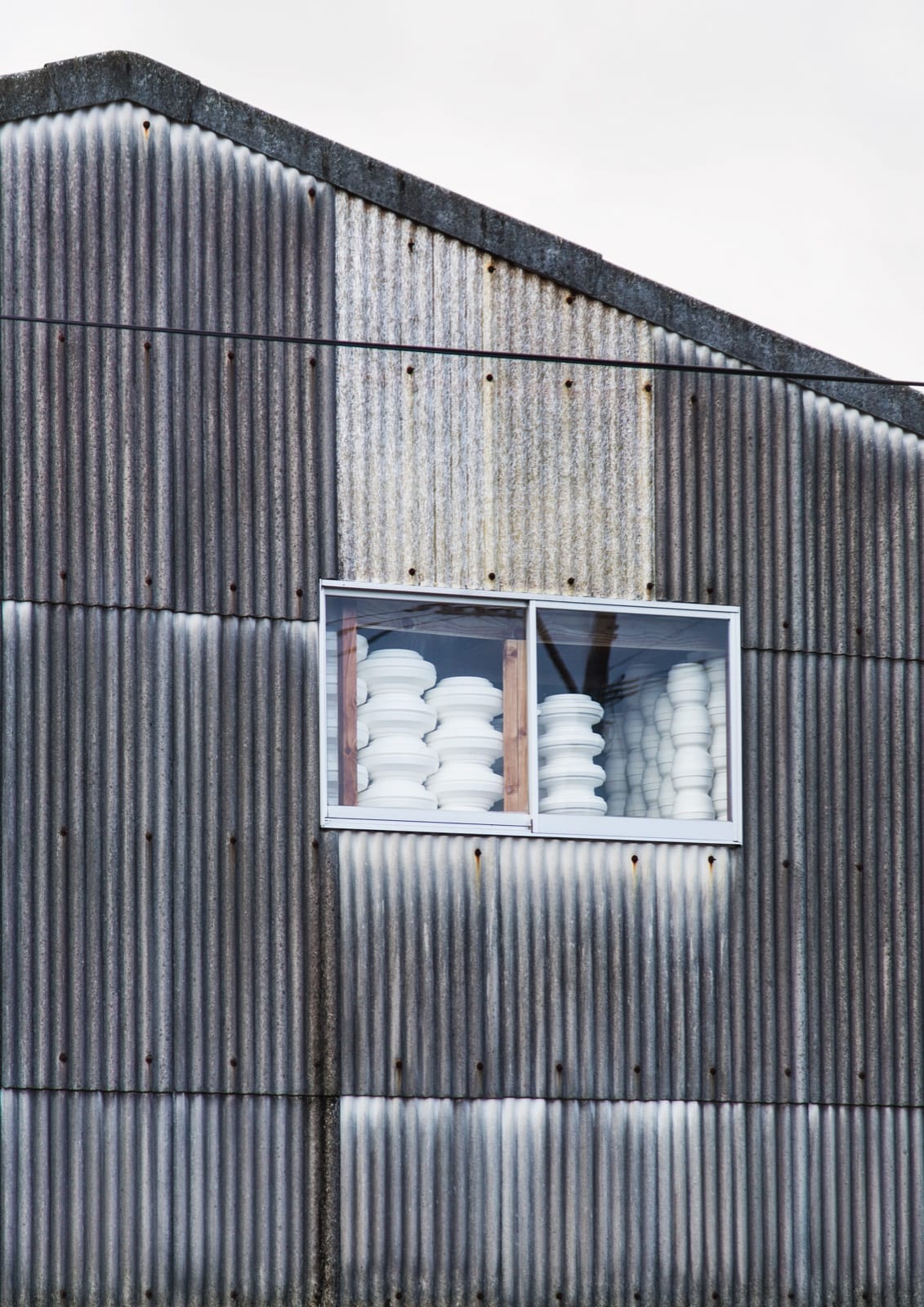
Of course, Kakiemon’s heritage gives it a special collectible status but for many other producers, the 21st century trading environment has been made that much tougher due to cheaper foreign competition as well as an ongoing domestic recession and changing tastes. Production of Aritaware is currently a fifth of what it was in the early 1990s, hence the promotional drive from the local government.
One promising revival initiative is the formation of a new brand called 2016/ that marries four centuries of exceptional craft knowledge with contemporary design. Under the creative direction of Japanese designer Teruhiro Yanagihara and Dutch design studio Scholten & Baijings, the venture incorporates the skills of ten manufacturing companies with 16 international designers including Ingegerd Råman, Leon Ransmeier, Pauline Deltour, Stefan Diez and Tomás Alonso. Over a period of two years, these designers have undertaken residencies in Arita, learning the traditional qualities and processes while injecting a valuable outside perspective into a vast collection of objects for everyday use. The intention is to demonstrate the artistry of this special craft to a new global audience and to make Aritaware relevant and desirable once again. As Yanagihara states, “2016/ is not just about making new Aritaware but also about creating a model that may influence other industries in Saga Prefecture to follow in the same footsteps. My hope is to give the Arita porcelain industry back the coveted status it enjoyed during the 17th and 18th centuries.” In fact, over 300 pieces were launched during Milan Design Week in April 2016, an ambitious output that will hopefully go some way to securing Arita’s prospects for future generations.