It's enough that custom sound installations bestow upon every owner the delights of music throughout the home. At the touch of a button, on a remote or a wall-mounted keypad, the user can easily feed any source – from CDs to iPods to DVDs to radio – to any room, adjust the volume, change tracks, without leaving the comfort of that plush listening seat. It's revolutionised the way we enjoy music.
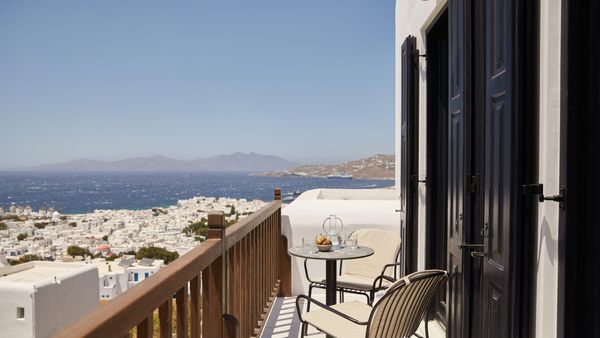
As an added benefit, though, the main system can also feed sounds – with the same convenience and total control – to an often overlooked ‘zone’: the great outdoors. Along with the growth in ownership of state-of-the-art grills and barbecues, swimming pools and hot-tubs, exercise areas and anything else that's just as enjoyable outdoors as in, so, too, have the hi-fi manufacturers adapted their equipment to accommodate music lovers in areas not previously thought ‘safe’ for delicate audio components.
Even in areas where the climate is fairly constant and free of the rainfall that can destroy audio equipment, temperature extremes alone can shorten the life of loudspeakers – the only part of a system that has to be present where the music is played. It's easy to leave the players and amplifiers indoors, where climate makes no difference. You simply feed the cables outside, and connect the speakers to them. But which speakers?
Ever since the first loudspeakers appeared, they found their way to sporting events, concerts and other occasions where sound reinforcement was needed to deal with open spaces. But such systems never addressed sound quality. All they had to do, to satisfy the most basic requirements, was simply reproduce sound loud enough to be heard. Even now, over a century after the first electronic sound systems appeared, public address equipment makes noises that are barely intelligible. For proof, all you have to do is listen to the announcements in an airport.
Clearly, that's not good enough if you're dining on a patio, entertaining guests on a beautiful, balmy evening, or merely relaxing poolside. Whether the music you require will be played softly for background ambience, or at higher levels for a party, you want the sound quality to match that of the system heard indoors.
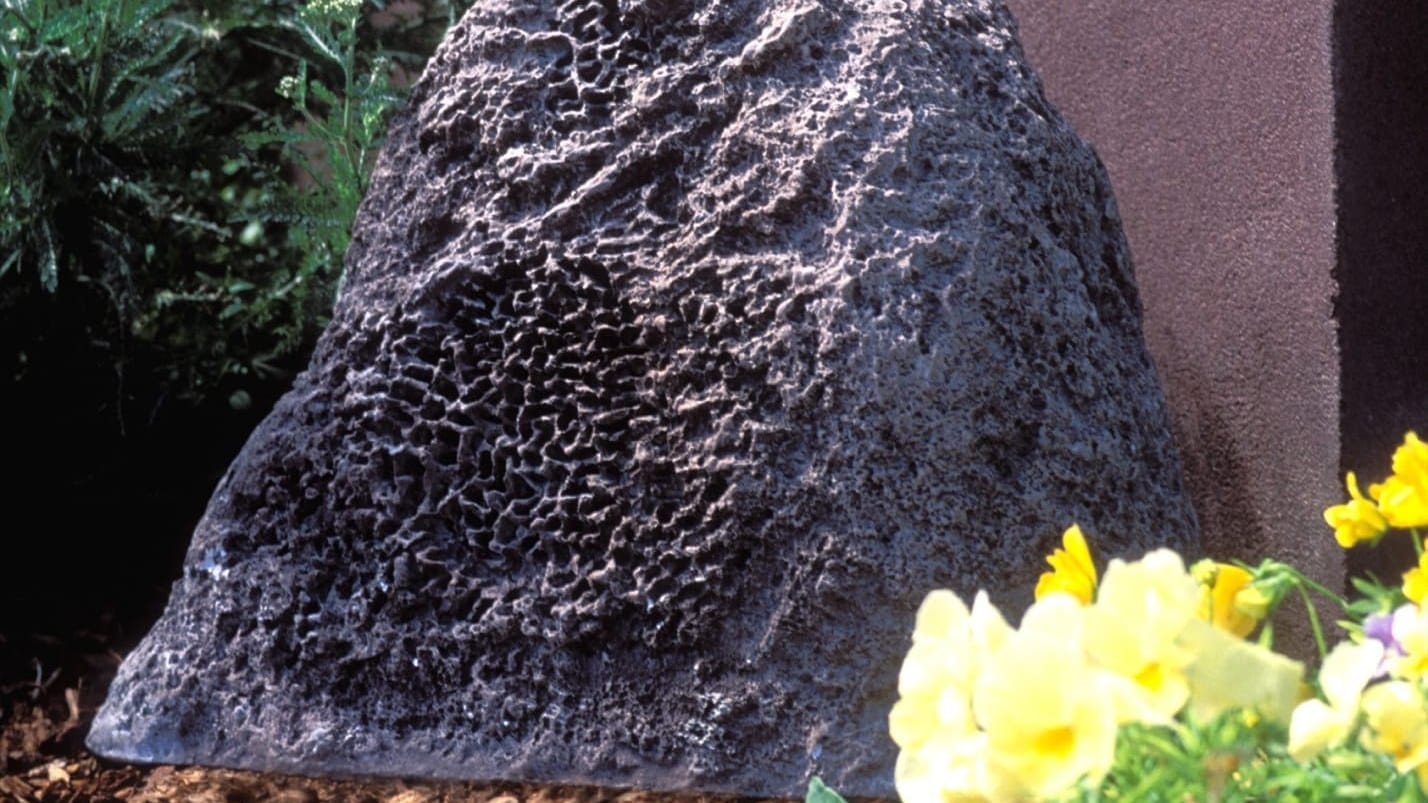
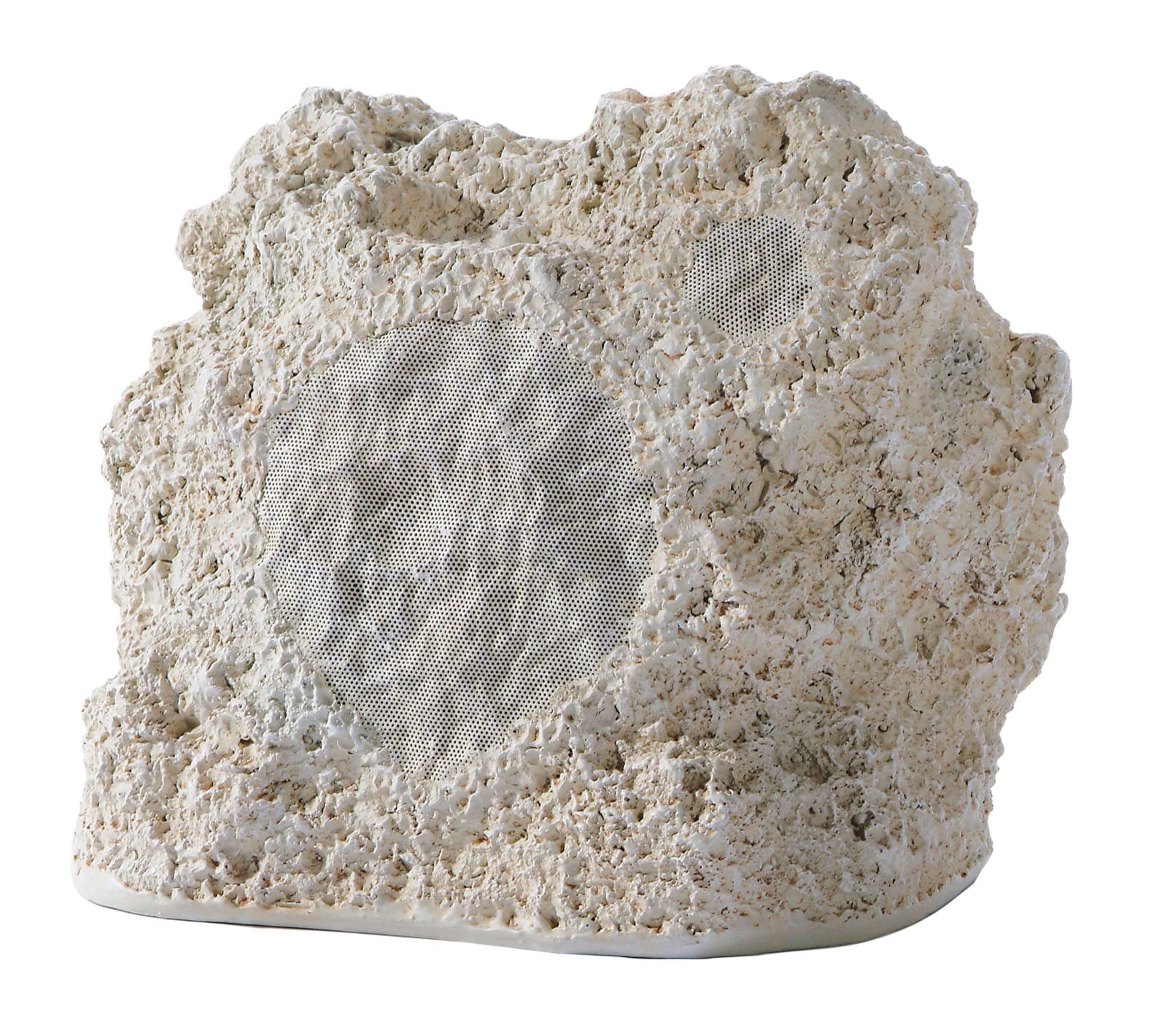
Fortunately, nearly every major loudspeaker manufacturer involved in architectural audio – speakers that you build into walls or ceilings, for example – offers models suitable for permanent mounting outdoors. Some manufacturers, like Rockustics, even go so far as to disguise the speakers to look like boulders and rocks, to avoid upsetting the aesthetics of a perfectly appointed garden. What all of them ensure, however, is that their speakers will achieve the seemingly impossible: they'll deliver sound worthy of fine hi-fi equipment, while resisting the ravages of moisture, aridity, heat or cold.
From manufacturers who are equally comfortable in recording studios and cinemas and homes are models that share certain virtues for outdoor applications. Modern materials, especially rugged plastics, have enabled speaker designers to house high-quality drive units in enclosures that will survive conditions which would destroy an indoor model in an instant.
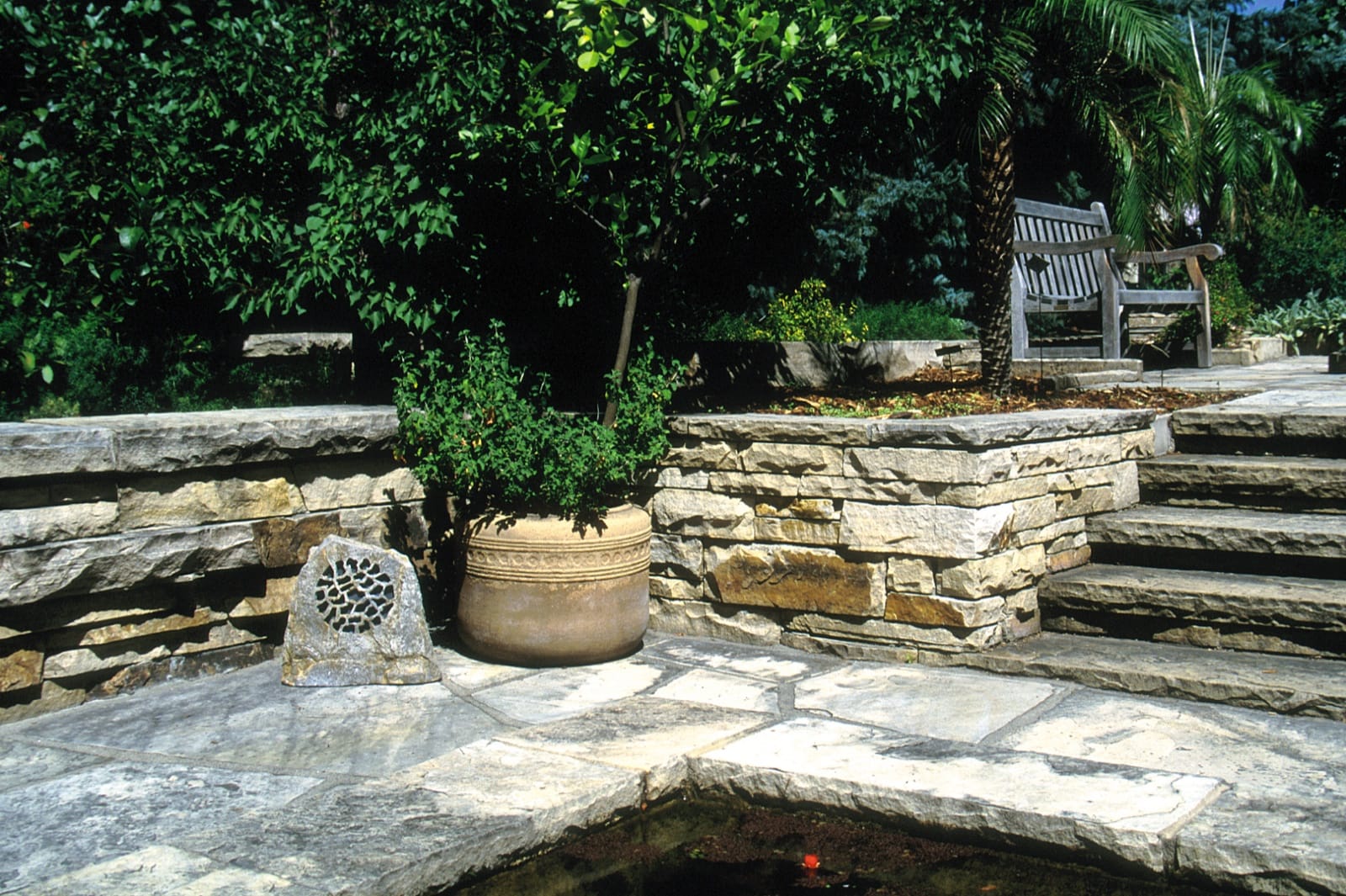
Having acquired experience on stage and in studios, such manufacturers understand what is needed to make a speaker robust and resistant to the threat of the environment. Kevin Andrews of the UK-based Sound Ideas, is one of Europe's most experienced installers; his systems can be found on yachts in the Mediterranean, in townhouses in Hong Kong, in stately homes throughout Great Britain. Andrews appreciates that, “Our clients demand trouble-free installations. Fortunately, the unpredictable climate of the UK has enabled us to assess the performance of outdoor speakers in conditions that can range from summer temperatures in the 30s to traditional English rainfall. If such speakers can survive the UK, they'll find no difficulty whatsoever in steadier environments." Among his preferred outdoor models are those offered by JBL and Bowers & Wilkins.
Mark Goldman, whose company Sound Components serves a client base in Florida and throughout the USA, faces the same conditions as Andrews' UK clients, with the added challenge of hurricanes, higher annual temperatures and cloying humidity. He cites Niles, Paradigm and Sonance speakers as among the most dependable for his needs. And he agrees with Andrews that, “Clients shouldn't scrimp on the amplifier power. While modern speakers are easy to drive, a system playing outdoors doesn't have the benefits of an indoors system with walls that create useful boundaries. We rarely use less than 60 watts per speaker.”
As for the suitability of outdoor speakers in the world's hottest and driest climates, Sound Ideas' Andrews has always reassured his Middle Eastern clients that this is not an issue. “All of the manufacturers test their outdoor models to temperature extremes - hot and cold. If anything, moisture is a far greater threat. And a good installer can position outdoor speakers away from direct sunlight.”
Each system is tailored to the actual living space to be filled, the on-site requirements determining which speakers work best - sonically and aesthetically. What applies to all such installations is a simple formula: a quantity of strategically-positioned small speakers will better serve the task than two or four large speakers.
With modern designs and materials making high-quality sound a reality for outdoor enjoyment anywhere, there's only one area that neither the manufacturers nor the installers can control: the effect on one's neighbours and their possible objections to the music. In which case, invite them over for the barbecue. Or simply turn it down.
Contacts Installers
Sound Ideas
London, UK
Tel +441795 591 991
HYPERLINK "http://www.soundideas.co.uk" www.soundideas.co.uk
Sound Components
Coral Gables, FL, USA
Tel +1 305 6654299
HYPERLINK "http://www.soundcompenents.com" www.soundcompenents.com
Contact Speakers: TBC