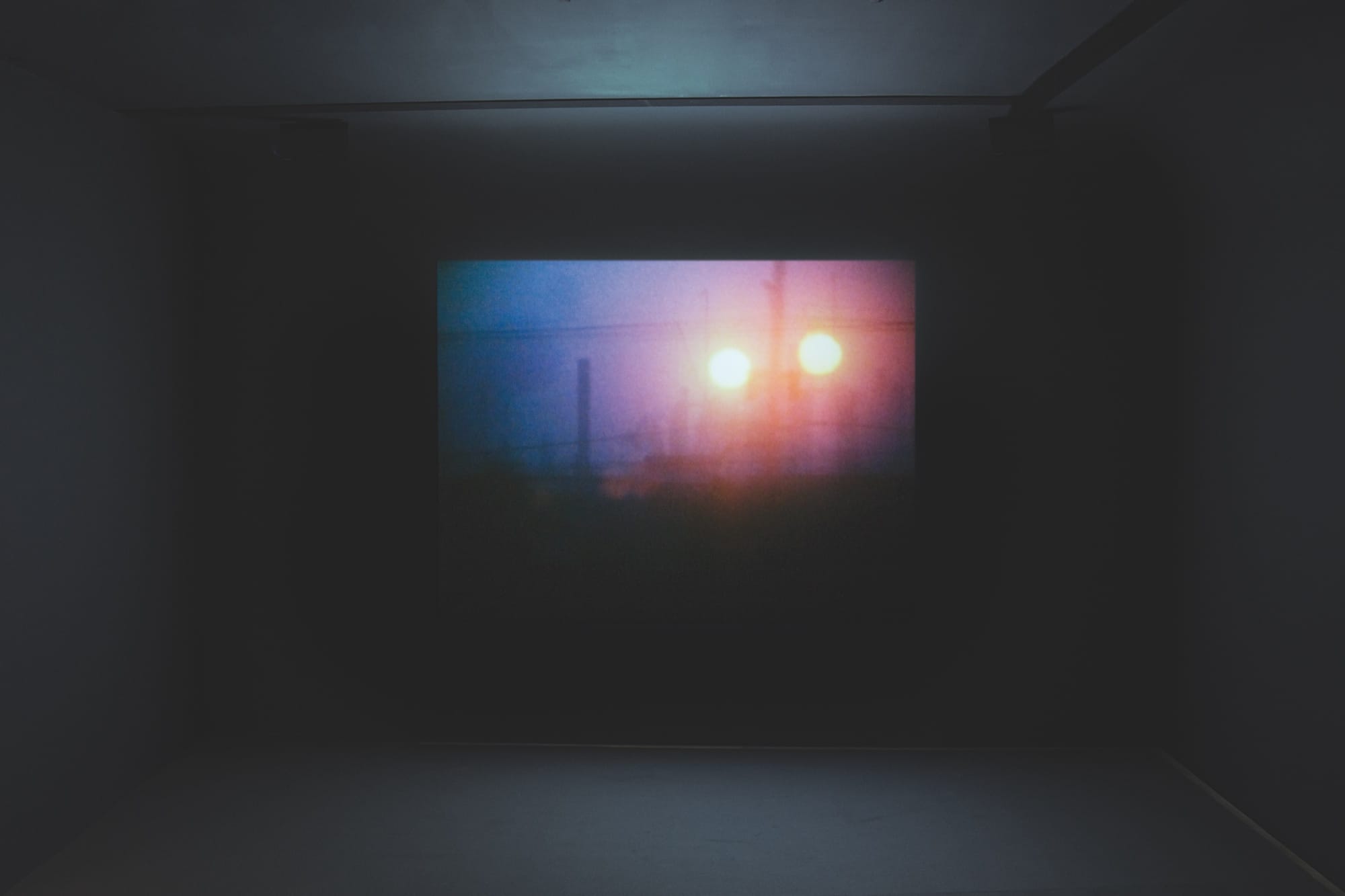
Beyond business, L’Espace Culturel highlights “the supplemental emotion brought about by the presence of a work of art or installation,” as CEO Yves Carcelle explains. “For example, the elevator created by Olafur Eliasson.”
Eliasson’s elevator is accessed at an unassuming street entrance on 60 Rue de Bassano. Once inside, it ‘cleanses’ visitors of urban stimulation. Accompanied by an operator, doors close, enveloping occupants in complete darkness for 45 seconds of sensory deprivation. When the doors open, it’s onto a pristine gallery space. Through windows, an extraordinary view of Paris unfolds.
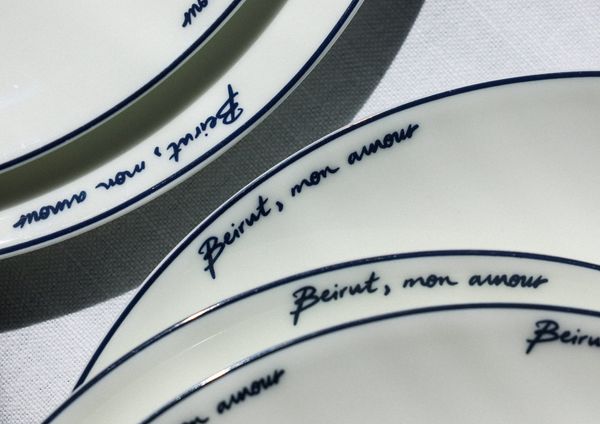
Group exhibitions mix the established with the less known and includes homegrown French artists as well as others from India, Russia, Korea, Chile and Iraq, for example. Such an exploratory approach speaks to the nature of travel. Programming explores global culture almost as far as the famously monogrammed luggage has travelled. A 2008 exhibition, for example, retraced the Silk Road from Beirut to Beijing through artists working in countries along its path.
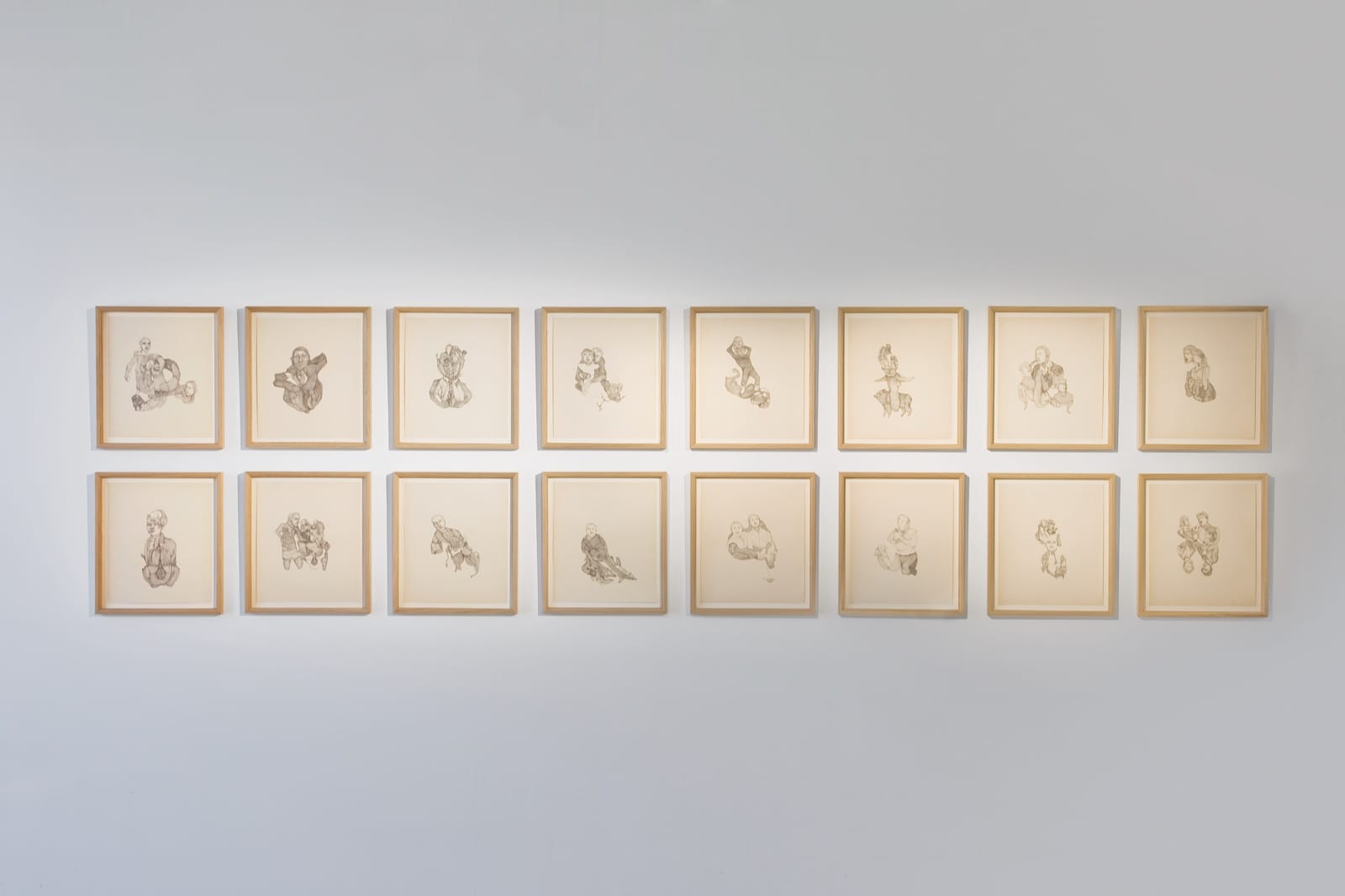
Some of the ‘journeys’ are also interior. “Autobiographies” took such a turn with French artist Mélanie Delattre-Vogt presenting captivating sketches that invited viewers into an interior landscape. “Curator Erik Verhagen wanted to present my series of drawings called Le Père, which are essentially autobiographical, drawn from elements of my father, as a tentative way to communicate both with him and the past,” she explained at the time.
Vuitton is no stranger to the arts. Since Creative Director Marc Jacobs’ arrival in 1997, the house has collaborated with the likes of Takashi Murakami, Richard Prince and Stephen Sprouse. In addition to bringing contemporary world art to Paris, Vuitton also engages contemporary creation on local soil.
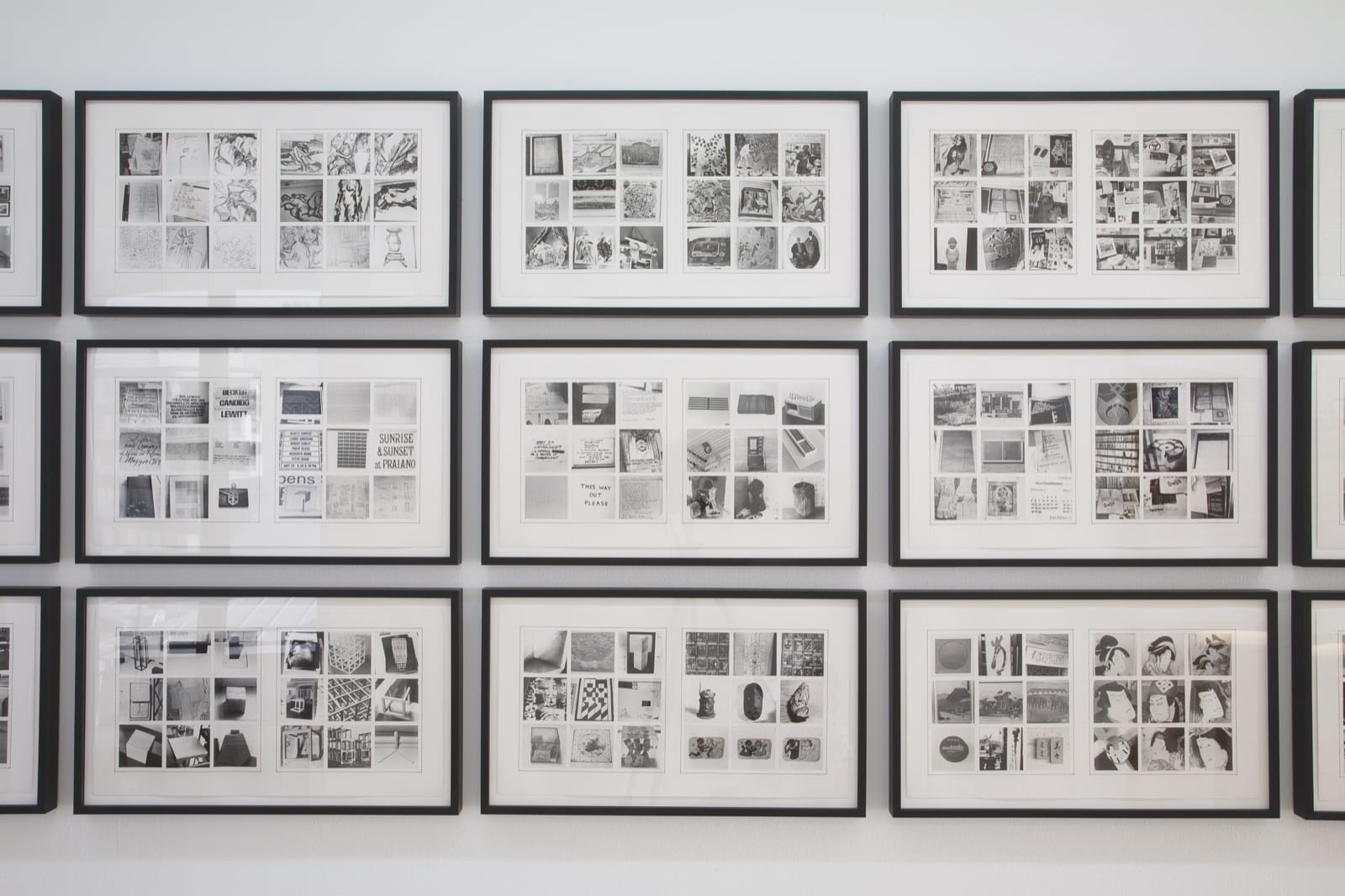
In the Middle East, for example, it has collaborated with local artists – Lebanon’s Nadim Karam, Morocco’s Yto Barrada and Iran’s Farhad Moshiri, to produce pieces for its regional boutiques, while Art Talks, the house’s ongoing cultural programme has had Meccan artists, Shadia and Raja Alem, in conversation with the Director of the Venice Biennale, Bice Curiger.
The future looks bright. The Louis Vuitton Foundation for Creation currently in the works is slated to open in a few year’s time on the outskirts of Paris in a stunning, Frank Gehry-designed building. It will host Vuitton’s investment collection, works the marque owns and wishes to share.
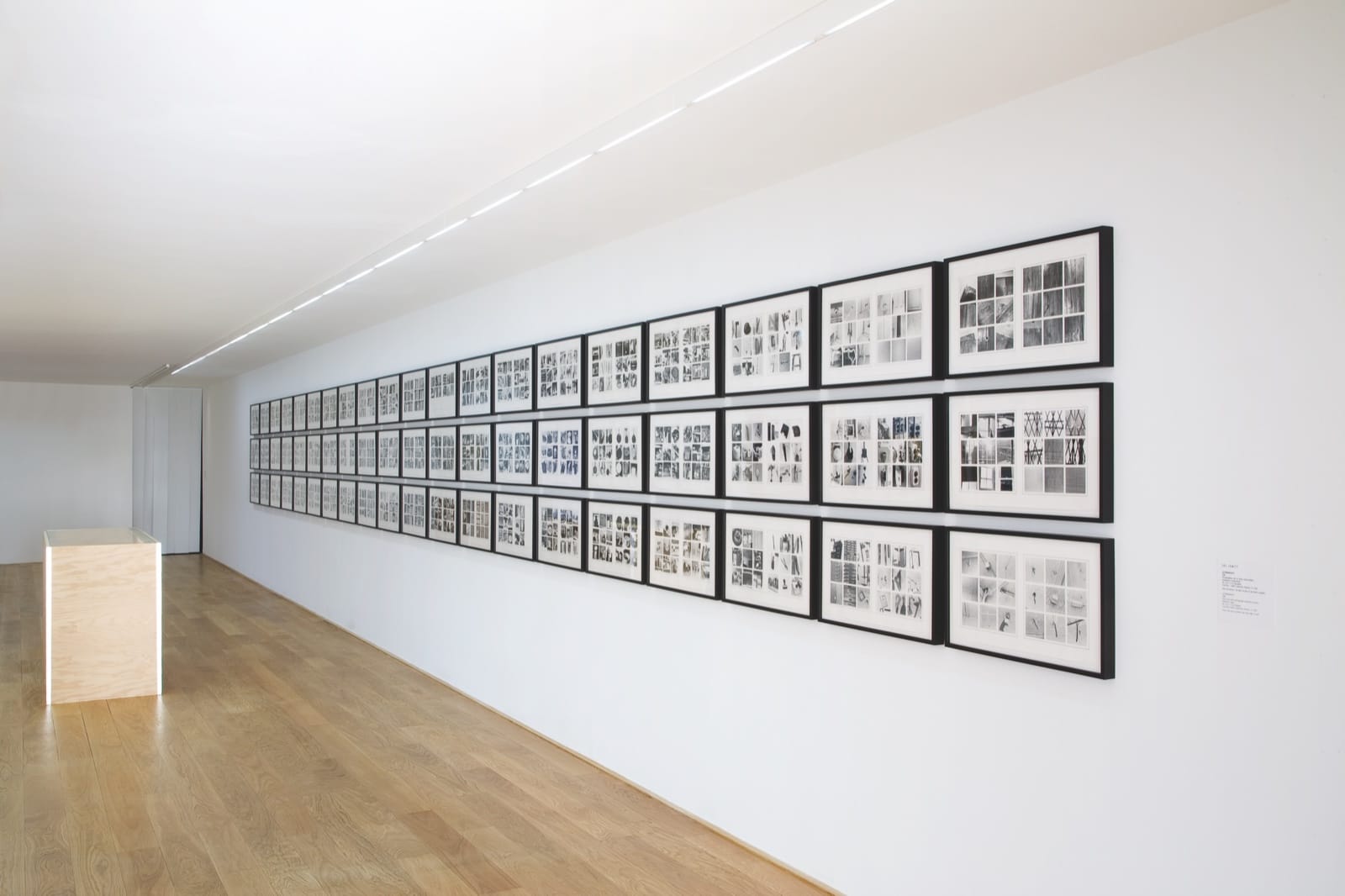
In this sense, it differs from the Espace, which director Marie-Ange Moulonguet has said is neither a foundation or a contemporary art gallery but more a laboratory. The Espace is the future of Vuitton’s investment in artistic collaboration; a space of creative fermentation, conversation and celebration around a theme that’s nearly infinite in its resource: the voyage.