Pre-Independence India’s reputation as a treasure trove for some of the finer things in life is no secret but in the modern age, maintaining and holding onto the country’s luxury artefacts has become something of an art. Where once the whims of maharajas meant the carefree trade in everything from custom-made watches from Cartier and diamond-and-emerald festooned jewellery from Bulgari to Vuitton steamer trunks piled with Irish linen, Paquin and Schiaparelli suits, ornate silverware and velvet and ivory palanquins, these days, such easy transfer of riches has become the stuff of legend. In today’s culturally socialist, democratic India, restrictions on the import and export of luxury goods like classic cars makes collecting them prohibitively expensive.
“In the early days, Maharajas bought cars like you would the latest gadget,” says Siddhraj Singh Bharwani, curatorial coordinator at the Cartier concours and member of Indore’s royal house of Bharwani. “But once they became a necessity, they demanded the best. British marques like Napier, Rolls Royce, Bentley, Lanchester and Daimler were quite popular but some of the more enthusiastic and well informed Maharajas went for exclusive brands like Isotta Franschini, Delahaye and Duesenberg. The cars, of course, were all tailor made for the Maharajas, many for specific use. A leather-free car for going to the temple or a dark-glassed 'purdah' car for the Maharani. One coachbuilder was even sent a Maharani's pink shoe, so they could make a matching interior. Cost was never an issue. The quality of the final product was all that mattered.”
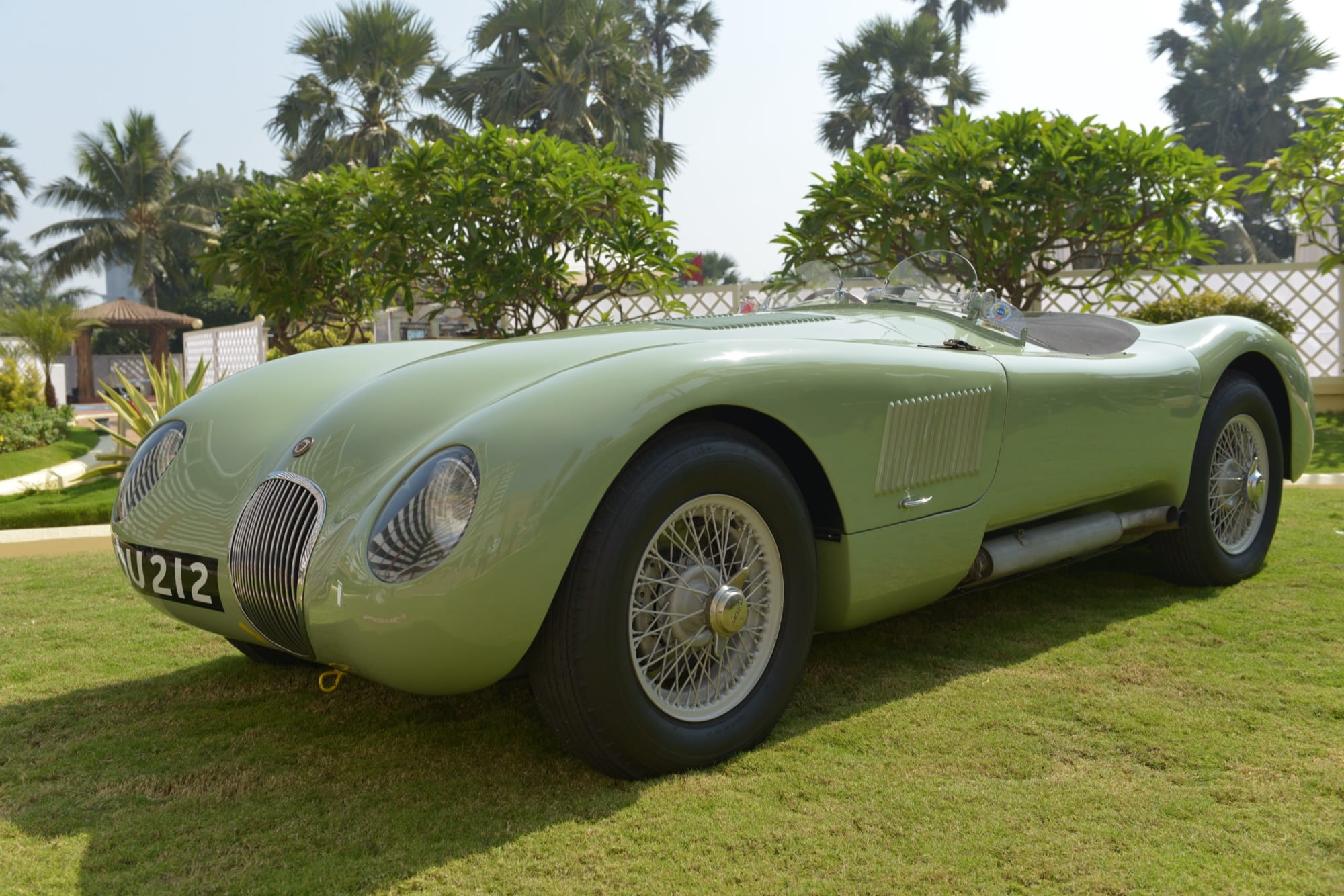
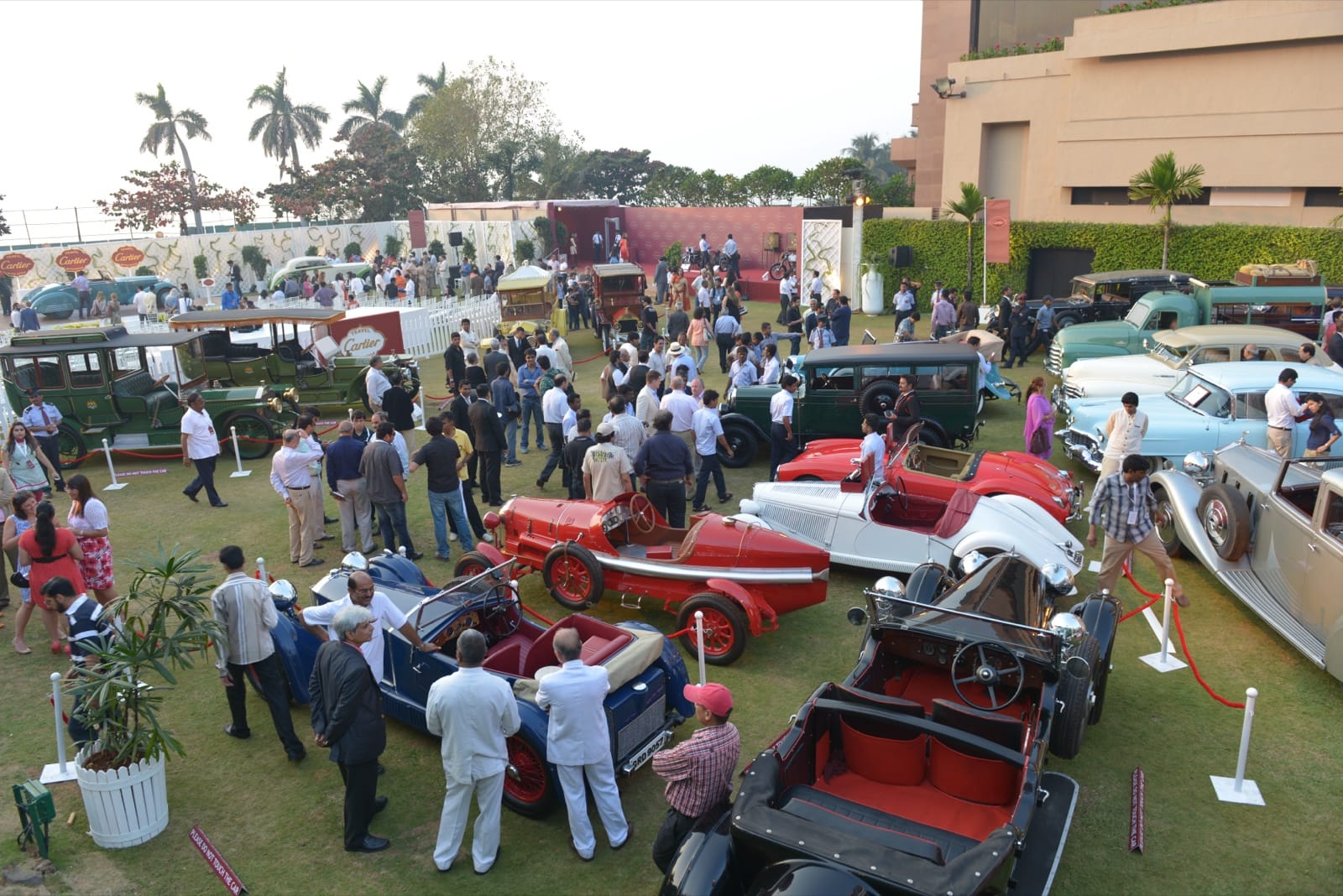
Today, the story is somewhat different. India’s golden age has been surpassed somewhat by that of its modern maharajas; the new generation of industrialists, IT entrepreneurs, real estate moguls and politicos busily amassing fabulous wealth. Both yesterday’s and today’s moguls share a love for collecting old and beautiful cars, displayed in abundance at the third Cartier ‘Travel with Style’ Concours d’Elegance held in Mumbai in February. Including custom-made maharaja cars and barn finds, at least 70 classic and vintage cars were primped and polished and displayed, gleaming in the city’s tropical sunshine, eliciting reverence and delight from invitation-only enthusiasts, royalty and Bollywood glitterati.
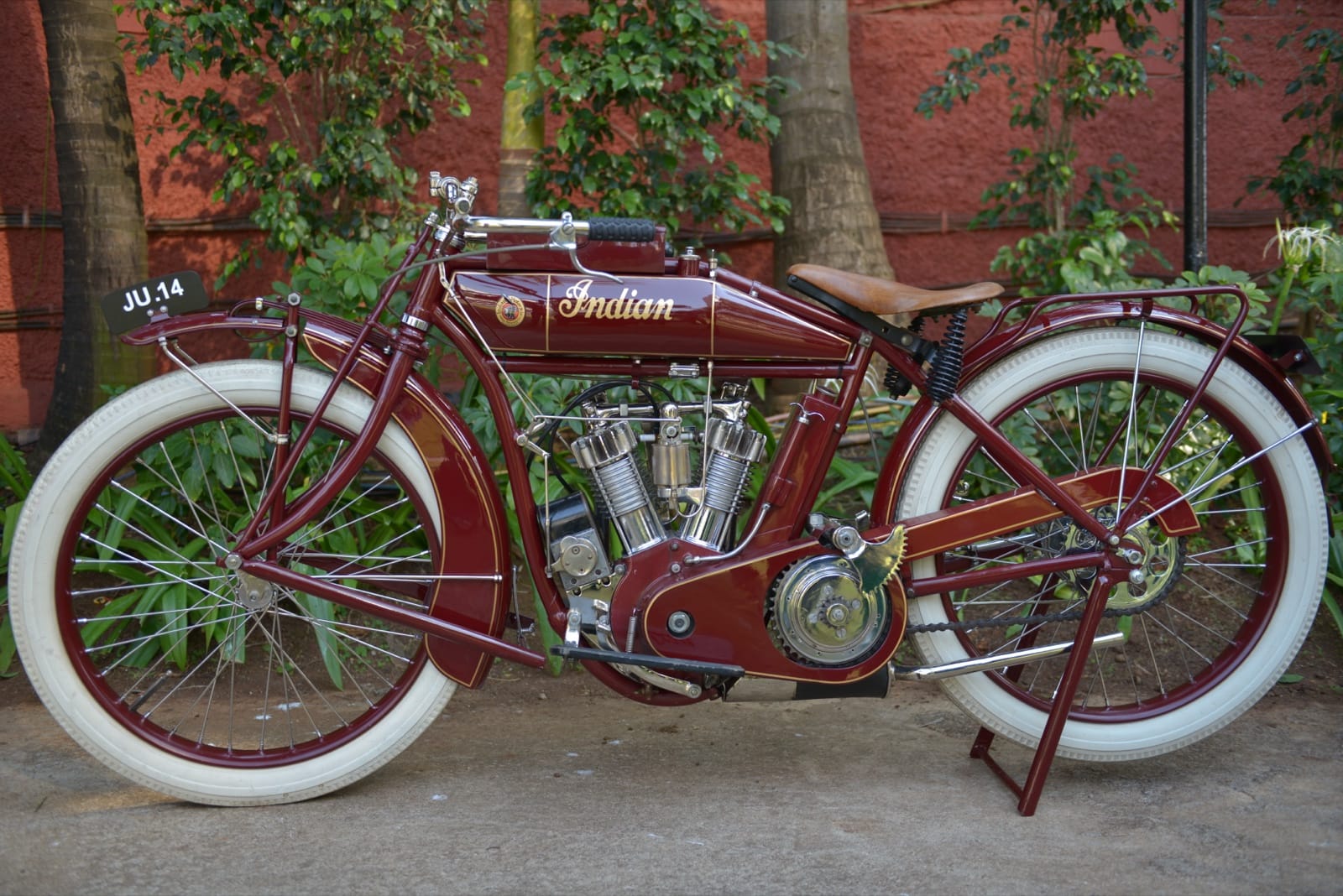
Around the lawns of the Taj’s Land’s End hotel, perched on the edge of Mahim Bay and the Arabian Sea, cars as old as a 1905 Darracq Landaulet stood in competition with Studebakers and Hudsons, Bentleys, Rolls Royces, Daimlers and Buicks from the start of the 20th century through to the 1940s and 50s. Judged in pre-war and post-war denominations - cabriolet, tourer, shikar (hunting car), limousine, American, European, roadster, preservation and Indian heritage classes - the concours included a couple of new categories this year, namely motorcycles and Edwardian-era motors. Not to be outdone, a host of beautiful motorcycles, from a 1910 Swift 550cc to a 1934 Triumph Tiger 70 and a host of Nortons, Harleys and Velocettes, were also up for prizes. Notably, it was the 1944 1200 cc V-Twin Indian Chief motorcycle that stole the hearts of many.
“It’s extremely difficult to keep these cars in this country,” confirms Sandra Button, chairman of California’s Pebble Beach Concours d’Elegance and a judge at the event. “Only recently have people been able to get the right paints for these cars and that’s been the easiest of the problems. The difficulty has been in getting tires or parts, with many owners having to manufacture their own, not being able to send the cars out to get them done. It’s an amazingly admirable effort to maintain a lot of these cars and it shows how much passion there is for the motorcar here.”
On hand to inspect and judge the cars were several icons of the motoring fraternity including British racing icon, Sir Stirling Moss, Fiat heir Lapo Elkann, President of the FIA, Jean Todt, moto-GP veteran Giacomo Agostini, Prince Michael of Kent and McLaren F1 designer, Gordon Murray. “There are many extremely interesting cars, each one more interesting than the other,” exclaimed Elkann. “The beautiful thing is to meet the owners. I met one who redid two cars, including a Bentley. It’s impressive because he has done it all on his own, with his own money and hands. What makes me happy is that the first-ever Fiat 500 that came to India – a Topolino – is also here.”
Taking top honours in some of the categories at the event were a black 1930 Rolls Royce Phantom II, which won the Preservation class; a gorgeous racing red 1921 Fiat 501 Corsa for the pre-war Roadster class; a capacious 1938 Buick for pre-war limousines and a peacock blue 1935 Rolls Royce Phantom II for Best-in-Show. In the newly introduced categories, a 1906 Napier L76 took the Edwardian Class honours while the Best-in-Show for motorcycles went to a 1915 Indian. Ultimately, the real winners of the day were the collectors and enthusiasts who had flocked to the venue to view the many beautiful cars that all play a part in India’s rich automotive past.
“We have a very long history with India, almost a century,” said Louis Ferla, regional managing director of Cartier, Middle East. “The maharajas used to ask Cartier, the king of jewellers, to set their best stones and they were the same ones who ordered these cars. These cars are real gems, true treasures of India.”