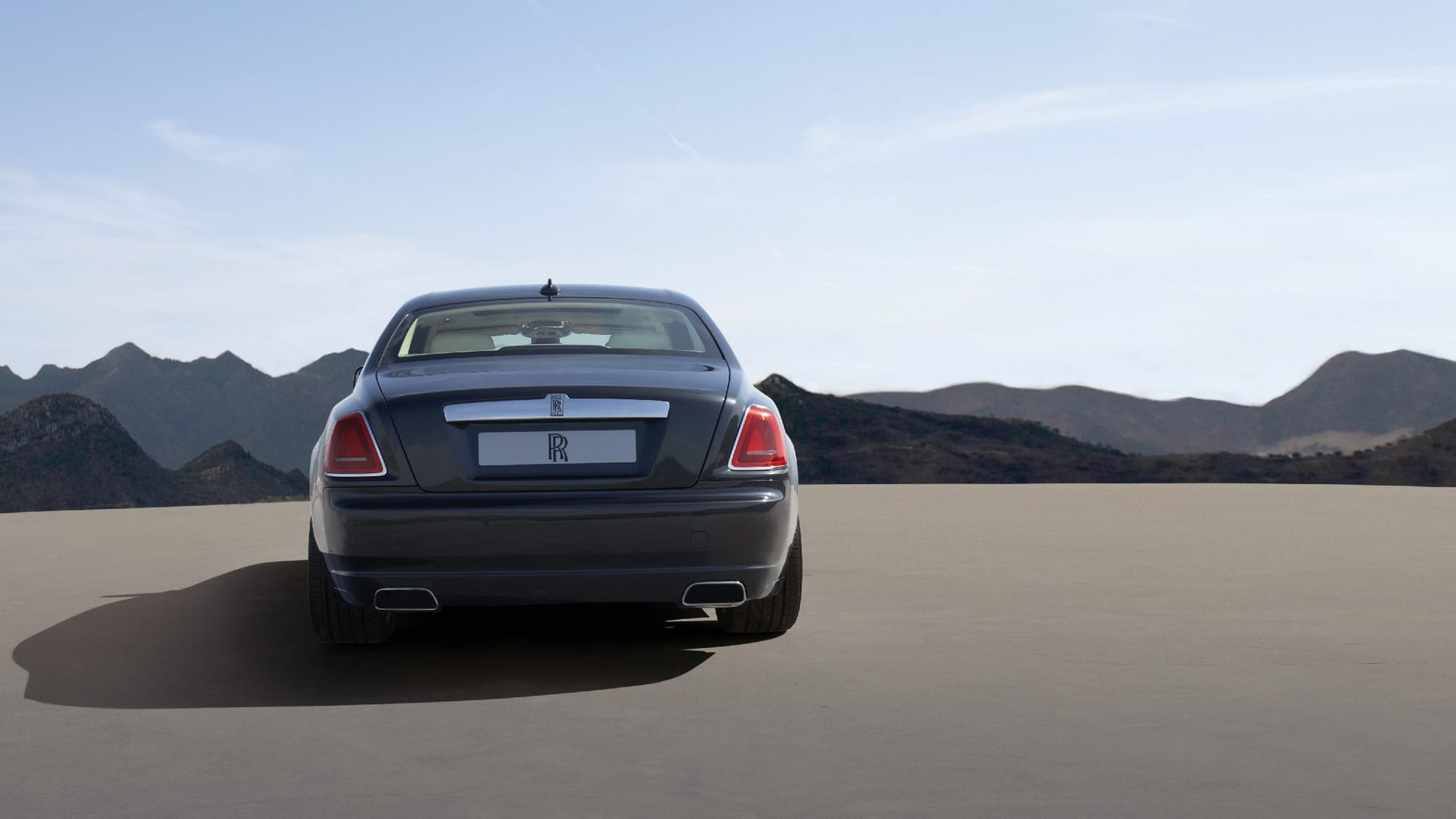
There’s something about the classic car that elicits a remarkably visceral response from even the most auto-averse onlooker. The majestic sweeps and the passionate detail; the ability to transport you to a time when men wore goggles or sported Fonzie-style locks. Oozing regal charm or dripping testosterone, classic cars are timeless artefacts that mirror their eras with profound exactitude. When a classic motor glides down the street, it turns heads without exception. Such a self-same incident led an eleven-year-old boy in Dubai to dream of starting his own car consultancy, 12 years later it happened. “The Rolling Art Emporium (RAE) was just a starting point to establish myself and write about my favourite subject,” says Gaurav Dhar, 28, looking more grown up than his years courtesy of a thick goatee and a sharp grey suit. “Now, I’m involved with several classic car events, organisations and collections in the UAE that I never dreamed possible.” That was in 2007. Since then, Dhar has established himself as something of a go-to-guy for classic cars in the Gulf. Having co-founded the ExoClass Club and by conducting charity events with Mohammed Ben Sulayem and SNAP (Special Needs Awareness Programme) the Rolling Art Emporium has been involved with projects for the National Car Museum in Liwa and private royal collections too. “There is a growing classic car community in the UAE, and they really understand the passion for rolling art,” says Dhar. “The RAE is my vision of what the Middle East community should look like. Right now it’s really fragmented. You’ve got enthusiasts, owners, car club members, writers and collectors who are all quite separate from each other. The RAE is an attempt to bring all these elements together, so we can grow more knowledgeably and organically. Also, if someone is looking to start a classic car collection, liquidate one or simply learn more about classic cars, RAE is your point of reference.”
Gaining credibility as a consultant in a relatively new market can’t be easy. So what qualifies a twenty-something car buff to offer Middle East collectors, the “rarest cars on Earth”? “What seals the deal each time is my involvement with two major American outfits renowned for their history with classic cars,” says Dhar. “One is Kruse International, with whom I worked briefly. They hold the world’s biggest car auction in Indiana, USA. The second, and with whom I work exclusively now, is Blackhawk Collections and The Auto Collections, which are owned by Don Williams and Richie Klein. They privately own the most prestigious and valuable classic cars in the world,” says Dhar. “And mentioning the latter is usually enough for buyers to know that I’m serious about what I say I can do.”
Blackhawk’s museum collections are world renowned and their record for bagging some of the most delectable pieces of rolling art is nigh on legendary. “Blackhawk has Howard Hughes’ 1929 Duesenberg Model J (by Walter M Murphy Co), Rita Hayworth’s 1953 Cadillac Ghia Coupe, some Ford Gulf Mirage GT-40s that beat the Ferraris at Le Mans in the 1960s – and that’s just for starters,” says Dhar. “They also won’t just sell to anyone. But if it’s required, RAE can pull a car out of one of their museum collections to sell to a serious buyer in the Middle East. That’s the sort of league I’m addressing with Rolling Art Emporium.”
And it doesn’t end there. RAE’s considerable network with local car clubs and international heavyweights has brought Dhar within stroking distance of some of the world’s most coveted pieces of automotive history. “I was approached by a Dutchman who wanted to sell 50 high-end classics, five of which were once part of Hitler’s auto detail. Another collector approached me with a 1962 Ferrari 250 GTO, which is considered one of the most valuable cars in the world today, (one sold at auction for 28.7m USD in 2008). I also represented the world’s largest privately owned Lotus collection for a while. Through word-of-mouth and my blog, the community connects me to lots of different people so I’m incredibly lucky to be in this space. What car nut doesn’t dream of doing this?”
It would seem that selling tail-finned Cadillacs or 1950s Aston Martins is easy money in the UAE, but not so says Dhar. “The market is sluggish,” he says. “But there is also a general lack of awareness about the subject. These cars are investment quality too so I’ll receive a request for a top quality car, preserved to impeccable specs. When I tell the client the price, they’re a little gobsmacked. Trying to explain why someone should pay top dollar for these autos is a serious challenge. People may have the funds, but they don’t always know as much as collectors do. Like a dear friend who bought a black-on-black 1969 Corvette Sting Ray from me. He’s had offers of twice the price, but he says he will never part with it. He calls it a time machine. That’s the mark of a true collector and that’s the kind of enthusiast I’d like to deal with.”
Then there are hitches in the mechanics of bringing specialist cars to the UAE. “Authenticity is a major issue,” says Dhar. “If you’re getting a car from an unknown source, you can’t be sure about its history or its repair till you see it for yourself. I get my cars from Blackhawk, so that’s not a problem. They maintain their cars to the highest standards. Once the car gets here though, it can get tricky. After inspection and customs, registering your automobile requires insurance cover. Unfortunately, insurance companies don’t offer a category for classic cars. They will only insure your car to the limit of what a mass produced car will be covered for. And they don’t offer all the options that you’d get in the States or Europe.”
And what about parts and maintenance? “There’s only a handful of companies here that can maintain and service your car, albeit to a high standard,” says Dhar. “Parts are sometimes easily available, but other times they’re not being manufactured any more. So you have to import them from specialist garages. It can all get a little costly, but that’s where I come in. I advise clients about what’s involved financially so they can enjoy their car when it gets here rather than worry about driving or repairing it.”
With all the foibles of such a temperamental business, one wonders whether it’s worth getting into the market at all. “It’s not the most lucrative it can be right now, but I’m in it for more than that. There is a strong community of people in this region who are really into classic cars. My focus is to bring them all together by writing more on the subject and creating some good events under the Rolling Art Emporium banner. If I sell a few more cars along the way, that’s great. But that’s not the end game. Isn’t that what a true hobbyist is all about?”
www.rollingartemporium.com