In today's over-stimulated world of screens, spin-doctors and alternative facts, the mid-century fascination with the moon landing seems almost quaint. In 1969, millions were transfixed by the grainy images of Neil Armstrong walking across the surface of the moon, flickering on television screens around the world, as he uttered the words that have since become cliche: "one small step for man, one giant leap for mankind". As we know from our parents (and Mad Men), it was a heady time, terrifying and full of possibility.
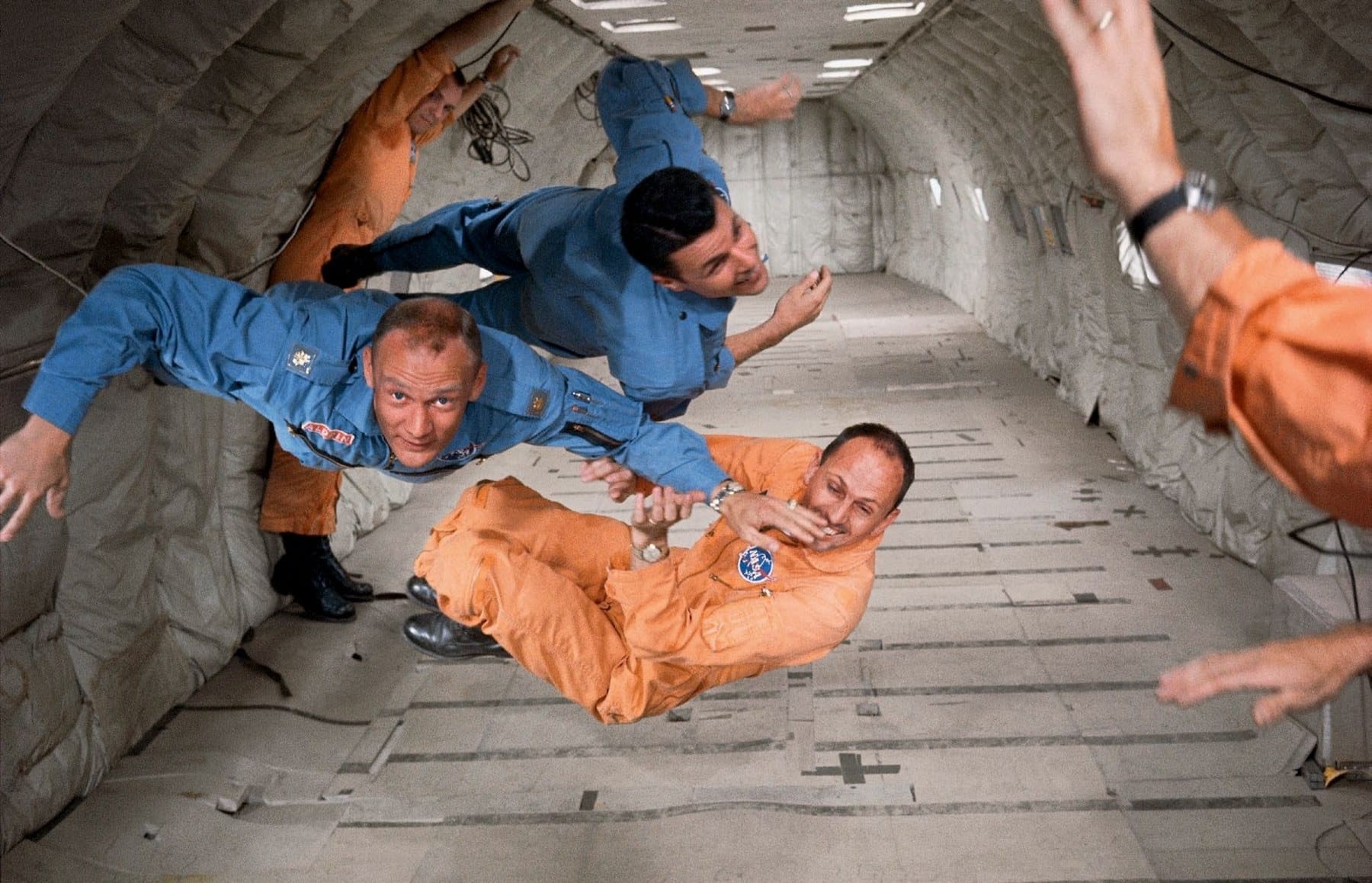
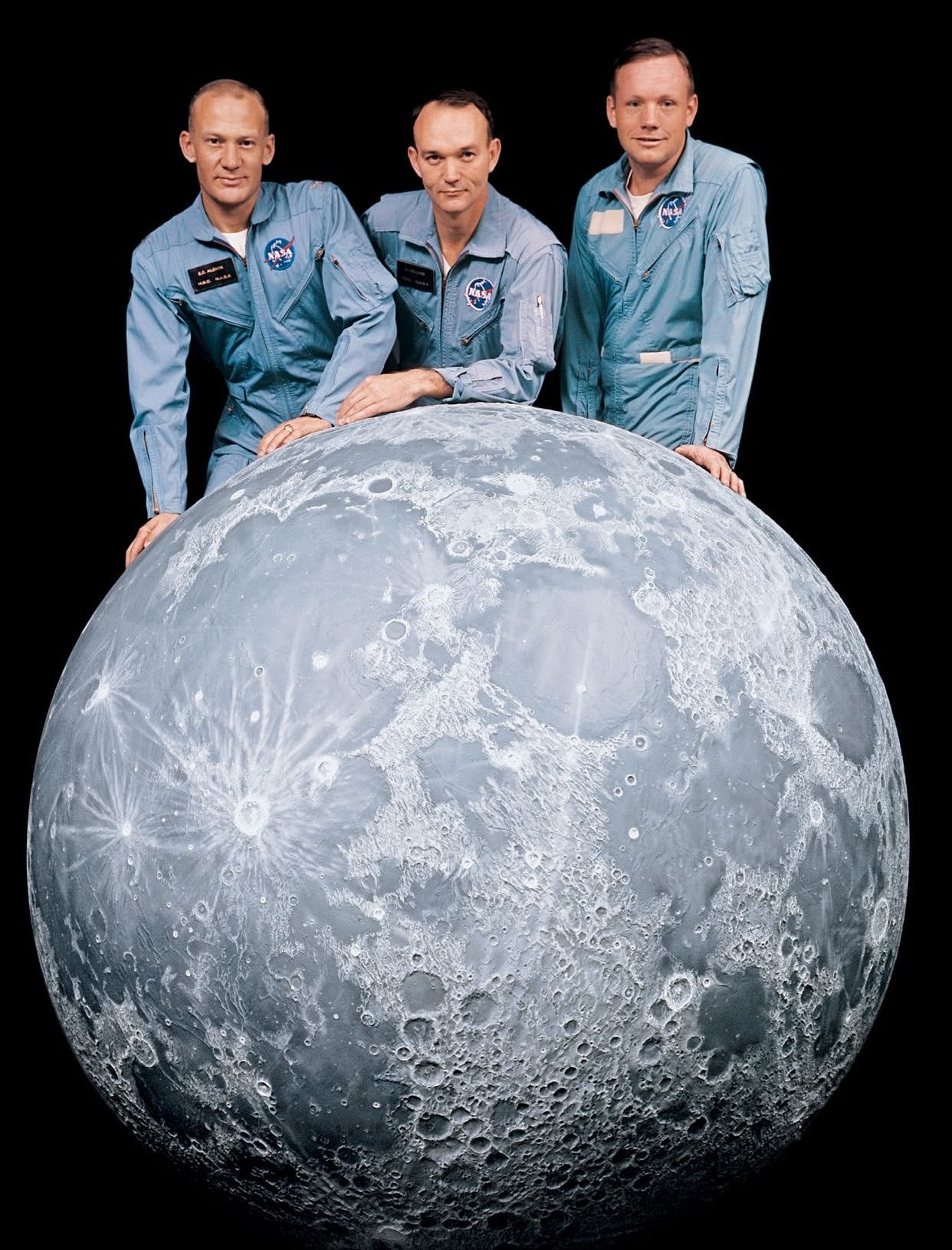
Taschen's incredible book Moonfire compiles hundreds of photographs of the moon landing from the NASA vaults, the archives of LIFE magazine and other leading magazines of the day, published alongside Norman Mailer's classic essay documenting the fateful Apollo 11 mission. The photographs depict the development of the agency and the mission, the projects and preparations carried out by some 400,000 engineers and scientists, life inside the command module and on the moon's surface, as well as the world's euphoric reaction to the landing itself.
The book, while fulfilling a cosy nostalgia for the retro, also taps into a new zeitgeist: the ultra-modern fixation on outer space as a potential and necessary escape from the increasingly hostile political and ecological climate on Earth. News broke in February of NASA's latest discovery: a staggering seven Earth-sized planets, three of which exist within the habitable zone necessary to support life. The planets orbit a dwarf star scientists have named TRAPPIST-1, in a solar system 39 light years from our own.
"The discovery," says Thomas Zurbuchen, associate administrator of NASA's Science Mission Directorate, "gives us a hint that finding a second Earth is not a matter of 'if', but 'when'." We are now in the "gold rush phase" of exoplanet exploration, Zurbuchen continues, due to a rapid increase in the quality and number of high-powered telescopes necessary to conduct such research.
Since 1992, a total of 3,577 exoplanets have been discovered; of these, fewer than a dozen are thought to be well suited to supporting life. Still, it's no longer far-fetched to imagine a day when Taschen might release a coffee-table book about humans' first steps on a rocky, watery planet similar to ours, and yet totally different. And some of us might actually live to see it.