To whom one doffed one's hat, and by how much, were worldly and weighty questions of etiquette and social negotiation throughout the 19th century and the first half of the 20th. A shabby, frayed and faded hat, a dented bowler, or an out-of-place Stetson were serious breaches of protocol and propriety. A hat was not simply an accessory; it was an essential aspect of manhood. Here we take a look at some of men's greatest hats, which today are a renewed vestige of menswear, and womenswear too.
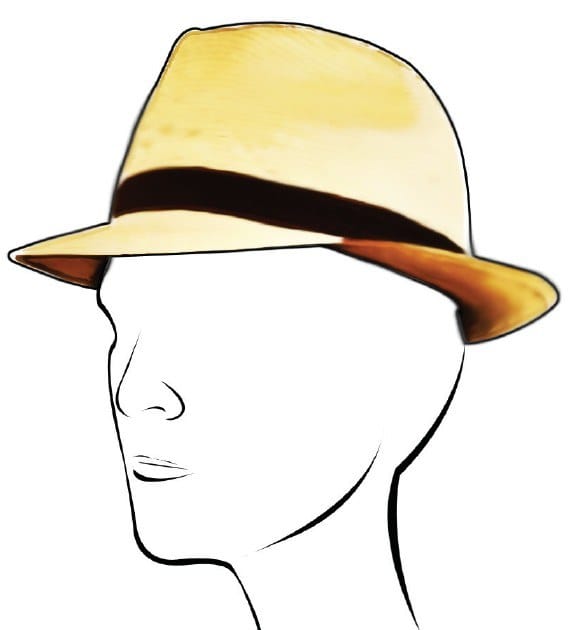
The fedora is often associated with gangsters, prohibition-era detectives, film-noir antiheroes and, more recently, fashionable celebrities. It takes its name from the title of a play by Victorien Sardou. Curiously, the hat was actually popularised by and for women, but just before 1920 middle-class men adopted it too. Its popularity soared, and within a few years it eclipsed the similar-looking Homburg. Initially the wearer could crease the wide brim to taste, but by the 1950s a variety of styles had been standardised. The short-brimmed fedora, or trilby, has become the most popular form since the turn of the new millennium.
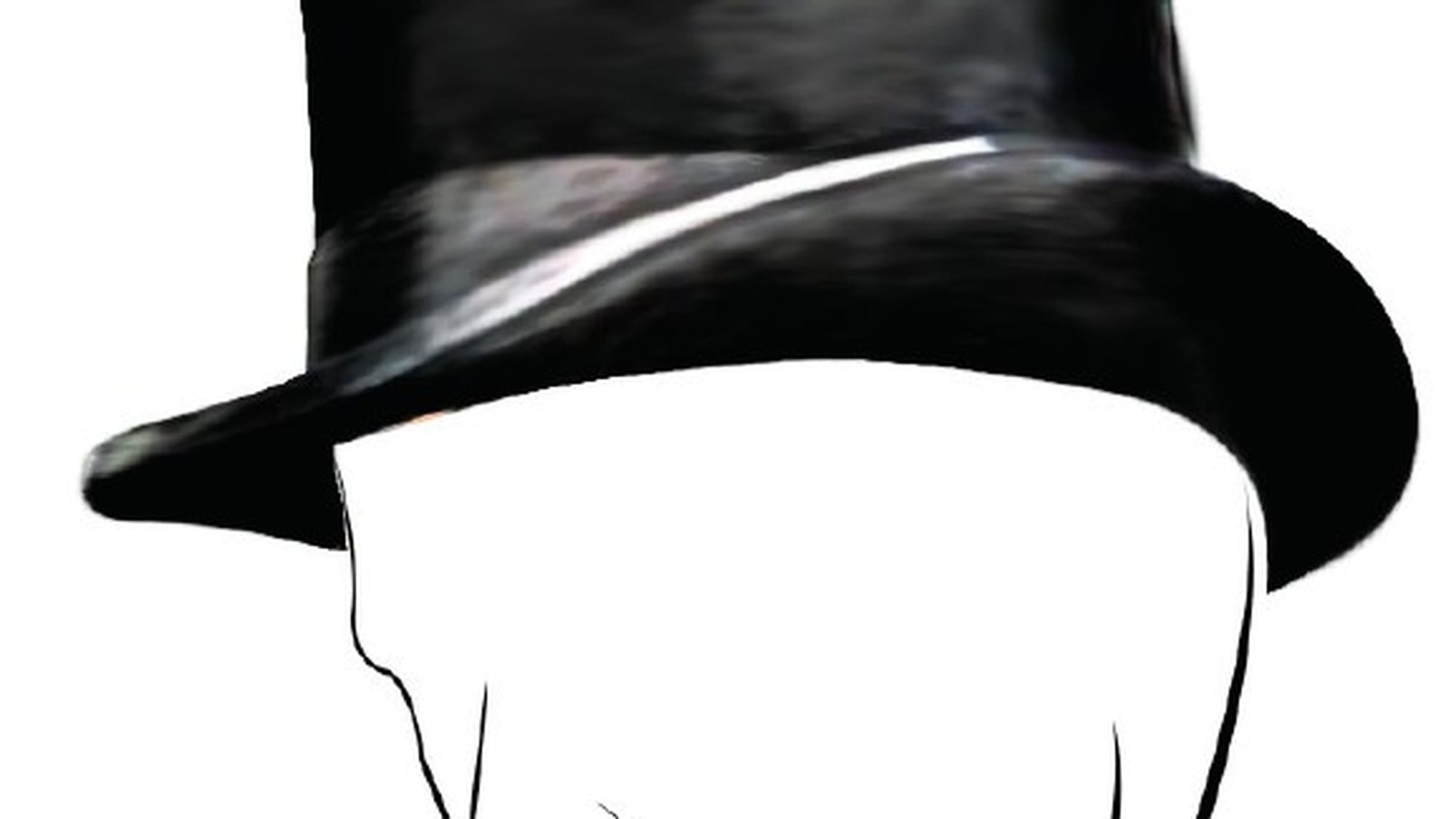
Though nowadays it is only proper to wear a top hat with morning dress or white tie, there was a time when just about everyone wore one. It first appeared among the upper classes in the 18th century, when it was made of beaver fur from the new world. The fur was later replaced by silk and eventually even servants began wearing them, though that only aided their decline among their betters. Still, the top hat lends what in Latin is called gravitas. It smoulders. You will not get many chances to wear one, but there remain some suitable formal occasions, especially weddings and the races at Ascot.
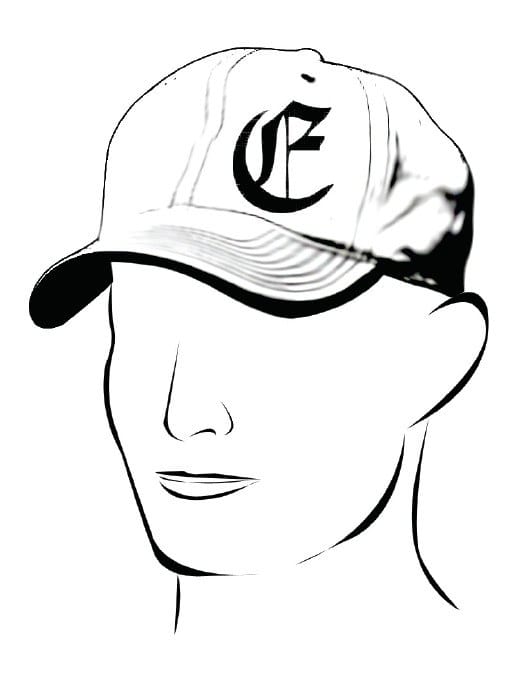
The baseball cap could not be more unlike the aristocratic top hat. Worn by generals, pop stars and many an actual baseball fan, this hat wants to say: "I'm one of you." It originated in the 1860s in support of the Brooklyn Excelsiors, though over time it lost its floppiness and gained a uniformed hard edge, known as the 59Fifty after the brand that holds the official rights for Major League Baseball. Most caps now have very little to do with sports teams, but they should still carry some conversation-catalysing connection to a company or brand. Irony is allowed, as long as the cap is as weathered, friendly and worn as an old teddy bear.
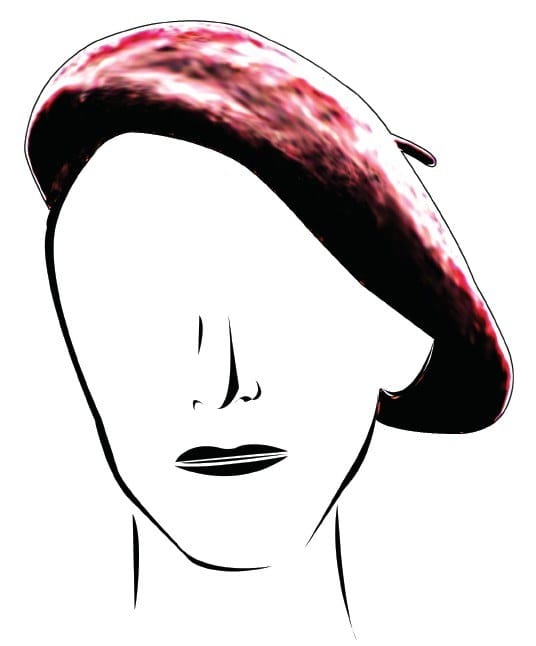
The beret may be solidly linked to the Parisian intellectual, filmmaker or artiste, a worldwide symbol of mental savoir-faire, but it was not always this way. Deriving from the Basque shepherd's hat of the 17th century, it was first mass-produced in 19th-century France and Spain, countries with which it remains associated. Its practicality long made it an item of military clothing, and most famously of all Che Guevara made it revolutionary chic. Even Rastafarians wear the beret, considering it, along with dreadlocks, a symbol of their biblical covenant with God. Whatever the case, berets remain an open-ended, unisex and versatile accessory.