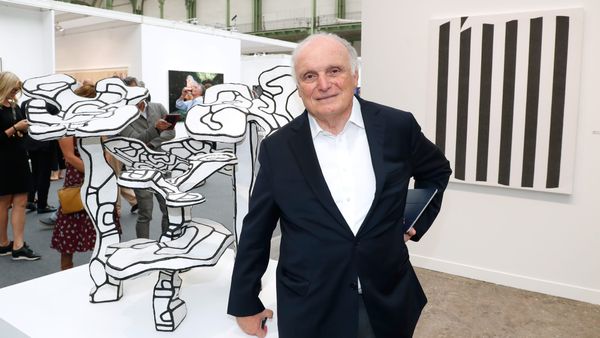
Lost you? Then let me confess that during a recent visit to company headquarters in Japan and at a launch party the following week in New York, Lexus almost lost me too.
Don’t get me wrong. As brands go, I’m a fan. True, the IS C may not be a Gallardo but as, let’s say, an entry-level luxury vehicle, it is absolutely spot on and while it does still have the reputation of being the luxury car your (grand)parents buy and its growing range of sports cars still have a way to go before they can take on the Lamborghinis of the world, Lexus is changing. Fast.
It’s already becoming more than a match for some of the biggest names in high-end automobiles – Lexus’ new 2014 IS 350F, for example, recently beat BMW’s 335iM Sport in a sports-sedan comparison test run by US magazine, Car and Driver — and the company’s new emphasis on design, including the introduction of its distinctive spindle grill and sharp (or in Lexus-speak ‘resolute’) look, has started to lower its demographic.
But Lexus wants more. More precisely, Lexus wants you. And by ‘you’, the boys in Japan mean late 20 and 30-something urbanites - hip, arts-oriented, demanding and a bit design-friendly around the gills - the emerging culturati, a city’s desire-shapers. We’d call them Bespoke readers. Lexus calls them the ‘taste-makers’.
So they see their GS nestled alongside your iPad, blue suede boat shoes and long weekends at the Hotel Pitrizza. They see you lusting after their ES Hybrid, not because you want an environmentally respectful luxury car, per se, but because you know that it makes sense, that it is ‘progressive luxury’ and a logical expression of the life you lead. Or, to borrow from the company’s current advertising campaign, because like you, it is “amazing in motion”.
And so, in a bid to associate itself with the cutting edge, Lexus is pouring its efforts into a bold new global marketing campaign that aims to make its cars desirable by association.
This includes the launch of a new magazine, Beyond, that (gasp) barely features any cars and which Lexus hopes will eventually be sold through bookstores, the funding of a raft of short films by edgy, emerging directors that, you’ve got it, don’t feature any cars, the sponsorship of an installation at Milan’s Salone del Mobile supervised by this year’s Mr. Pritzker, Toyo Ito to mark the launch of a new Lexus-sponsored design award that was rapturously received in the design press and finally, later this year, the opening of three new boutiques in Tokyo, New York and Dubai.
The boutiques, which are envisaged as a cross between a lounge club, a library and a concept store, will not sell cars. Naturally. Instead, they will promote products that Lexus likes, products that have a story, products that, by association, will make the company seem younger, more switched on. Hip. Think organic coffee, exquisite leather goods, contemporary banshu shawls, classic sunglasses and exquisite stationery, all crafted especially for Lexus. To further distance the boutiques from any association with automobiles, Masayama Katamichi, the mind behind Wonderwall and creator of places like Hong Kong’s Ozone and the beautifully-spare amulet shop at Fukuoka’s Homango Kamado temple, has been brought in to lend a little elegance.
“We’re talking about the rejuvenation of Lexus as a brand but of course, we also want designers and creative types to become more interested in Lexus itself, in driving our cars,” Kiyotaka Ise explained to us at company headquarters in Nagoya. “Getting these people interested will have a huge impact on our clientele and our image.”
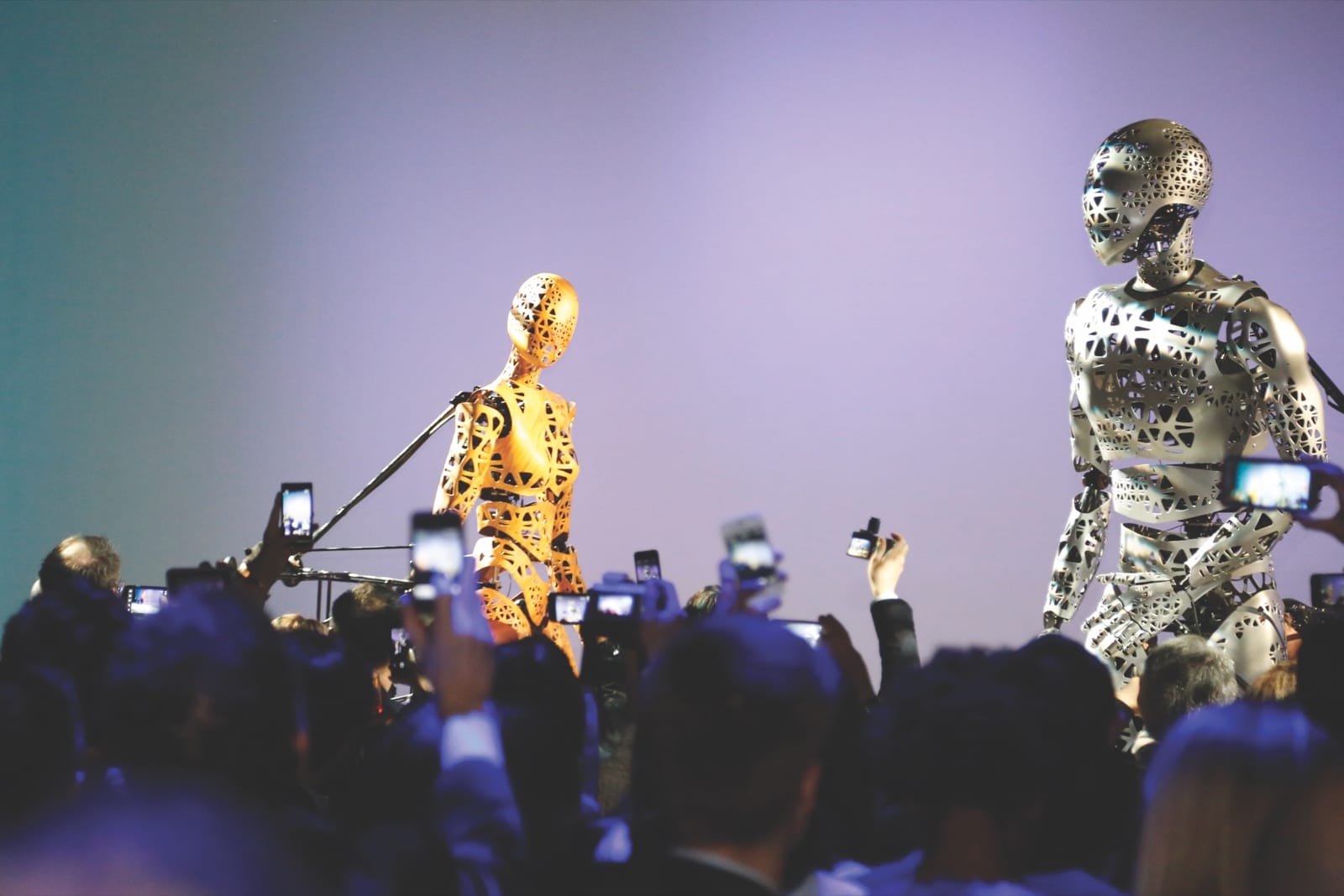
And so, Lexus is attempting to appeal to their wallets by seducing them aesthetically. As moves go, this one is ballsy. Being me, I can’t help wonder if it might be a little too ballsy – if the ‘hip by association’ offensive might alienate the company’s existing clientele or just end up making emerging designers famous but not really help it shift any more cars. And let’s face it, this, ultimately, is Lexus’ goal, even if they do love to say that they’d rather get one really enthusiastic new customer than a thousand who are lukewarm.
“We’re looking at Design from a much wider perspective,” he continues. “We’re focussing on younger people, who want innovation, who want to change things through design. This is why we set up the design award. We had much better reactions from this event than we’d expected, so this is something we’d like to keep doing.”
“Design is one of the most important aspects of a vehicle and we must admit that in this area, our impact so far has been weak. We’re very popular with the older generation but until now we’ve lacked a distinctive personality. So we’re changing that.”
This being Lexus, son of Toyota, the largest car manufacturer in the world, this strategy has been carefully vetted. The company is more than aware of the danger their bold new approach poses. In shooting for the stars – and let’s face it, indirect marketing by association may be smart and wildly contemporary but it’s hugely risky - it could end up face down in the gutter. On the other hand, it doesn’t have much choice. While the brand is growing rapidly in popularity in both the Asia Pacific and Middle East (where sales were up more than 50 per cent last year), if it doesn’t move beyond its current and rapidly aging client bases in Japan and the US, it will eventually find itself with fewer and fewer customers to rely on, with every passing year.
It seems like the company has set itself a goal of Augean proportions but achieving harmony between contradictory elements lies at the heart of the manufacturer’s philosophy.

“Japanese culture is all about achieving balance between clashing elements,” Mr. Fukuichi continues, “it’s the fusion of contradictions.”
His statement startles me. I’ve always thought of Japanese culture – perhaps because I’ve been encouraged to do so by most Japanese - as monolithic. Then I think of age-old practices like kintsugi, the repairing of broken ceramics with gold lacquer, the venerable tradition of wabi sabi, the aesthetic of sophistication expressed through artful shabbiness or the importance placed on shadow, rather than light, in traditional Japanese architecture, and it makes sense.
Seen from that perspective, Lexus’ drive to find a way to appeal hipsters without losing the oldsters or essentially, reconciling modernity with tradition (another Japanese speciality that the Middle East could learn much from), doesn’t seem so impossible or even intimidating, after all.