Hailed as the Nabokov of contemporary Arabic literature, ask the prolific author how she feels about her achievements and you meet a woman who is surprisingly modest about her phenomenal success.
“Popular is a very tricky word,” Alem explains, “it suggests the notion of being a best seller, while my books are appreciated by more intellectual readers.”
“I don’t see myself as a woman who has won the prize,” she continues, speaking of her latest book, ‘The Doves’ Necklace’ (Tawq al Hamamah in Arabic). “It is the book that won it, it is Mecca that won.”
Mecca lies at the heart of many of Alem’s novels (ten, so far), plays, short stories and poetry. Steeped in the rhythms and traditions of the city, Alem carries her hometown with her as she explores different literary worlds, “resurrecting this unique city, stone after stone” as she once put it, “recreating its vanishing mountains and above all, its lively people, their prayers and their music”.
“I knew [the book] would win,” she says, “because you cannot ignore such a unique world. But winning this prize, along with the publicity surrounding it and the offers of translations and the doors it opens, made me stop and look back. I saw the big leap I took from being the girl from Mecca, where you cannot write under your true name, to winning this award. It is a big leap not only for me to see but for all those other girls and boys of Mecca, and of the world, this award tells them that everything is possible.”
In addition, the award ensures that the winning entries will be translated into English, significantly raising the visibility of Middle Eastern authors in the international arena. For Alem, who jointly shared the nomination and the 50,000 USD prize with Moroccan author Mohammed Achaari, and who has already had her work translated into German, French, English and Spanish, reaching an international audience is important not only personally but also to circumvent the barriers of censorship that Middle Eastern authors so often face.
“All through my life I have looked up to those who had a voice and who managed to reach us across borders and limitations, ” she explains, “people who became immortal through their inventions and creations.”
Alem's intimate portrayals of her characters in ‘The Doves' Necklace’ certainly broke a number of barriers. The romantic story of Aisha, a Saudi girl who finds solace from her life through the love letters she writes to her German boyfriend, reveals a rarely exposed side of the city and Alem goes on to touch on other sensitive issues, from crime and religious extremism to the exploitation of foreign workers in the holy city.
She maintains she did not set out to be controversial and feels that the reaction to some of the issues she tackled is misplaced. “What is shocking in Mecca being a city of man?” Alem asks. “The book is a tableau of life in Mecca, as true as life can be and as refined as prayer can be. Why should we regard life as unholy, or as demeaning the holy? Look at the Qur’an, for example, it tells stories about life. Does that make it shocking to believers?”
It is this stance, perhaps, that sets her apart from other Arab writers but Alem’s success is not new. Over the years she has won a number of awards including the 2005 Arabic Women's Creative Writing Prize, which was part of UNESCO's 60th anniversary celebrations, as well as the Lebanese Literary Club prize in 2008.
It all began with her first novel ‘Four Zero’, published in 1987. Alem compares the experience to a kind of ‘reincarnation’ or a ‘second life’. “It was a book that said that the world sprang from numbers,” she explains, “and that the ultimate number is the zero, which forcefully manifests in the million. It is somehow a Sufi concept and it reflects the fact of our existence as a state of exile.”
Ten novels later, Alem has become one of the most critically acclaimed Arabic writers of her time. Her body of work includes plays, short stories children's books, as well as novels, two of which – ‘Fatma: A Novel of Arabia’ and ‘My Thousand and One Nights’ - were written in collaboration with the American author Tom McDonough. She also writes special reports and produces a cultural column for Saudi newspaper, Al Riyadh.
No matter what she’s writing, Alem says she needs complete silence to do so and perhaps unsurprisingly for a woman born and brought up in one of the world’s most sacred cities, her writing seems to possess a spiritual streak, one that borders on times on the mystic.
“Some critics have said that I am possessed by an ancient seeress, who writes through me in a very classical, intimidating Arabic style,” she says, explaining that this is why she decided to write ‘The Dove’s Necklace’ first in English. “I wanted to escape that seeress and write in the simplest style possible. But she followed me and I found she enjoyed using this foreign eye. My seeress is trying to see Mecca with a critical eye, free of the weight of her native language. It helps her escape the taboos inherent in every Arabic word.”
This talk of possession by an ‘ancient seeress’ can come across as giddy, if not overly romantic but perhaps this is because all these years later, Alem’s relationship with her characters and her work is still one of wonder. “Sometimes I succeed and when I do, it astonishes me to think who wrote those books,” she says, adding that her sense of wonder is not limited to the creation of characters.
“What is real is the moment of creation, when I struggle with a plot and with my characters taking the rein from my hands to write their own destinies but when I see those characters between the covers of a book, there’s the sensation of being given my own words, printed and ready to be read by the world.”
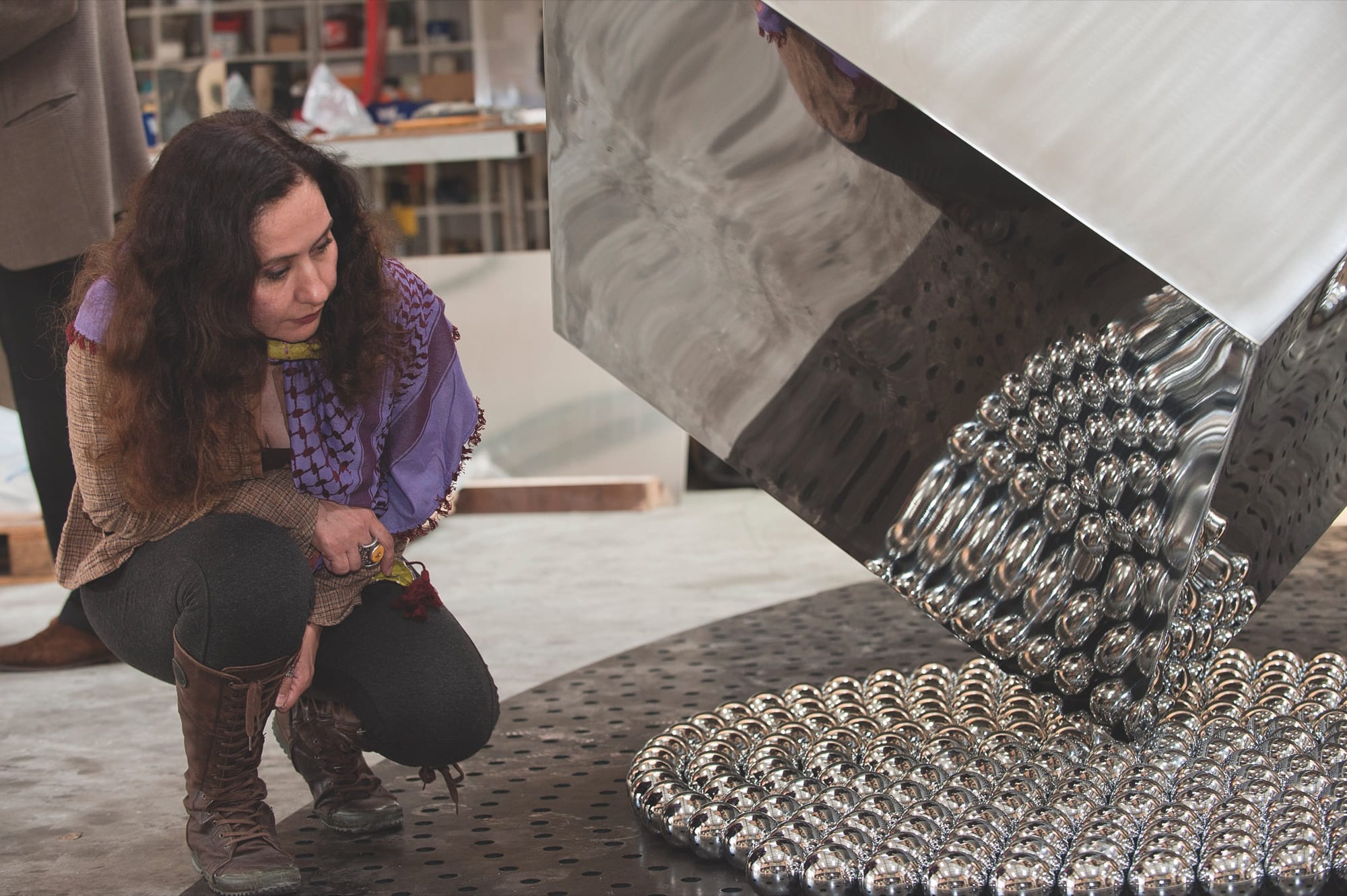
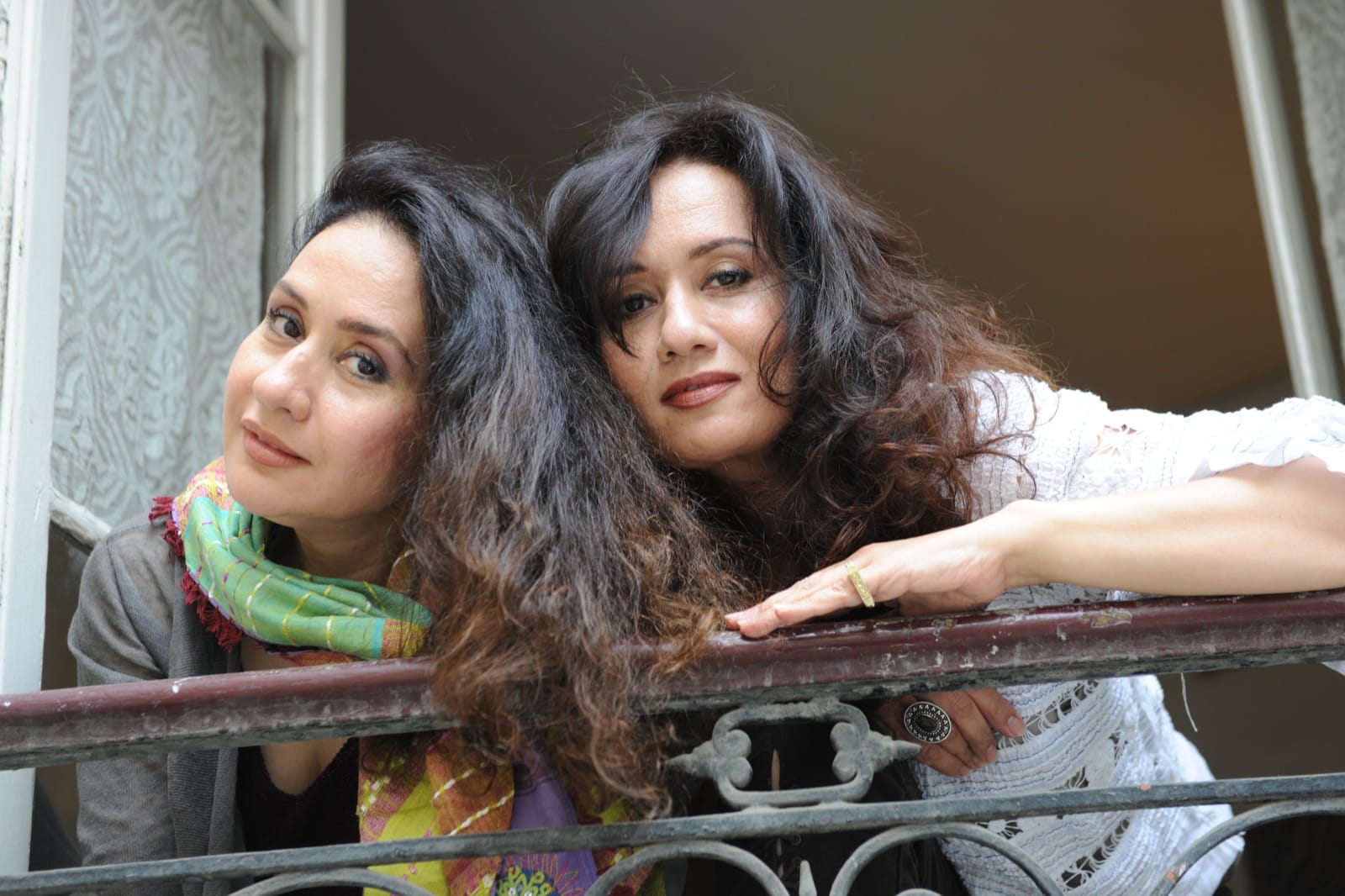
In addition to Raja Alem the writer and artist, there is Raja Alem the philanthropist. A few years ago, the Alem sisters started a cultural club and recreation centre for girls in Mecca. The centre provides Mecca’s girls with a library and a space for self-discovery and discussion and it provides the Alem sisters with inspiration for their work.
Though Alem now spends most of her time in Paris - when she isn’t busy attending literary festivals, anyway - she finds herself repeatedly returning to her sources; Mecca and the “miracles of everyday life”. So whenever she can, she goes back to the city she refers to as her ‘shrine’, to write.
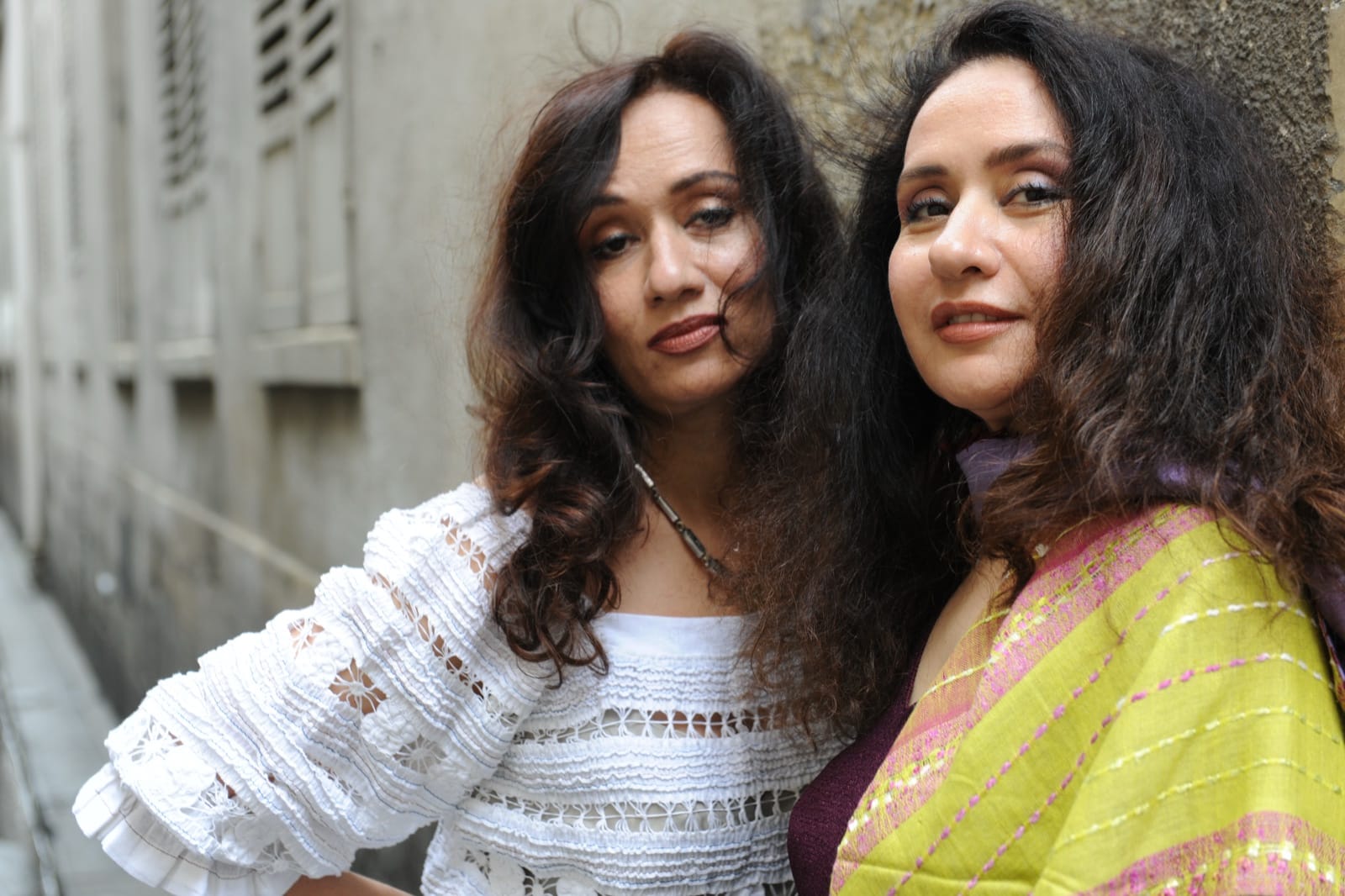
“My inspiration was and will always be the stories I lived in the holy mosque every Friday afternoon, when women come with their unimaginable tragedies to spread before their fellow women and before God,” she says, unmistakable affection infusing her voice. “The mosque turns into a great stage where humans perform their dramas before God, begging him to draw the final scene of some unattainable happy ending.”
WHO Raja Alem
WHAT Saudi Arabian author
WHERE Divides her time between Paris and Mecca
WHY For her achievements in contemporary Arabic literature and for being the first woman to be awarded the International Prize for Arabic Fiction.