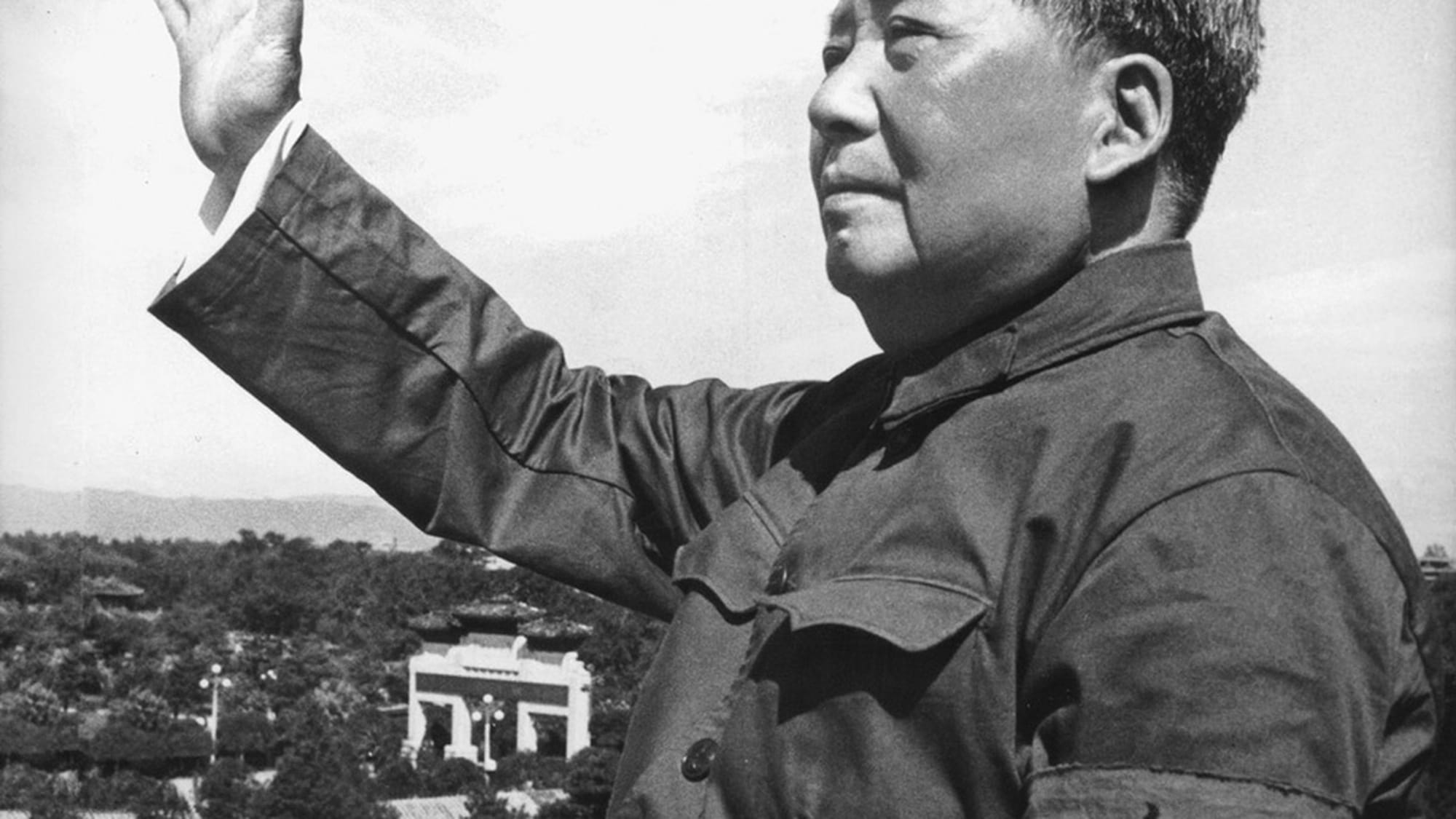
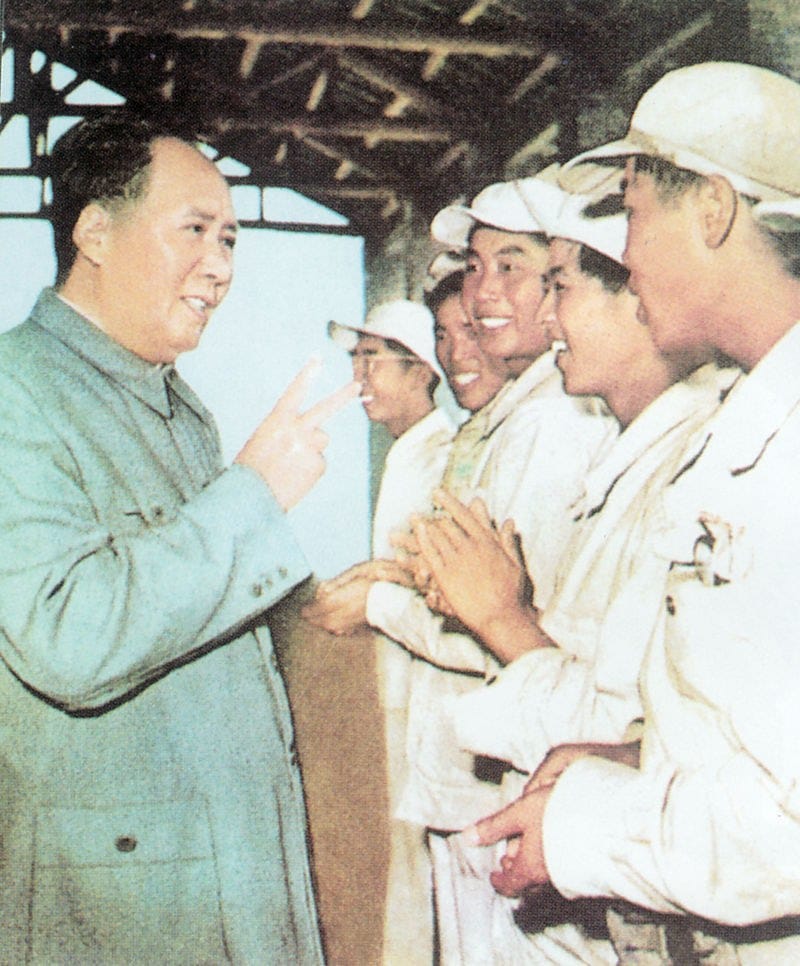
The man who wrote a Little Red Book and famously declared that “political power flows from the barrel of a gun”, launched the kind of fashion revolution of which the Tom Fords of the world can only dream. After making himself absolute ruler of the world’s most populous nation, Mao Zedong persuaded hundreds of millions of Chinese to give up their old clothes – reminders of when China was ruled by splittist lackeys and capitalist running dogs – to adopt the same suit he wore himself. Men, women, adults and children, for almost 40 years, fashion in China meant making like Mao.
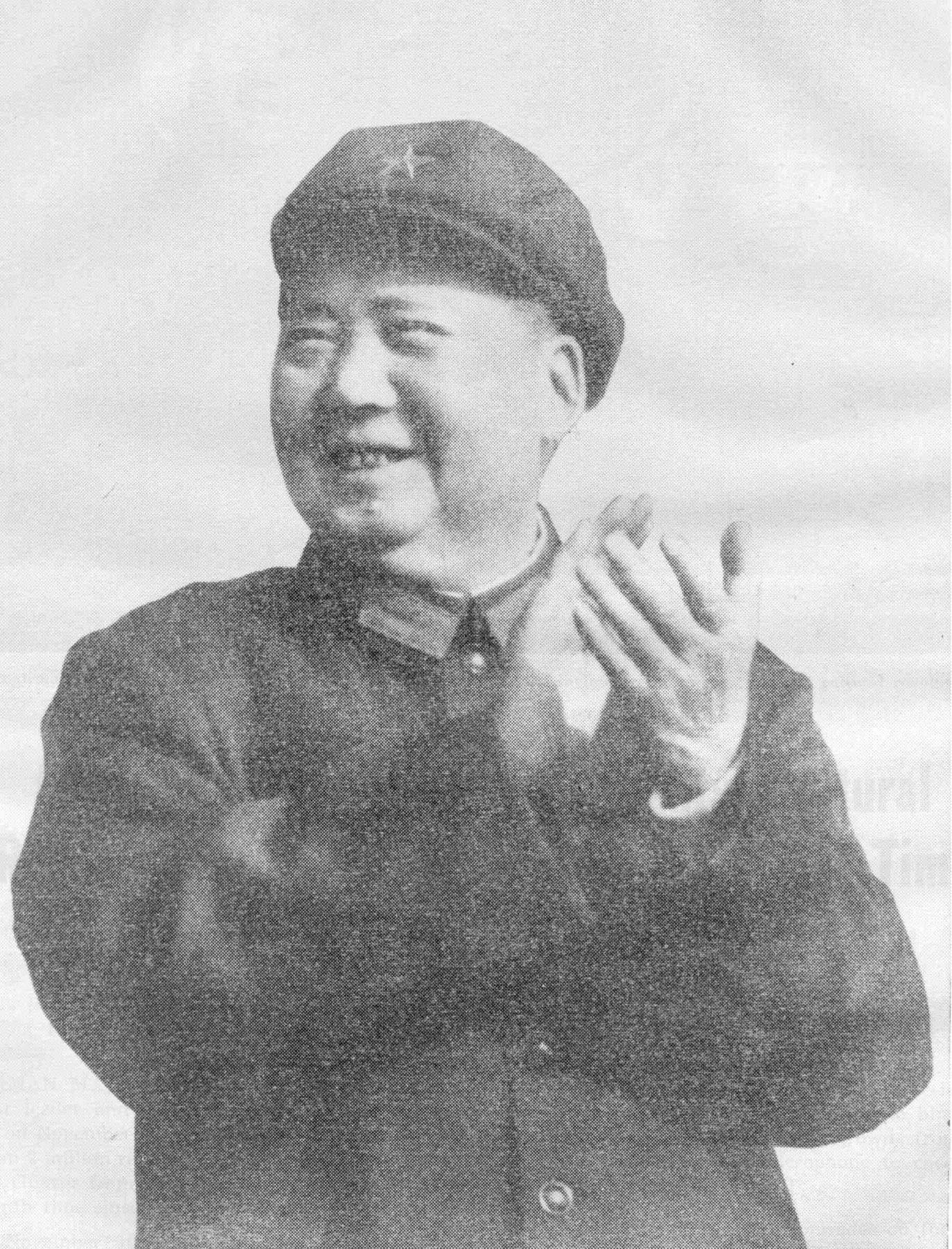
Che Guevara
Second only to the Chairman when it comes to revolutionary looks, Ernesto Che Guevara’s importance stems less from the clothes he wore (although his olive army fatigue-look did have its adherents) than from the millions of times his face has been reproduced. In 1960, he was photographed at a memorial service in Havana wearing a beret, looking heroically unkempt and determined. A decade later, Alberto Korda’s image of Che had been screen-printed onto posters, walls and yes, t-shirts, turning the revolutionary into a globally recognised, wearable icon.
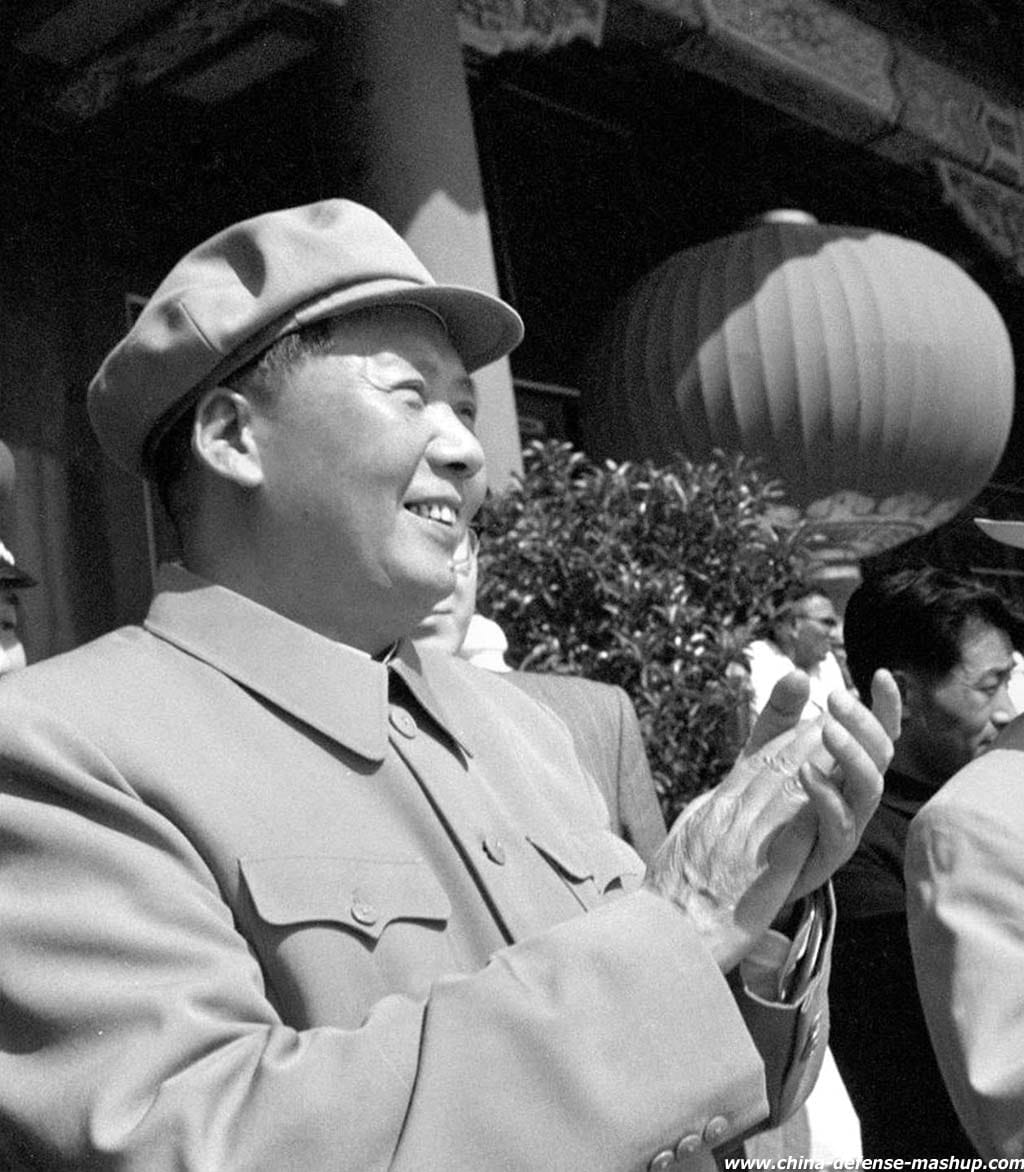
Mobutu Sese Seko
If Little Richard had been an African dictator and not the king of rock ‘n’ roll he would have given the former Democratic Republic of Congo’s dictator a run for his money. After his CIA-sponsored coup, Mobutu outlawed Western clothing, requiring Congolese men to adopt the ‘abacost’, a collar-less jacket, worn with a cravat. While most abacosts were made cheaply, Mobutu was quite the dandy. His came in everything from sharkskin to elaborate Chinese silk prints, worn with a leopard-skin cap and an elaborately carved walking stick.
Ayatollah Khomeini
Much like Che, the Ayatollah’s appearance in this revolutionary roundup is less about what he himself wore. Admittedly, for most people outside the Middle East who probably had little idea of how senior Shi’ite clerics dressed before 1979, Khomeini’s flowing white and black robes and lavishly wrapped turbans sealed forever their image of what a vilayat-i-faqih should wear. But it was the sartorial revolution the Imam wrought within his country (and beyond) that remains his lasting fashion legacy, as the face that launched a million chadors.
Muammar Qaddafi
OK, forget Mobutu. If Little Richard was an African dictator, he really would’ve been Muammar Qaddafi. Though it isn’t kind to mock the deceased, we’d be doing you a disservice if we didn’t mention Libya’s late dictator. Forget the outrageous military outfits, with their heavy braids, and endless medals, it’s the Brother Leader’s later descent into blousy robes we remember. Zany prints, shawls and supersized shoulder pads, he might almost have shared a tailor with Miriam Makeba, a far cry from the sharp figure the trimmer, sunglasses-less Qaddafi cut back when his revolution was young.