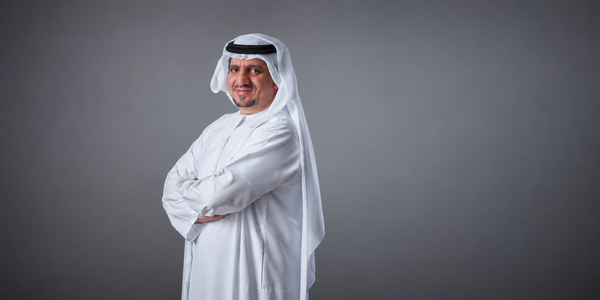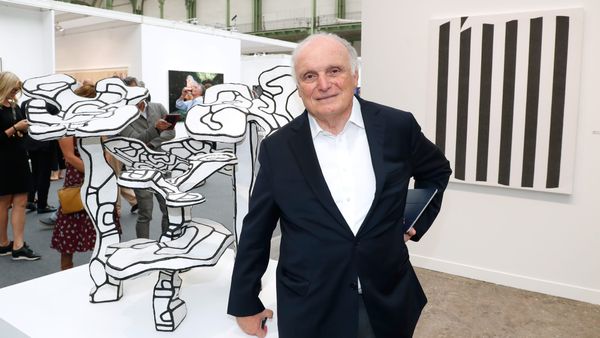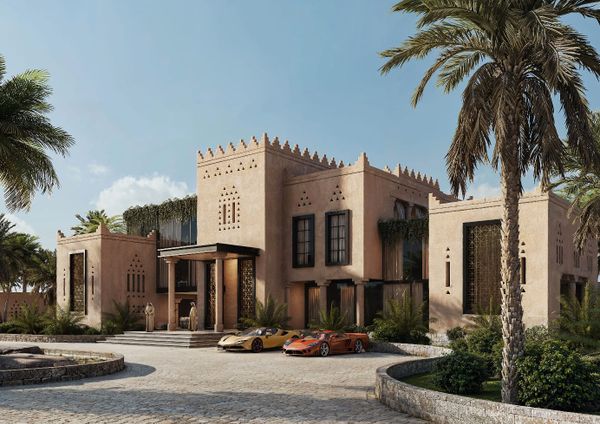
We normally steer clear of the Q&A when it comes to high-profile interviews because, generally speaking, this format makes it harder for the reader to grasp the overall message. A longer-form article allows for better transitions between topics, and it affords the journalist the time and space to add his, or her, own introduction, insights, observations and asides. But as ever, rules are made to be broken, and in a first-of-its-kind for us, we have compiled an entire Q&A supplement with the aim of quickly gleaning insights from a hand-selected group of some of the most brilliant and talented people in their fields.
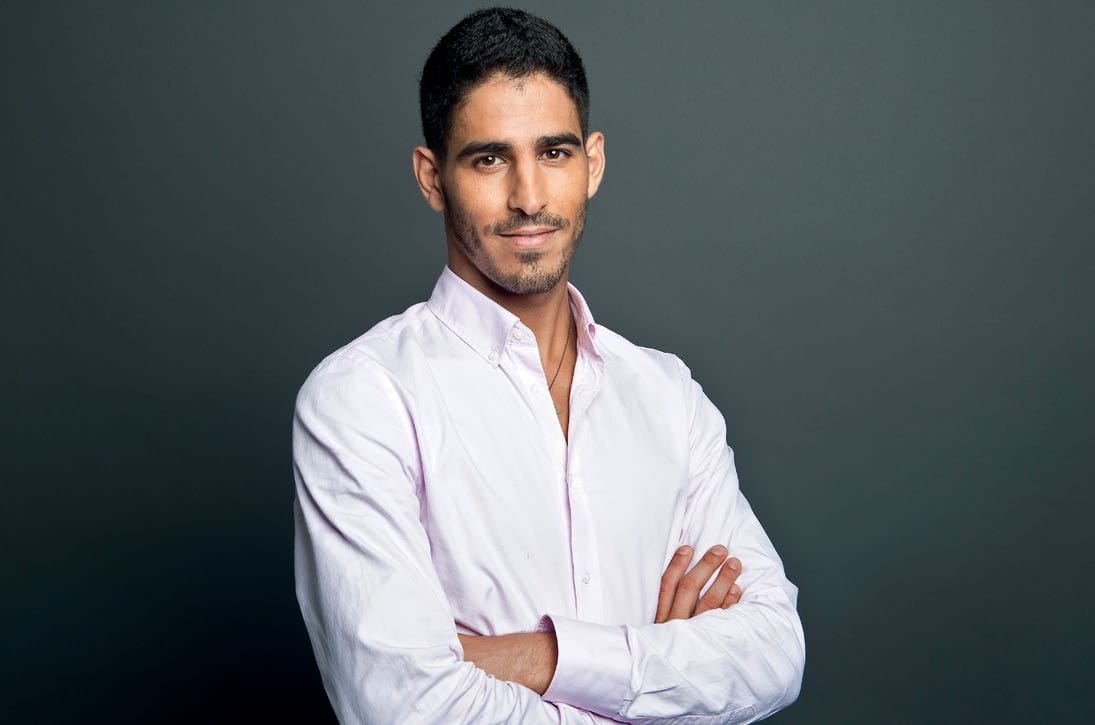
Ahmed Shihab-Eldin, the Emmy-nominated senior presenter of AJ+, traces his vocation to a Berkeley summer in 1990, when Saddam Hussein's invasion of Kuwait left much of his family in a war zone and a seven-year-old glued to CNN. "I've always been that kid who asked questions, only to get answers that would prompt ten more questions," he says. On the profession itself he is unsparing: "The truth is, no one is objective. What you put in a story, what you leave out, the order you tell it in — all that undermines the notion that the pursuit of objectivity will lead you to the truth." For him, transparency, accountability and the humanising of overlooked voices should now replace that supposed view from nowhere.
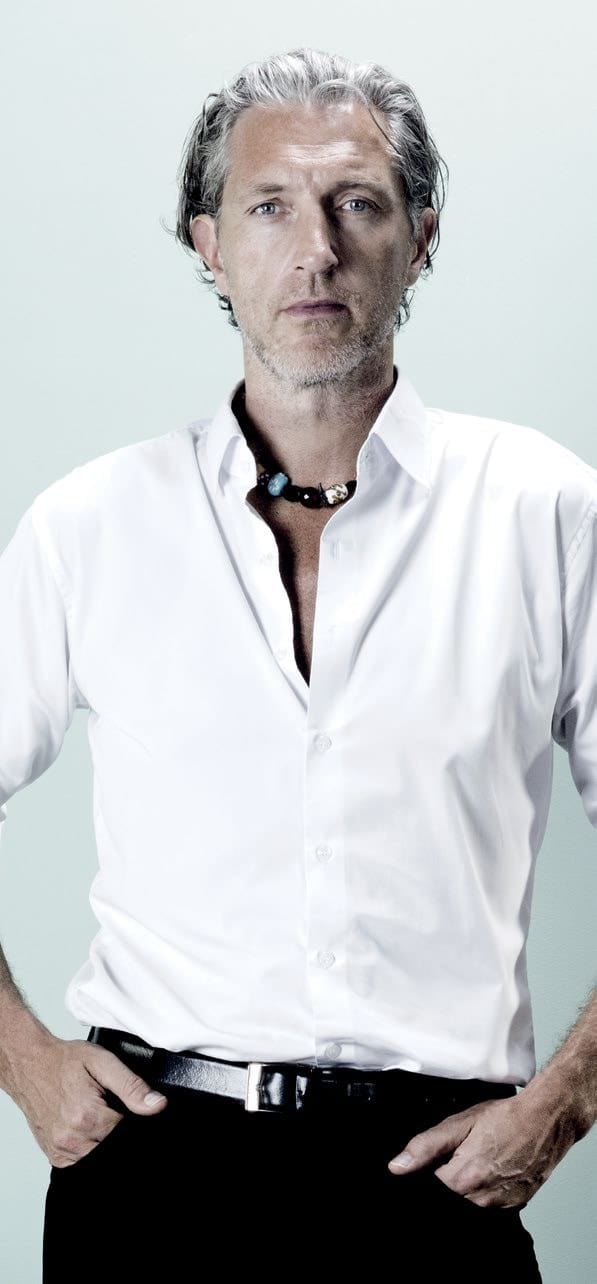
The Dutch designer Marcel Wanders speaks of inspiration in almost knightly terms. "I think knights were inspired to go to war to save the holy land — something that really became their destiny," he says. "I know what I'm here for. I want to create a world with objects and surroundings that are humane — more personal, more romantic and less sterile." Good design, he insists, "resonates so deeply that people can't help but discover something within themselves when they see it," while luxury "starts where functionality ends and where the true value is personal and so has no price or reason."
At Bugatti, head of interior design Etienne Salome has spent more than a decade serving a marque whose founder declared that anything comparable is no longer a Bugatti. "As a designer you are far less restricted, in the sense that you are not expected to please everyone, just passionate individuals looking for a very unique experience," he says. The Chiron, he notes, married design and engineering at every step: "When you are targeting a top speed of way more than 400km/h you cannot create any pure styling exercise — every single design line has a technical function." His credo for good design is austere: "Something so pure that no further element can still be subtracted."
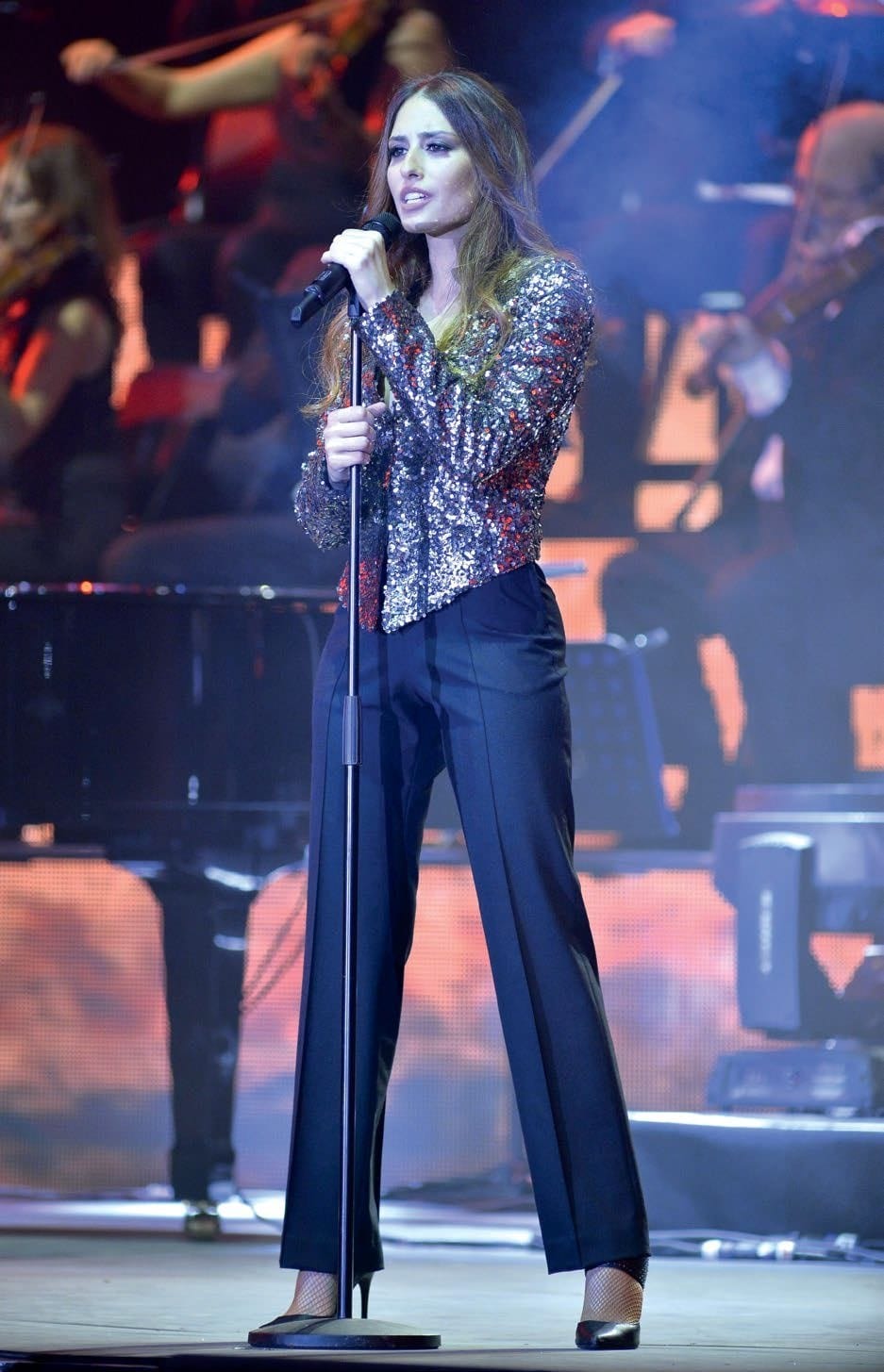
For the Lebanese singer, actress and director Hiba Tawaji, the turning point came at nineteen, when producer Oussama Rahbani cast her in his musical play The Return of the Phoenix. A performing-arts graduate of the Université Saint-Joseph who has studied acting in New York, she counts Michael Jackson her ultimate idol and treats education as essential to mastering a craft. Her ambition is modest in its purity: "If one of my songs manages to touch the heart of someone or enlightens them on a certain subject, if it comforts them, or consoles them, then I have succeeded."
Raha Moharrak, the first Saudi woman to summit Everest, came to climbing late, at twenty-five, then "churned out a mountain every couple of months for about three years." Born, she says, "ridiculously stubborn," she won her family's blessing only through "a lot of heartfelt, painful conversations." Her sights are now set beyond the peaks: "My ultimate goal is to one day become an ambassador for women's rights in sports," she says, pointing to the slow but real growth of Saudi female participation at the Olympic Games.
Gordon Campbell Gray, the Scottish founder of CampbellGray Hotels, decided at the age of nine, in a supposedly grand hotel, that he could do it better. His mantra is independence — to "paddle our own canoe" — and an almost old-fashioned faith in kindness. "We consistently re-enforce the fact that every decision we take in a day is a decision taken in favour of the guest," he says. With the extension of Le Gray in Beirut and the restored Phoenicia in Malta both reopening, his hoped-for legacy is simple proof "that you can be individual, successful and a good guy."